
By Dr. Michael Campos, High School Religion, Theology and Spirituality Faculty
Seminar 2, Day 3: Becoming God’s Beloved
Elvy Asuan (Philippine Normal University) facilitated a presentation on the dynamics of organizational structures. Highlighting the specific function of a collective’s Vision (aspiration), Mission (institutional purpose) and Goals (measurable outcomes), conversations focused on the technicalities of group facilitation, formulation of minutes and framing of leadership styles. Participants from the local government offered practical insight into the workings of an efficient vis-a-vis stagnant bureaucratic processes.
Isidro “Syd” Baradi IV, Sophie’s Farm Program Assistant, offered a personal reflection at the intersection of faith, service and spirituality. His life’s trajectory as the son of middle-class professionals, raised in Nigeria, the United States and Marinduque Island in central Philippines, converged to bring him to remote Northern Samar in order to support the work of Sophie’s Farm. Syd considered the importance of personal discernment in attending to shifting contexts and one’s capacity for response-ability.
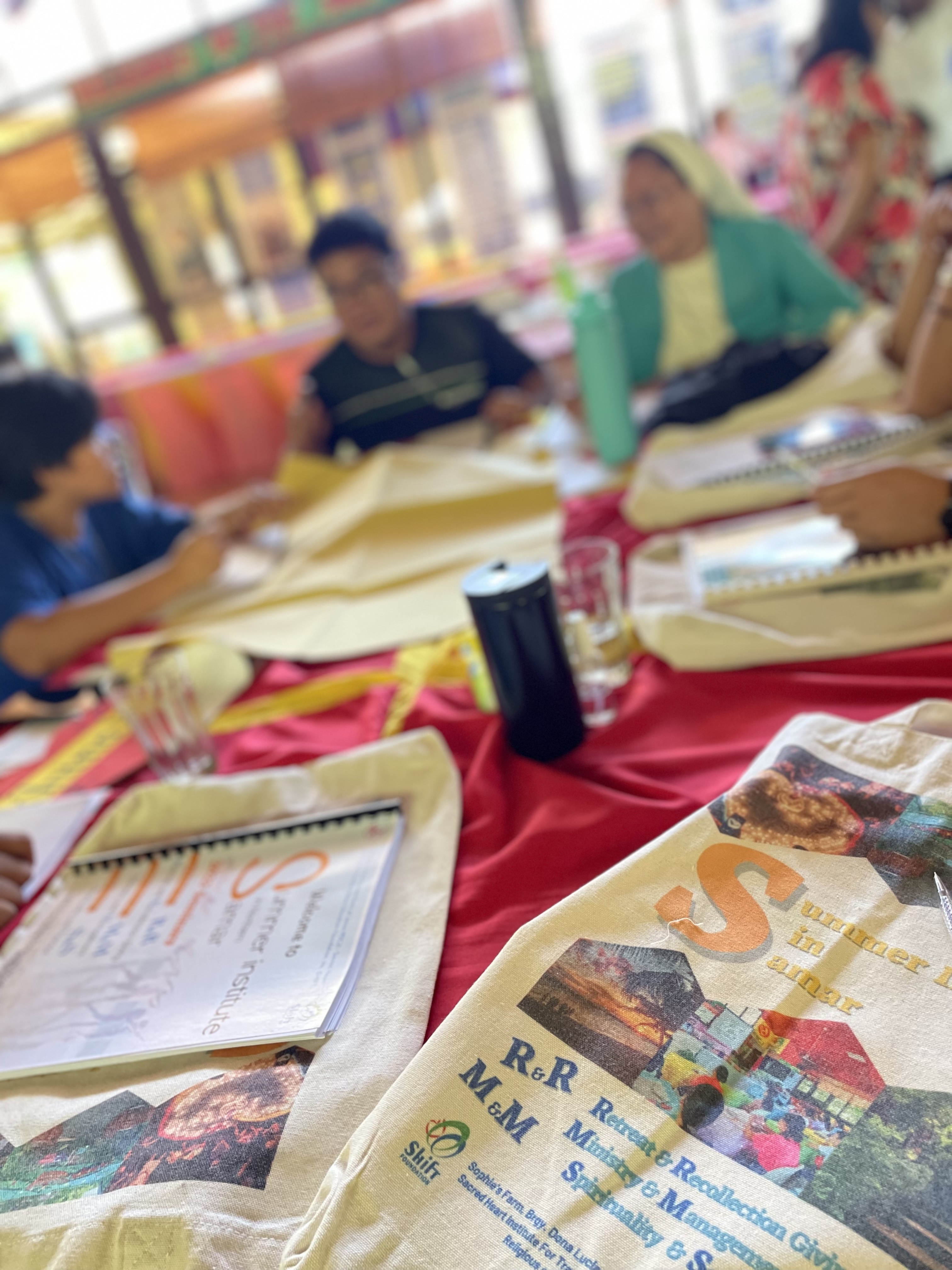
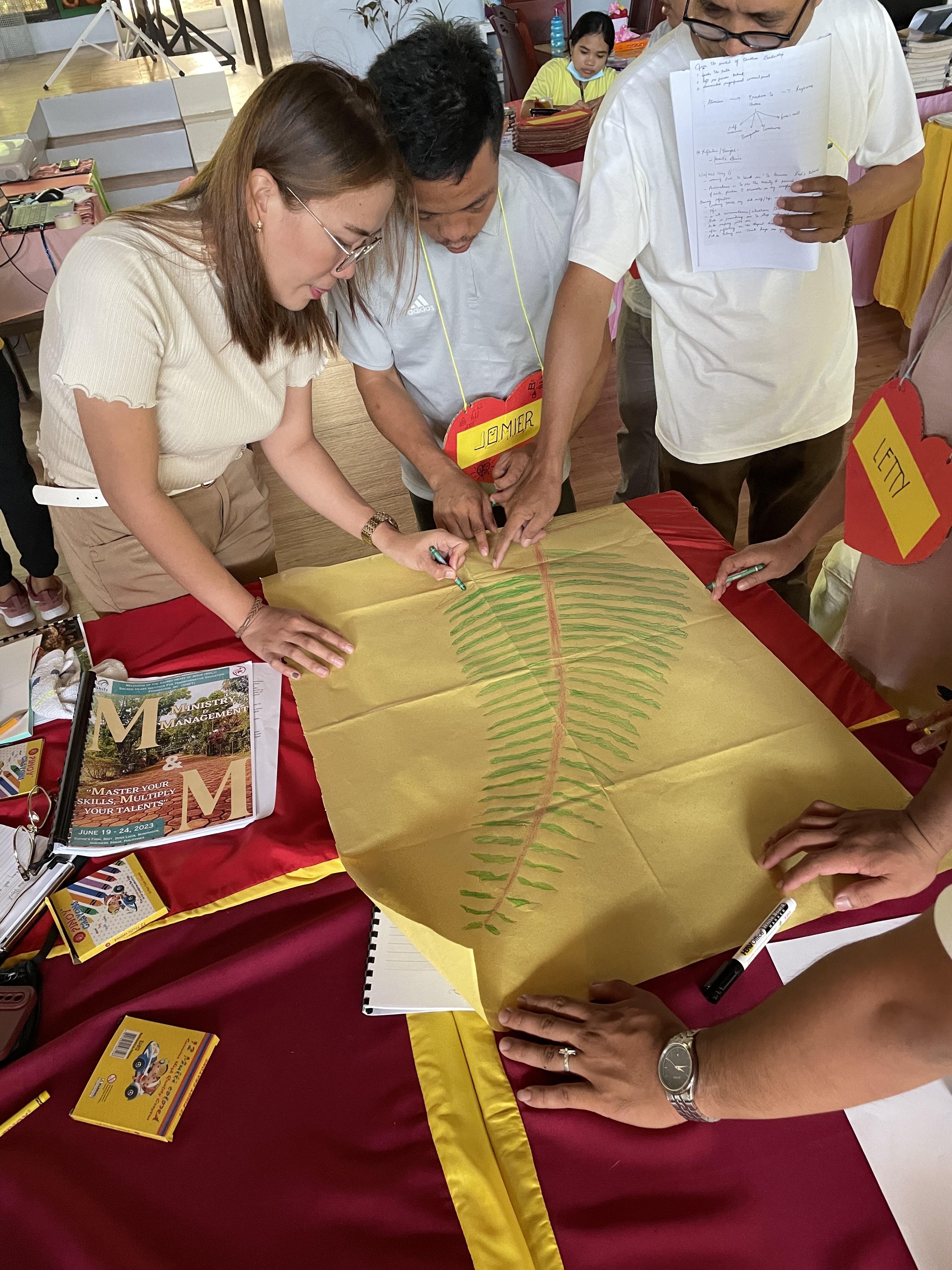
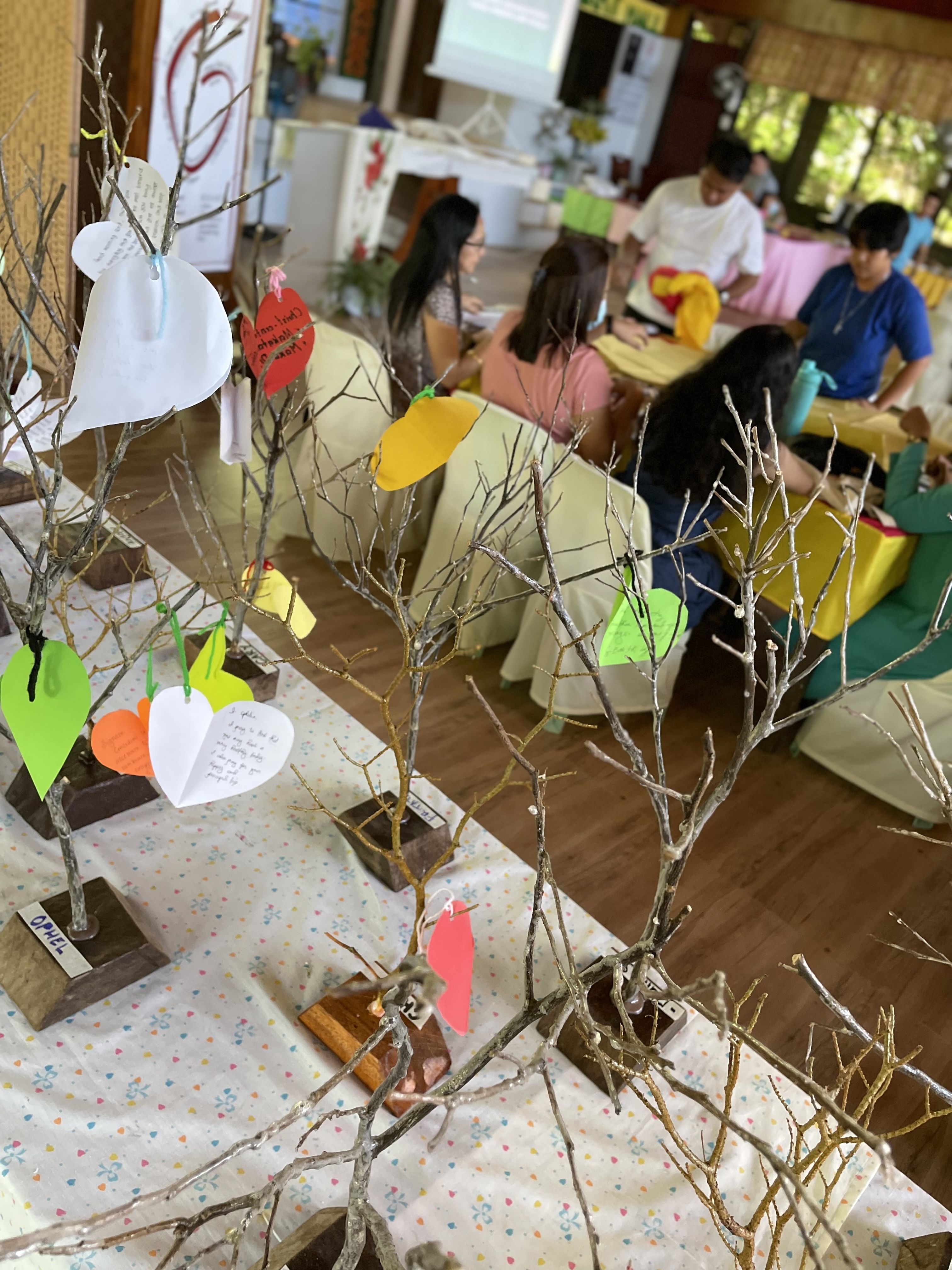
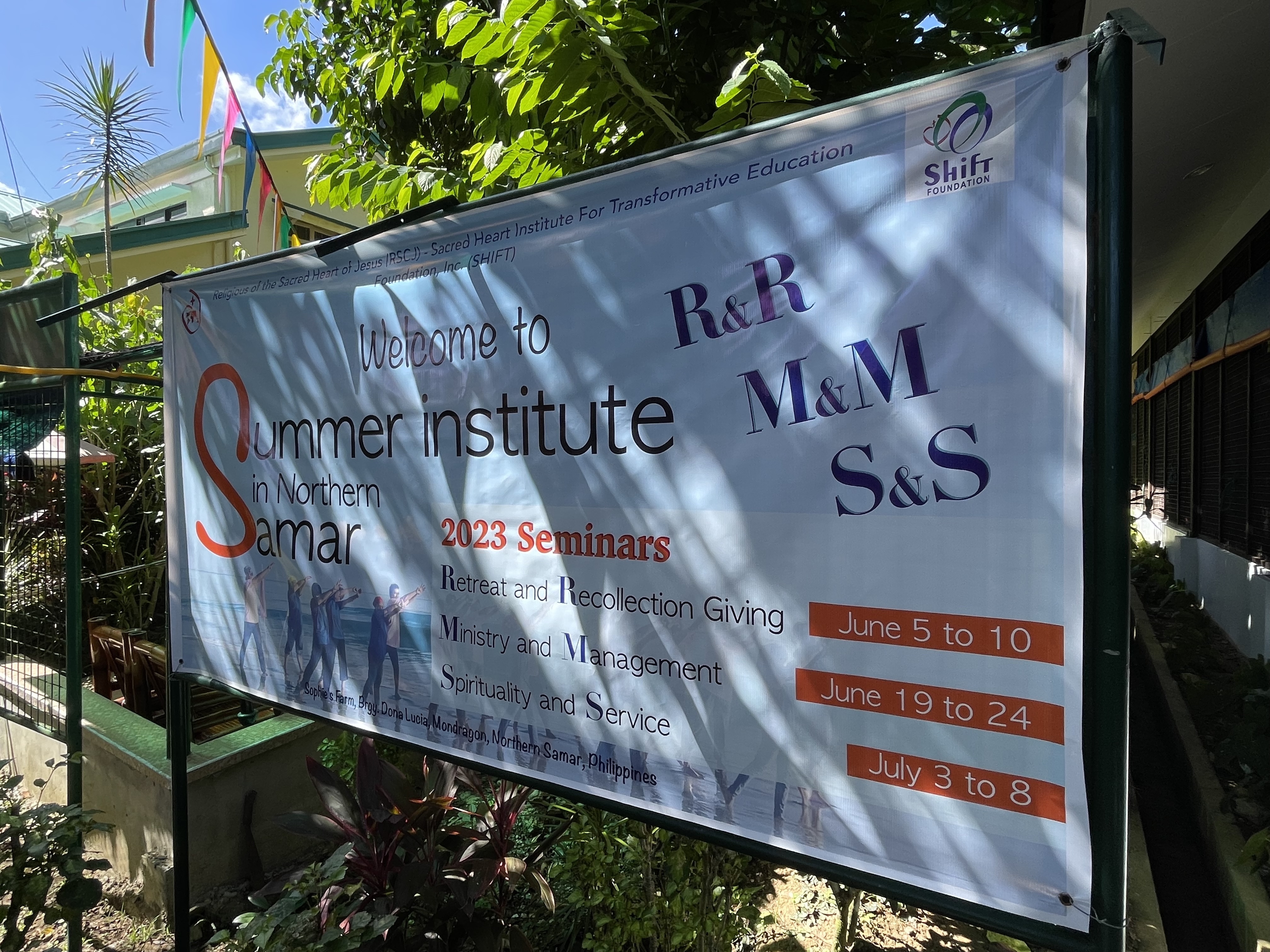
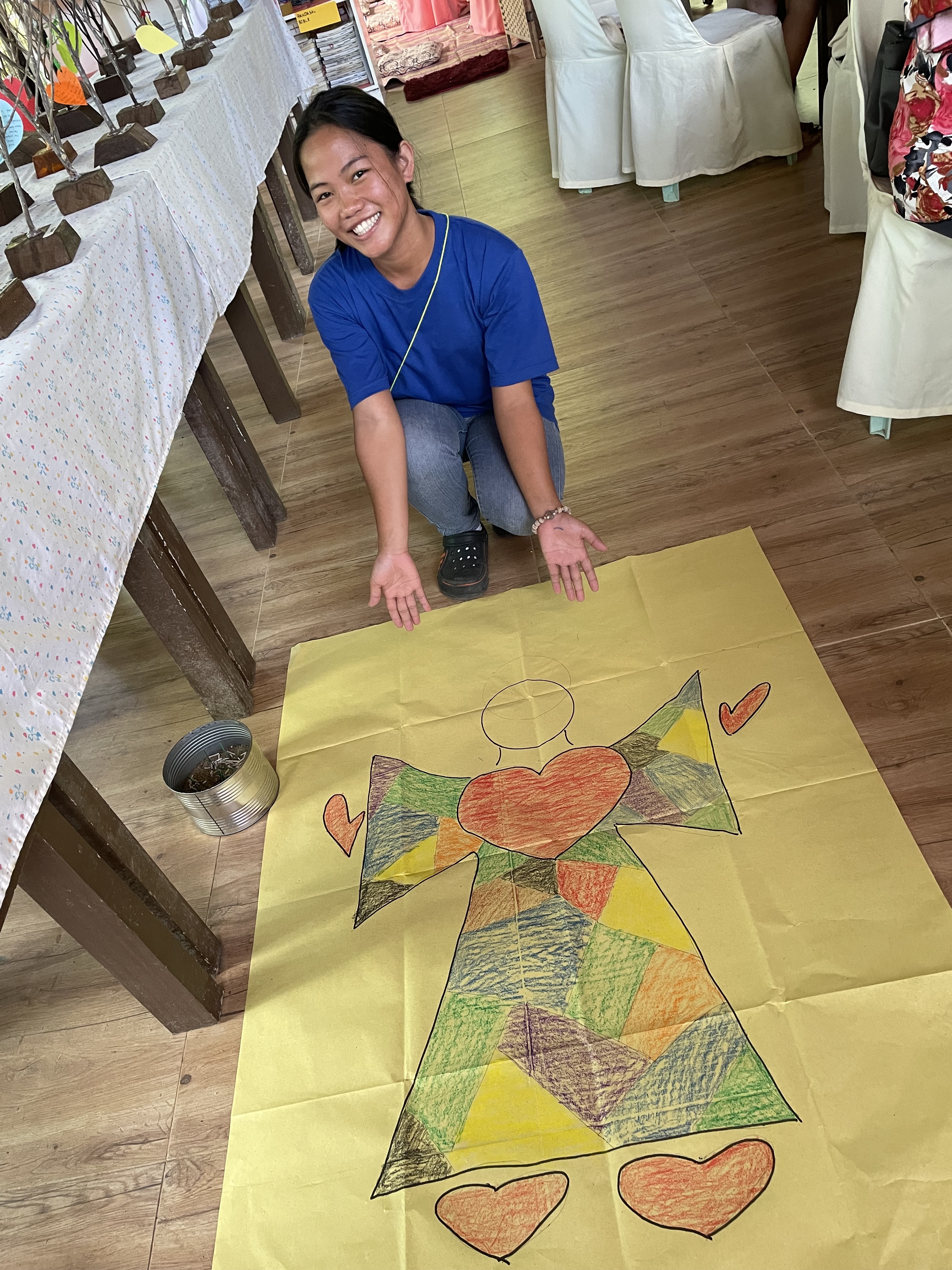

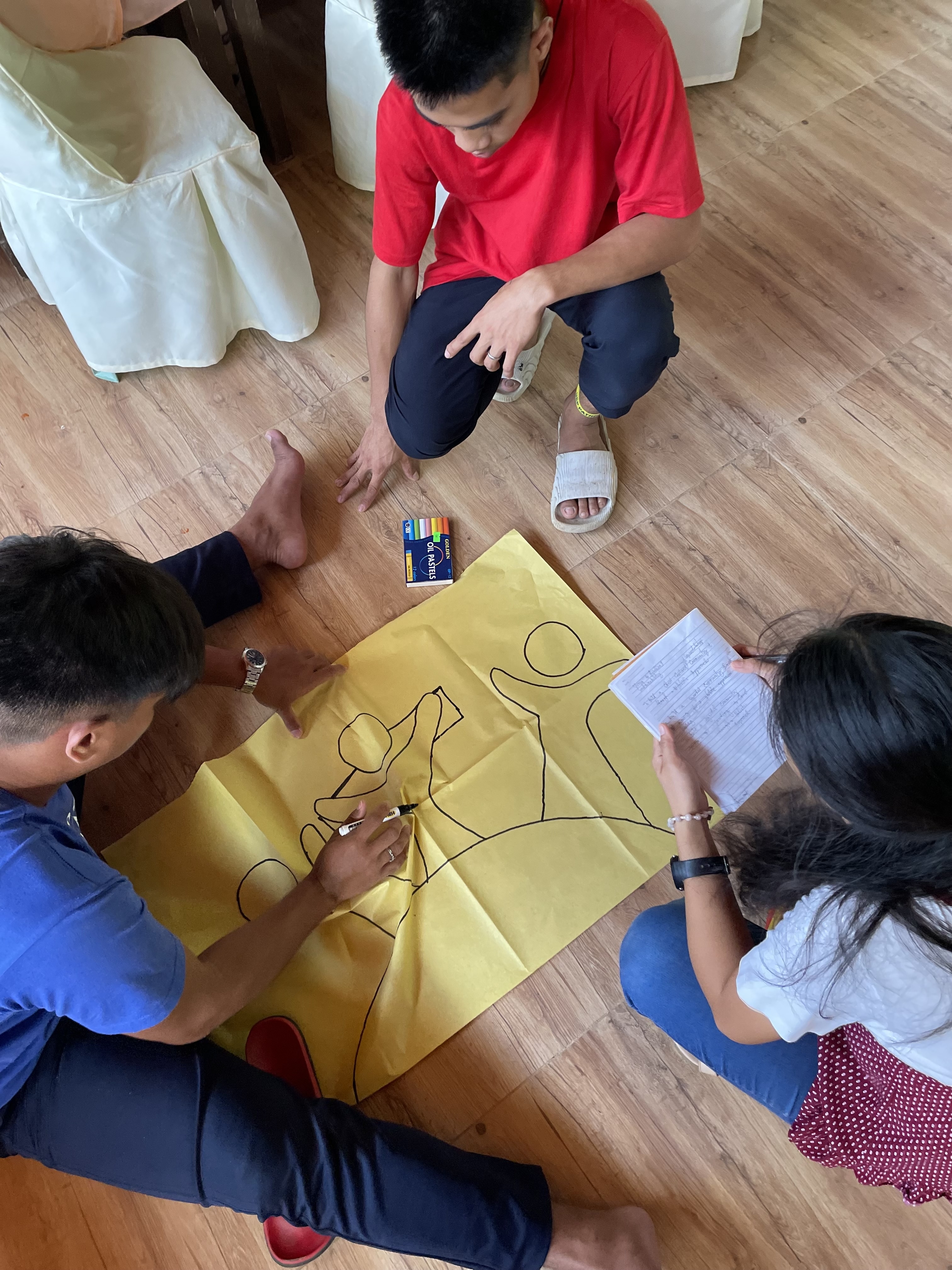
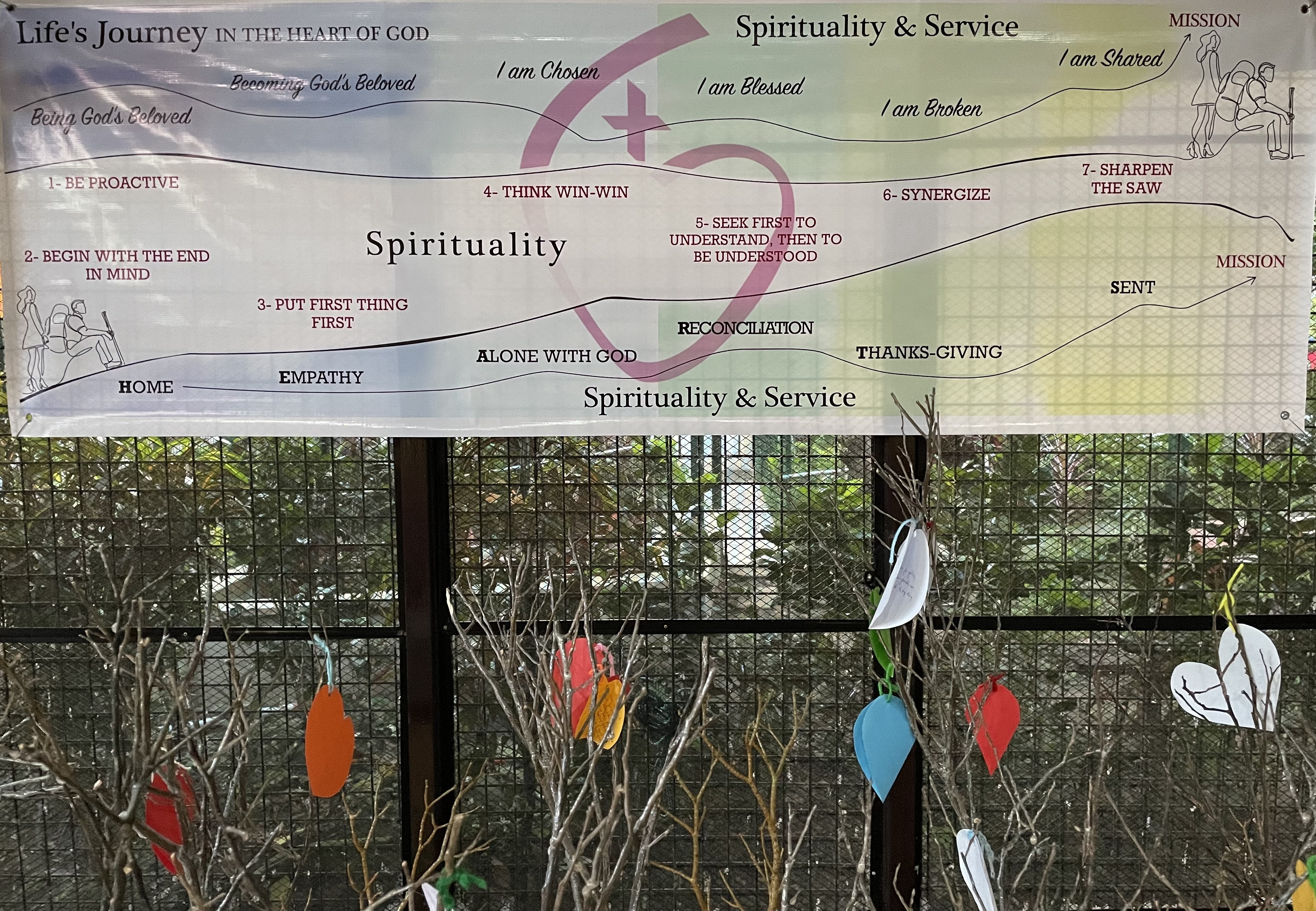
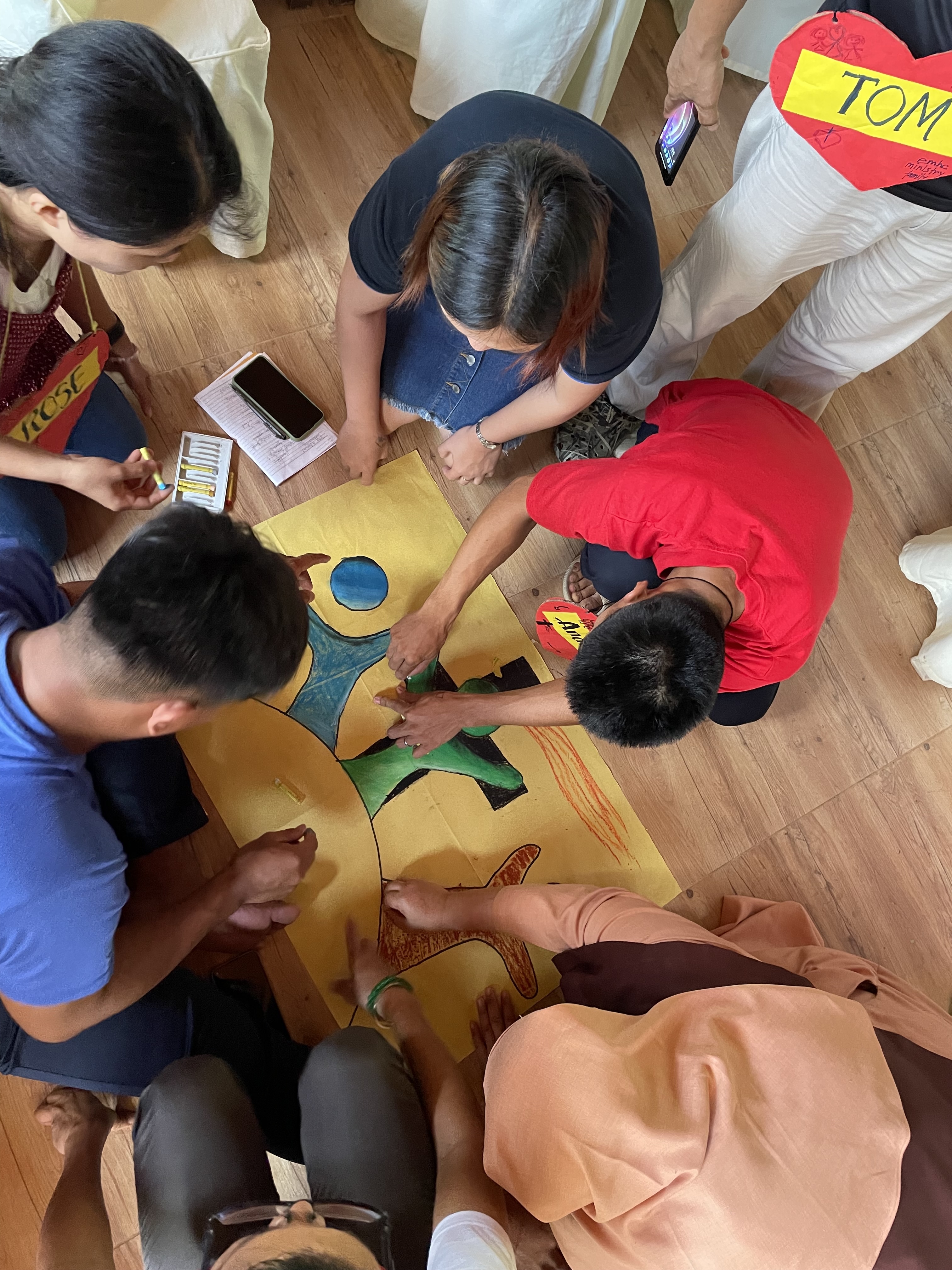
Photos by Dr. Michael Campos, Religion, Theology & Spirituality, Faculty
Sam Schelble (Boston College) concluded the day with a reflection on Christian leadership. Drawing on examples from the Gospel narratives, he highlighted the ways in which Jesus embodied autocratic, democratic, laissez-faire and servant leadership forms throughout his time of ministry. Participants were encouraged to consider an approach to leadership that is contextualized and attentive to the shifting needs of an organization.
To the extent that we were emerging out of a pandemic, observations considered how remote work whittled down traditional structures to basic forms of interaction. “Agency” and “initiative” took greater significance in moments where existing structures could no longer sustain the quotidian function of organizations. To this point, participants noted two tendencies in pandemic-era leadership: one that magnified existing structures of authority to protect the institution, and another that encouraged creative problem-solving approaches at the local level. I noted that in its self-critique during the Second Vatican Council (1962-1965), the Roman Catholic Church proposed an image of organizational leadership that emphasized the principle of “subsidiarity,” that is, local leadership and agency.

 Convent & Stuart Hall Travel