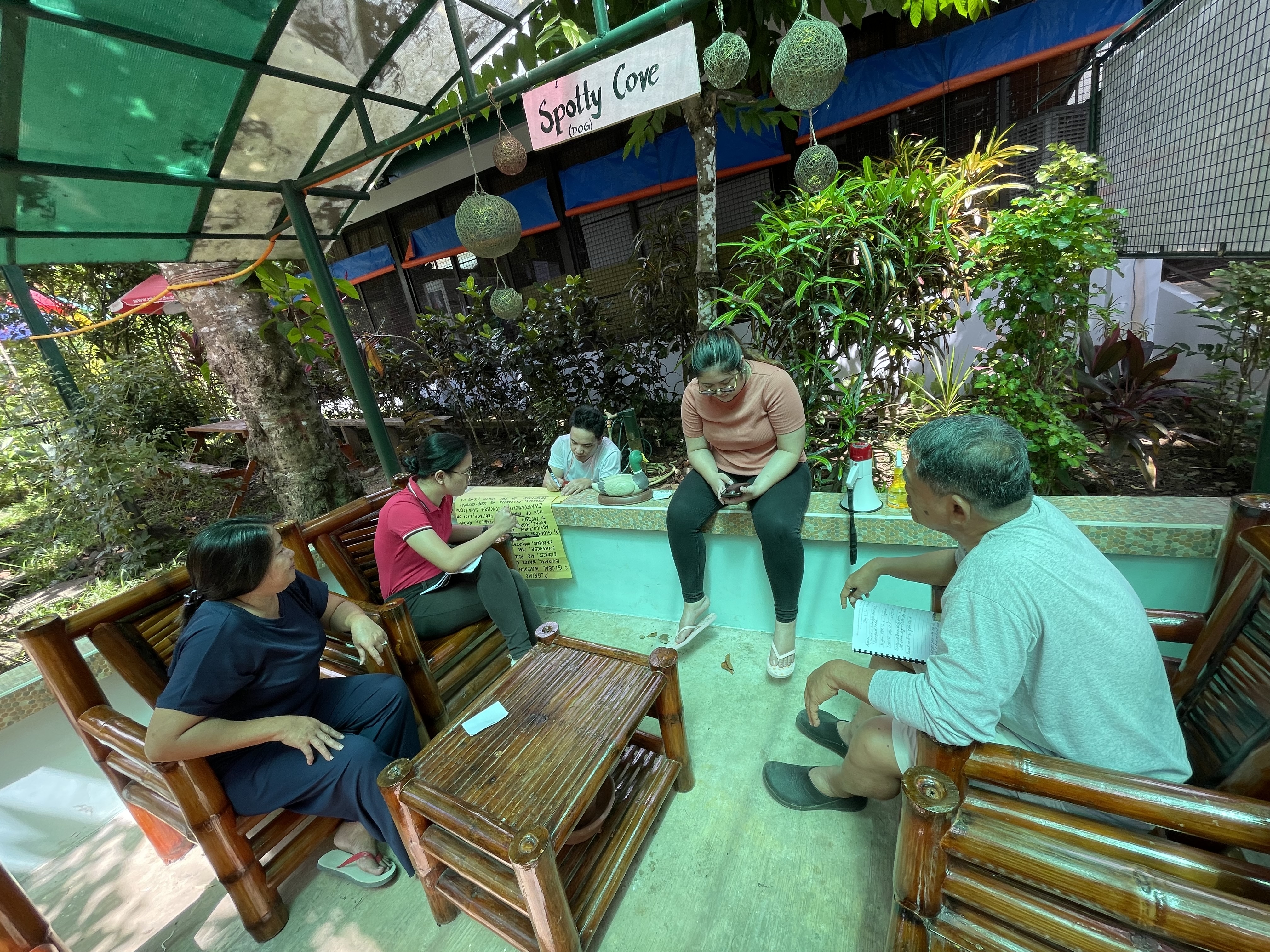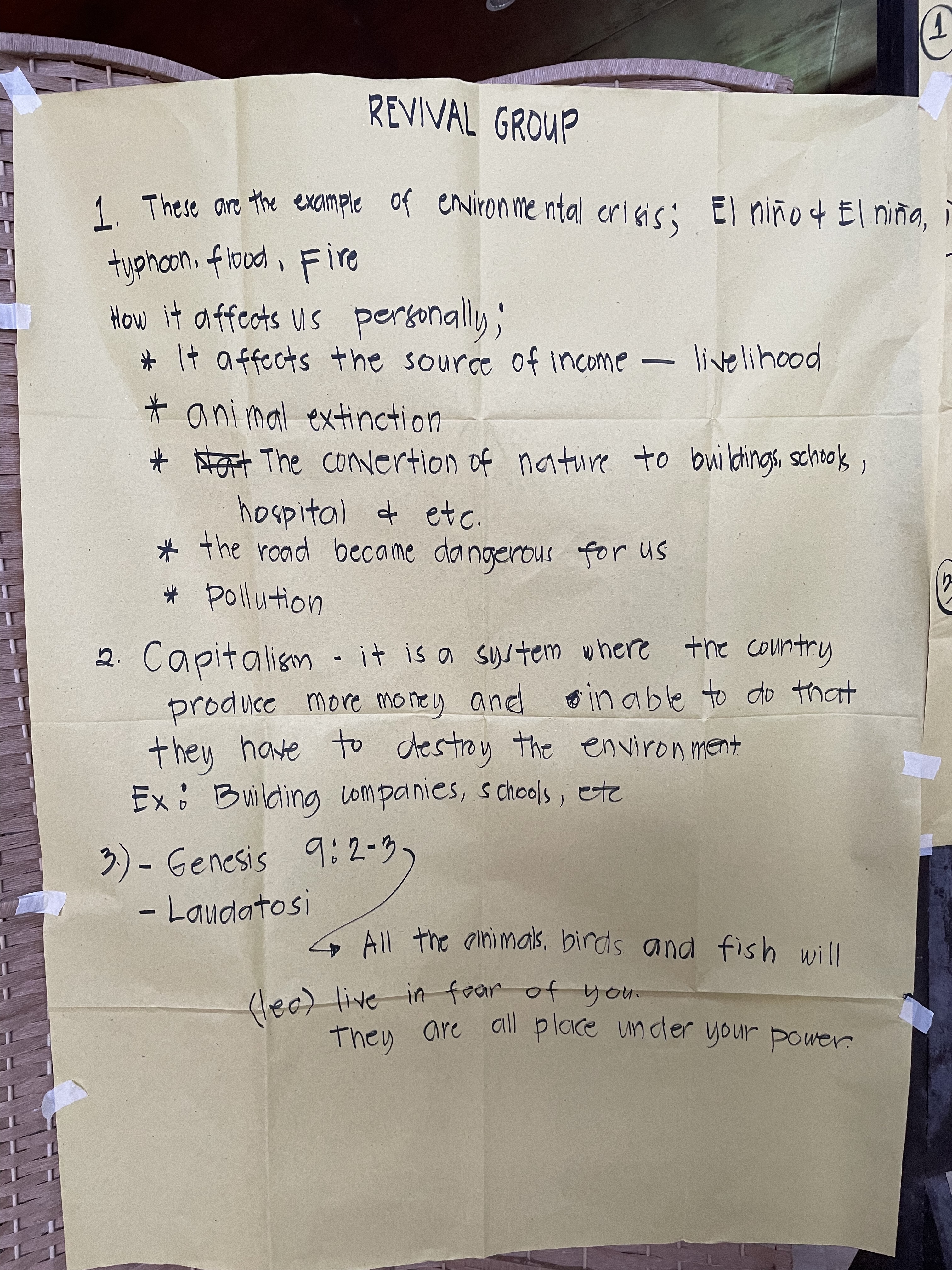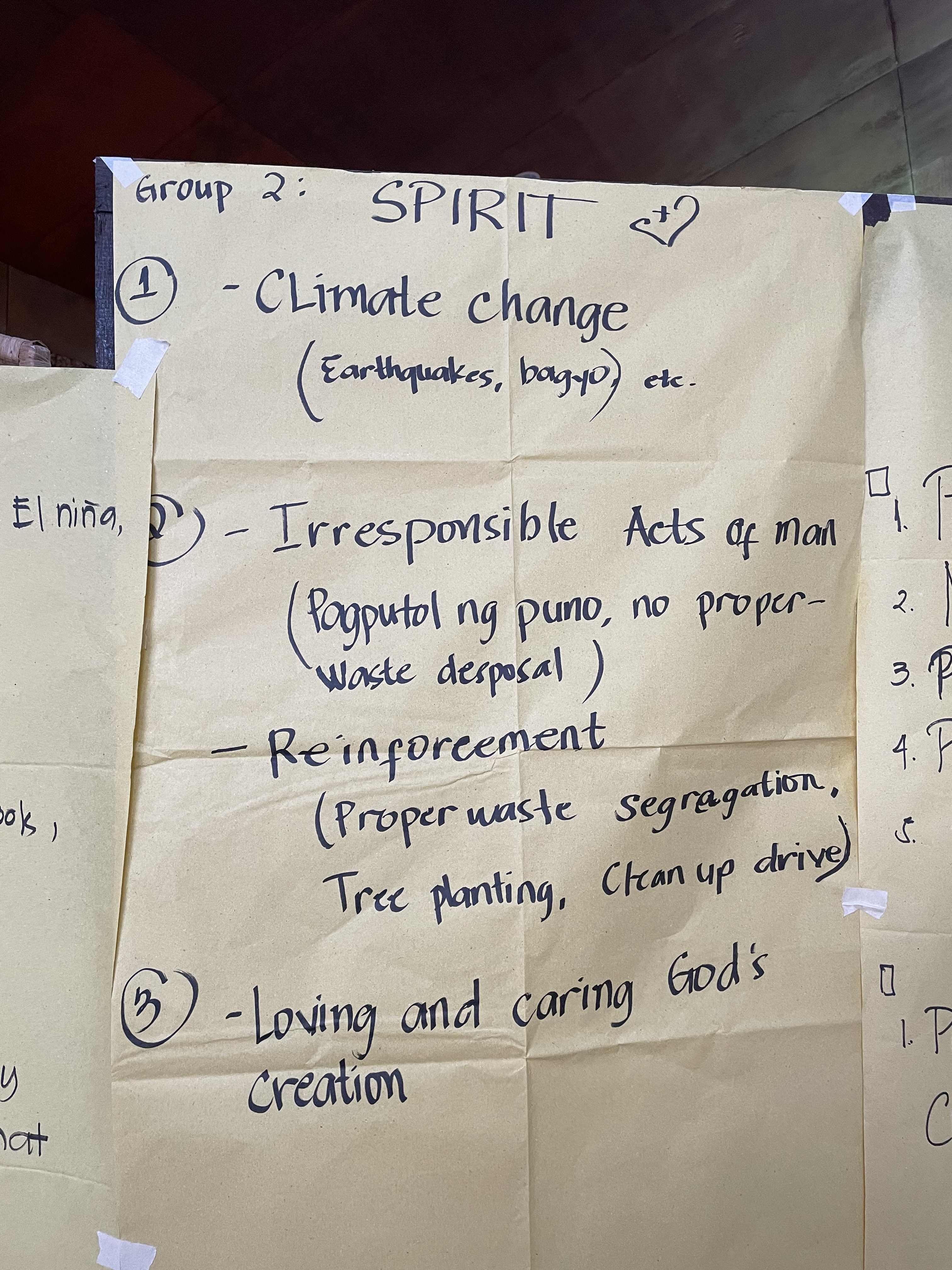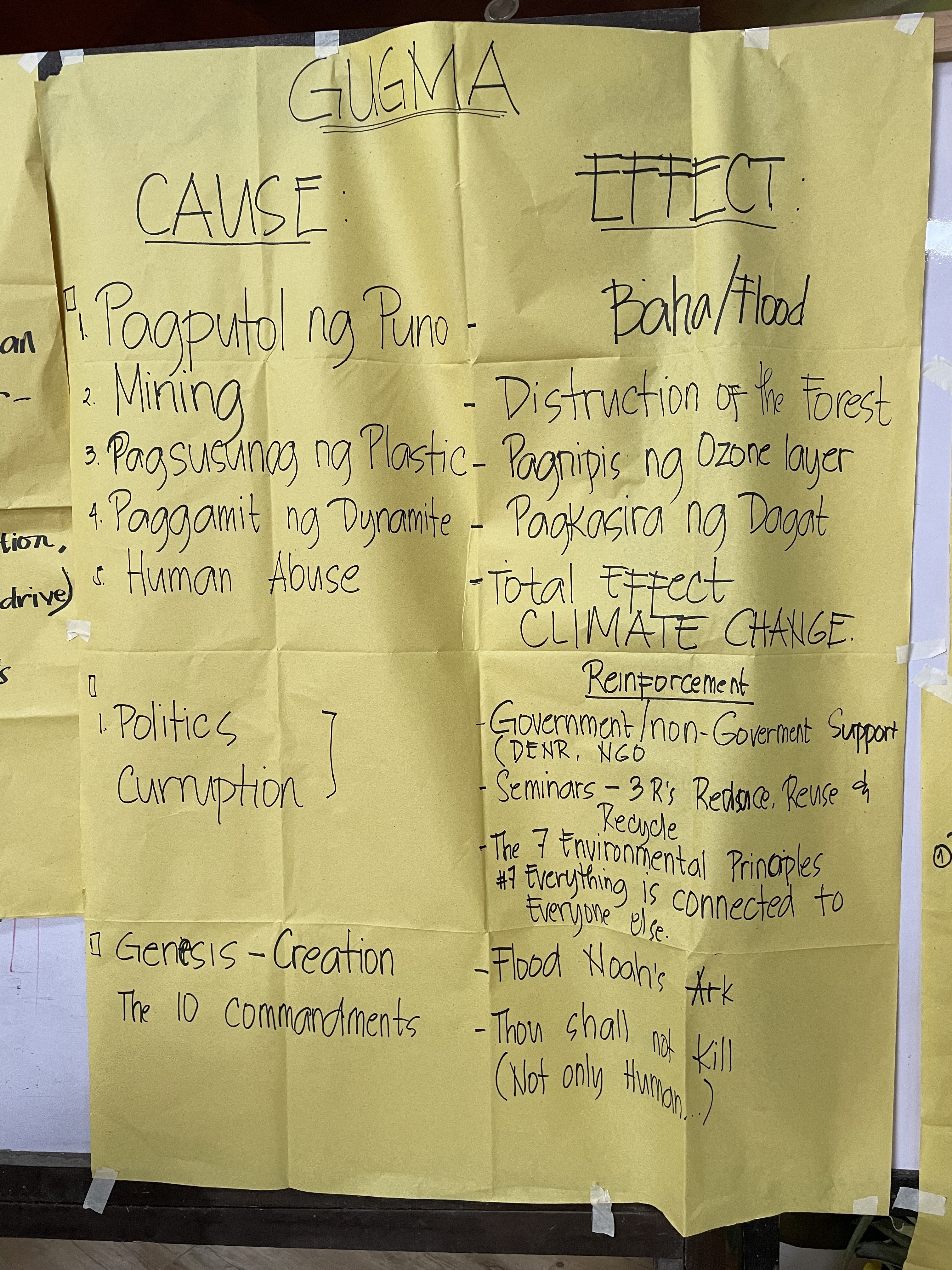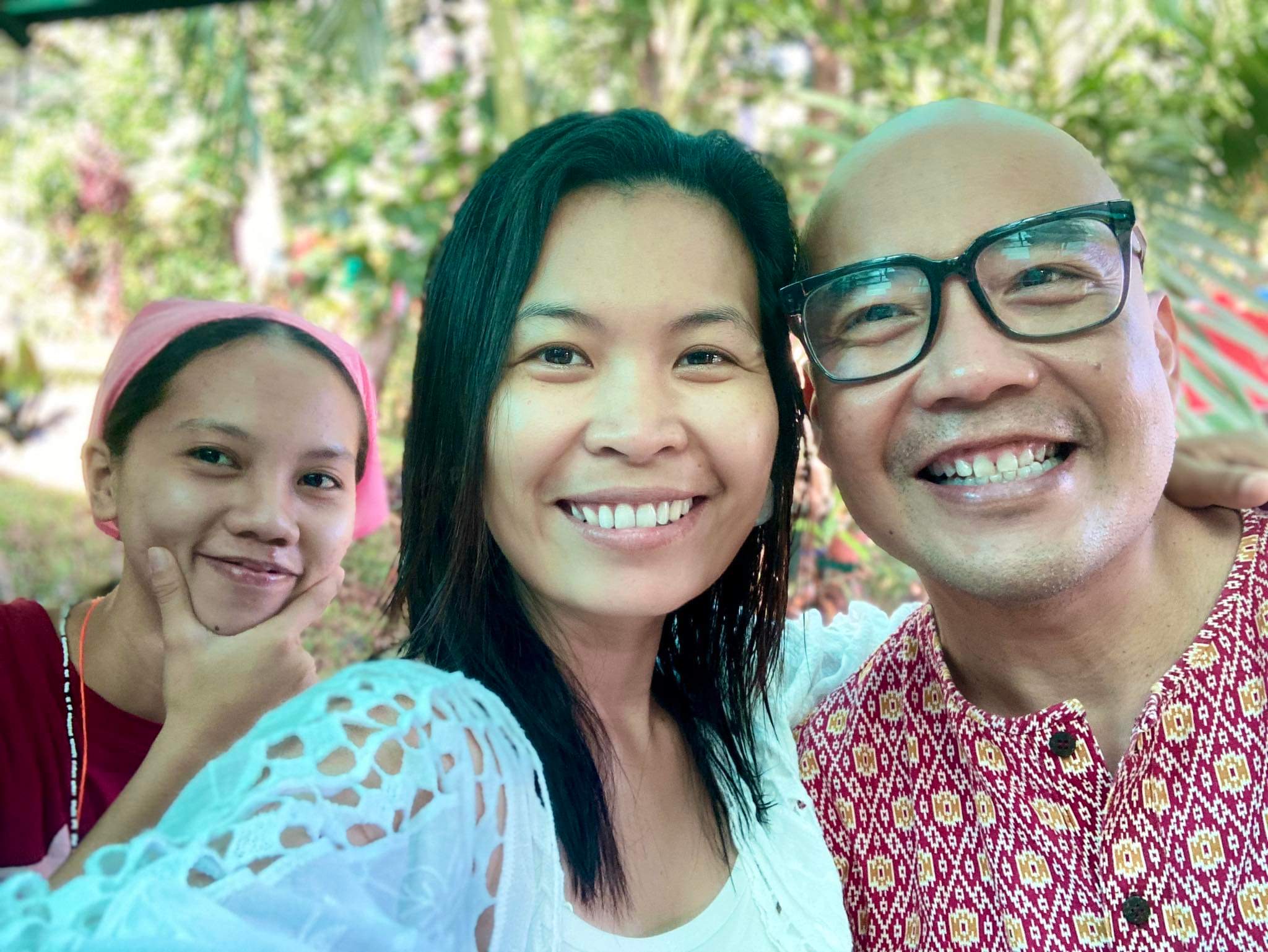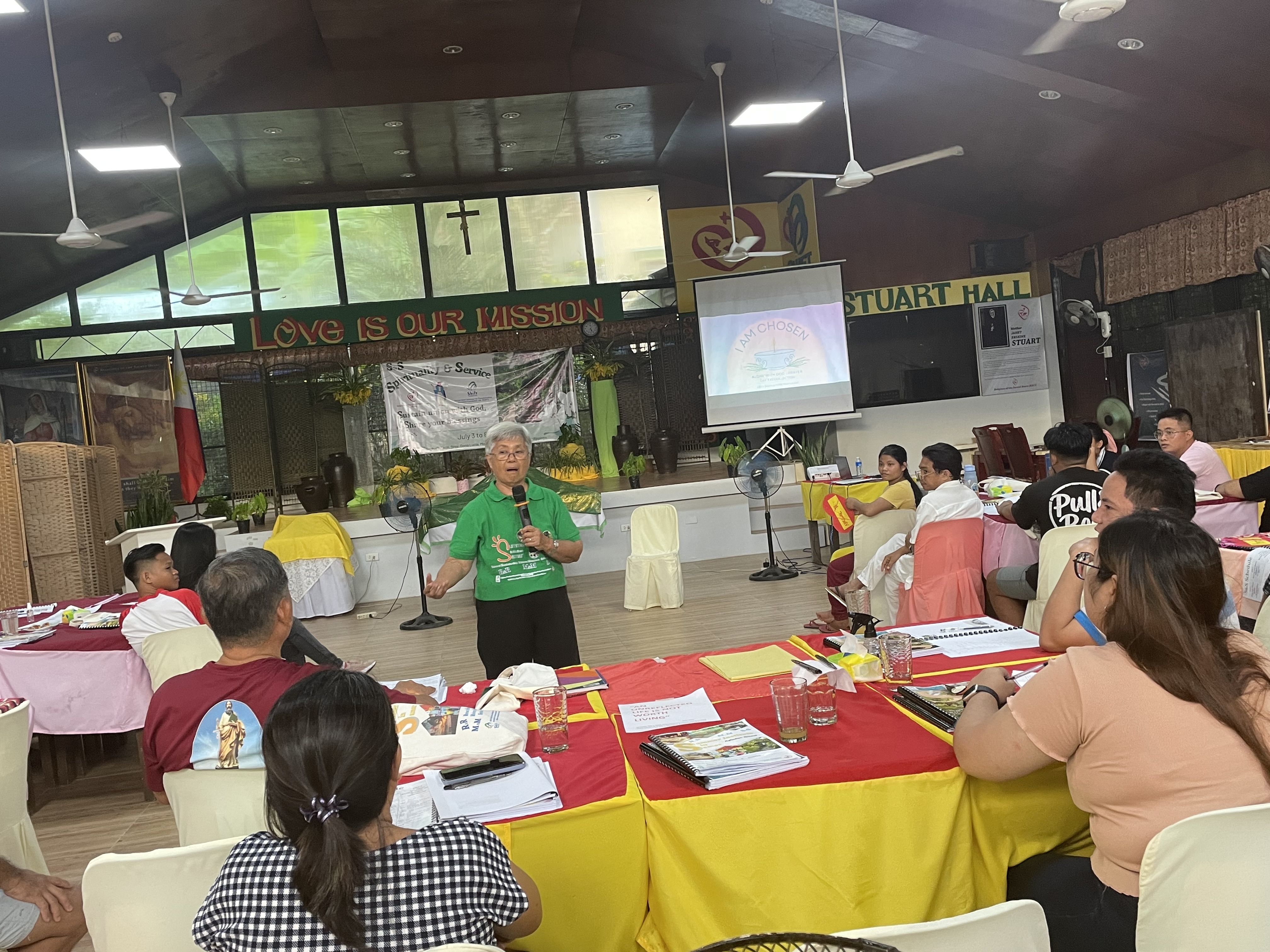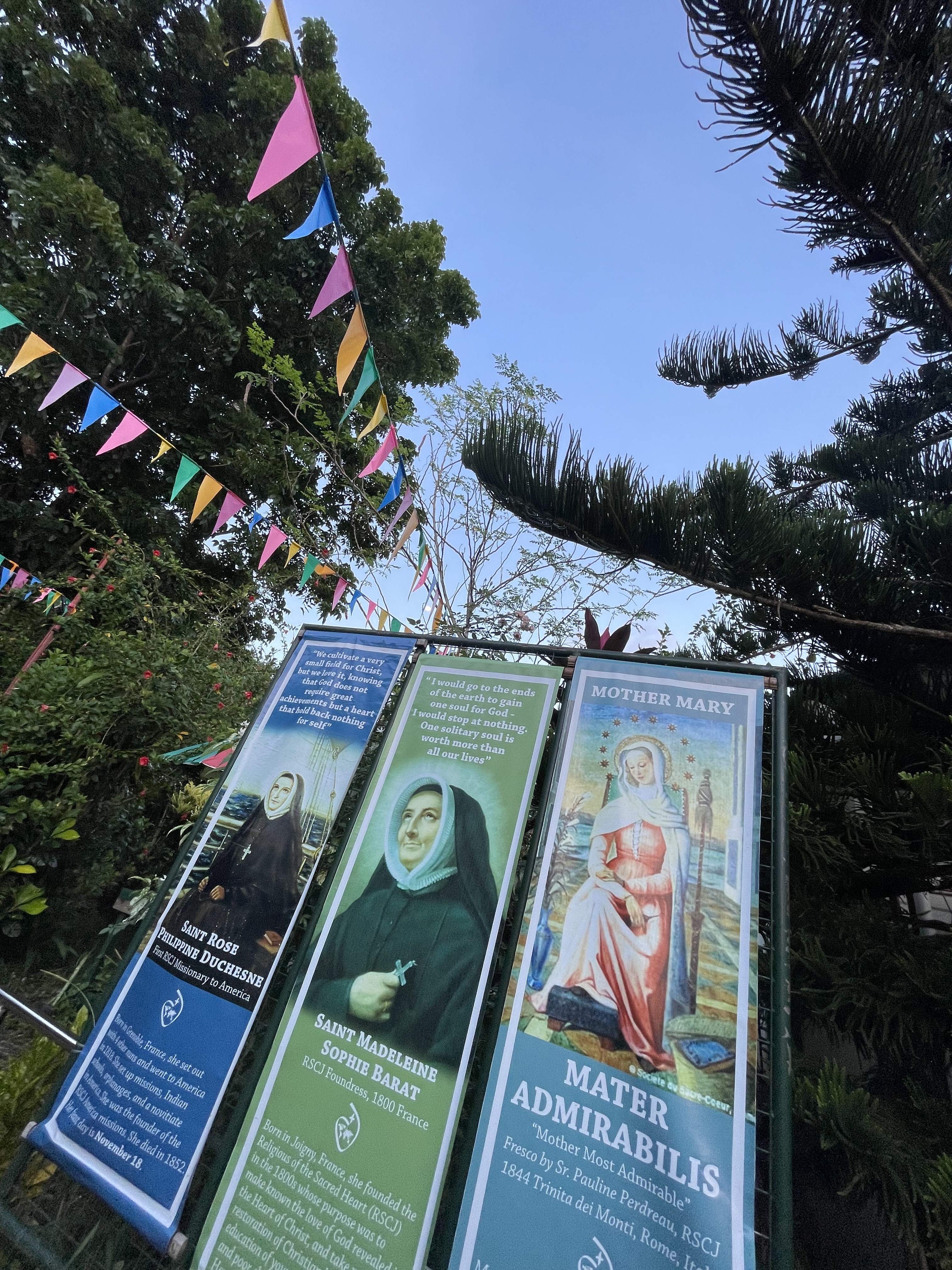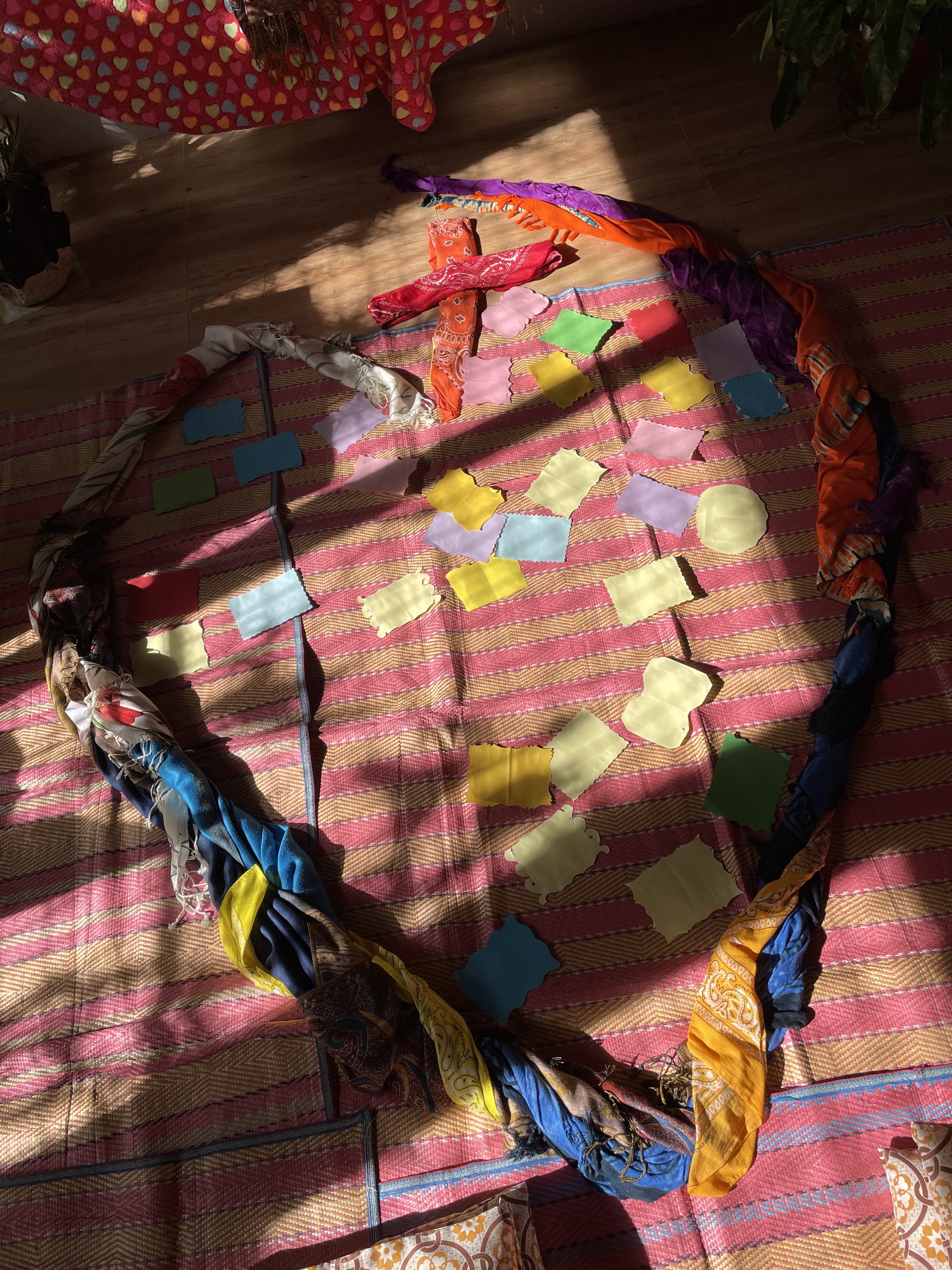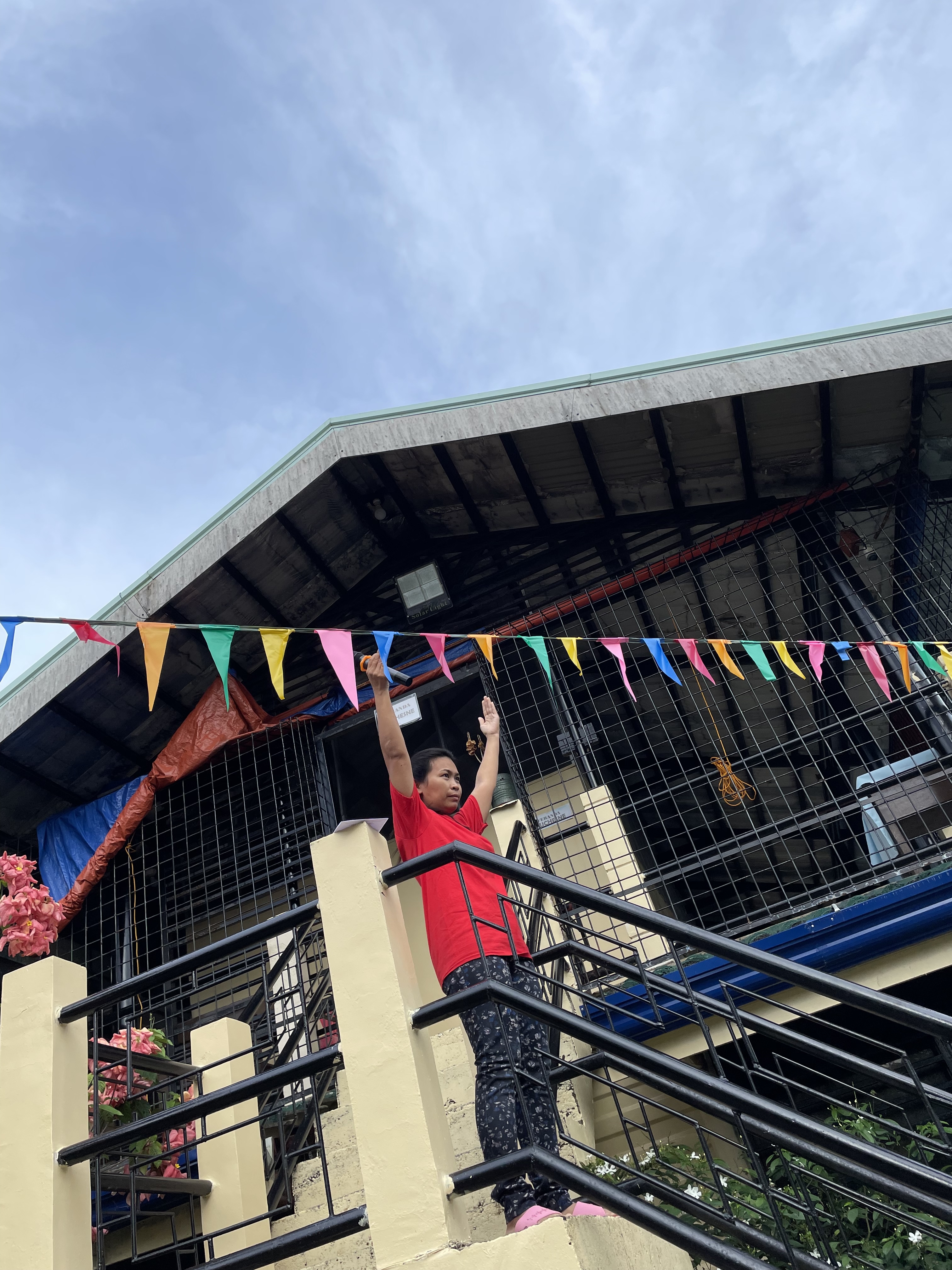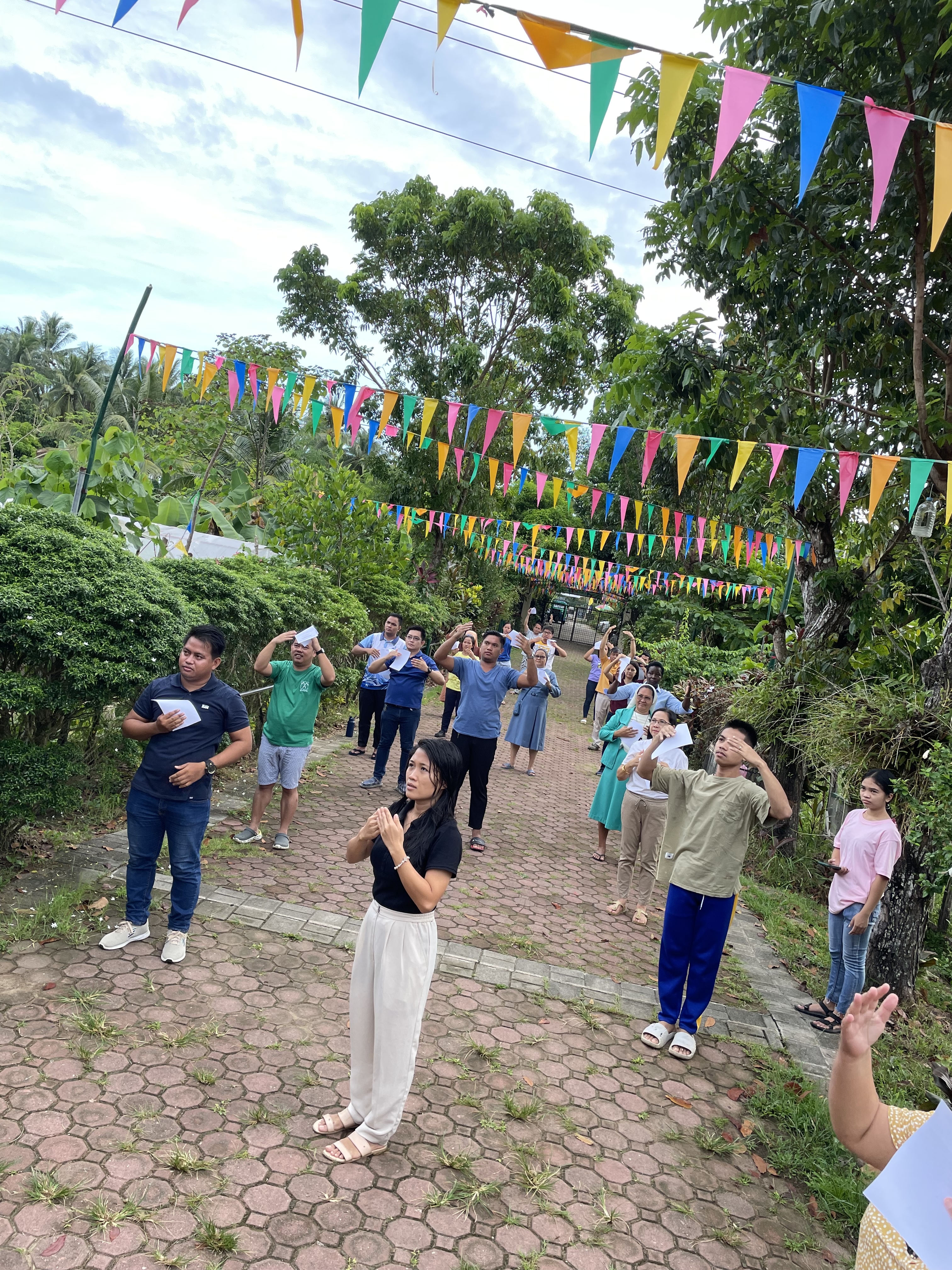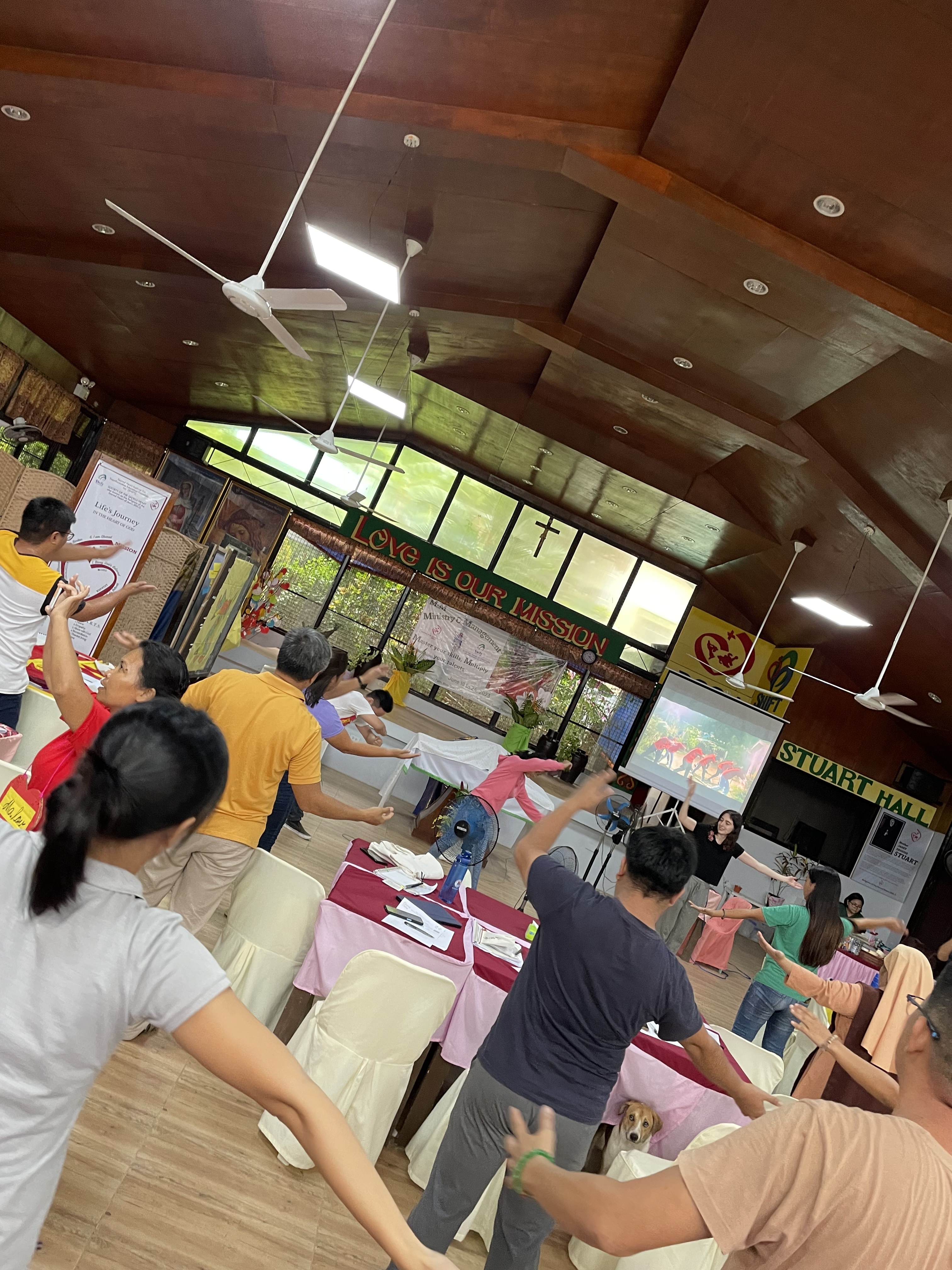
A Day at the Saint Madeleine Sophie Foundation and ASIANZ Novitiate House | Day 14

By Dr. Michael Campos, High School Religion, Theology and Spirituality Faculty

During the height of the pandemic, I met Sr. Bethanie Sulleza, RSCJ, through relief efforts she led to support communities devastated by supertyphoons. She was the second Filipina RSCJ I’ve ever encountered (the first being the late Sr. Sol Navidad, who had spent a sabbatical year at the Graduate Theological Union, in Berkeley). At the time, Sr. Beth served as President of the Saint Madeleine Sophie Foundation (SMSF) in Montalban, Rizal, just outside Manila.

This initial contact resulted in a collaboration between Convent & Stuart Hall’s service program and SMSF’s work with local youths. Due to the shutdown of schools, children in Montalban found themselves home-bound, with limited access to educational resources. SMSF reconfigured existing programming to provide each family with “home libraries,” reading kits, and access to limited internet. In addition, staff and teachers guided parents in creating learning spaces for their children at home. It soon became clear that literacy levels plummeted during the lockdown (and perhaps had already been doing so in recent years). This compelled SMSF to focus on programs that cultivated grade-appropriate reading and writing skills.

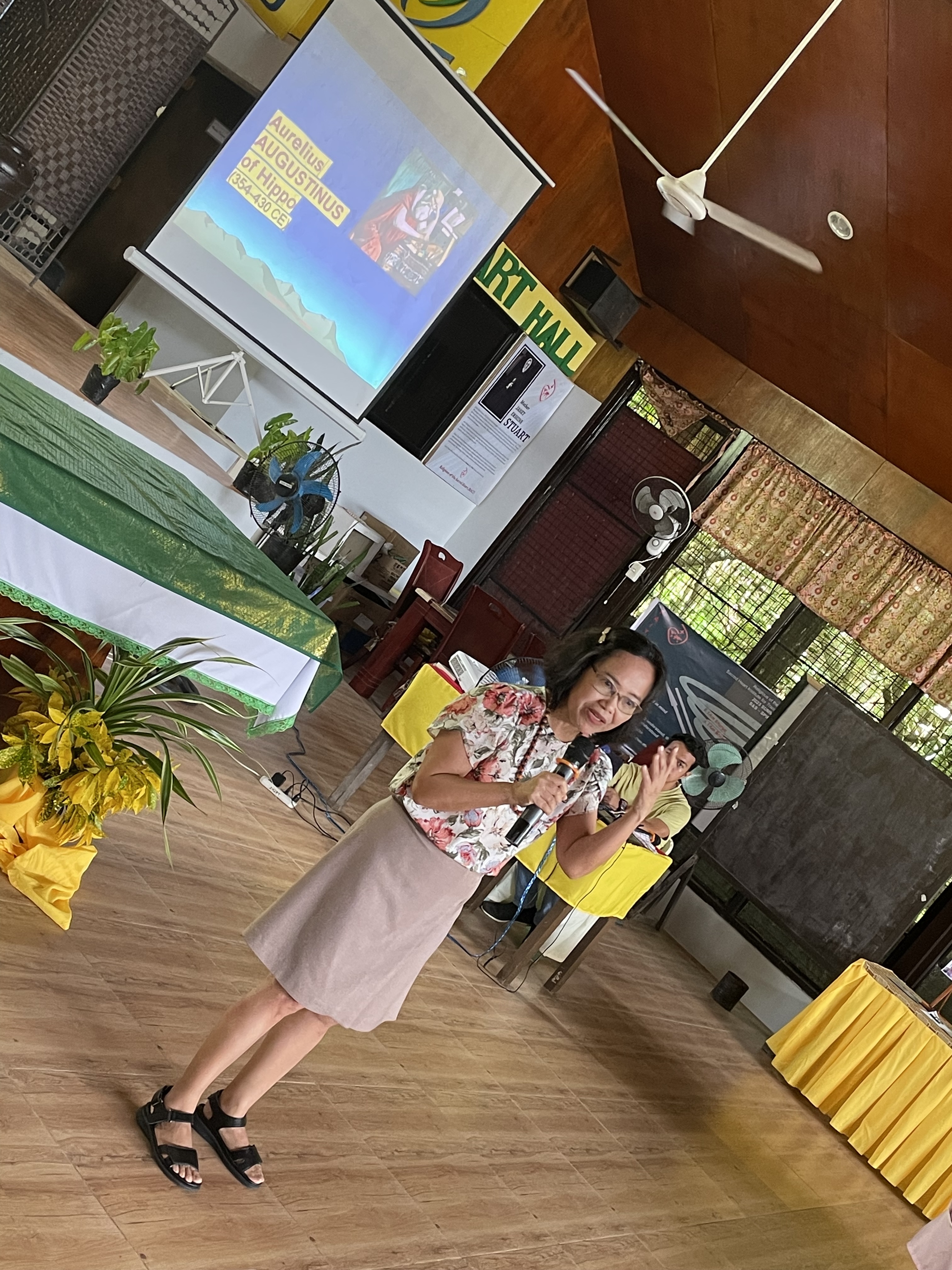
While the pandemic limited in-person learning, it opened opportunities for online tutorial support. SMSF recruited volunteers from Sacred Heart schools in Japan and, locally, through De La Salle University (where I taught at the time). After an initial consultation with Sr. Beth, I proposed a similar arrangement with Convent & Stuart Hall. Soon, fourteen students signed up under the leadership of Shana Ong ’22 and Sage Gould ’22, supported by Community Life Chair Mike Buckley. While deepening English and math skills offered structure to the tutorials, the opportunity to share cultures, practice conversational English and find common ground were the real fruits of the program. Now in its second year, Convent & Stuart Hall and SMSF continue to explore ways to connect students in a shared spirit of “revealing God’s love” on both sides of the vast Pacific. 

Photos by Dr. Michael Campos, Religion, Theology & Spirituality, Faculty

Visit at SMSF and ASIANZ

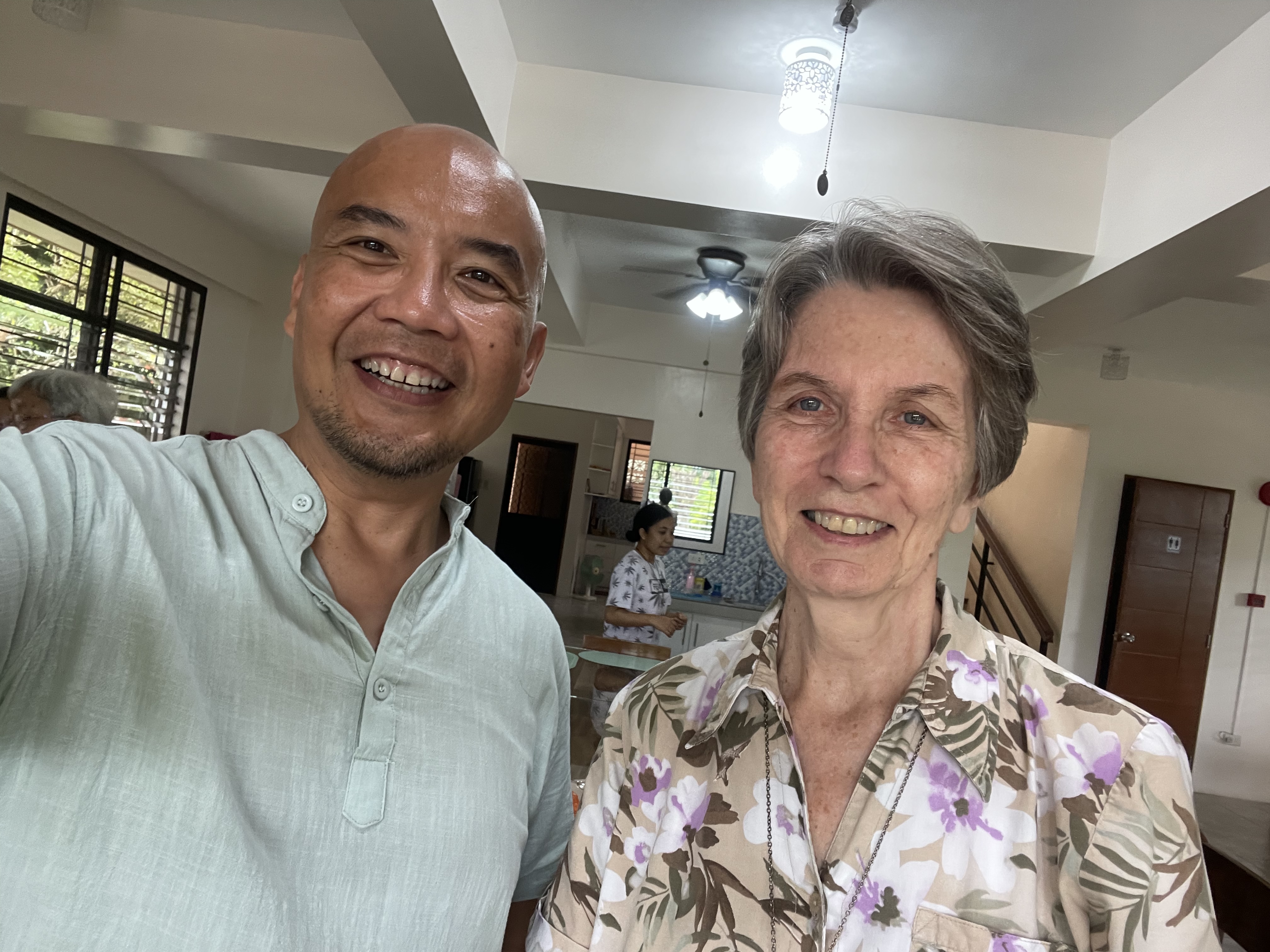
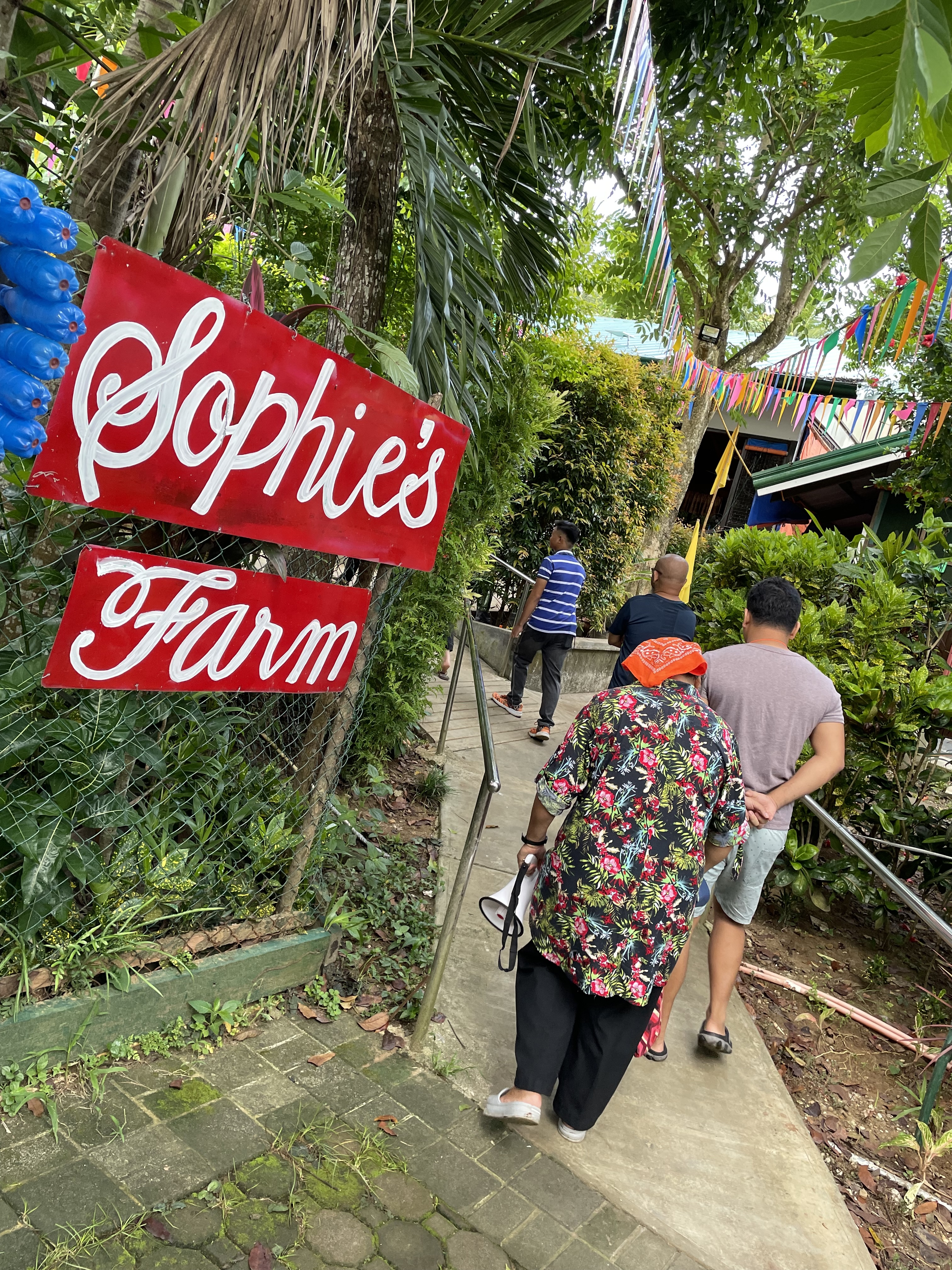
At the invitation of Sr. Beth, I joined Sr. Digna Dacanay, RSCJ, on a visit to SMSF. Montalban (now called Rodriguez) used to be a remote hamlet in the mountains of Rizal. As a high school student, I remember this town being especially popular for campers and outdoor enthusiasts.

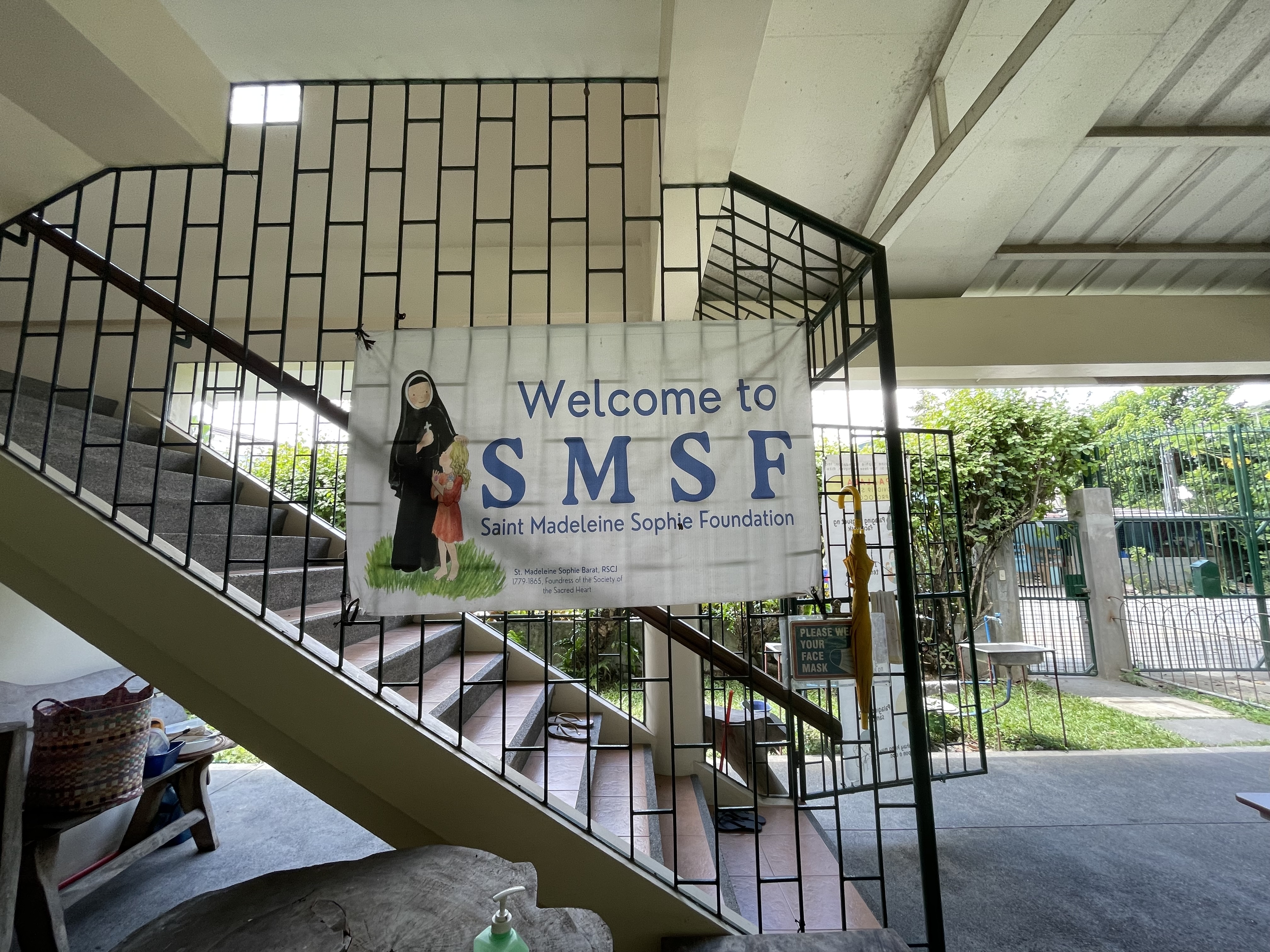
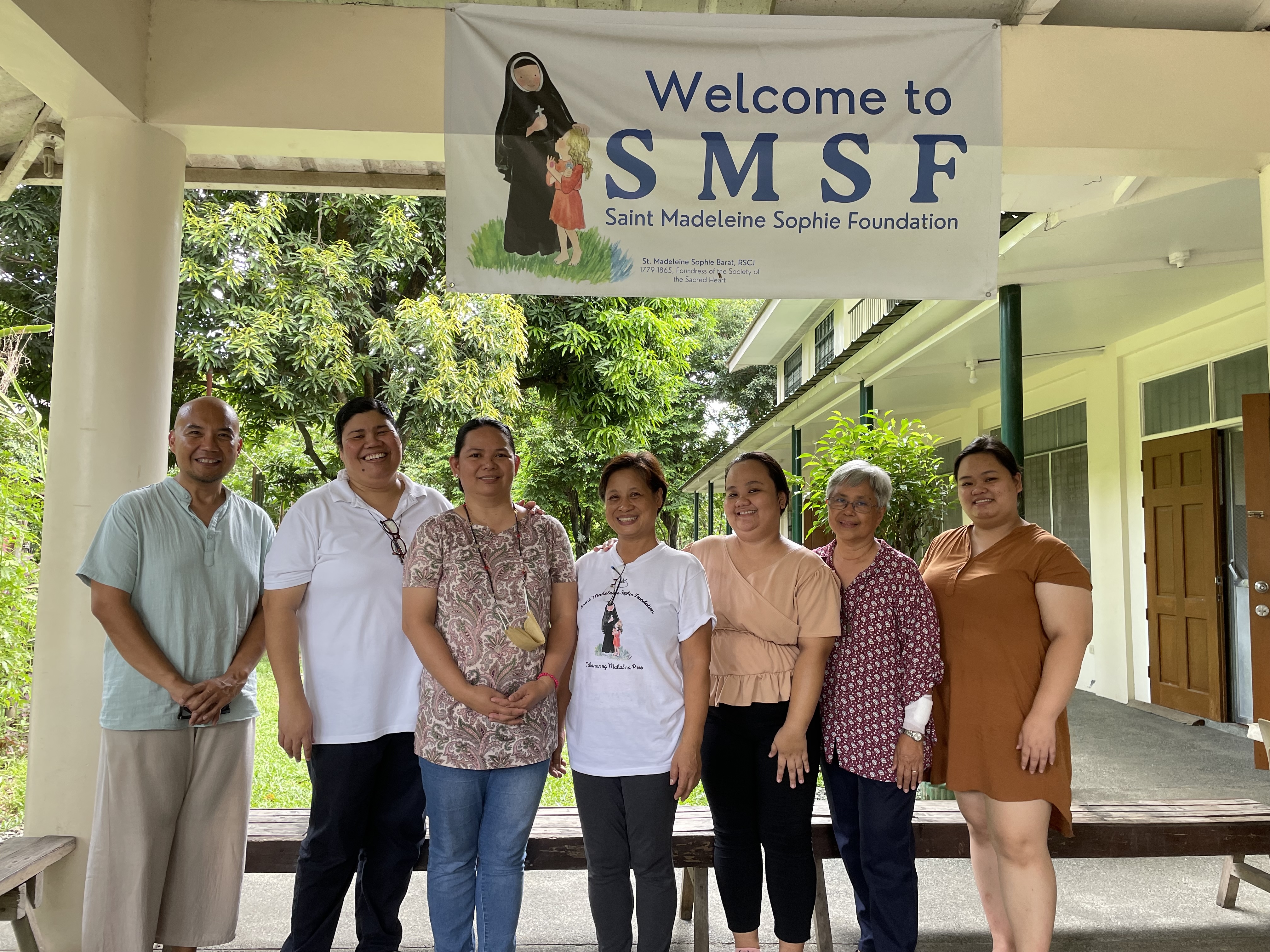
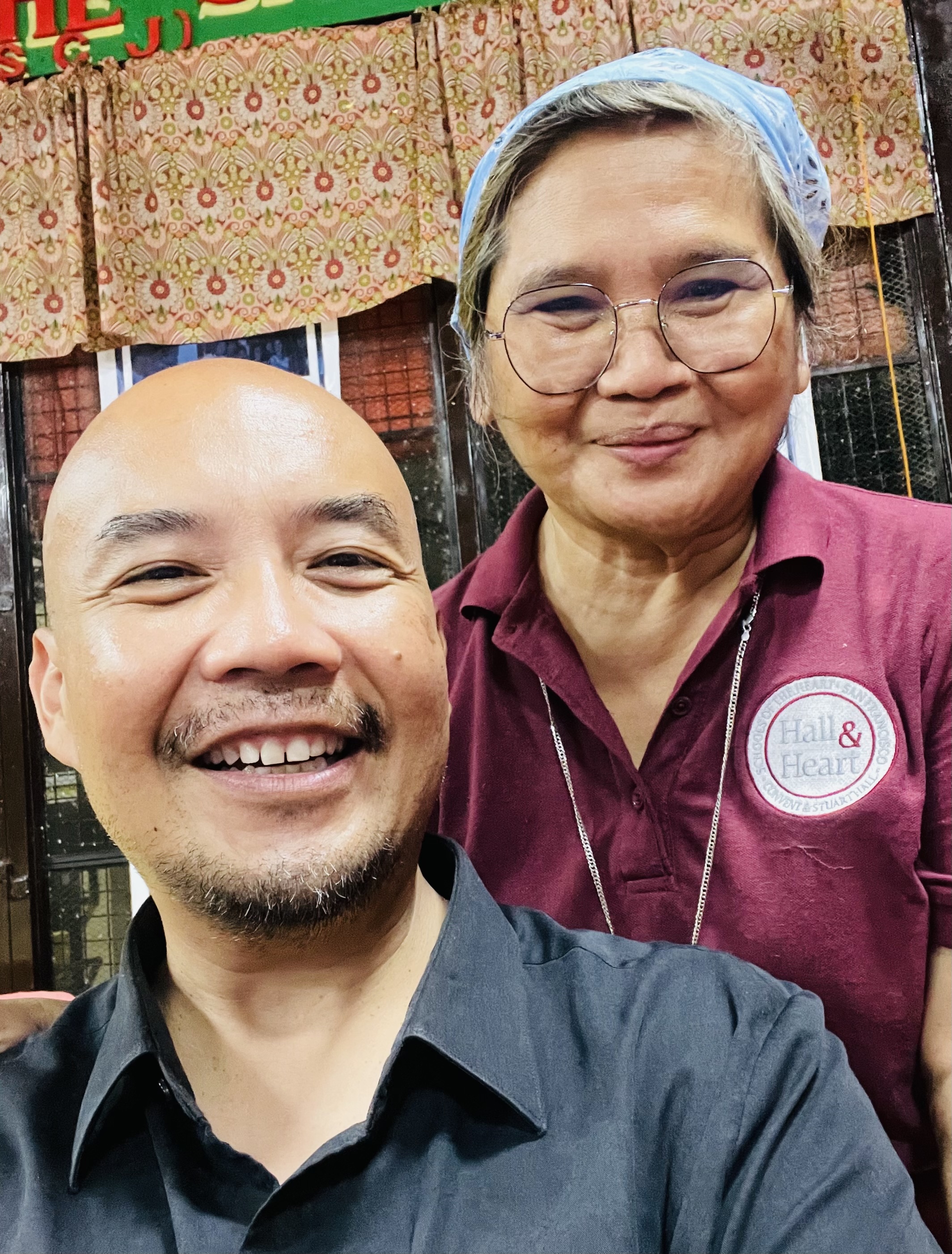
The drive from Quezon City — where the RSCJs maintain a Center — to Montalban took less than an hour. But in the more than 30 years since my last visit, Montalban had drastically transformed into a suburban enclave prone to traffic and the proliferation of small stores encroaching on all-too-narrow sidewalks. We quickly found SMSF on a quiet street and were welcomed by Sr. Beth and Lizette Paas, program coordinator for the online tutorial program. 

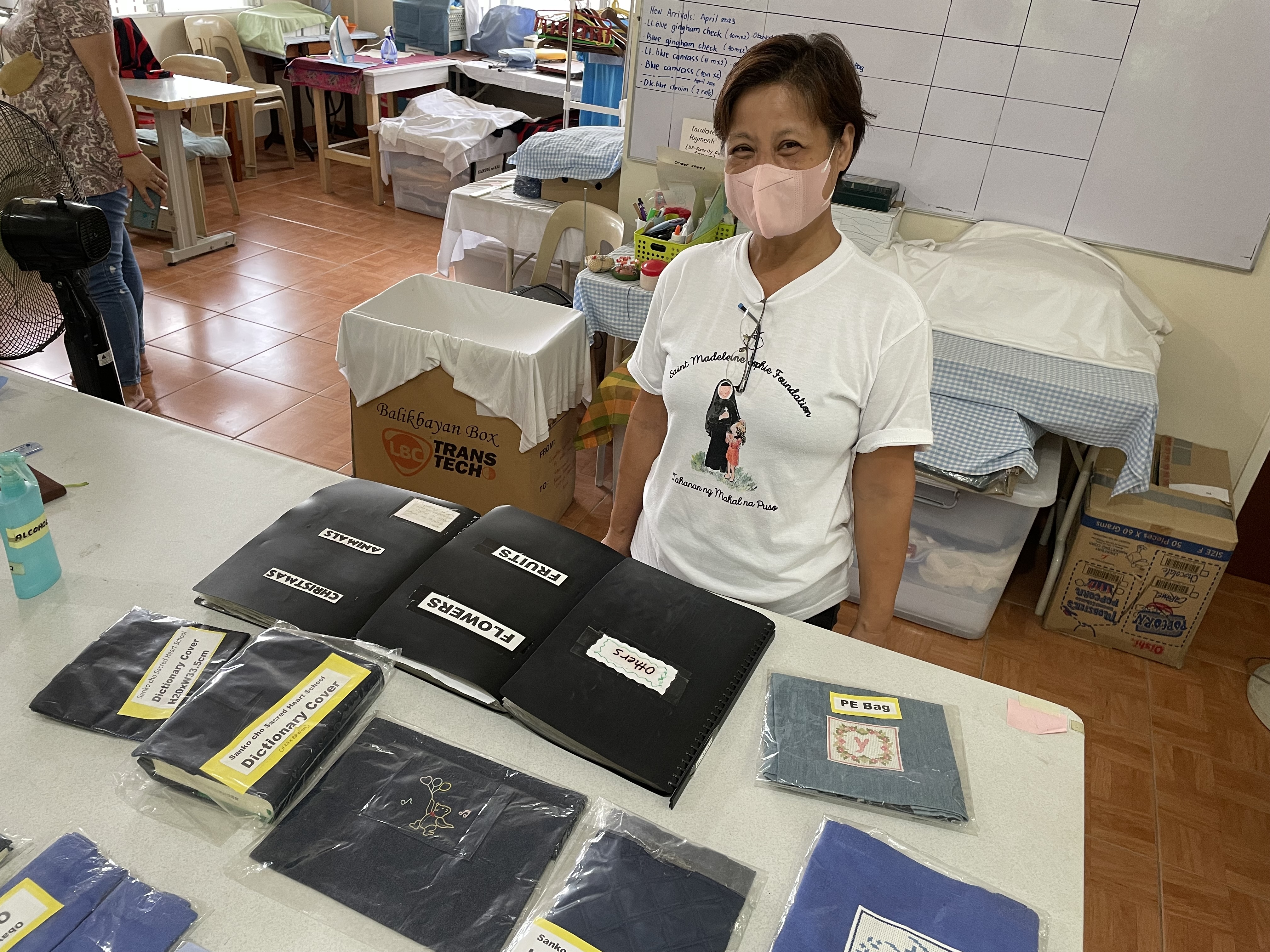
At the Center, we met Krisheil Bauto and Marjorie Garcia who manage SMSF’s literacy programs, and Nene Saquillo, who oversees the Foundation’s sewing project for local mothers. Lizette, Krisheil and Marjorie are alumnae of SMSF’s scholarship and youth formation programs and have since returned post-university to support the Foundation’s work.

Similar to the scholarship program at Sophie’s Farm, SMSF provides qualified students with formation and financial support to complete their Senior High School certification and university degrees. While public universities and colleges are free, students require additional funds for books, school fees, transportation, board and lodging. SMSF functions also as a physical center where scholars and their families receive formation in the form of practical life skills, spiritual deepening, and financial literacy. 

According to Sr. Digna, SMSF was founded in response to the challenging conditions of the Philippines during the heyday of the Marcos dictatorship (1965–1986). Unlike RSCJs in Europe, North and South America who were engaged in formal education, RSCJs in the Philippines both worked in existing educational institutions and entered local communities to accompany people in their own contexts. This reorientation reflected the Catholic Church’s intentional “turn to the world,” a commitment clearly articulated during the Second Vatican Council (1962–1965). Among the first group of Filipinas to join the RSCJs, Sr. Digna spent the initial years of her ministry teaching and supporting students in Manila’s “university belt.” Other sisters worked in nonsectarian schools and with local government programs in social welfare and vocational rehabilitation. Over time, a clear need arose to focus on educational programs that encouraged sustainable community development. SMSF was thus founded in Manila, later moving to Montalban where the sisters had already started a formation center.

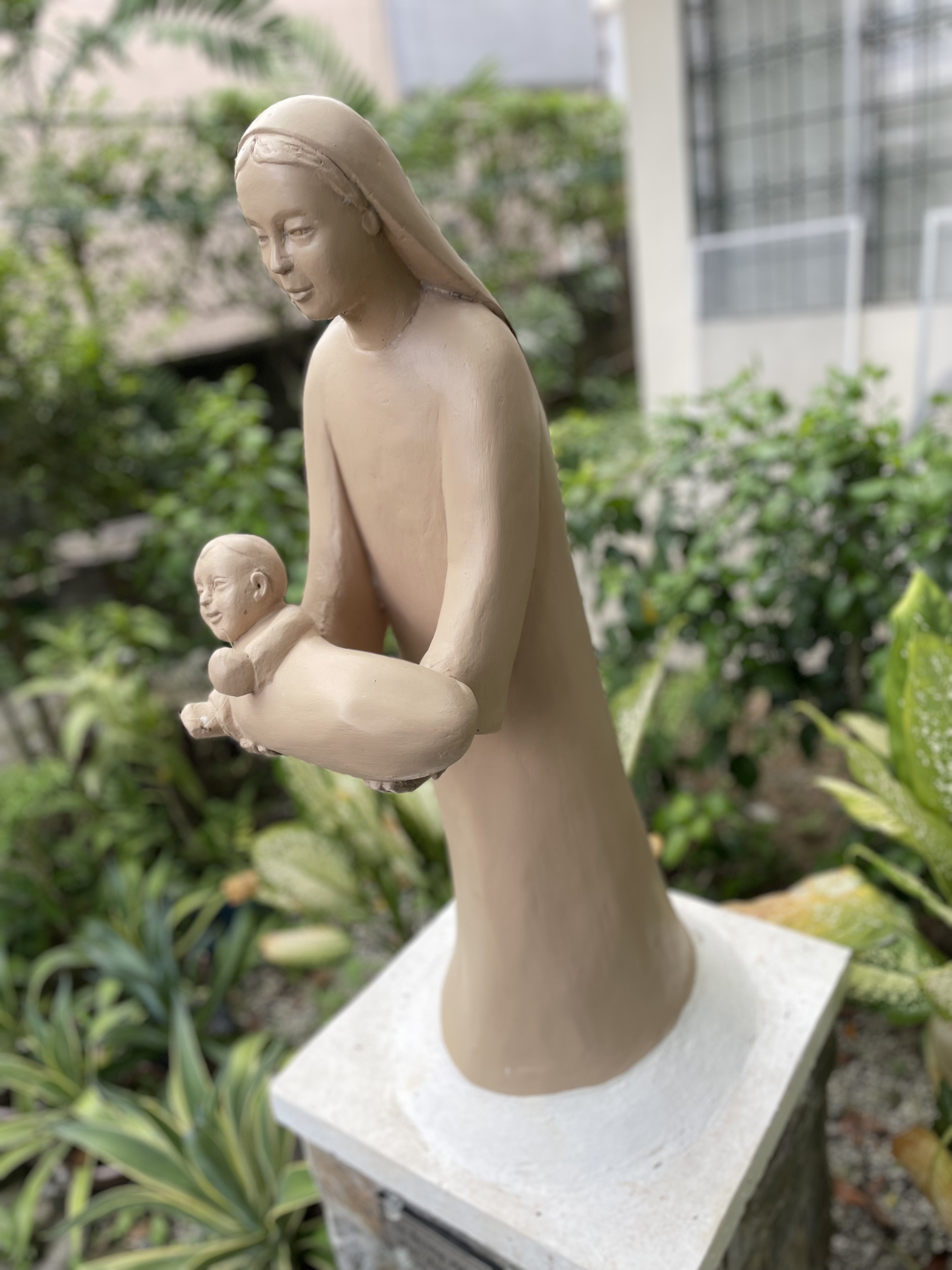
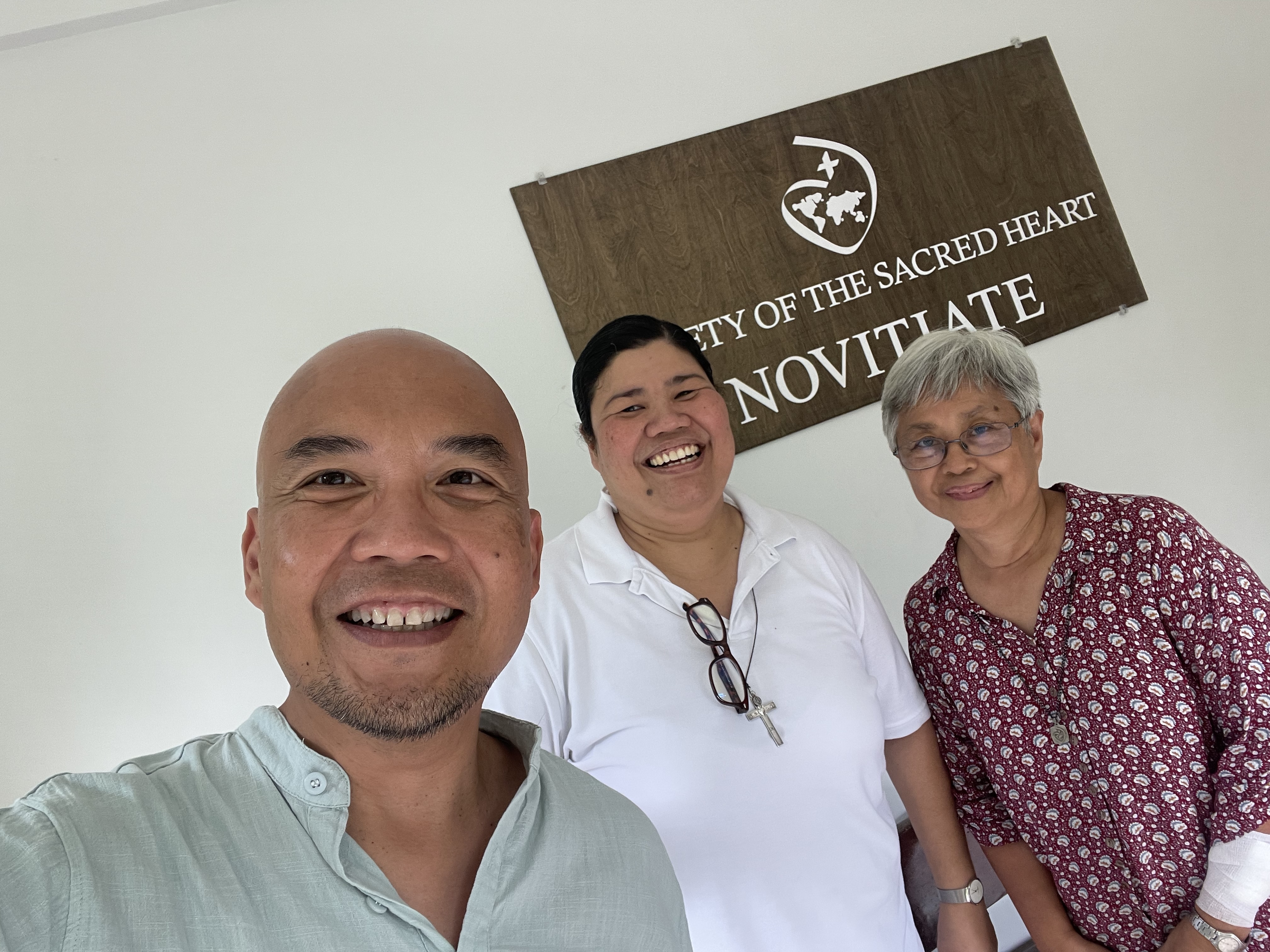
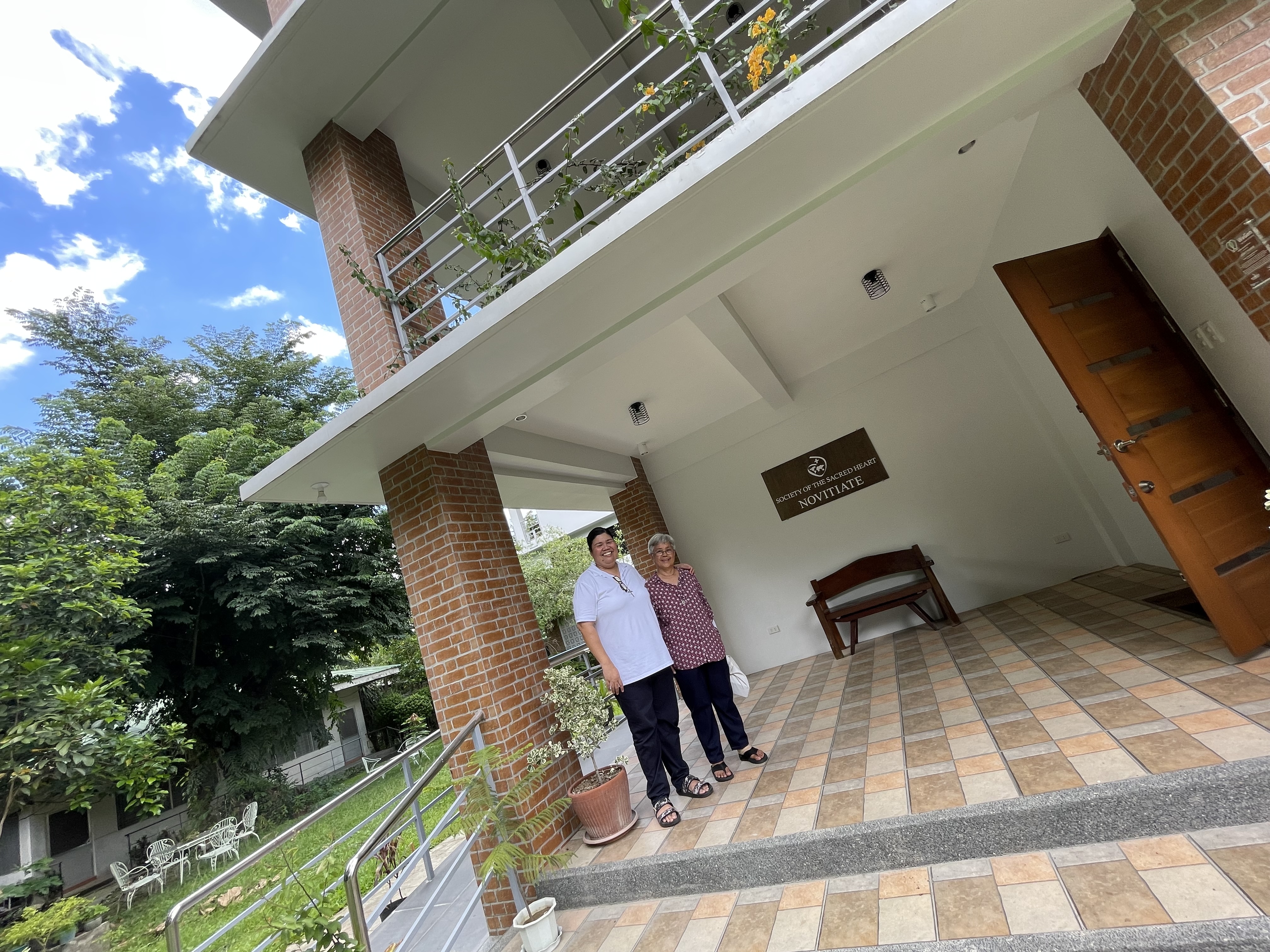
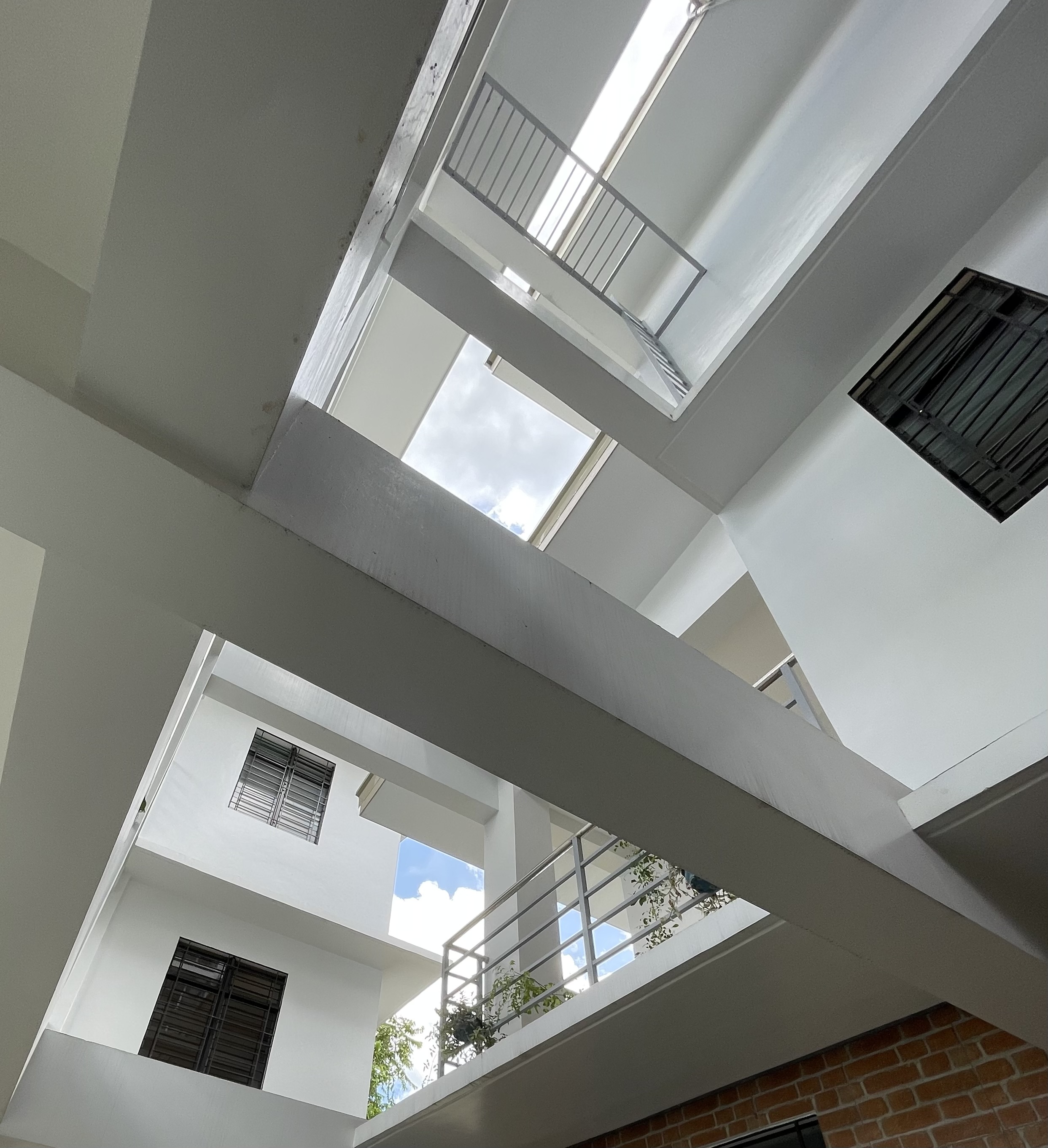
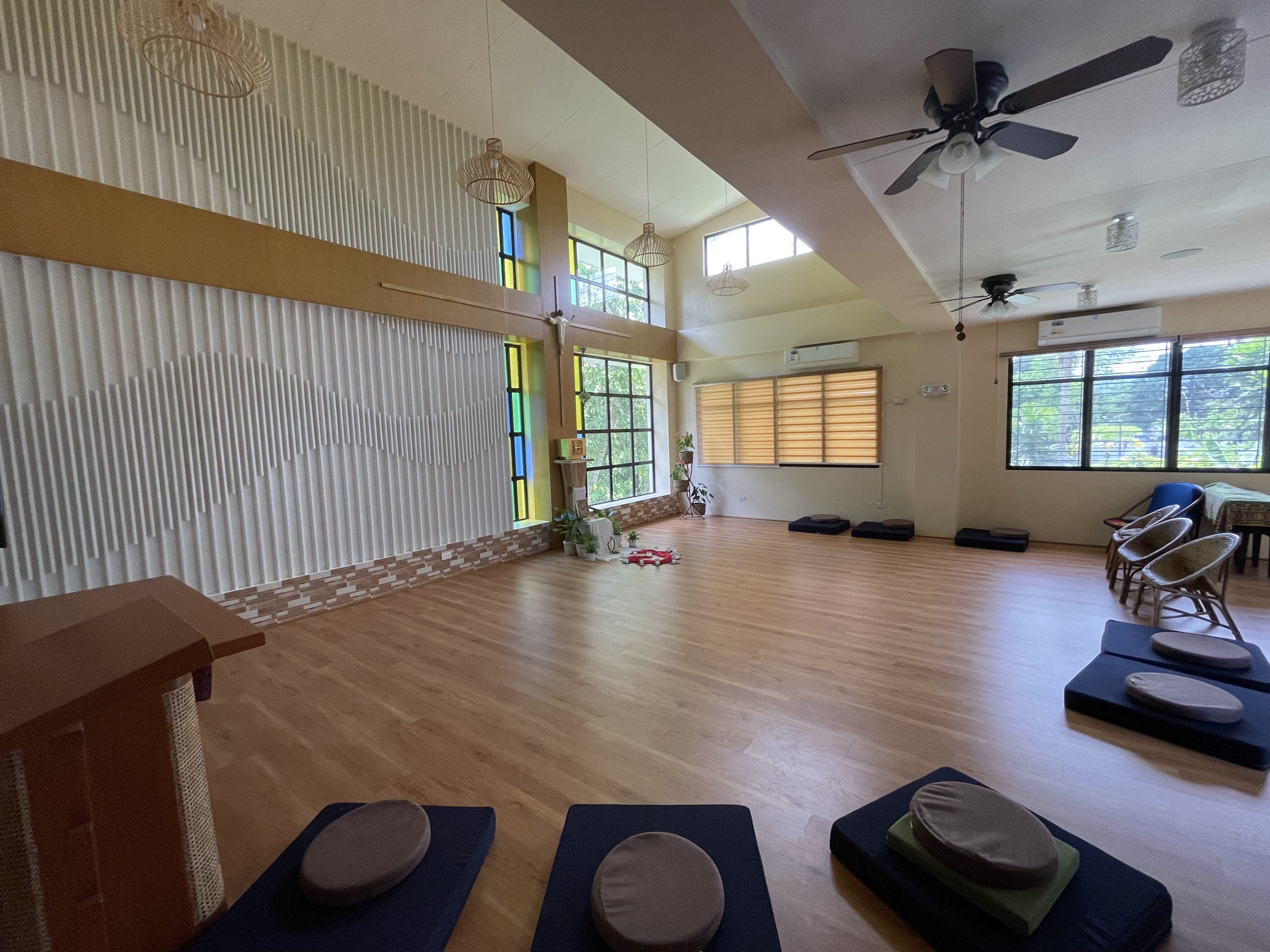
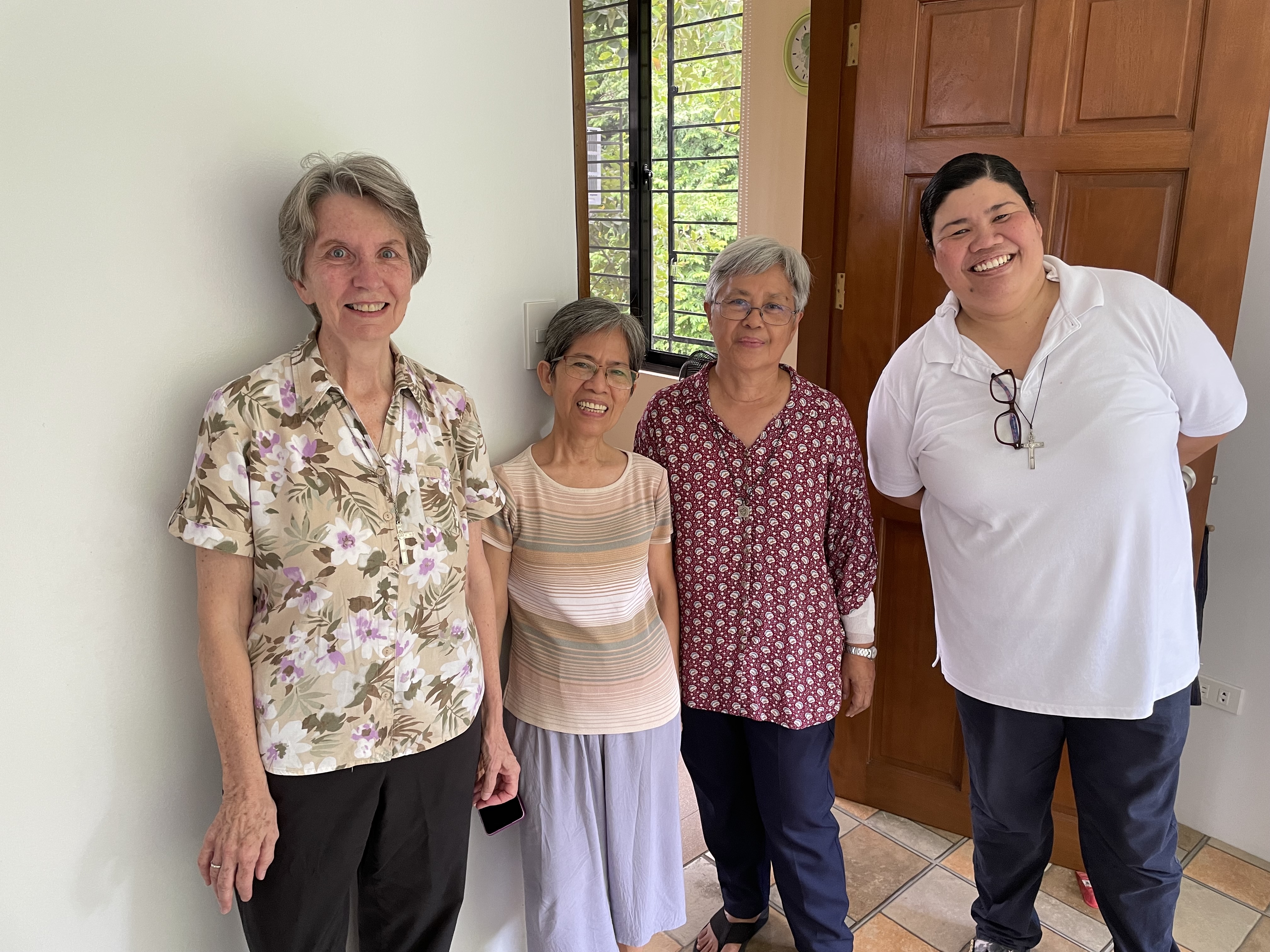
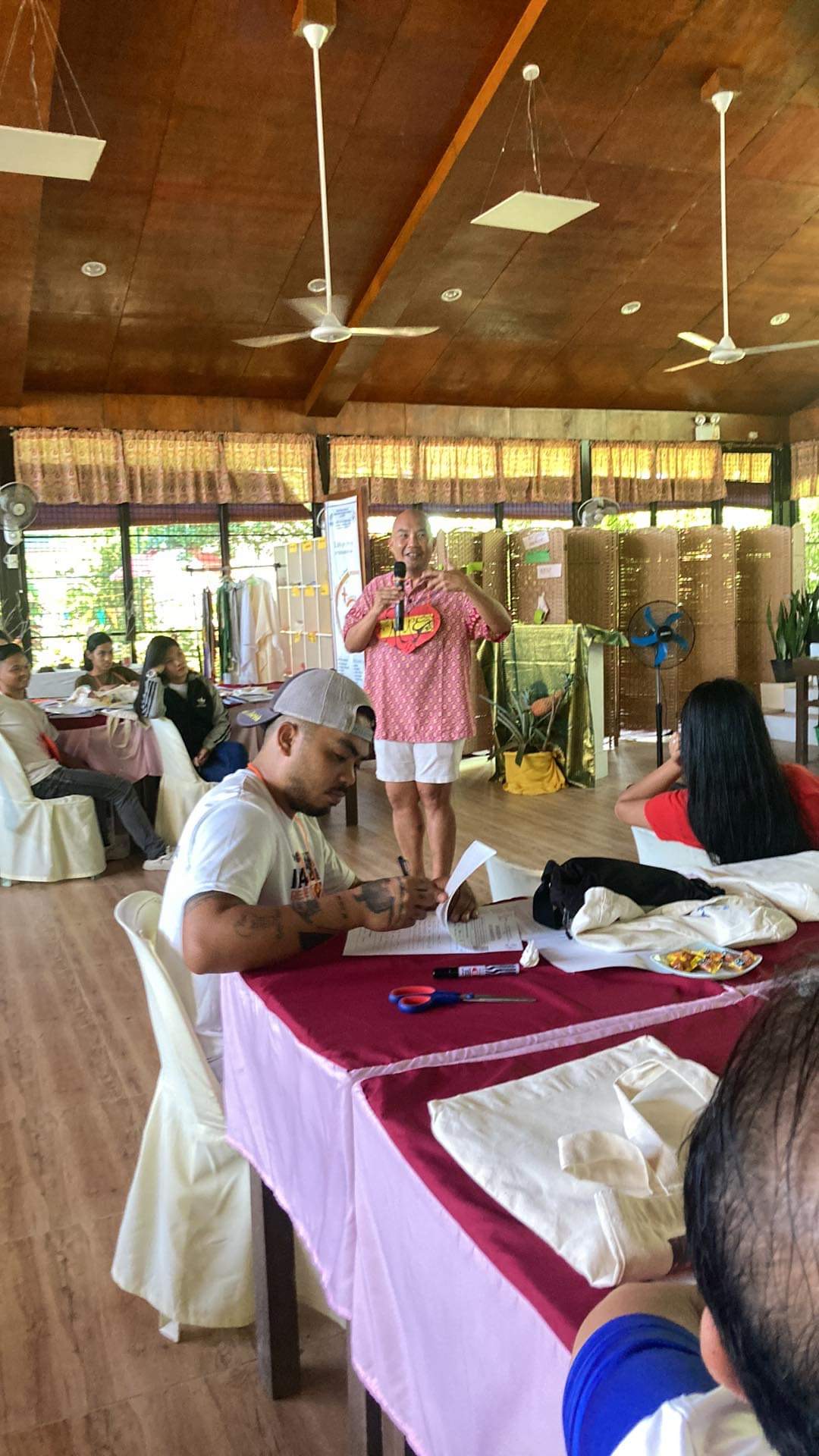
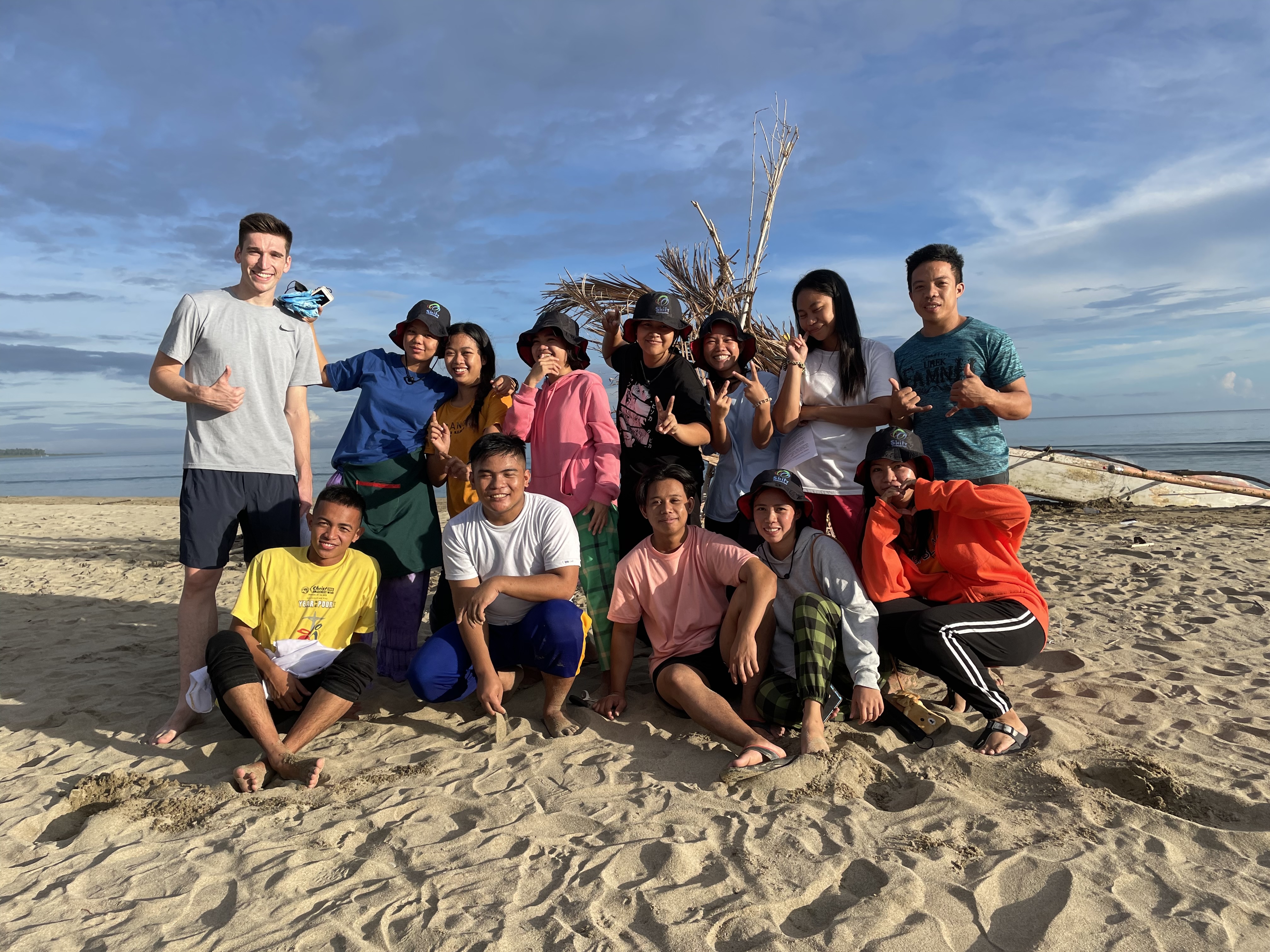
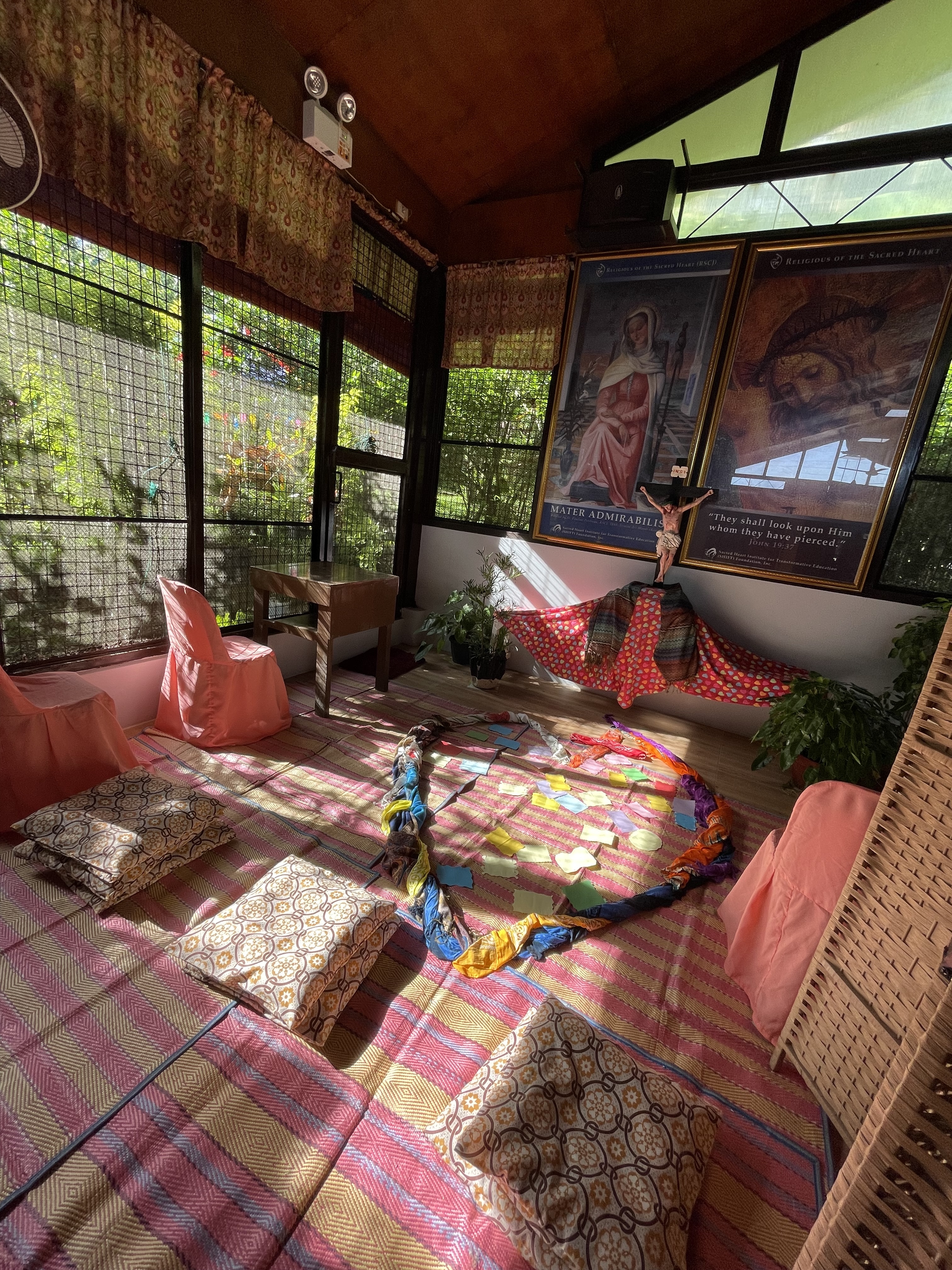
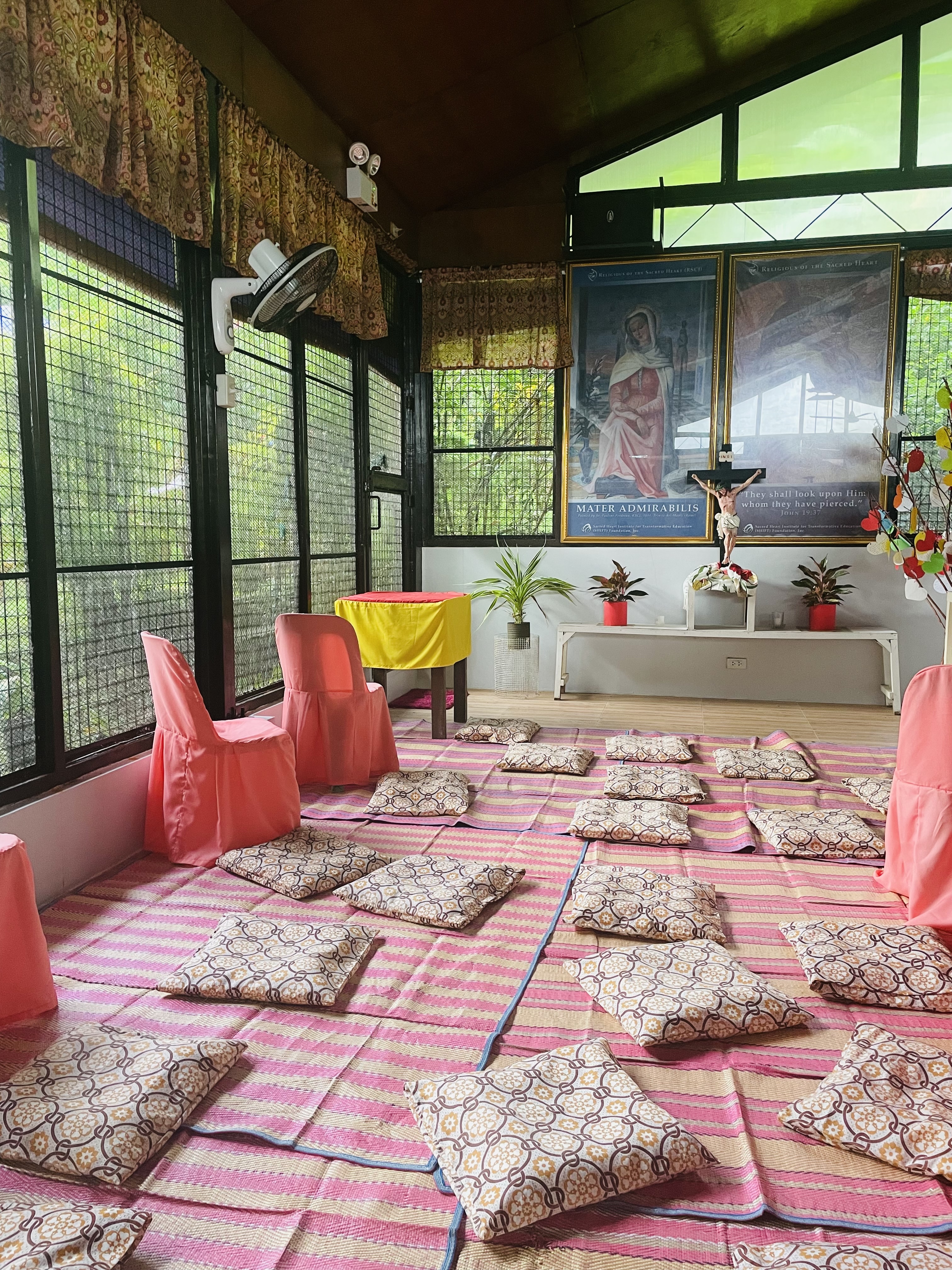
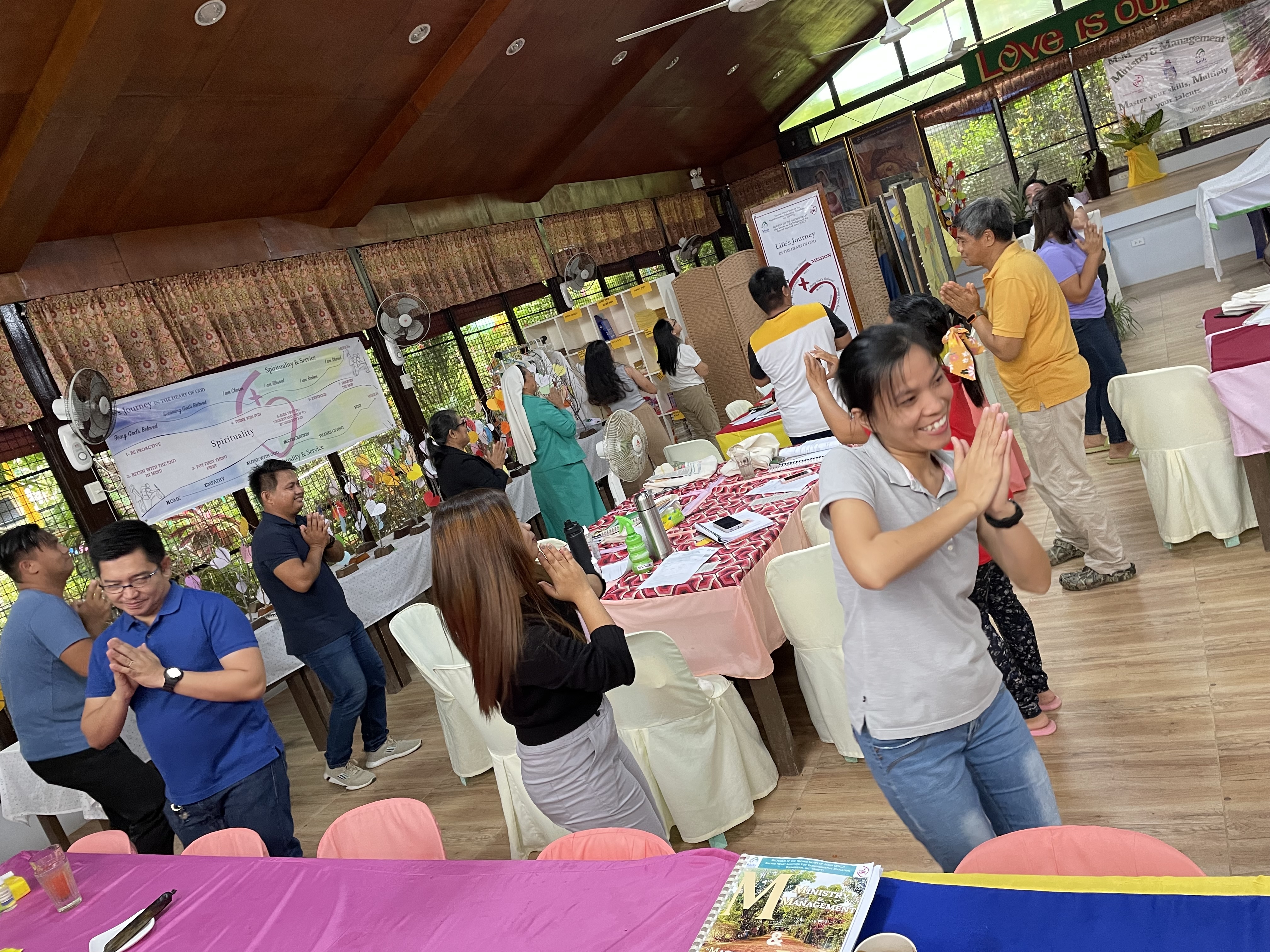
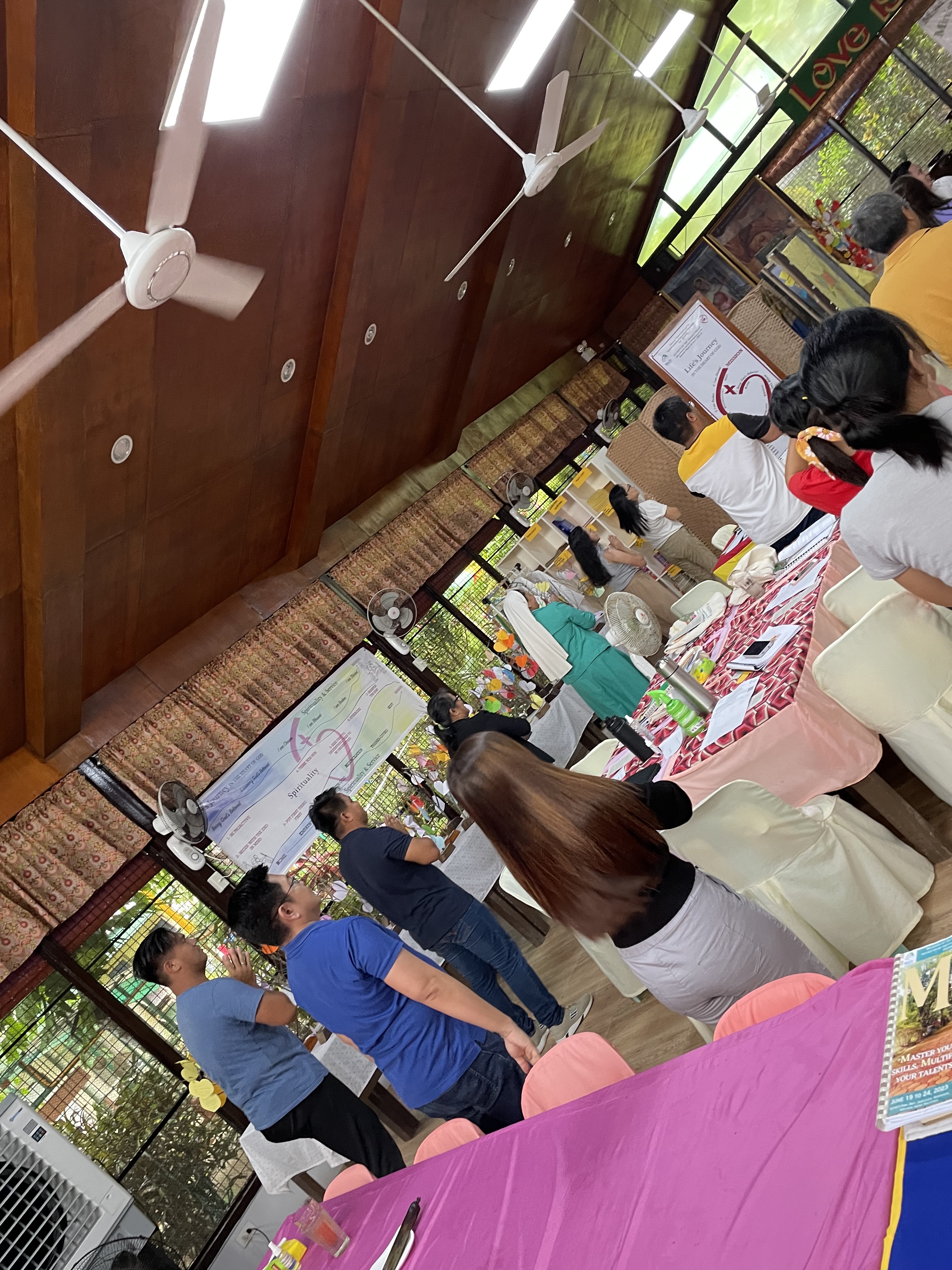
After a short tour of SMSF, Sr. Beth, Sr. Digna and I walked over to ASIANZ House, the new novitiate for all RSCJs in Asia. We were welcomed by Sr. Ayds Sua-an, Novice Mistress, Sr. Kathy Conan, former RSCJ superior general who is currently supporting the formation of novices in Asia, along with novices and RSCJs  from Indonesia, the Philippines, India, Timor Leste, China and Vietnam. Designed by Sr. Beth — who trained as an architect — the new novitiate is airy, bright and drew on the land’s geographical features to maximize air flow. Two separate buildings are bound by mid-air pathways that foster a sense of interconnectedness among all the parts and living spaces. The chapel is especially elegant in its use of space, light filters and simple iconography.

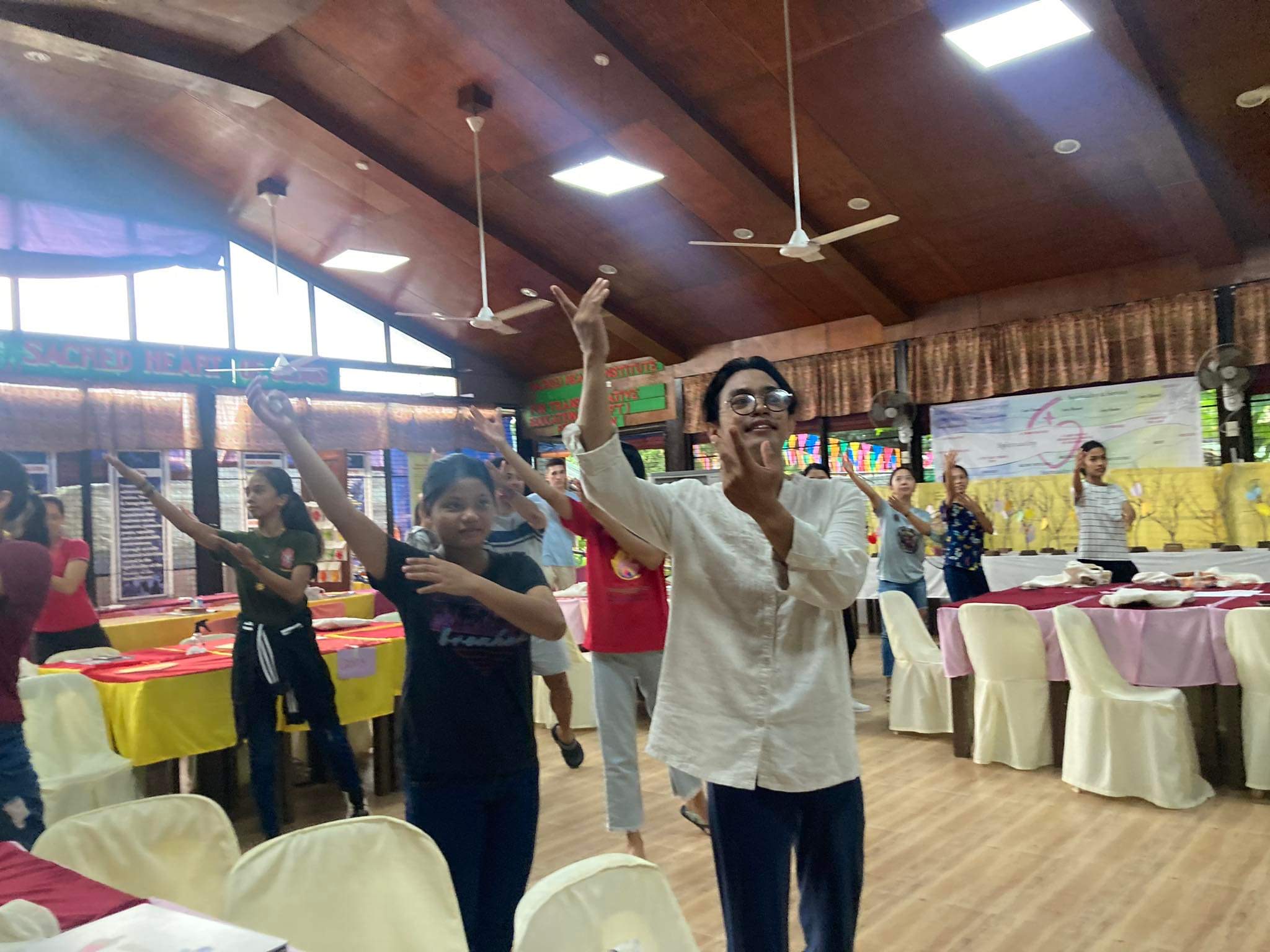
During a lunch that featured locally-produced tofu, conversations highlighted the surprising connections that brought us to the same table that day. And while English served as a common language, our diverse accents revealed the global reach of RSCJ ministry. A personal highlight occurred near the end of the meal when I briefly mentioned having spent time at Weston Priory, a Benedictine monastery in Vermont renowned for liturgical music. Some of the younger sisters began humming Weston’s more popular songs, Hosea and All I Ask of You. Within minutes, choir books flowed out from the chapel, unfolding to an impromptu concert at the meal’s end. 

Having shared space, broken bread and prayed our sentiments in song, we parted with promises of a “return.” Similar to the spirit of pilgrimage that permeated the Summer Institute in Samar, I left with a sense that relationships will continue to deepen and expand, bound in shared commitment to “reveal the heart of God” to a world in profound need of healing.
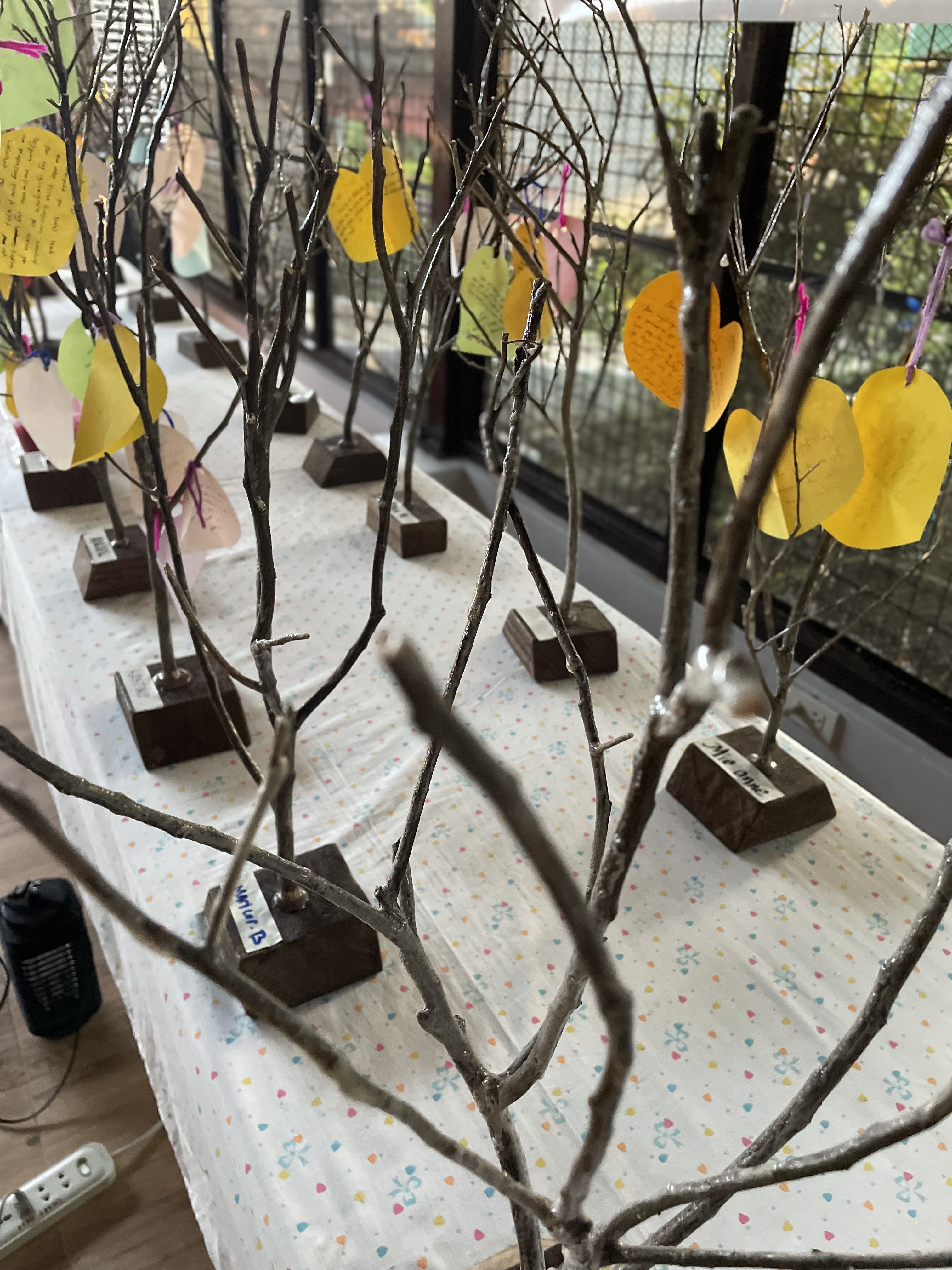
Sophie’s Farm Summer Institute | Day 13

By Dr. Michael Campos, High School Religion, Theology and Spirituality Faculty

Seminar 3, Day 6: I am Shared
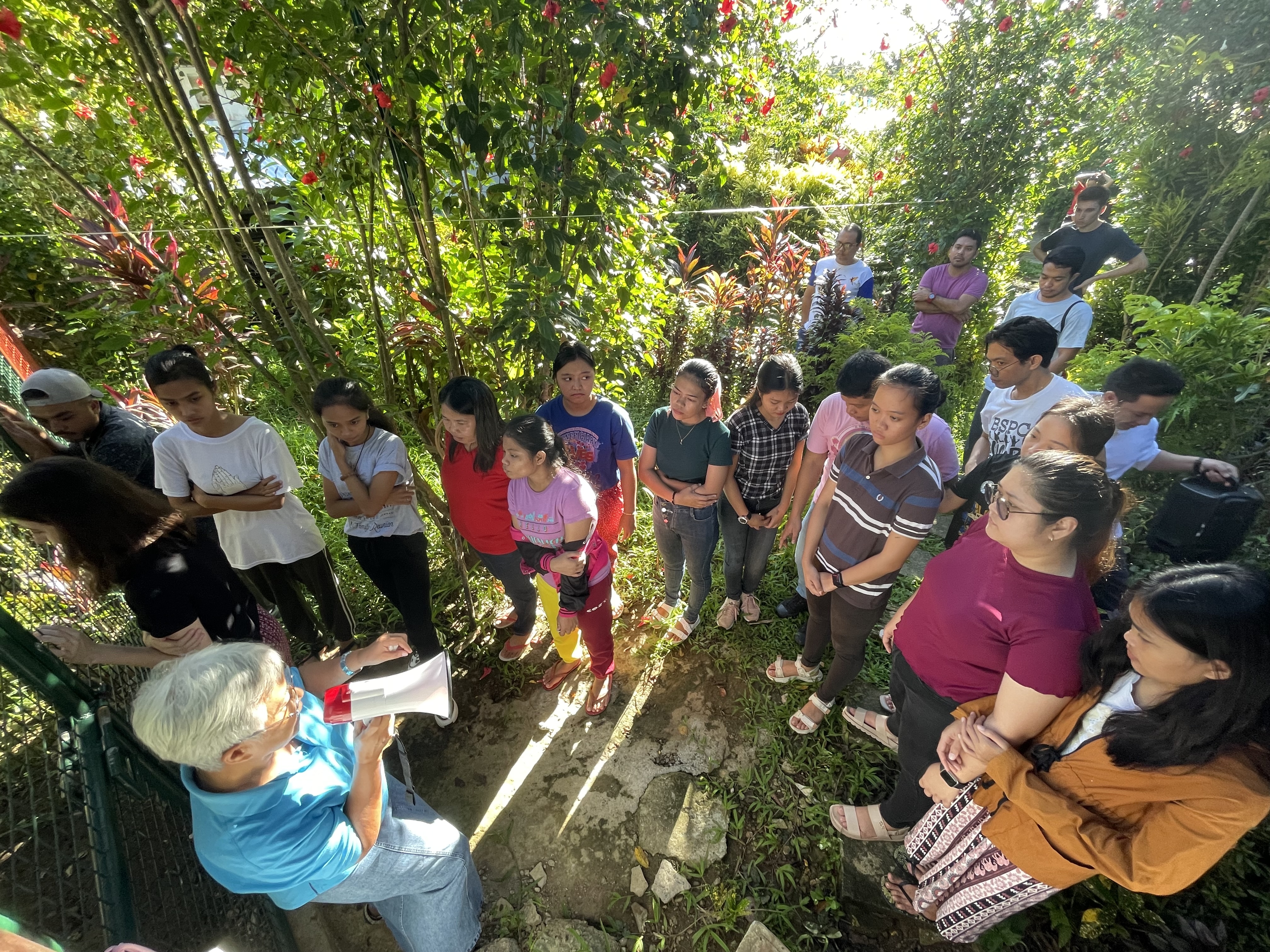
Having reached the final day of the Seminar, we opened the day by returning to the “source” — right at the gates of Sophie’s Farm. If Sr. Lydia opened the week with a reflection on the land, I invited all to re-view and re-trace the same places through “new eyes.” Theologian and Maryknoll sister, Joanne Doi, once wrote of pilgrimage as a re-encounter with trauma in ways that open to new life. Drawing from her own return to Manzanar — the site of her parents’ incarceration during the Japanese internment in World War II — Doi uncovered a process of transformation rooted in one’s journey to the core of trauma and its possibility for conversion.

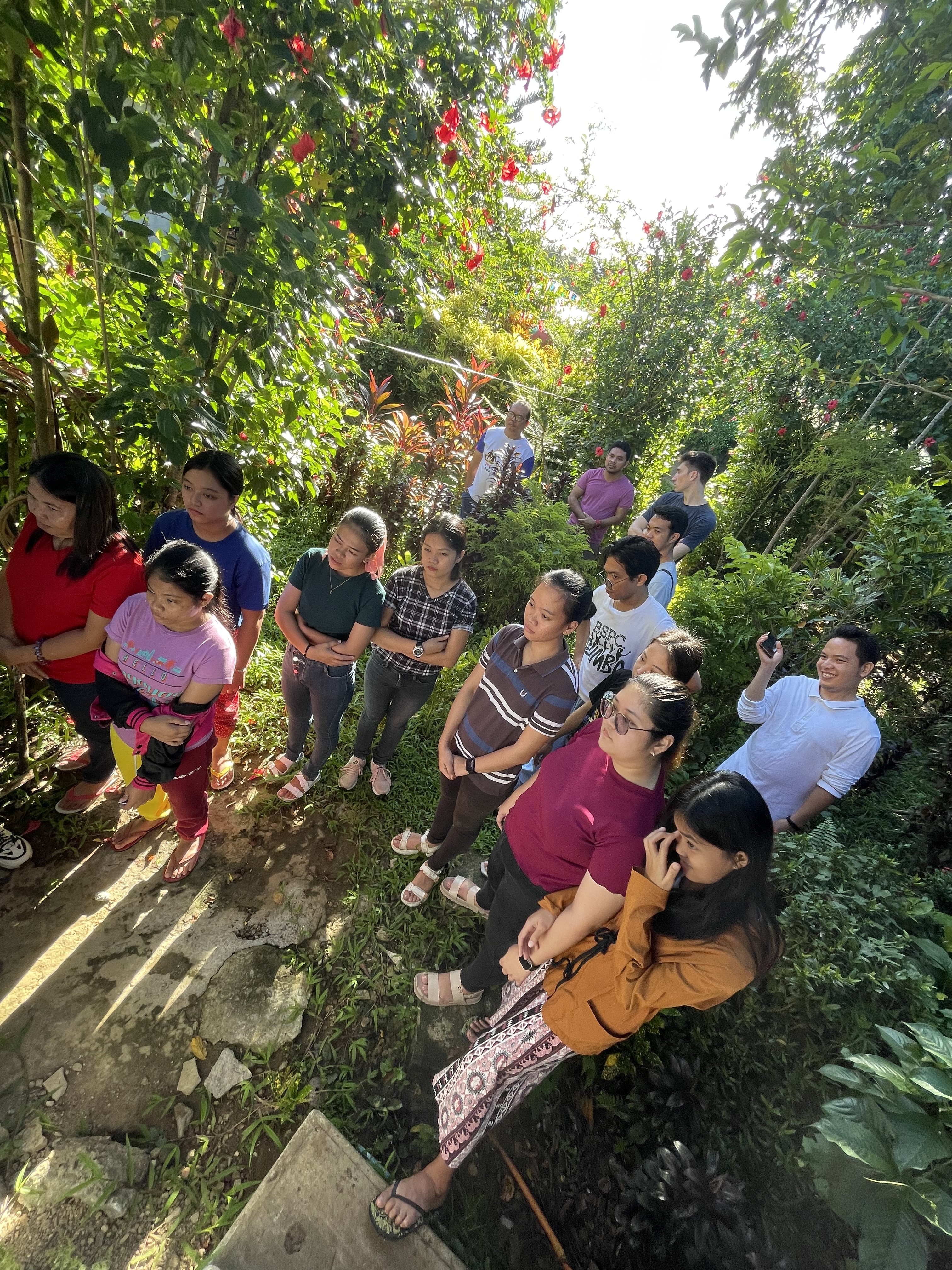
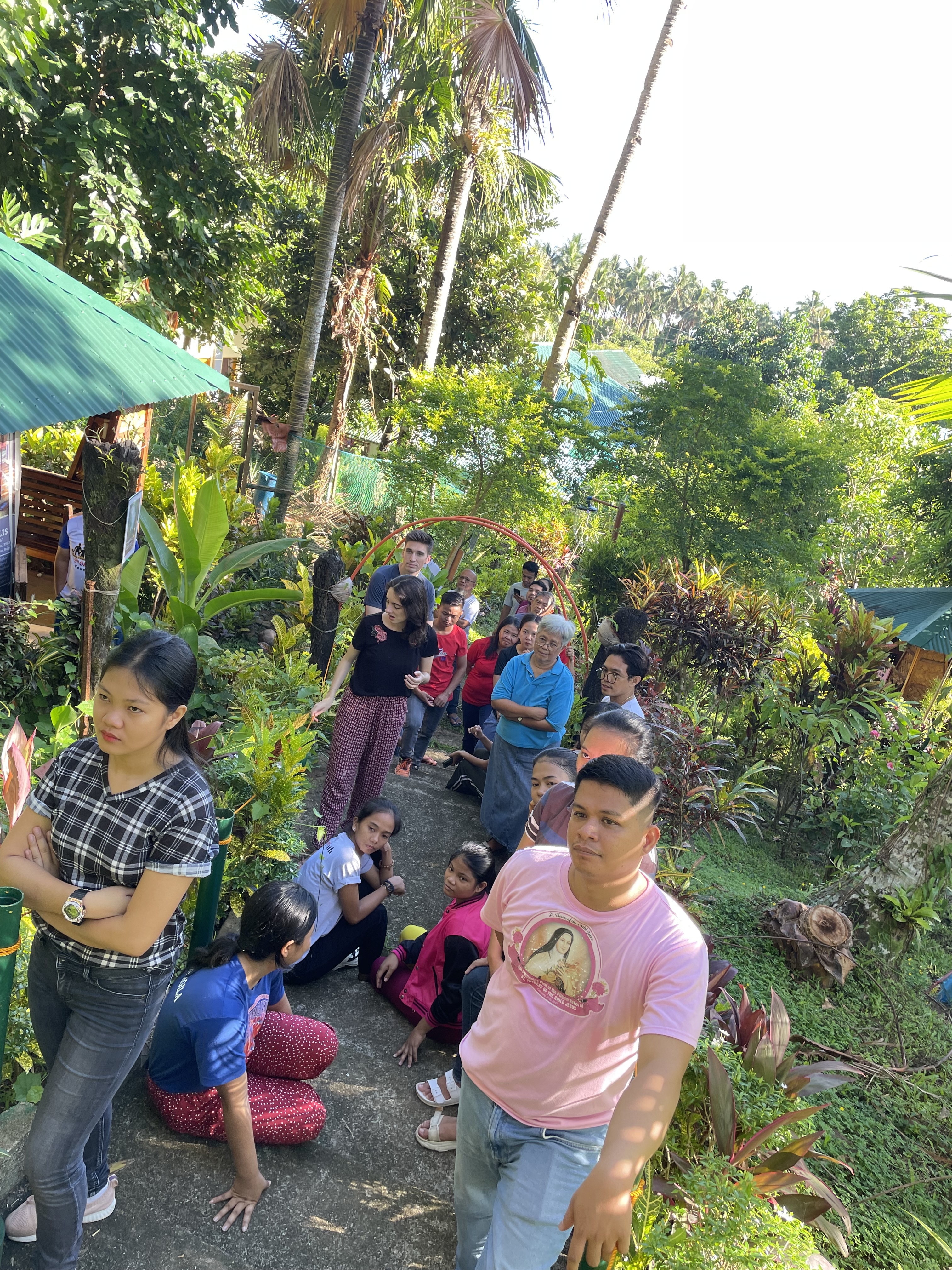
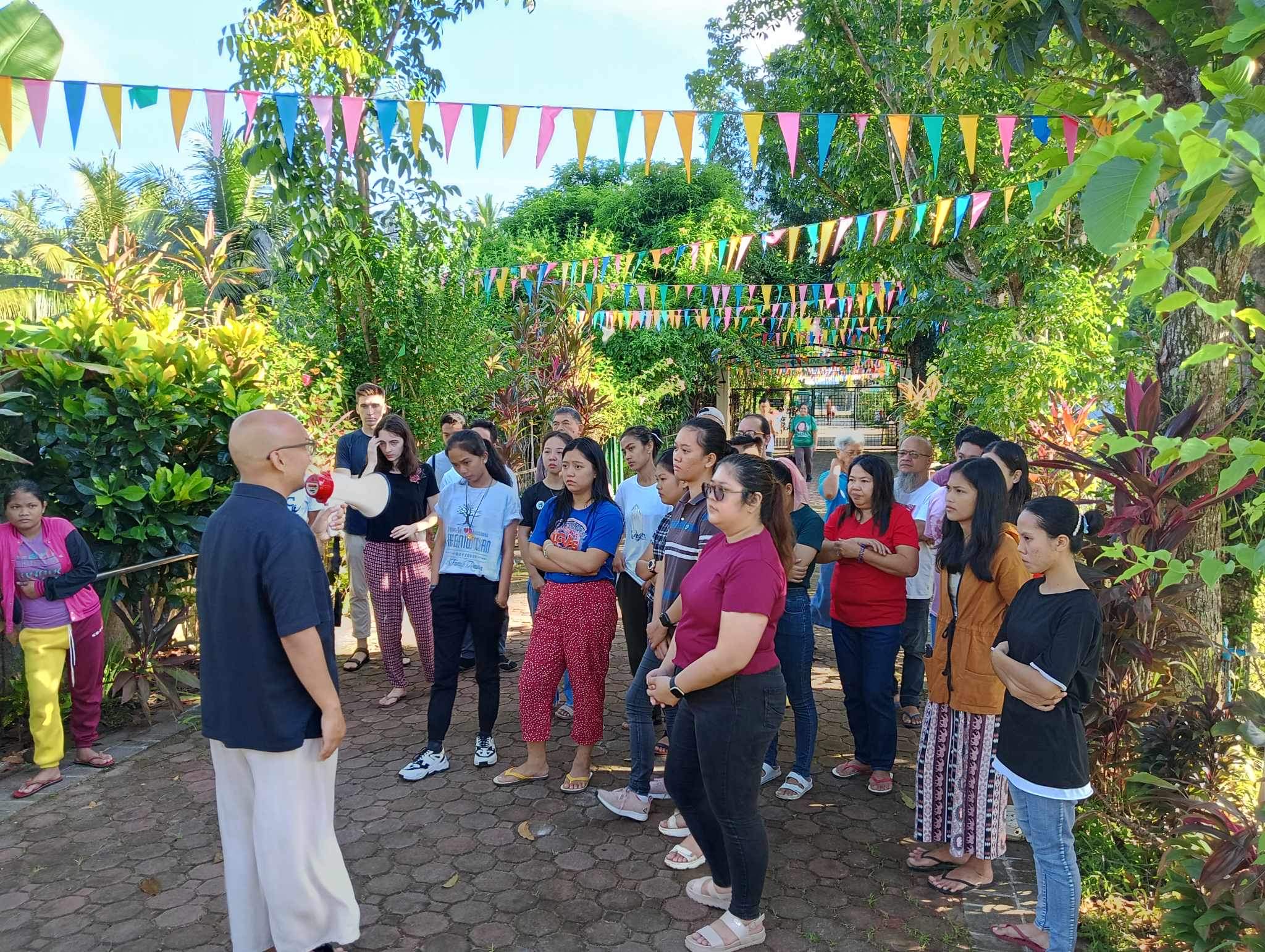
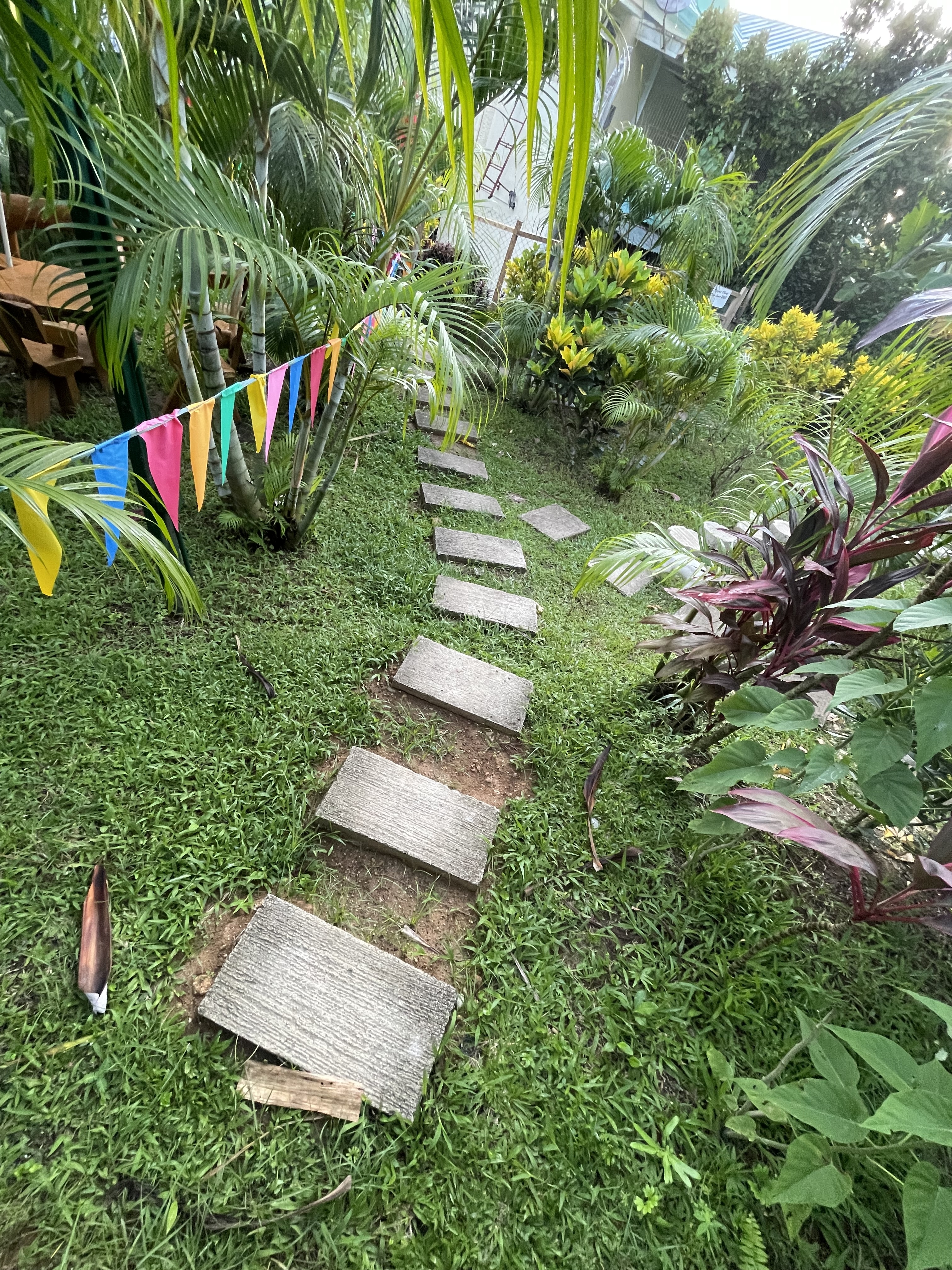
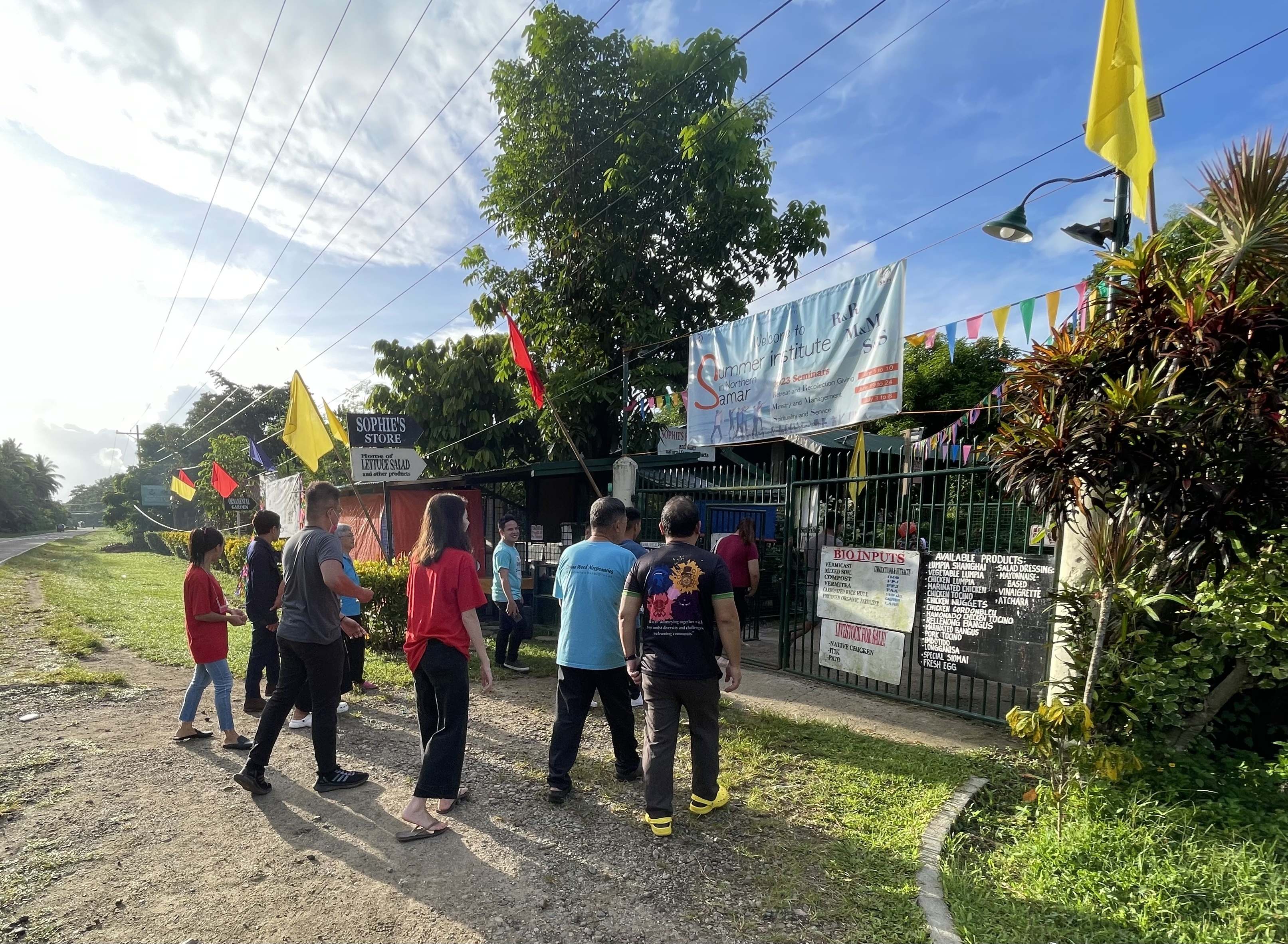
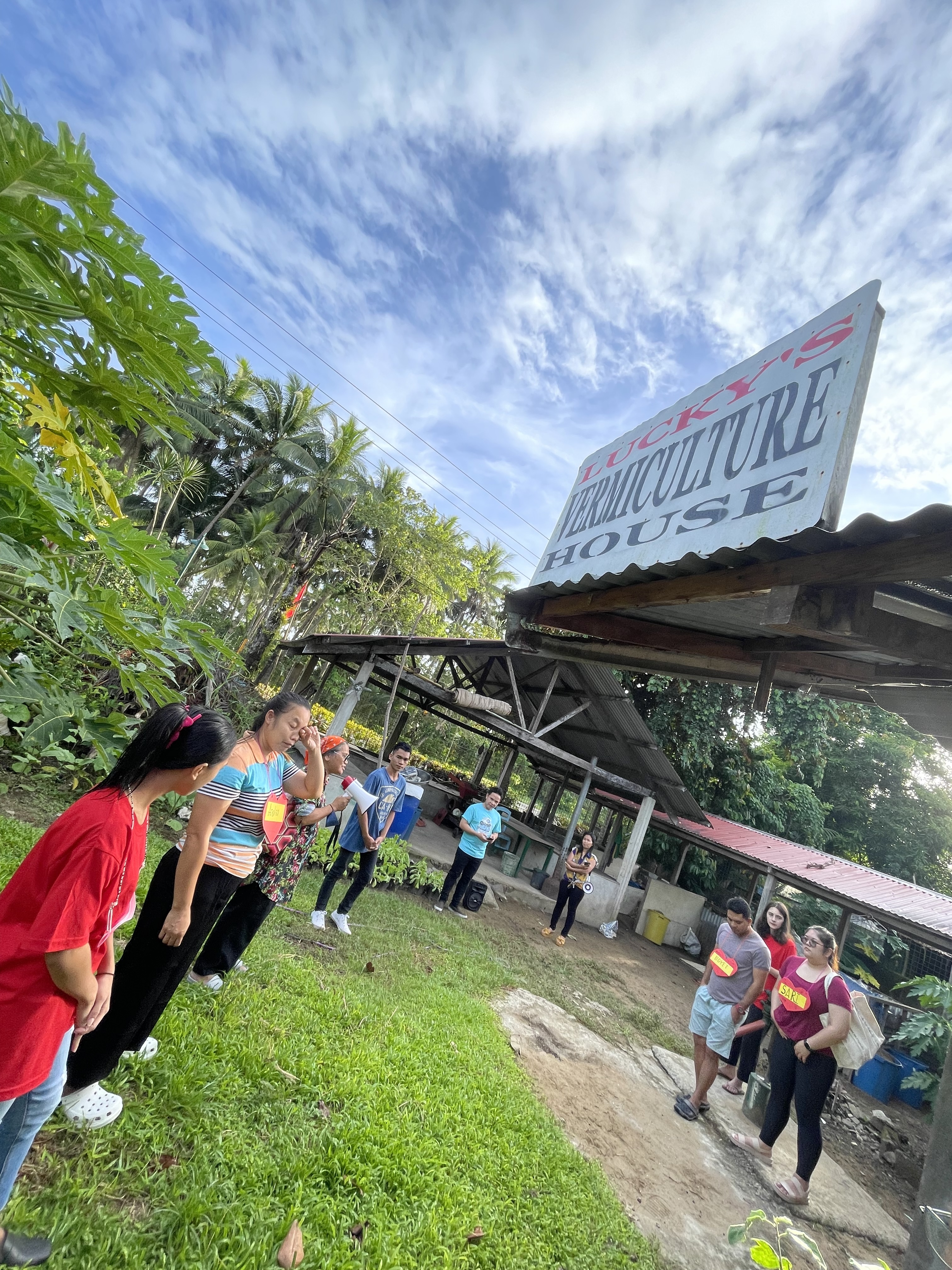
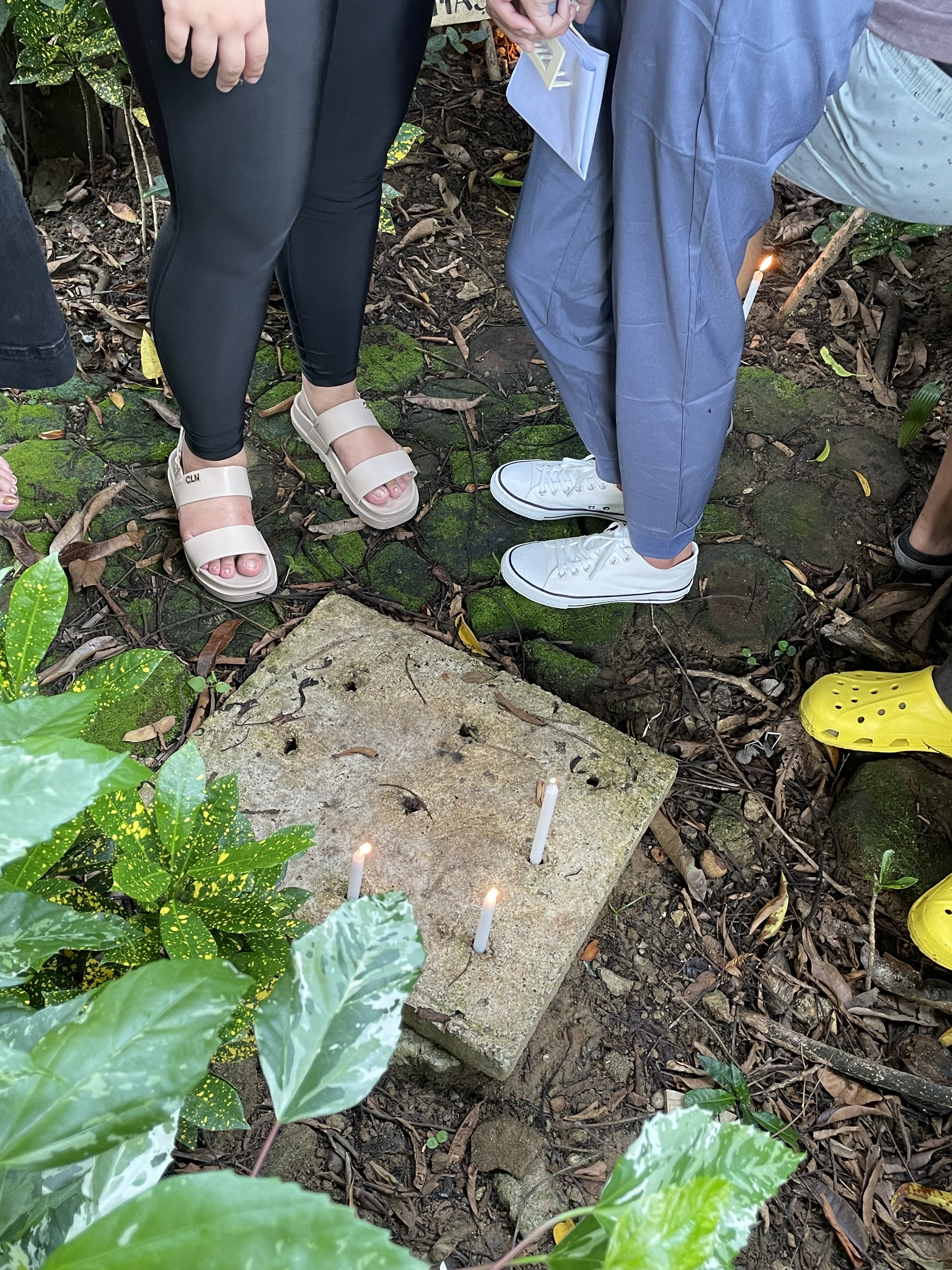
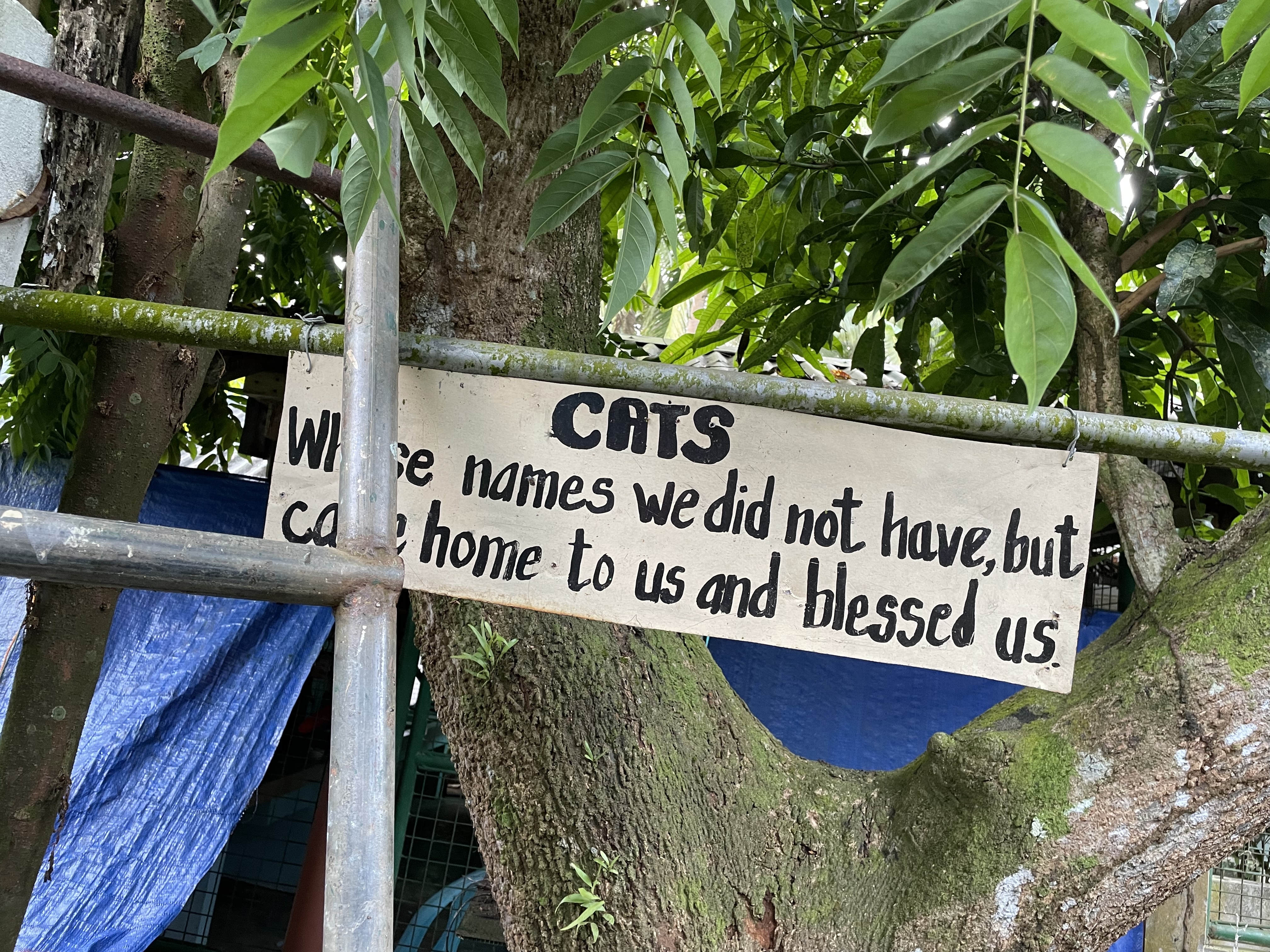
We traced our way from Lucky’s Vermiculture Center to Sophie’s Pathway — where we remembered the sense of “freedom” that defined Sophie’s life. Similar to the previous pilgrimage, we visited the Pet Cemetery, lighting candles to remember all living things who/that have so enriched our lives. At the top of the Sacred Heart Shrine, we recalled the image of a “mountain” so central to any pilgrimage. In Hebrew grammar, there is a specific verb associated with one’s journey to Jerusalem–the center of the world. One “goes up” — not goes to — the center. One rises from the ordinary to enter the heart of the world. Having thus encountered what is most essential one more time, through new eyes, and with some familiarity with the land, participants returned to the Village “clubhouse” for our last breakfast. Maupay nga aga!

Photos by Dr. Michael Campos, Religion, Theology & Spirituality, Faculty

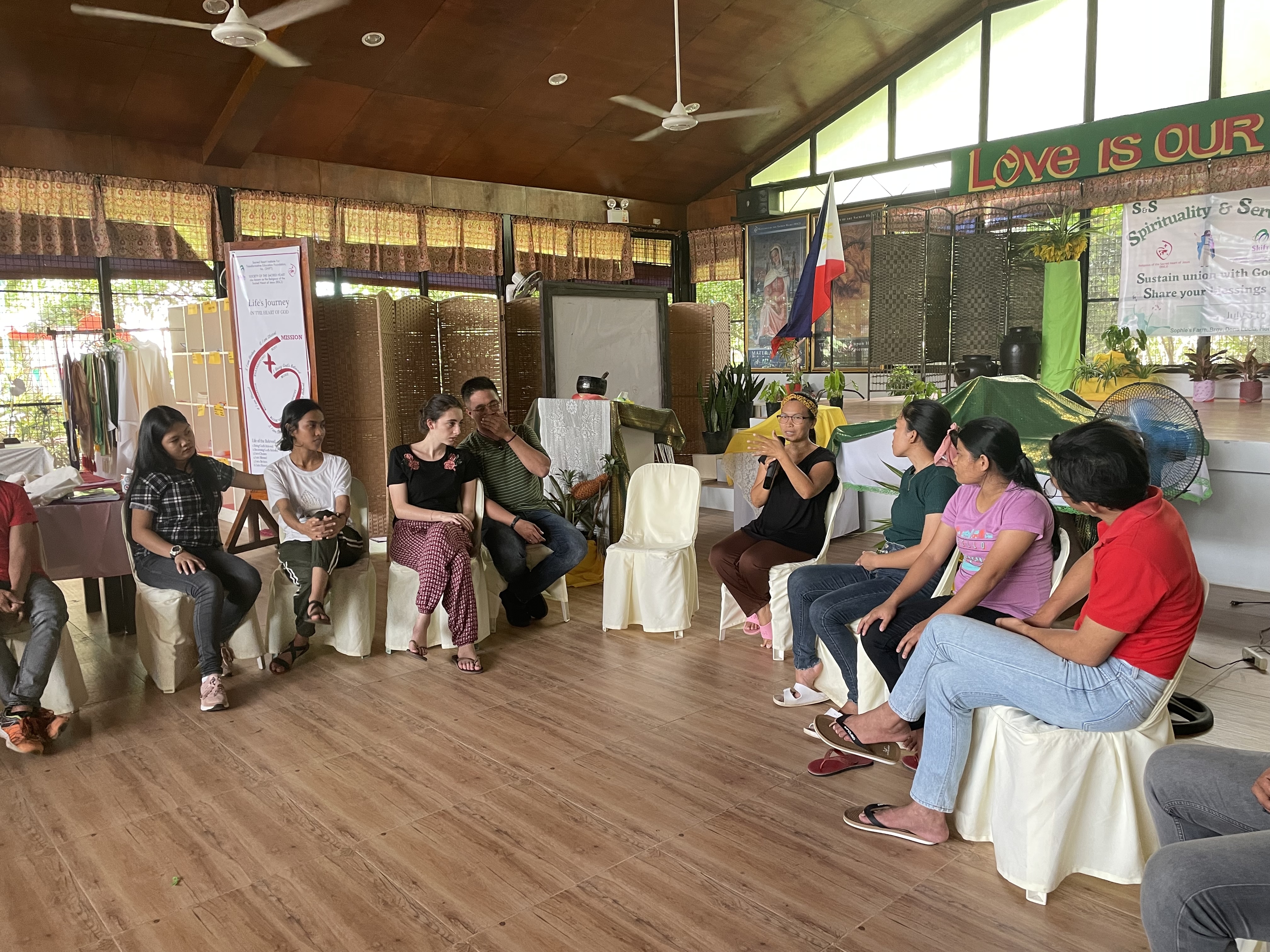
The final day brought us back into the collective heart of S&S. We gathered in a circle to name moments of pain and thanksgiving. Each participant shared in the language intimate to one’s heart — English, Tagalog, Ninorte Samarnon, even French. It was obvious that each group learned to cultivate ways to care for one another. Members who were more outspoken offered support to those less inclined to speak; participants who were moved to share personal trauma found comfort among friends who created large enough spaces to listen deeply. Natural leaders emerged from each group; a sense that we were part of a bigger “story” became more palpable as personal narratives flowed into the universal story of a common humanity.
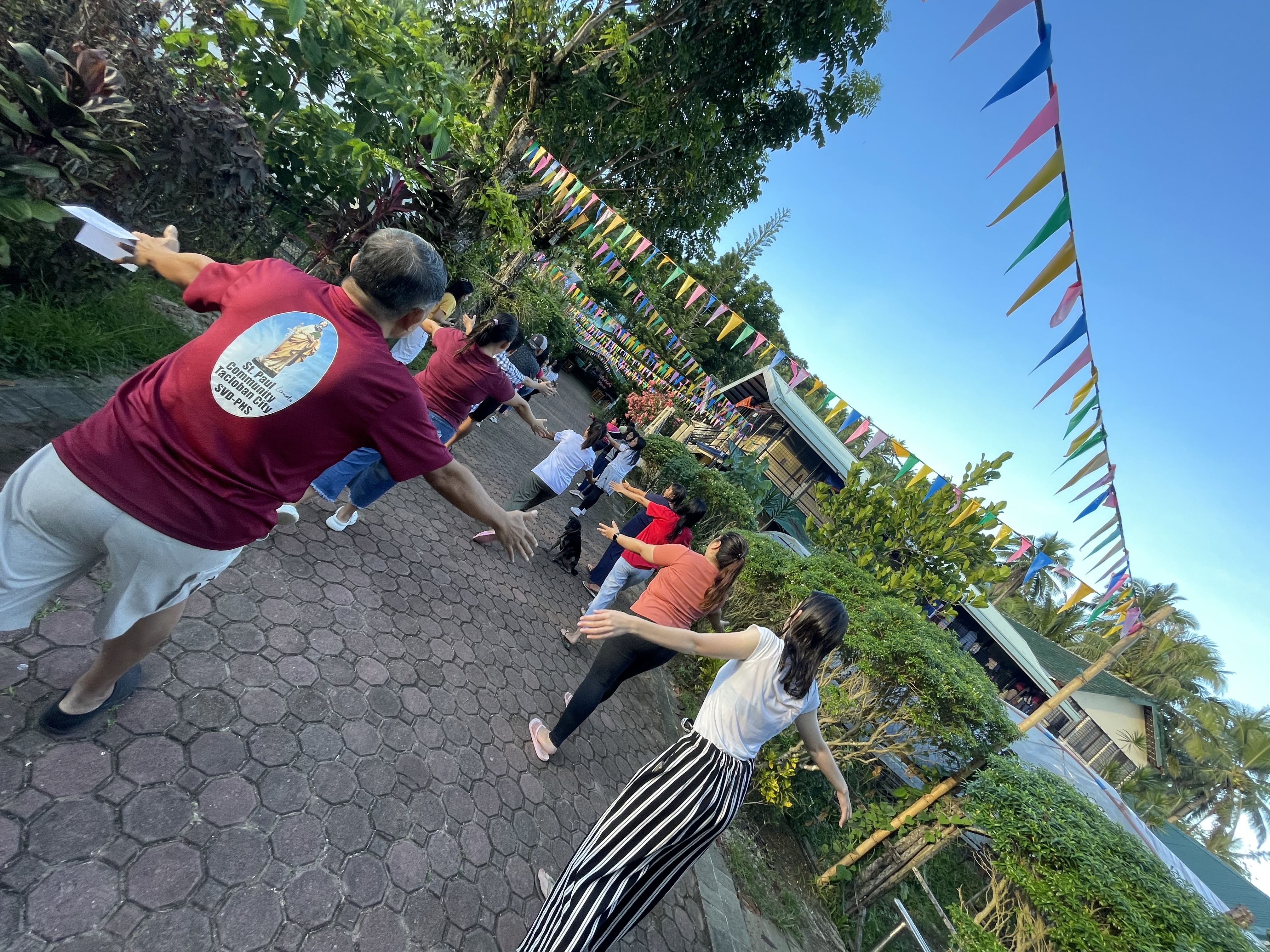
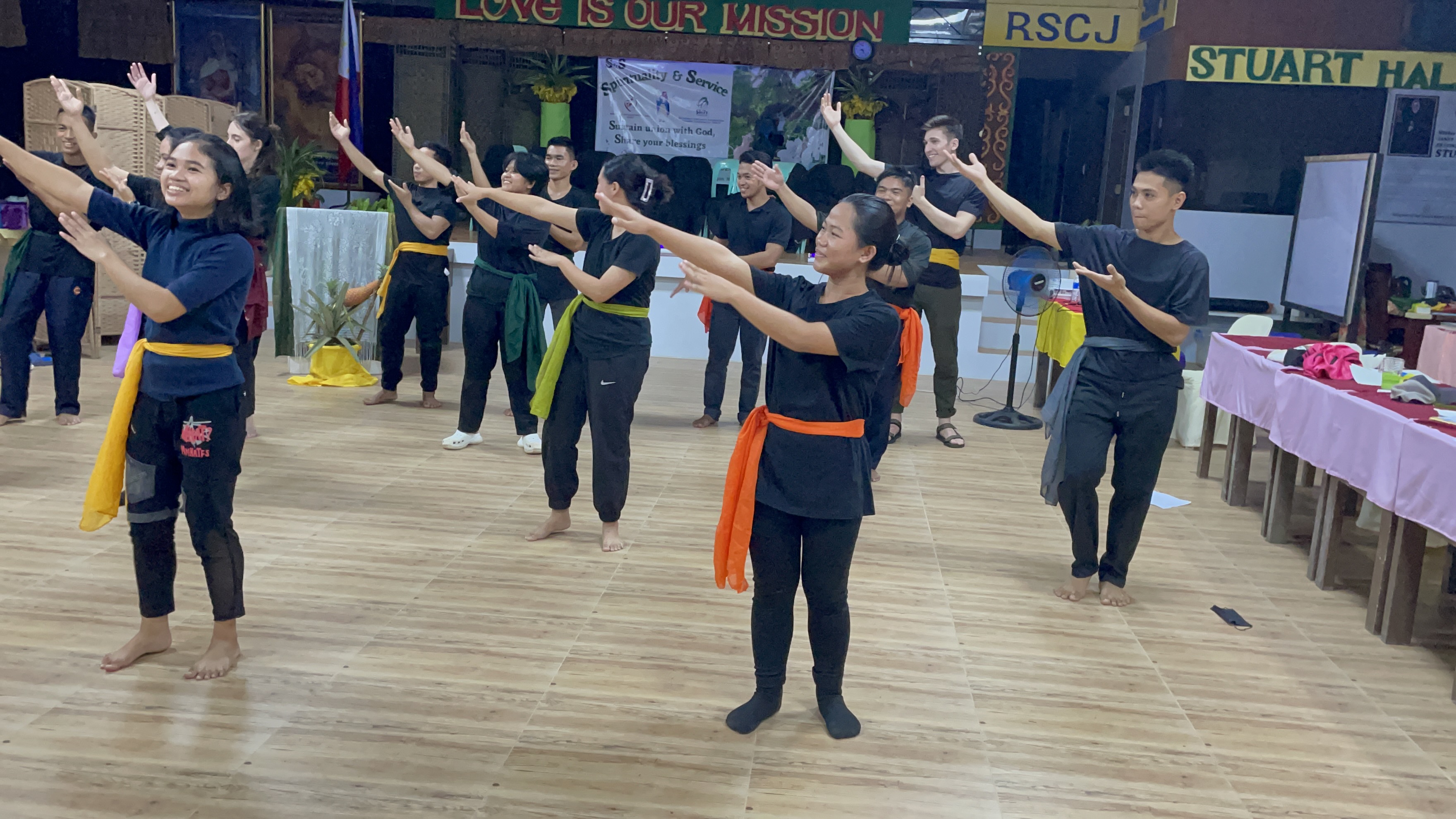
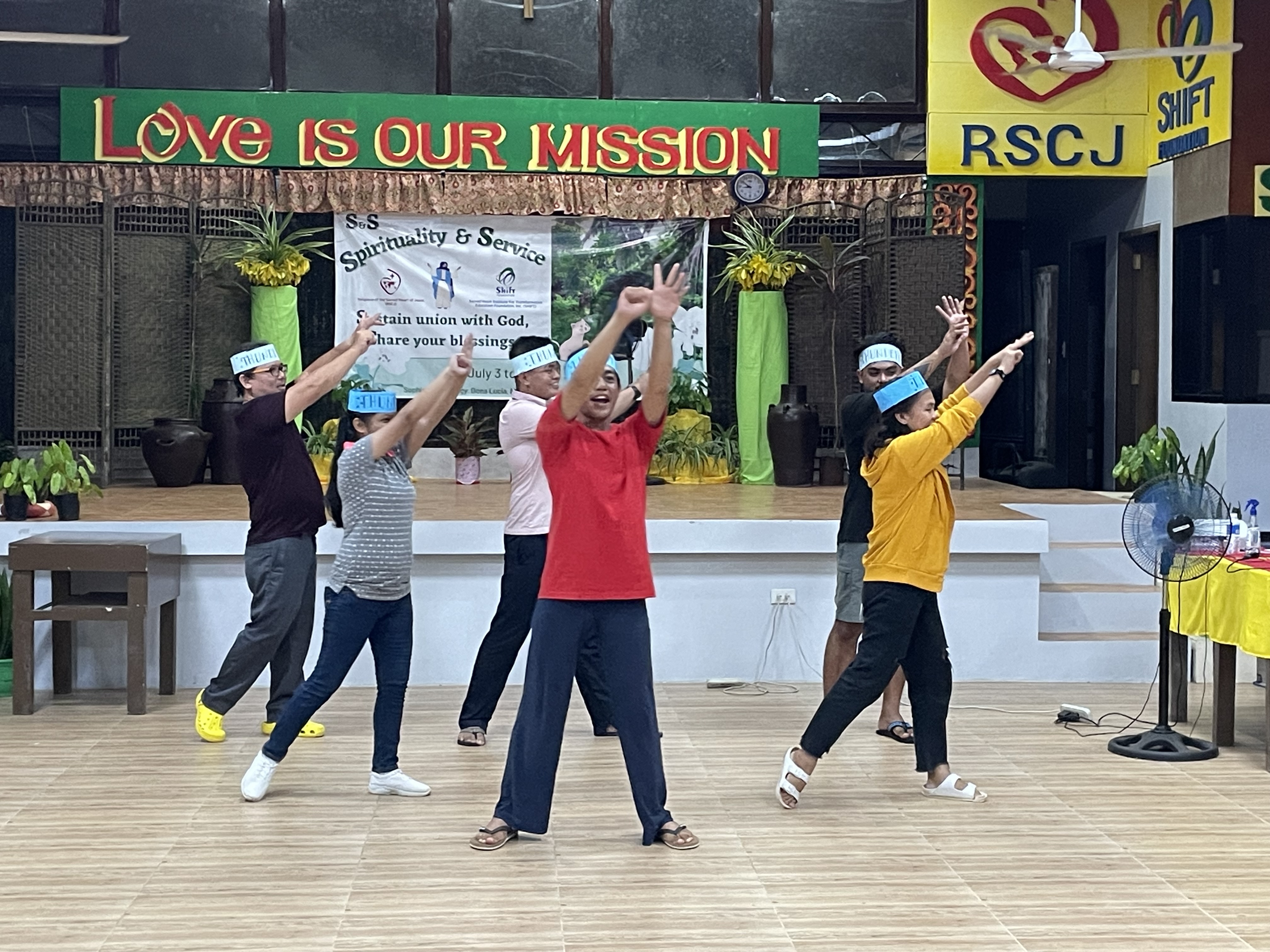
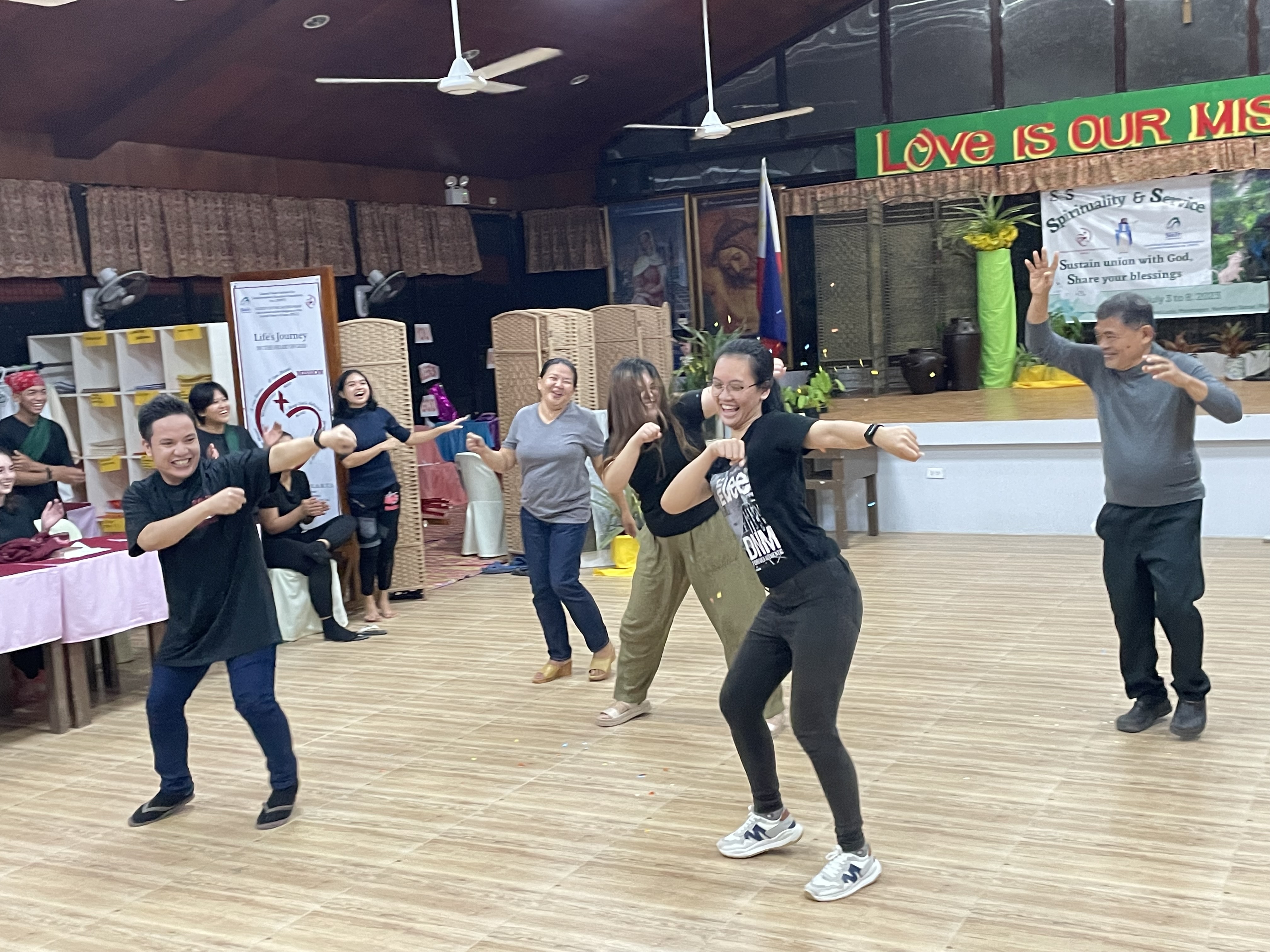
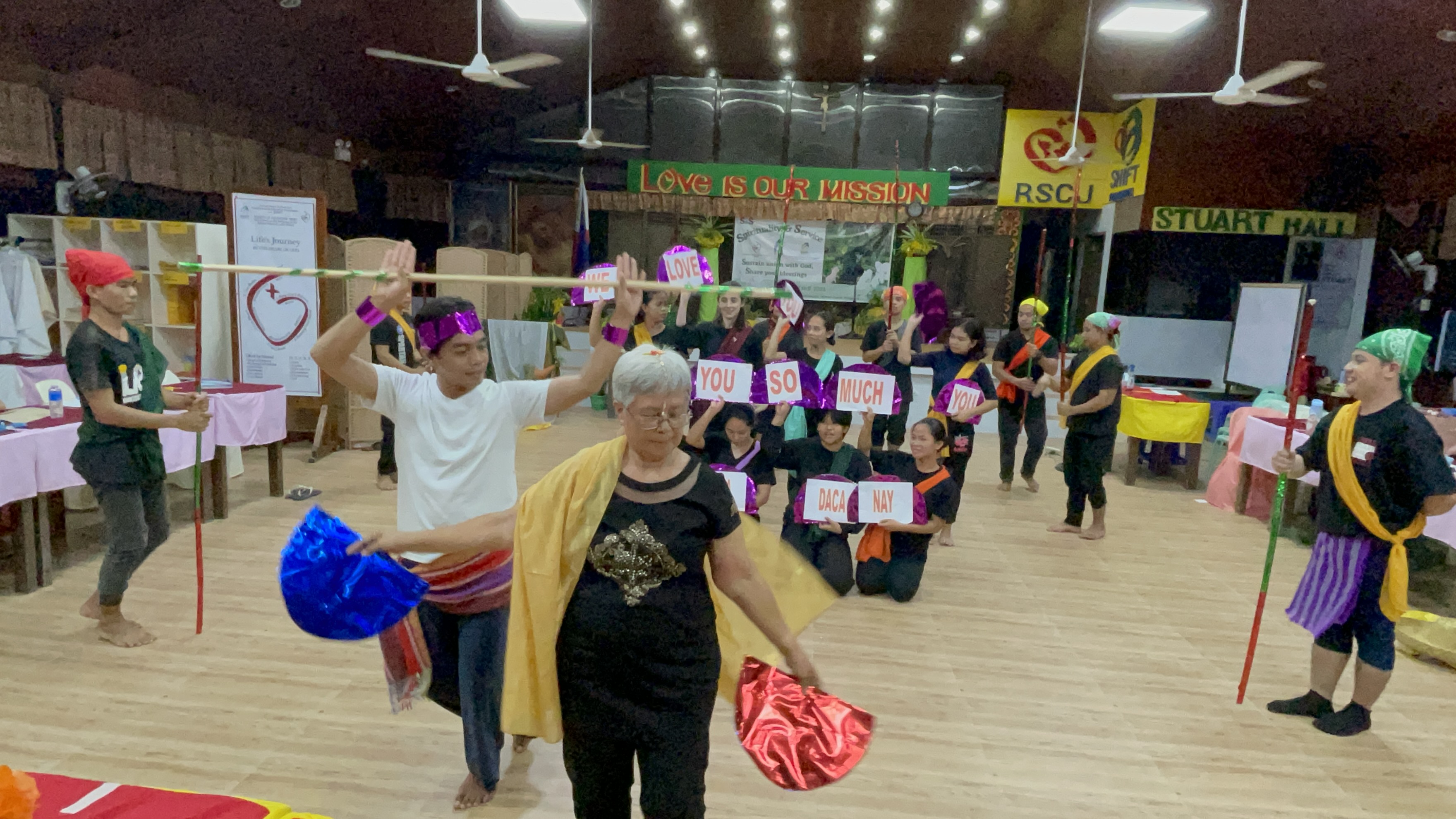
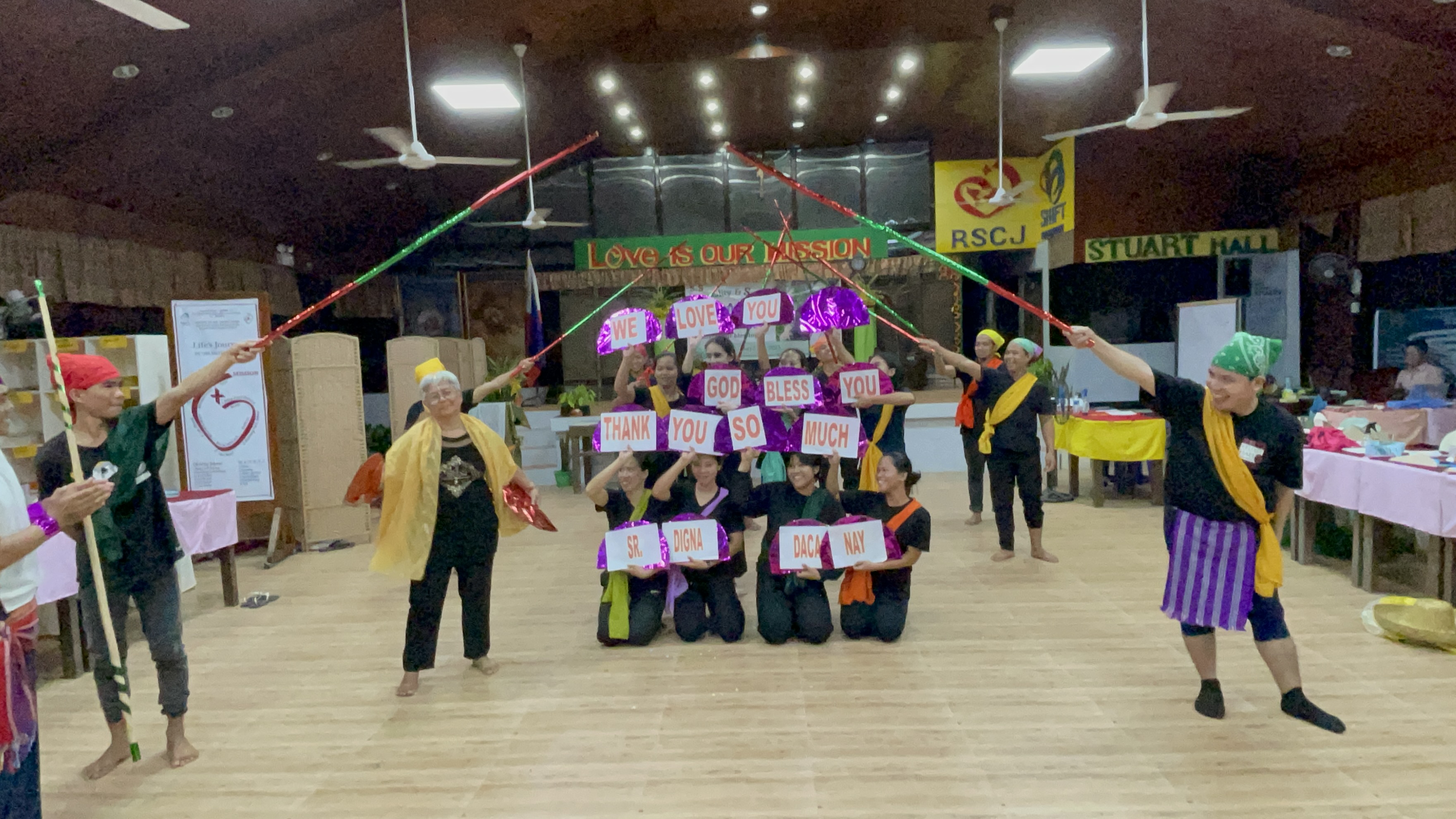
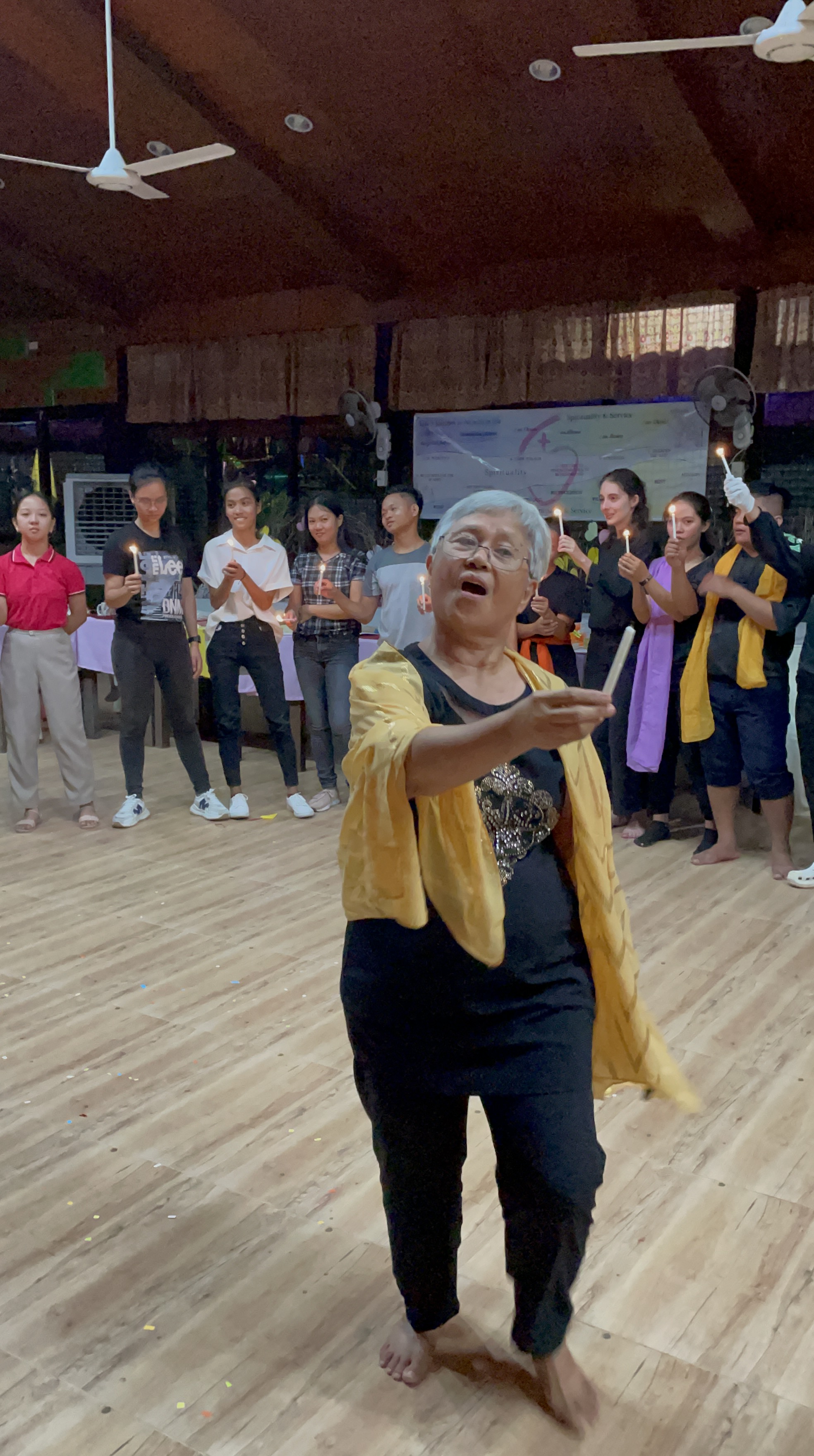
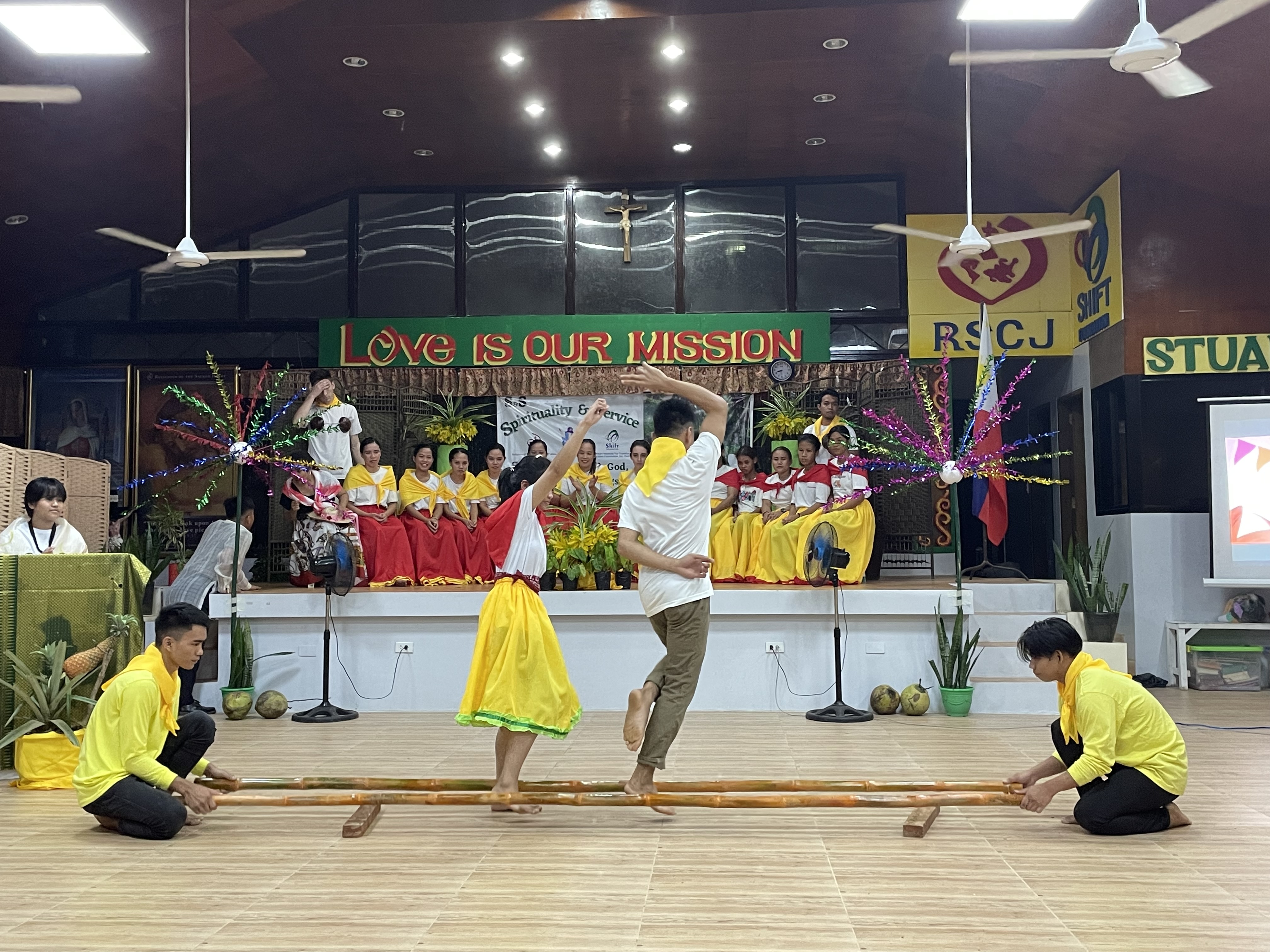
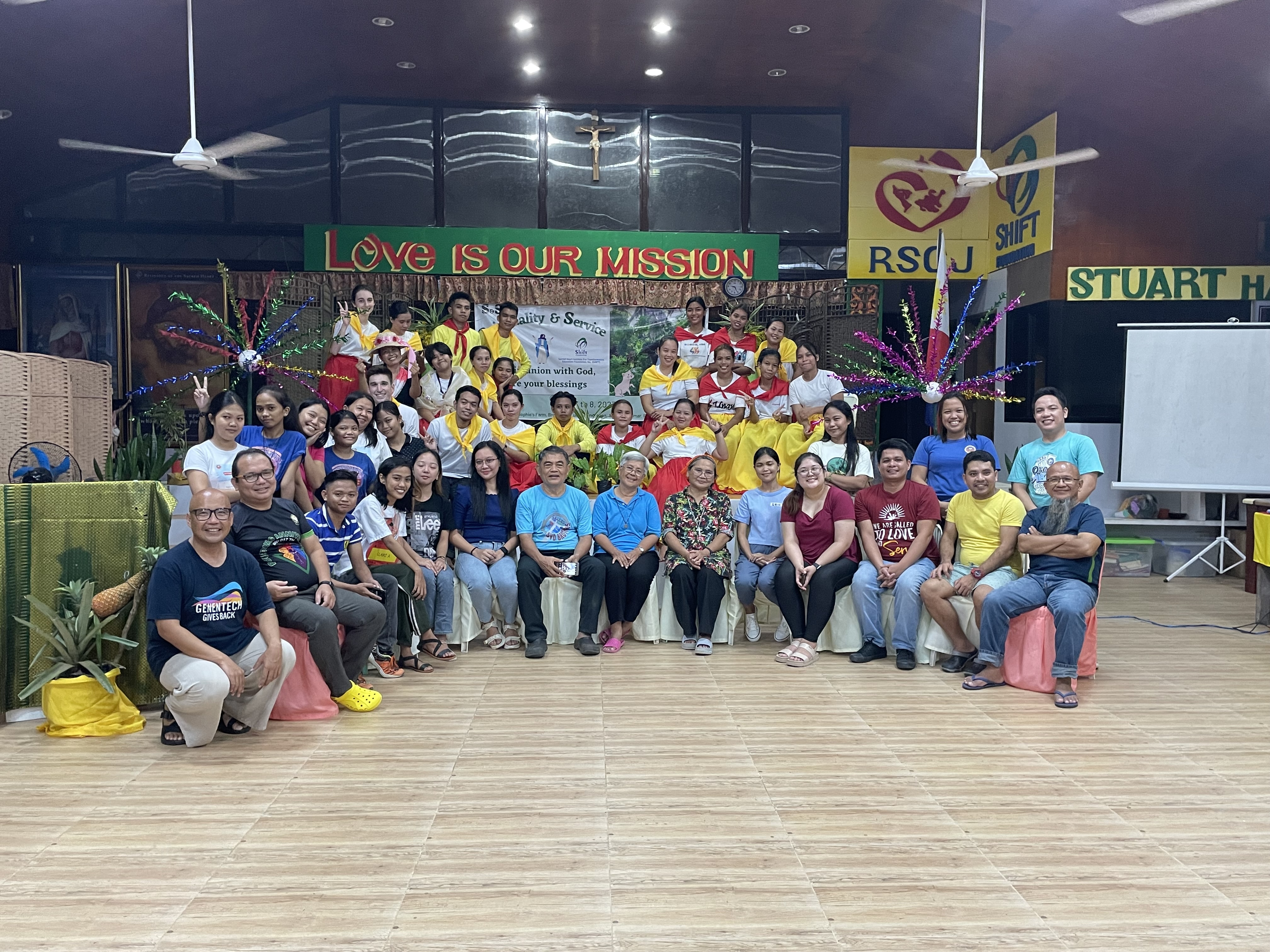
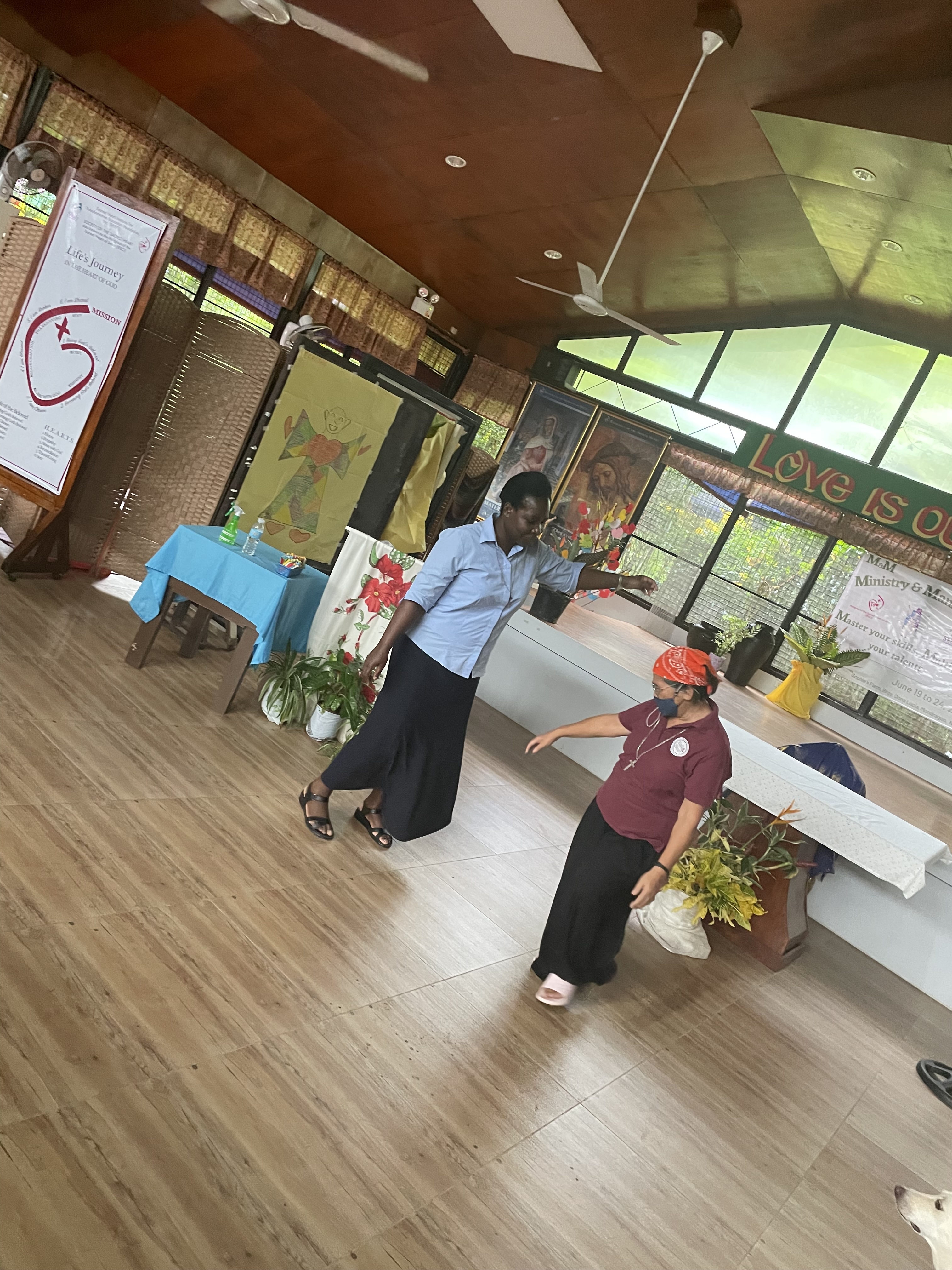
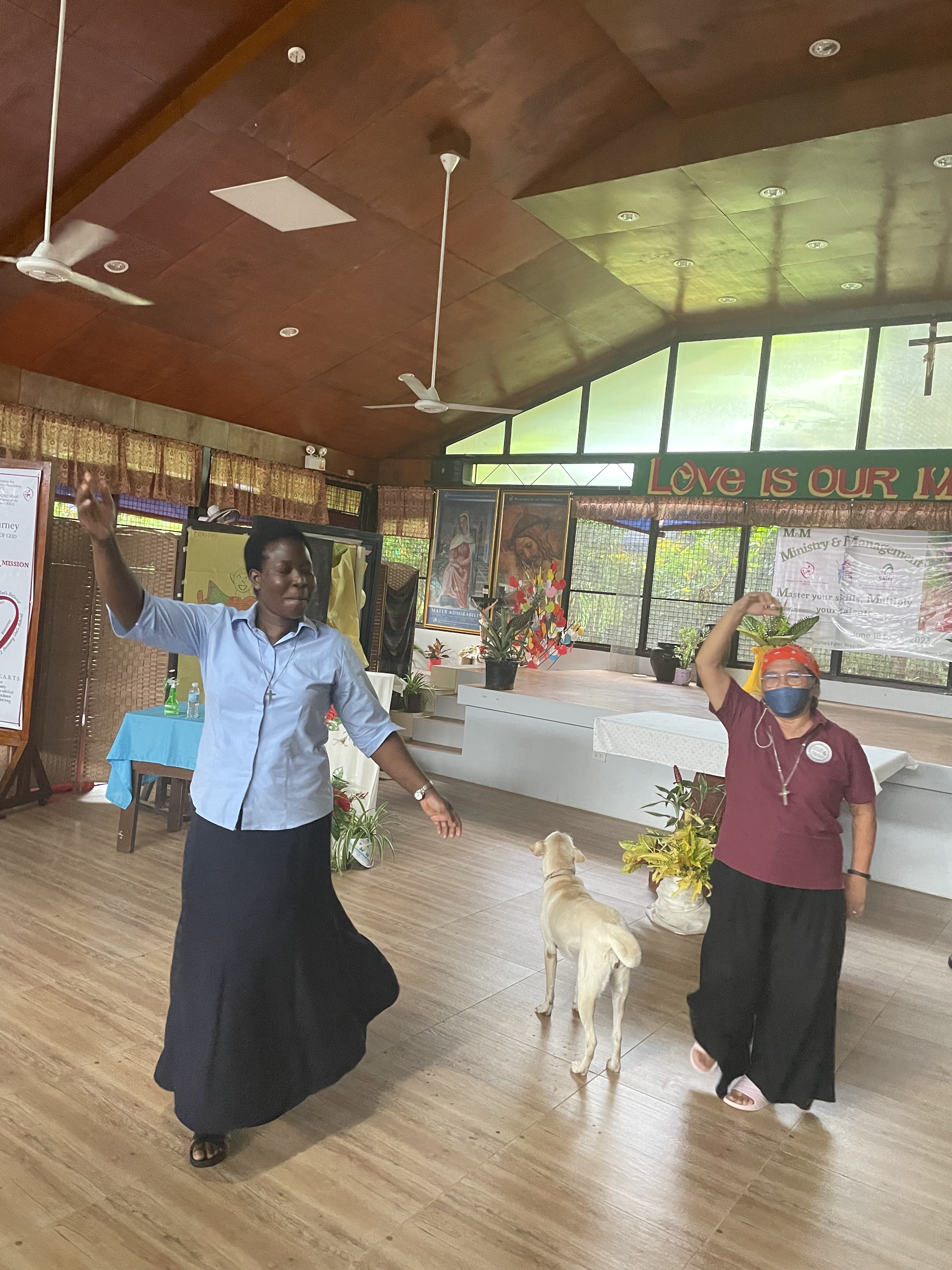
At day’s close, we gathered for another feast. Dances and songs punctuated the sharing of food and drink. Staff members and scholars performed traditional dances, but one, in particular, proved especially spectacular — Sr. Digna joined in a Muslim dance featuring a princess being carried along on a pair of bamboos, a veritable pilgrimage! As Sr. Digna gracefully flicked her wrists in an elaborate fan dance, others quietly gathered behind her holding signs of “Thank You” and “We Love You” — mark her final night at Sophie’s Farm. At the beginning of August, Sr. Digna — who previously served as RSCJ canonical leader in the Philippine district — will be moving to Ho Chi Minh City, Vietnam for a new assignment. 

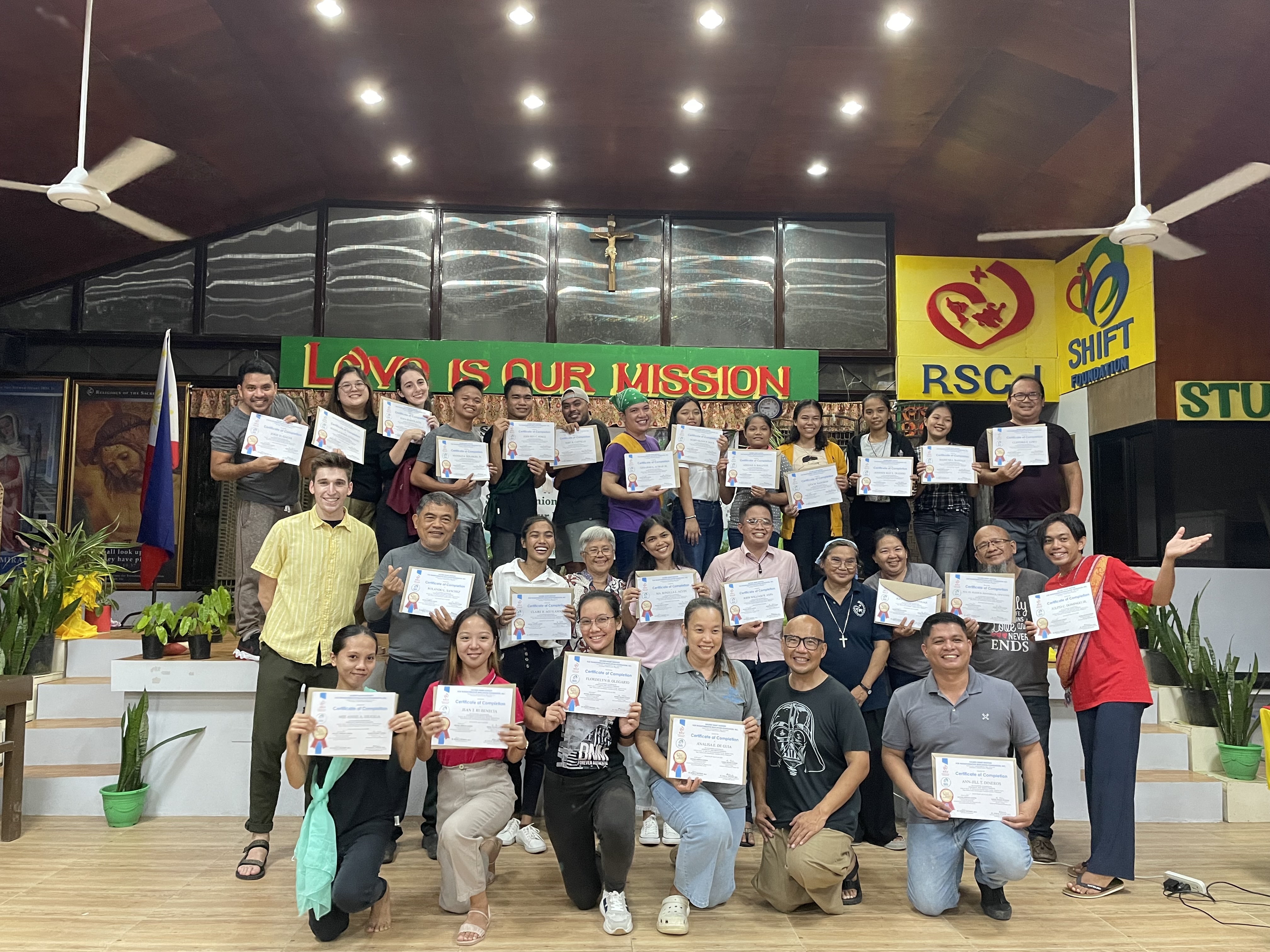
Sr. Lydia concluded the evening by leading the community in free dance, culminating in a ritual singing of Pass It On. Having found ourselves at the Center, to what is essential, participants — now, pilgrims — shared the candle’s flame to illuminate a common life. Bathed in light, humanity and God, God and creation, pain and hope, joy and sorrow flow into a momentary oneness, an integration into the possible. Blessed, broken and shared, we were ready to be sent.

Sophie’s Farm Summer Institute | Day 12

By Dr. Michael Campos, High School Religion, Theology and Spirituality Faculty

Seminar 3, Day 5: I am Broken
Maupay nga aga!

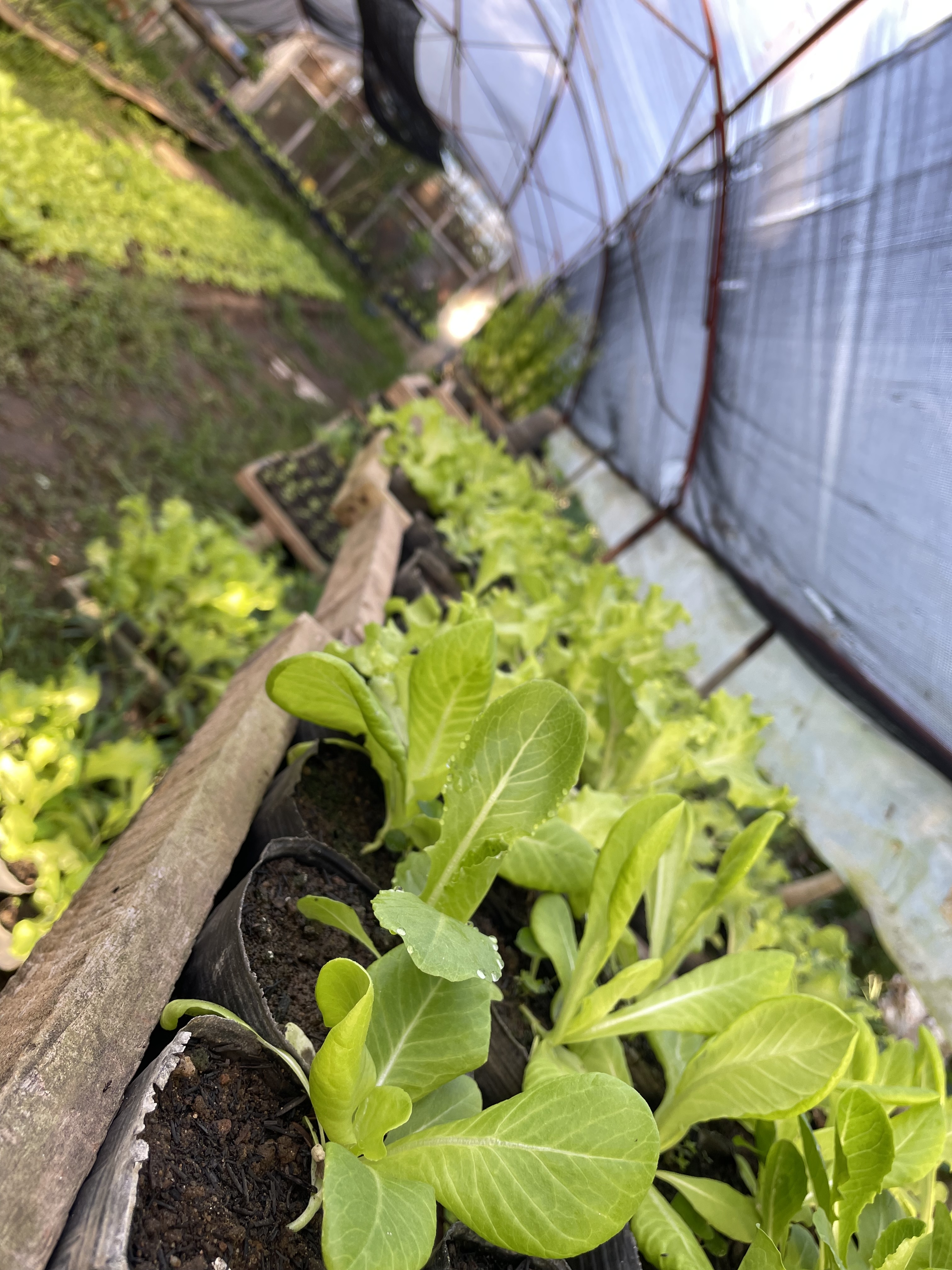
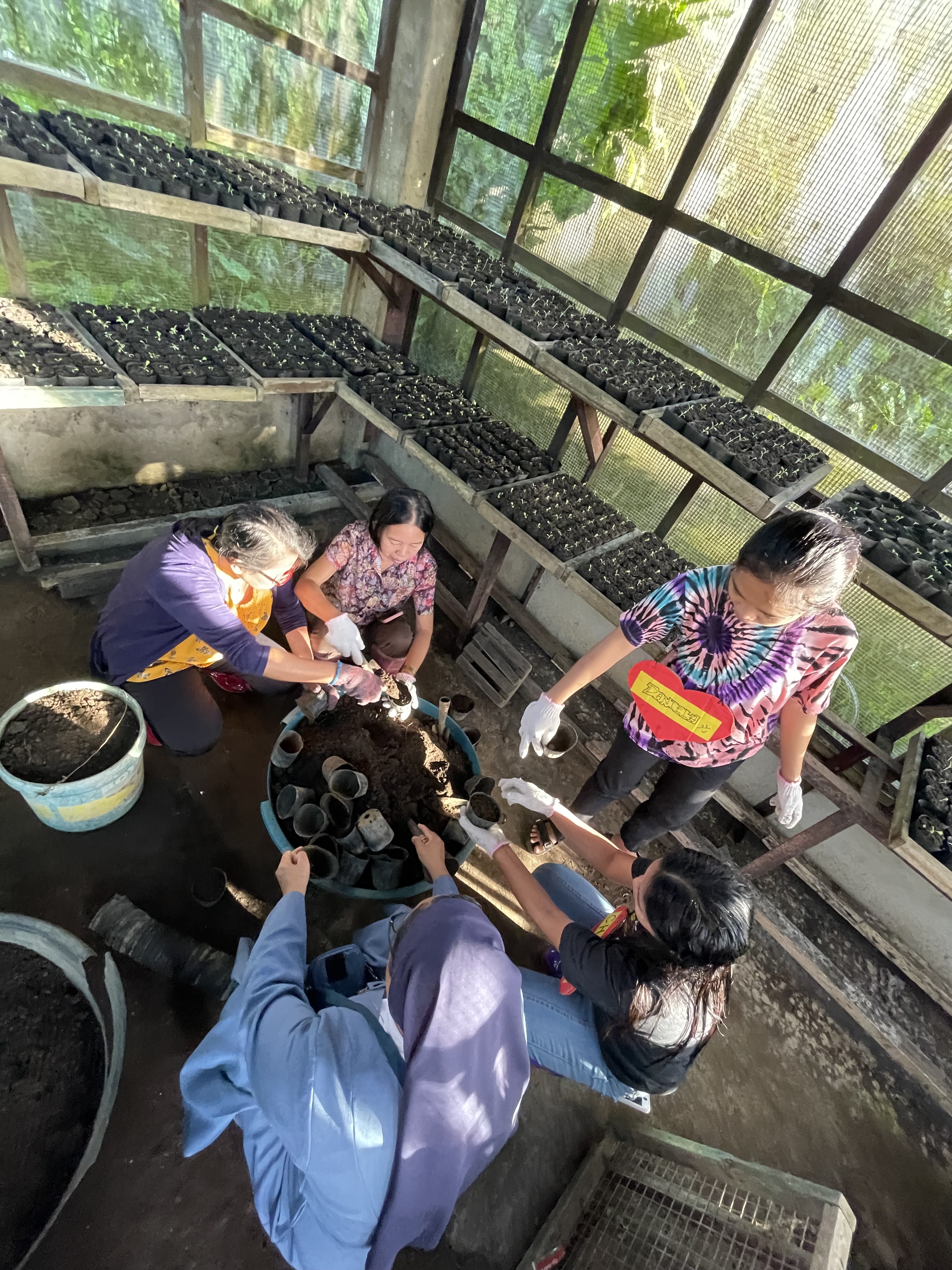
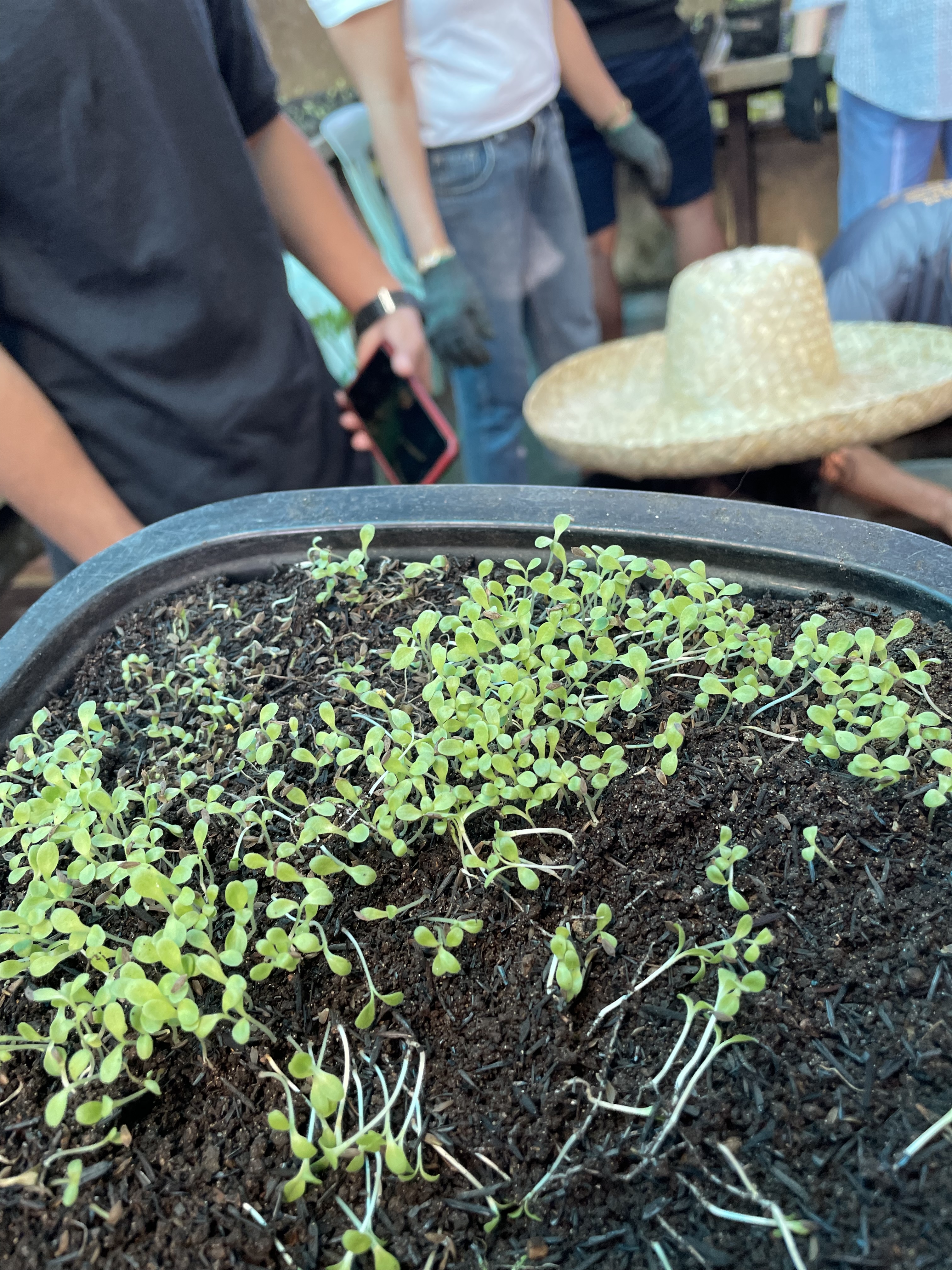
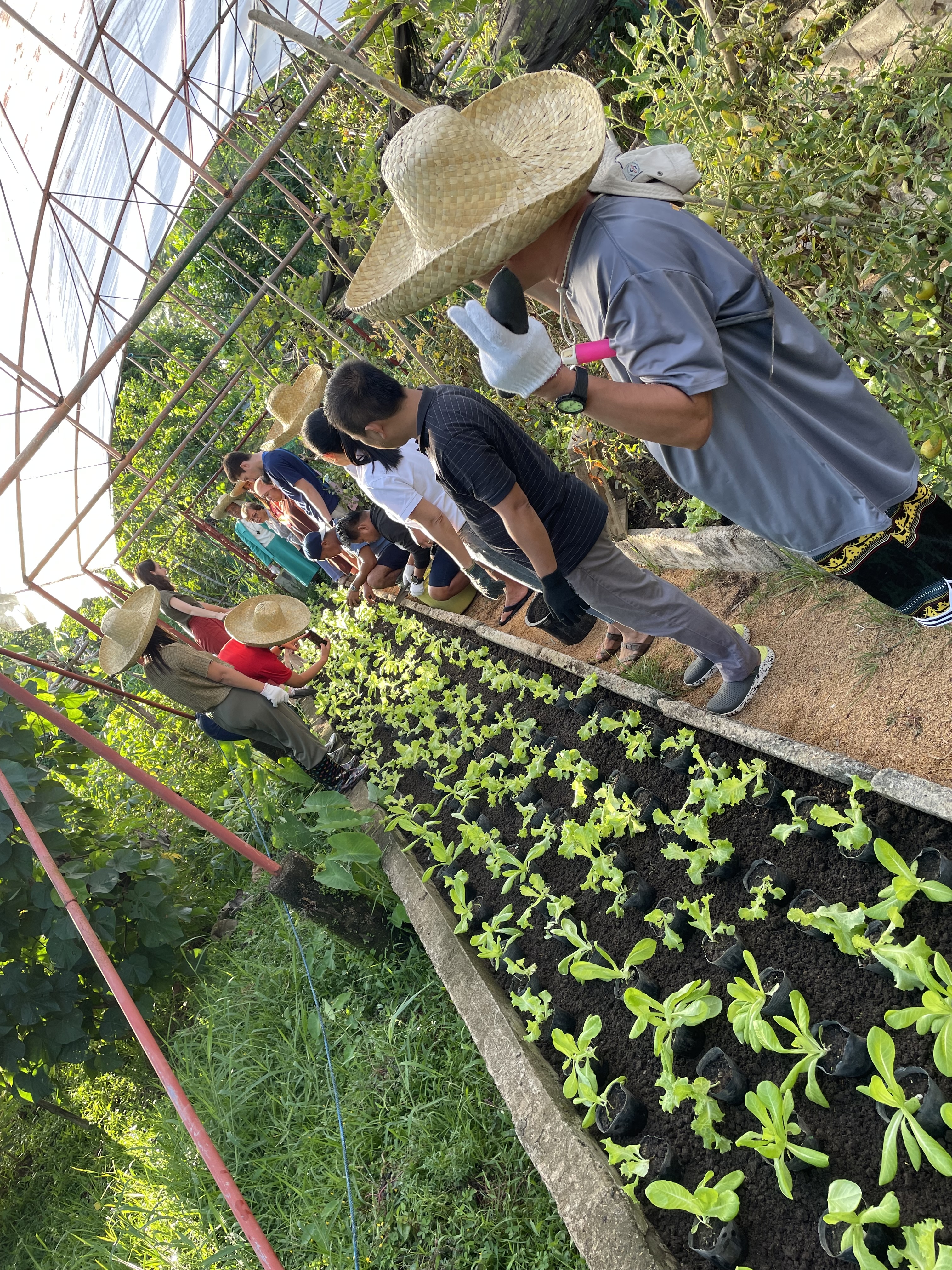
The morning opened at the Lettuce gardens, in the earth, encountering life at its most vulnerable. Moving lettuce seedlings into individual pots, we observed the ways vitality flows out of the simple encounter of soil, sun, space, and time. At the beds, we carefully arranged mature lettuce plantings where, after a week or so, they would have grown enough to be harvested. Recalling the elaborate salads served at table, we experienced the direct connection of the Farm to our daily nourishment. Staff member, Rinalyn Espera, shared how the sale of these salads sustained the work of the Farm during the pandemic. 

Sam opened the day’s conversations by reflecting on “brokenness.” Pointing to the Last Supper, we reflected on the ways Jesus devoted a lifetime of listening to others, where generosity unfolded to personal fragmentation, empathy, and the possibility of shared transformation.

Program Director, Syd Baradi, built on these conversations by sharing how his spirituality, faith, and ministry shaped his more than 20-year work on Sophie’s Farm. Having been among the farm’s first volunteers, Syd stayed on to cultivate its agricultural and land care programs. In the course of a lifetime, Syd named key moments of brokenness that served as the grounding for his commitment to empathy and care. Brokenness offers one the opportunity to recognize one’s strengths, sense of responsibility and capacity to attend to the world’s needs.

Photos by Dr. Michael Campos, Religion, Theology & Spirituality, Faculty

Afternoon sessions reframed brokenness within the context of “vocation.” Rather than describe one’s calling as a linear process — where the one invited responds to and completes the process of invitation — we considered vocation within the spiral movement of a pilgrimage. A “calling,” we learned, arises out of three trajectories:

  • Awareness of one’s strengths and areas of growth;
  • Others’ affirmation of these personal qualities; and
  • Capacity to respond to needs outside ourselves.

The act of “responding” involves a lifetime of reflection, deepening, and constant return to what is essential. Recognizing one’s vocation requires one to pilgrim deeper into one’s brokenness and gifts, to align these with the needs of the world.

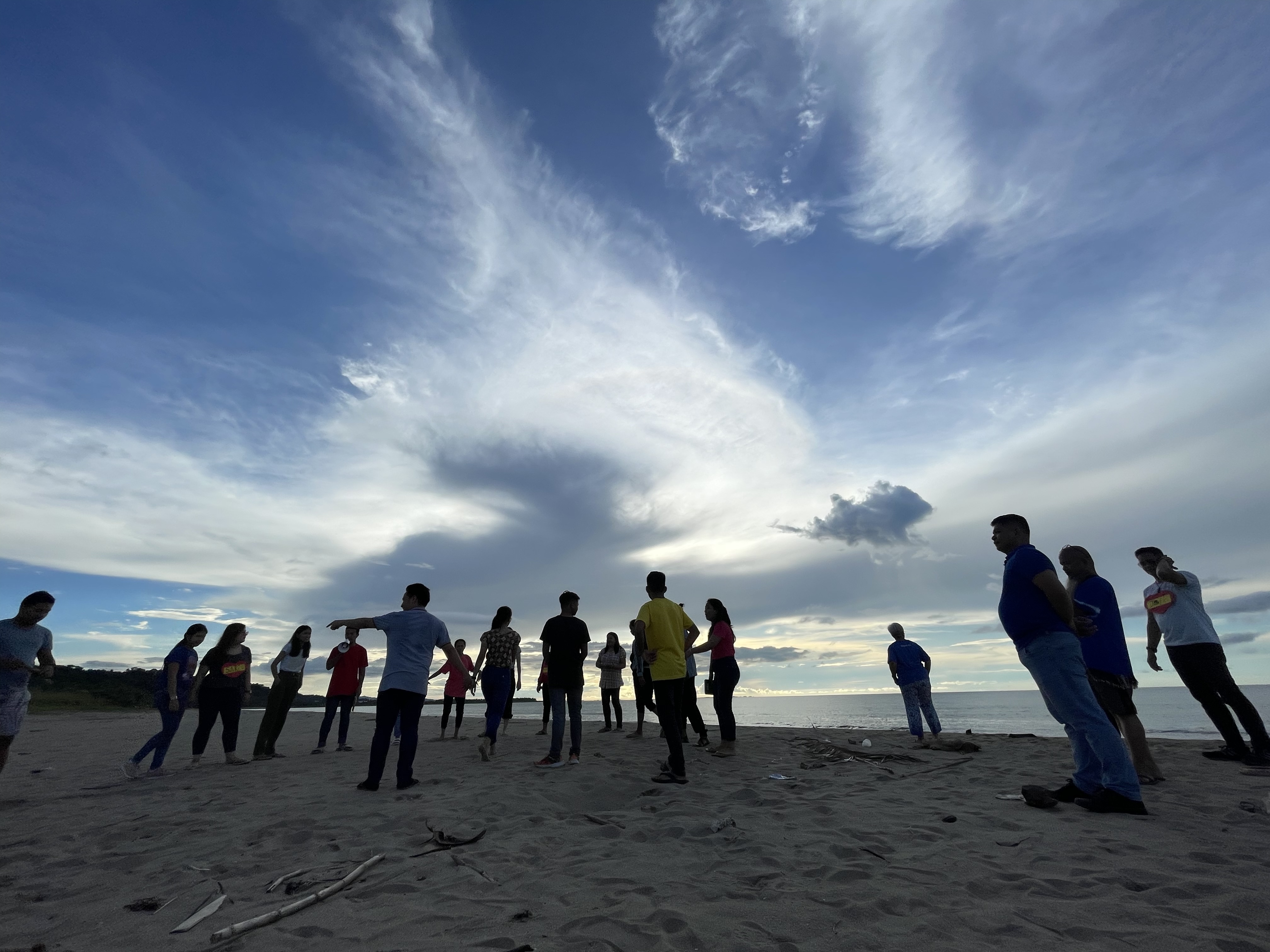
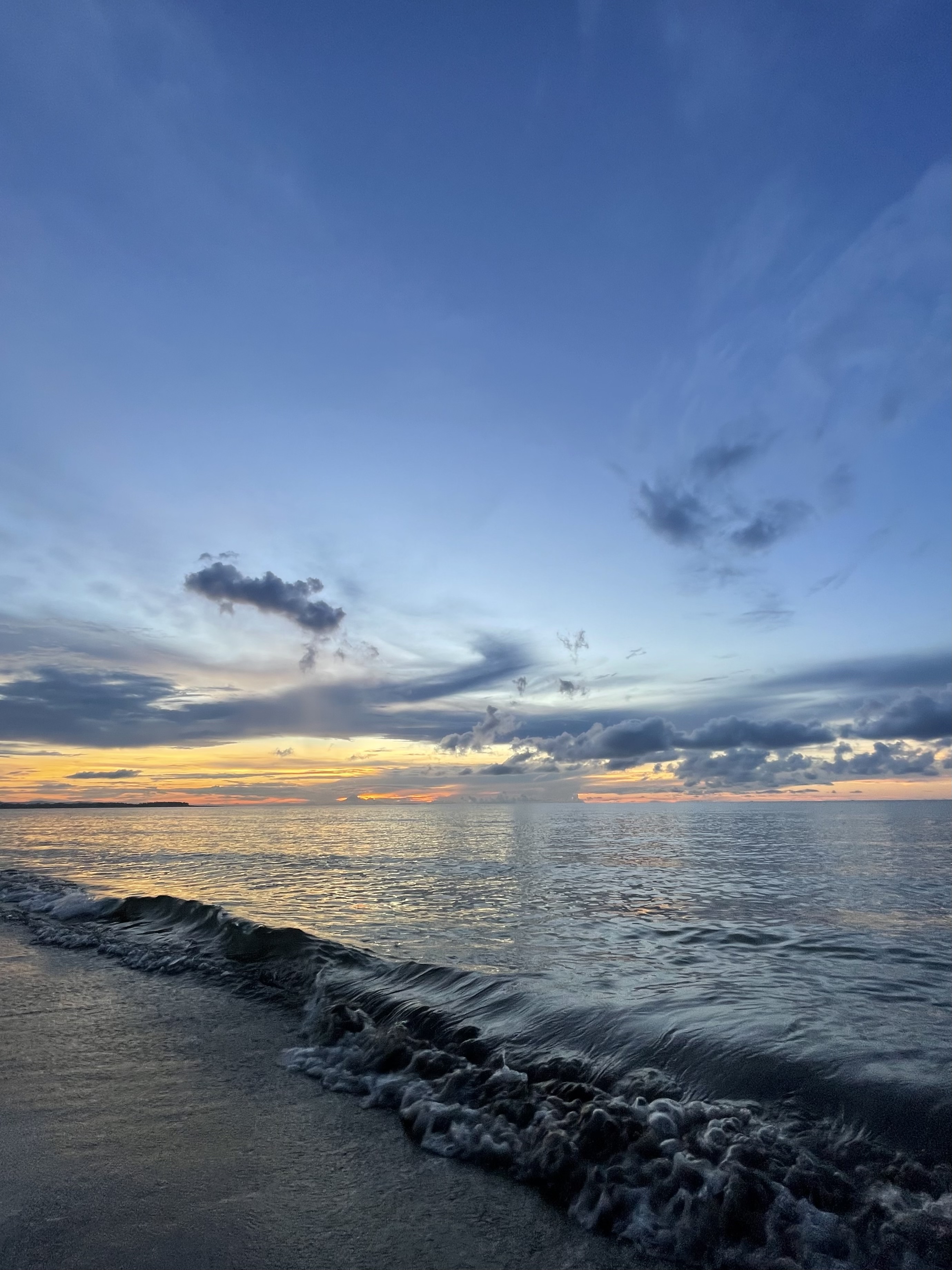
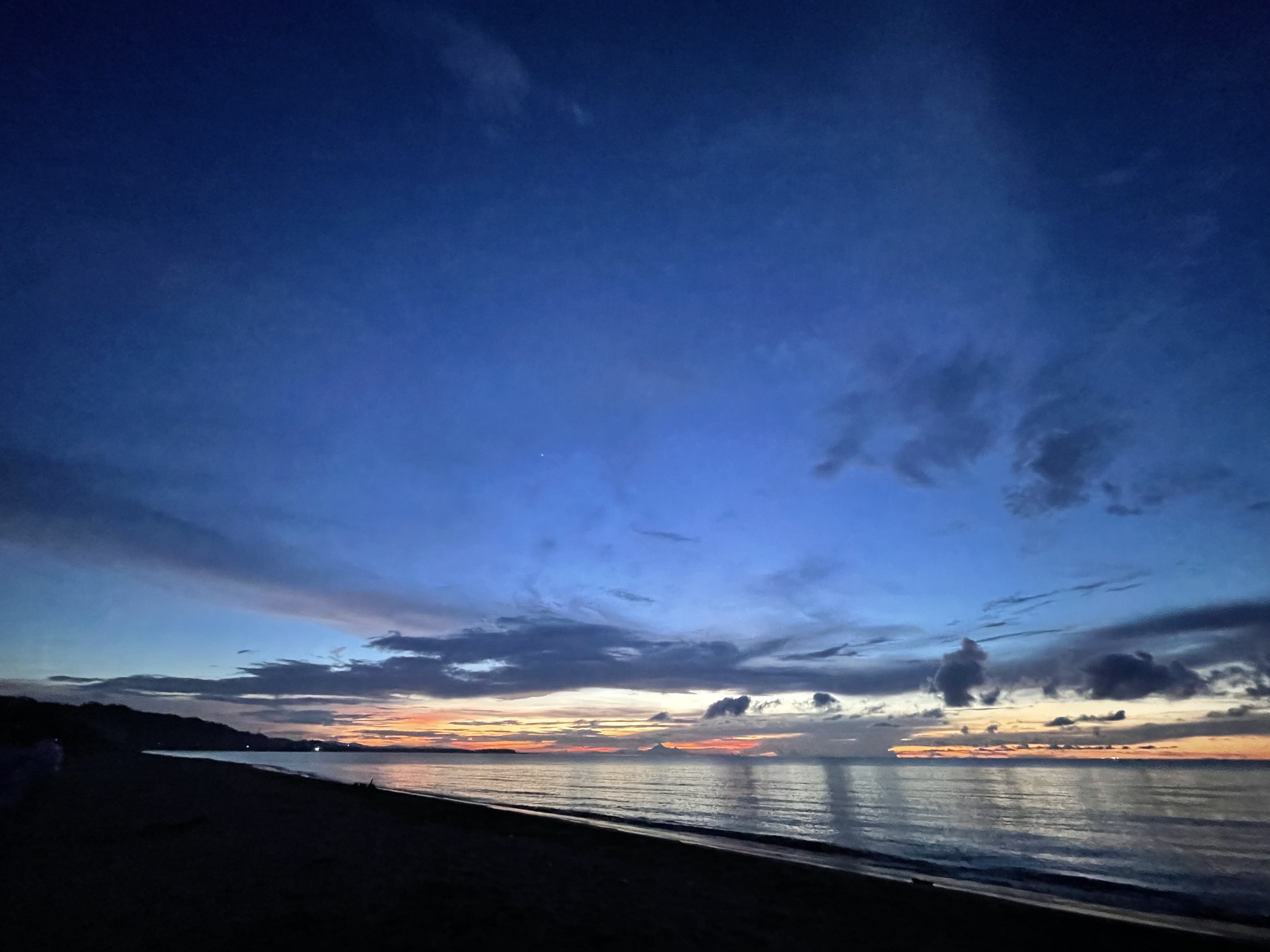
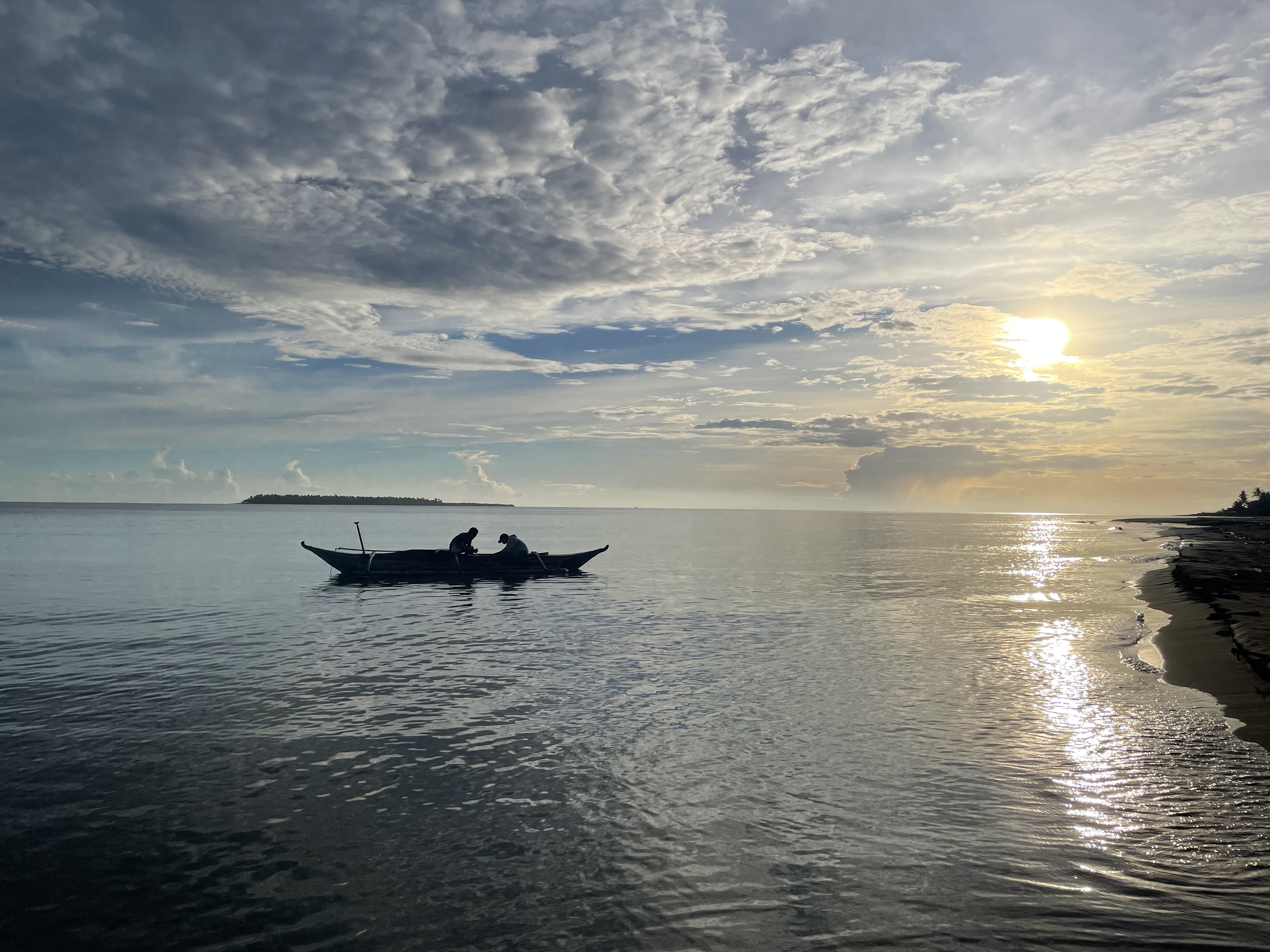
The day closed with a walk to the beach at dusk. Crossing the road and hiking through a coconut grove, participants congregated by a banca near the ocean. Staff members lugged a large container of sorbetes — local ice cream — for all to enjoy. As the sun descended into the horizon, the evening sky burst into hues of oranges, blues, reds and yellows. From a distance, we saw outlines of nearby Luzon island. In Filipino fashion, several broke out in song and dance to mark the day’s end. 

Maupay nga gab-i! 
Good evening!

Sophie’s Farm Summer Institute | Day 11

By Dr. Michael Campos, High School Religion, Theology and Spirituality Faculty

Seminar 3, Day 4: I am Blessed
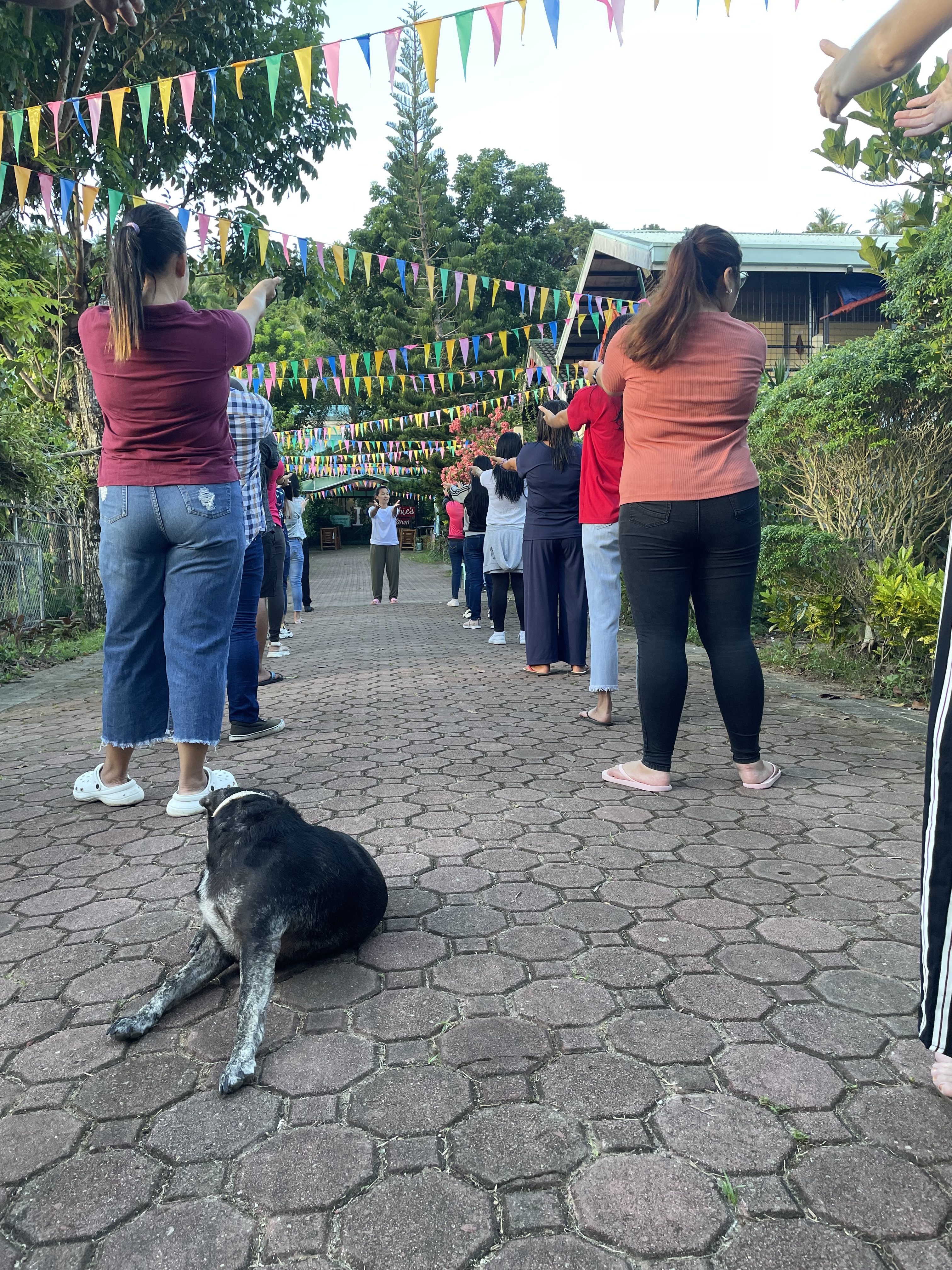
A few minutes before 6 a.m., a gentle melody called us to gather along Sophie’s Pathway. Facilitated by staff member and animator extraordinaire, Malou Ybanez, we learned to pray through movement and breath. After 45 minutes of individual practice, we gently found our way to the Village “clubhouse” for breakfast and small group sharing. Maupay nga aga!

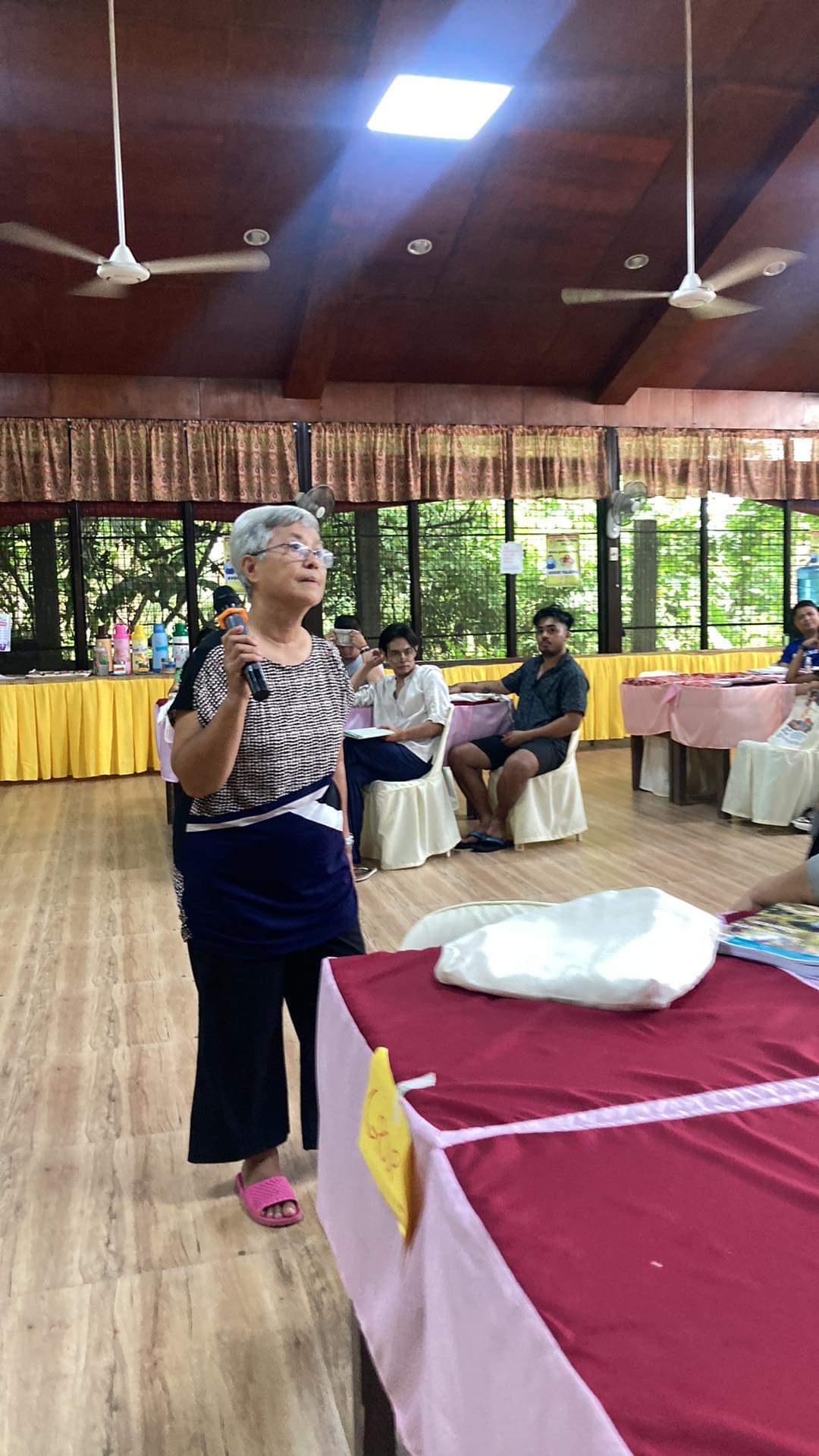
Dr. Agnes Brazal (De La Salle University), facilitated a seminar on Justice, Peace and Integrity of Creation. Based on Pope Francis’s encyclical, Laudato Si’, Agnes guided participants in a study of the ways ecological ethics evolved since the Industrial Period. Agnes traced shifts in the primacy of human agency vis-a-vis environmental concerns. Whereas classical humanism initially placed human interests at the center, contemporary conditions reoriented the human to the periphery, one player (albeit a significant one) in an emerging global concern over ecological sustainability.

Deepening Agnes’ insights, we revisited the ways Judaism identifies G-d’s action with that of creation: tikkun olam. More than extending any right for humans to “subdue” the world, to create is to exist in the act of blessing the world, to care for the universe as a practice of spiritual becoming.
Photos by Dr. Michael Campos, Religion, Theology & Spirituality, Faculty
Sophie’s Farm Summer Institute | Day 10

By Dr. Michael Campos, High School Religion, Theology and Spirituality Faculty

Seminar 3, Day 3: I am Chosen
Maupay nga aga! 

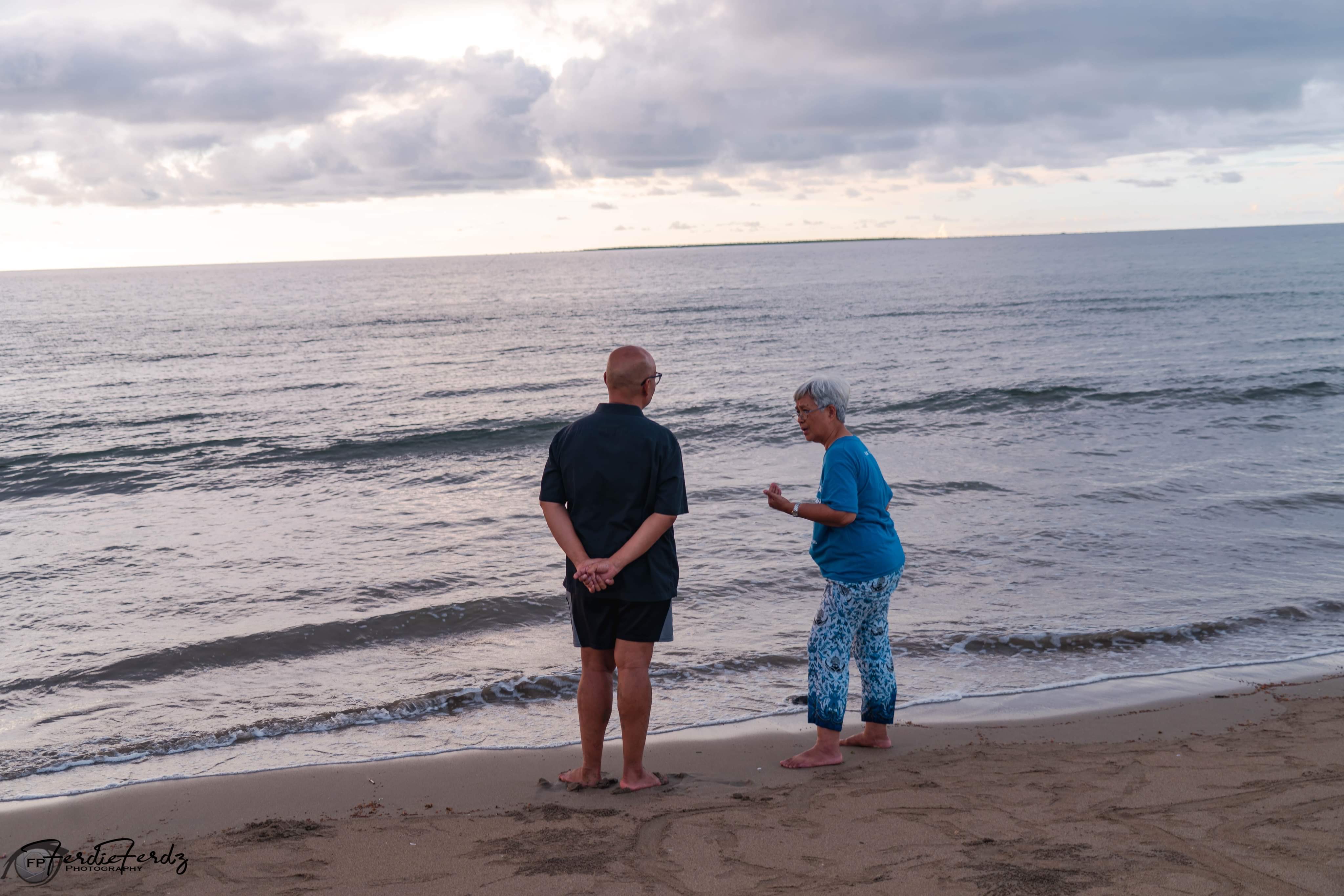
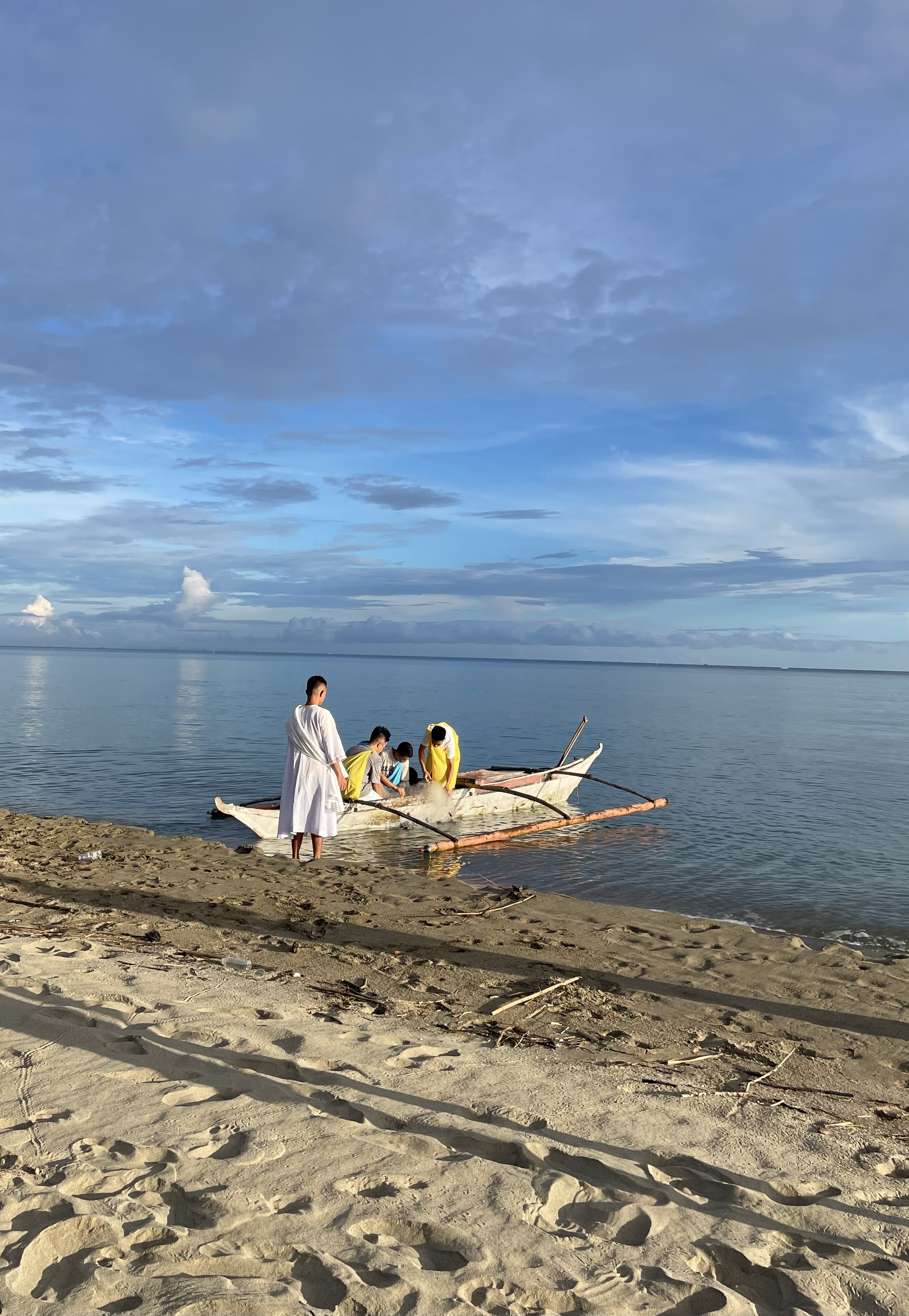
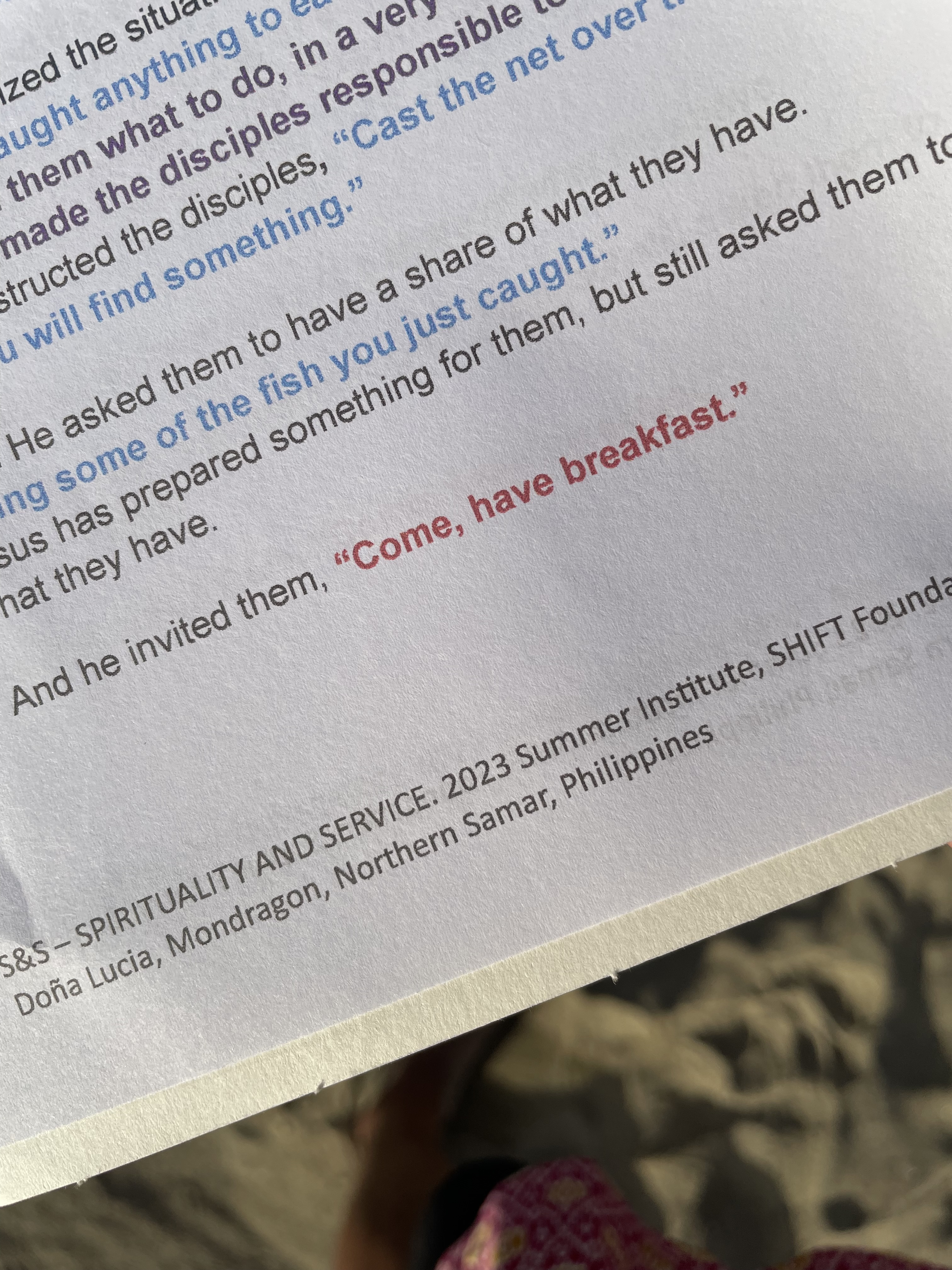
In what is proving to be an iconic event for all three Seminars, participants welcomed the morning sun at the beach, in a reenactment of the post-Resurrection narrative from the 21st chapter of the Gospel of John. SHIFT Scholars played the roles of Jesus and his four disciples; a local family lent us their small banca (outrigger canoe) to incarnate the moment in which Jesus encountered a cohort of fishermen who could not imagine their lives outside the demands of survival. Having “seen” Peter and his friends beyond their poverty and dejection, Jesus called them to agency and conversion.

Considering humanization as foundational to spiritual practice, Sam facilitated a discussion of the sacramental theology of the Roman Catholic Church. The questions that followed reflected the diversity of participants: some focused on the philosophical framework of baptism and confirmation; others clarified catechetical concerns related to sacramental practice.

I invited the cohort to reflect on the difference between “being seen” and “being gazed upon.” The latter draws from the thought of French psychoanalyst Jacques Lacan and theorist Michel Foucault who observed how social expectations tend to shape how we behave and self-regulate. To “be seen,” on the other hand, comes from a place of profound self-awareness. When we live in ways that align our “deepest desires” with our speech and actions, others “see” the fulness of our authenticity. In order “to be called,” we aspire first to be human.

Photos by Dr. Michael Campos, Religion, Theology & Spirituality, Faculty

Sophie’s Farm Summer Institute | Day 9

By Dr. Michael Campos, High School Religion, Theology and Spirituality Faculty

Seminar 3, Day 2: Becoming God’s Beloved
Maupay nga aga! Good morning!

Building on the concept of pilgrimage, Sr. Lydia invited us to regard spirituality as the work of “humanization.” In order to fully integrate fragmented selves, we engage in  a process of critical repetition, where one revisits self-destructive patterns in ways that deepen awareness. More than merely repeating — and thus, reliving — trauma, one “returns” to the past in order to transform one’s relationship with suffering. Sr. Lydia drew on an old Filipino adage to describe this spiral trajectory of this process:
Madaling maging tao, mahirap magpakatao.
Being human is easy; be-coming human is a struggle.

To be-come human requires a constant return. With each “return,” one takes account of one’s stories, especially those that have been silenced by abuse, suffering and trauma. Rather than allow one’s self to be defined by the past, a reflexive critique deepens one’s capacity to choose. This strengthens personal “agency” (Lat. v., agere, “to act”). Being responsible for one’s stories reorients our encounter with loss, moving from fragmentation to moments of possibility.

Photos by Dr. Michael Campos, Religion, Theology & Spirituality, Faculty

Sophie’s Farm Summer Institute | Day 8

By Dr. Michael Campos, High School Religion, Theology and Spirituality Faculty

Seminar 3 Introduction
The “Spirituality and Service Seminar” (S&S) is the last of three weeklong modules offered by RSCJ-SHIFT’s Summer Institute 2023. 

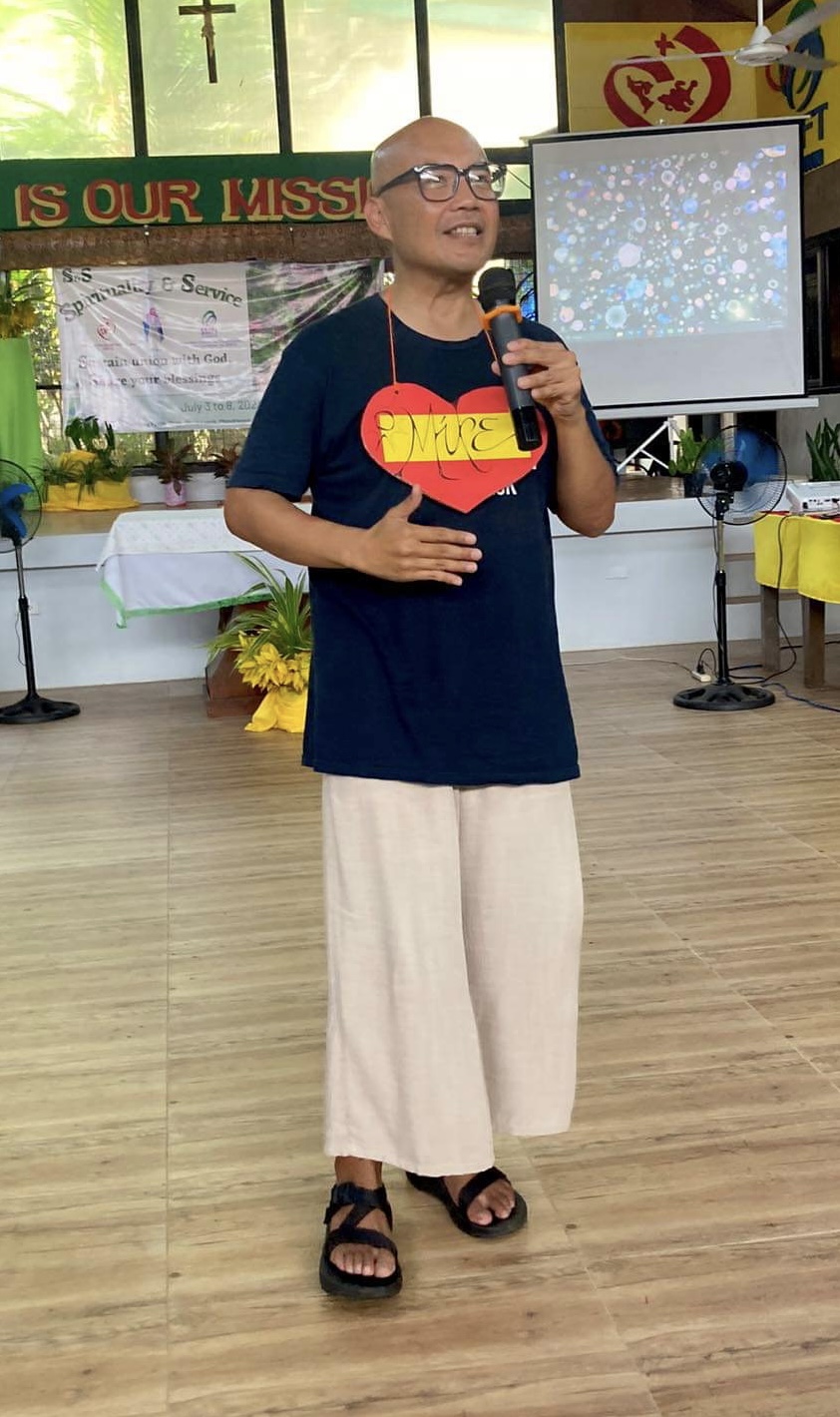
Similar to the two previous seminars, S&S featured speakers, volunteers, and facilitators from France (Elea Bertolacci), the United States (Samuel Schelble, MA student of theology from Boston College), and the Philippines (Dr. Agnes Brazal, theology professor from De La Salle University, Manila). I represented Convent & Stuart Hall as co-facilitator with Sr. Lydia and Sr. Digna Dacanay.

Participants came from a variety of institutions throughout the Philippines. Given the focus on “Spirituality and Service,” however, S&S attracted a large local constituency, i.e., student leaders from the University of Eastern Philippines, government staff, parish leaders and youths under the care of the Department of Social Work. This shaped the tone of conversation, with languages straddling Tagalog, English and the local dialect, Ninorte Samarnon.

Photos by Dr. Michael Campos, Religion, Theology & Spirituality, Faculty

Seminar 3, Day 1: Being God’s Beloved
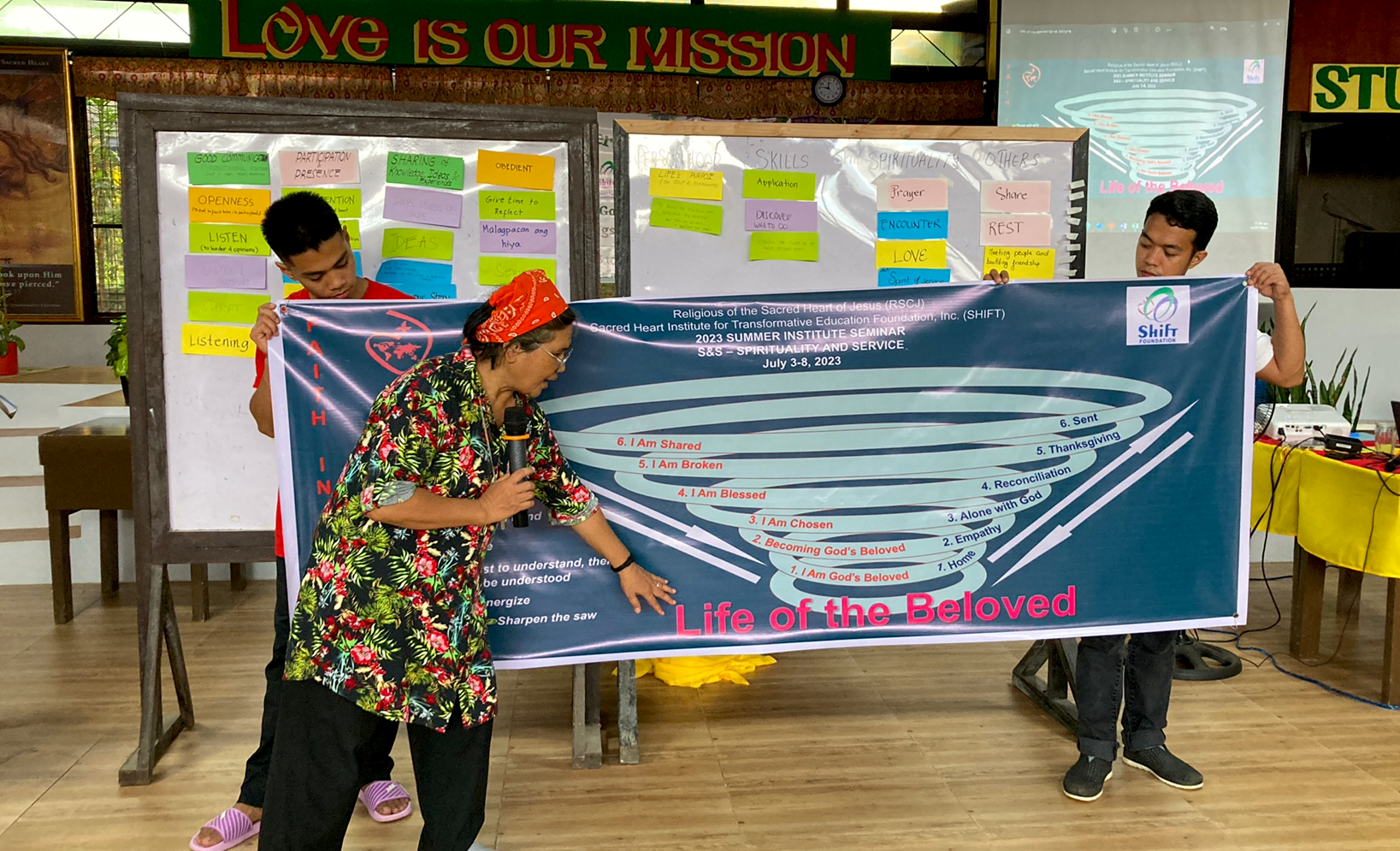
While S&S also reflected Henri Nouwen’s framework of blessing, brokenness, and sharing, Sr. Lydia grounded spirituality in the practice of “pilgrimage.”

Waking up at dawn, the few participants who arrived the previous evening meandered to the gates of Sophie’s Farm, right on the provincial highway contouring the beach. Sr. Lydia introduced the concept of “pilgrimage” as a practice of conversion to a way of life where intention, speech, and action aligned with one another. She described this process akin to “humanization,” a movement of ever-deepening awareness.

We made a first stop at Lucky’s Vermiculture Center, which houses the farm’s composting system. Sr. Lydia narrated the story of the eponymous Lucky, the dog who — after barely surviving puppyhood — grew to embody unconditional love for community members of Sophie’s Farm. 

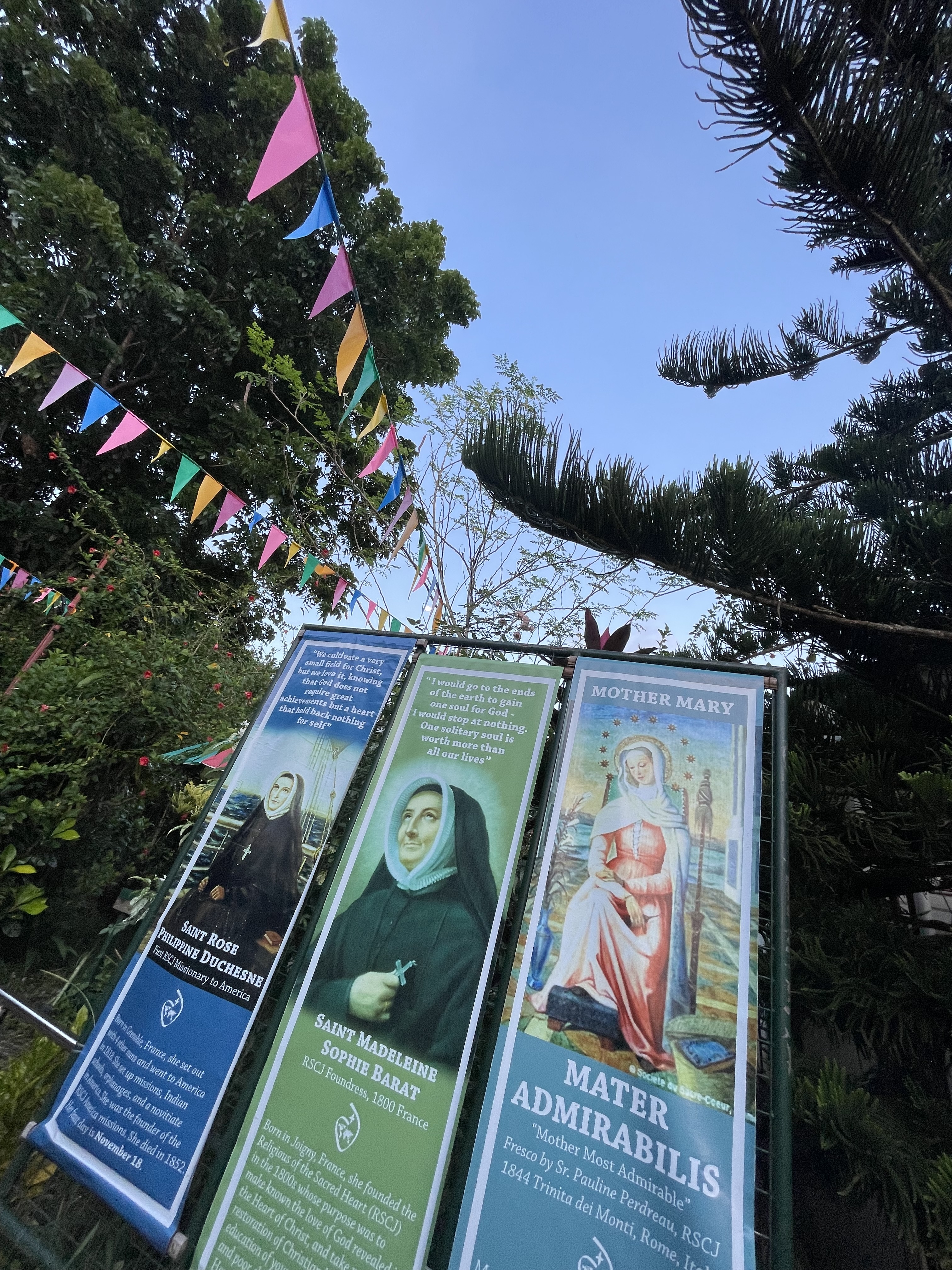
We then proceeded along Sophie’s Pathway and introduced participants to the story of St. Madeleine Sophie Barat, taking note of how a rigid upbringing complemented, in turn, a deep, interior freedom. It is this sense of freedom that allowed Sophie to imagine a transformative life for women beyond the social limitations imposed on them after the French Revolution. For Sr. Lydia, this interior freedom primed Sophie for personal, spiritual and social conversion. 

After a short visit to the shrine of the Sacred Heart of Jesus, participants gathered at the “clubhouse” of Sophie’s Village — cheekily mimicking the nomenclature of gated subdivisions typical in Philippine suburbs — for much deserved breakfast.

The day’s schedule followed the flow of earlier seminars, beginning with animations (energetic song and prayer movements) followed by a scriptural meditation on the day’s theme. Sam Schelble invited us to consider what it means to be created in imago Dei (image of God). An ancient Judeo-Christian concept dating from the book of Genesis, imago Dei speaks of a dynamic unfolding. Just as God devoted six days in creation, so are we engaged in the process of continuous self-discovery, itself a practice of “creation.” In Genesis 1, imago Dei functions as the final step in bringing the material world to life. God is thus reflected in the entirety of creation, not just through human beings. To be imago Dei is to stand in flux and possibility.

In the afternoon, Sr. Lydia invited participants to reflect on their “deepest desires.” She introduced the practice of collective listening followed by small group sharing. This tension between large- and small-group interactions provided multiple entry points for participants to engage one another according to varying levels of comfort.
Photos by Dr. Michael Campos, Religion, Theology & Spirituality, Faculty

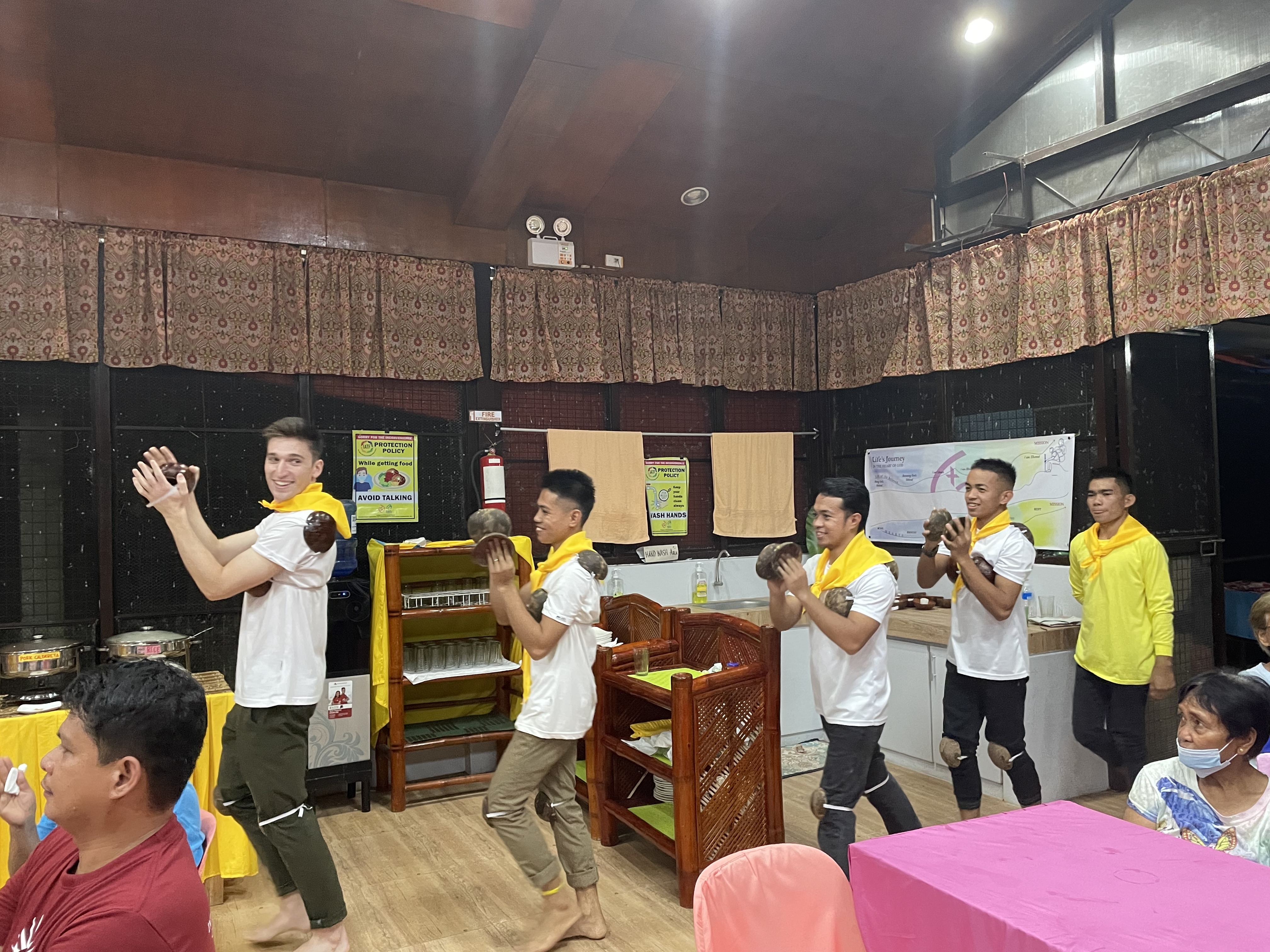
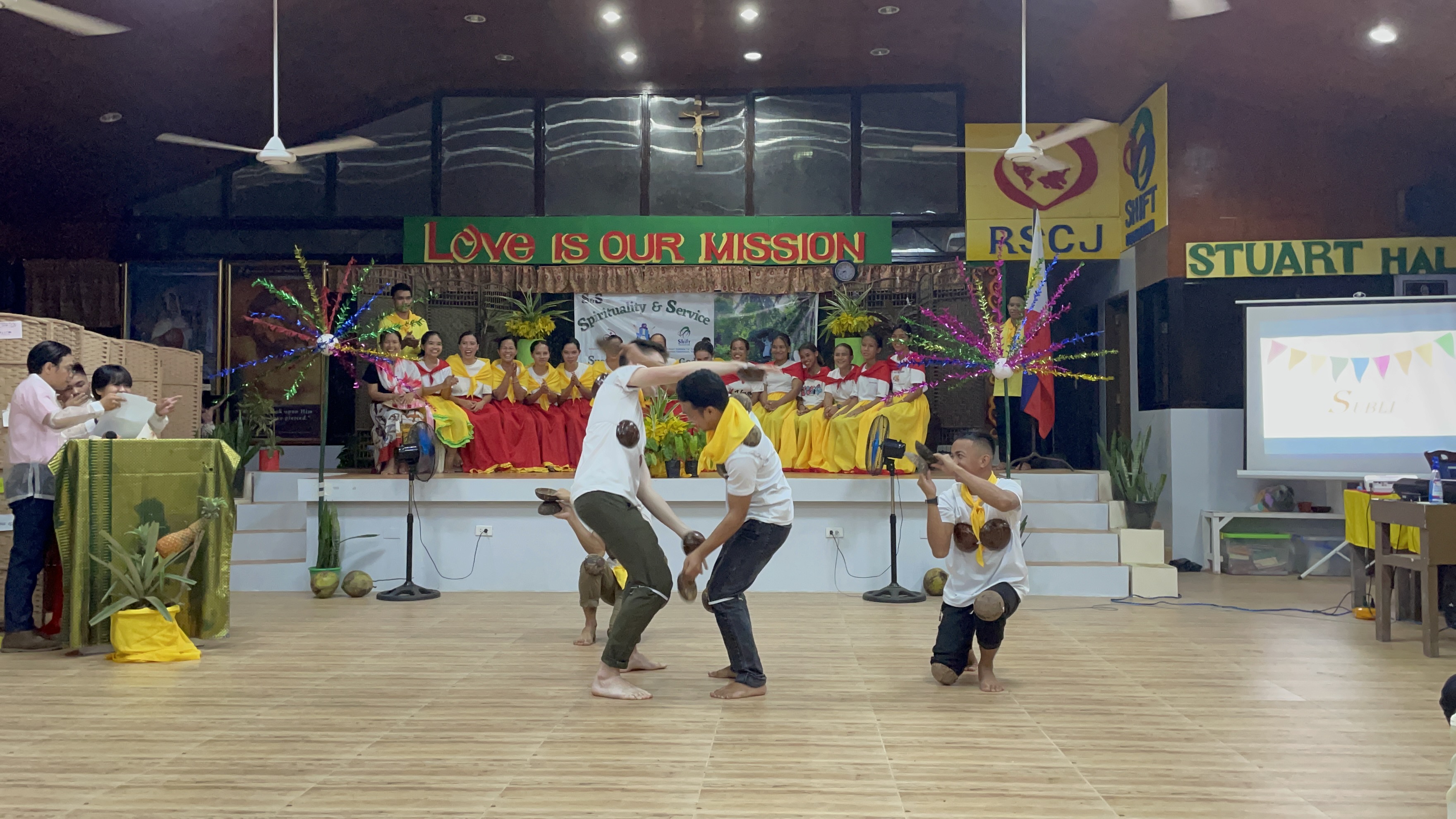
In typical Sophie’s Farm tradition, participants were officially welcomed during Mass at day’s end. The liturgy was followed by a celebratory dinner and Barrio Fiesta, a cultural presentation of indigenous dances and songs. Whereas Sr. Mercy surprised us with a Ugandan liturgical dance two weeks ago, this time, it was Sr. Digna who wowed us with her lithe negotiation of clacking bamboo poles in tinkling (apparently, she was a quasi-professional dancer in a previous life). Sam, who is proving to be quite the expert in traditional dances, leveled-up his performance of Da Coconut Nut with the more complicated turns of Maglalatik.

Sophie’s Farm Summer Institute | Day 7

By Dr. Michael Campos, High School Religion, Theology and Spirituality Faculty

Seminar 2, Day 7: I am Shared
As the days unfolded, so relaxed our observance of the day’s program. Where Beethoven jolted us straight into the morning’s activities early in the week, today we meandered deep into the farm’s forest to enjoy breakfast al fresco. We gathered as a large collective, then divided into our working groups, each assigned a small hut in which to reflect on the week together. In Sacred Heart fashion, we engaged in “tirage,” pulling small cards that identified our “gift” from the Holy Spirit (mine was “knowledge”) and its specific fruit in our lives (mine was “self-control”…not quite sure what to make of that!).

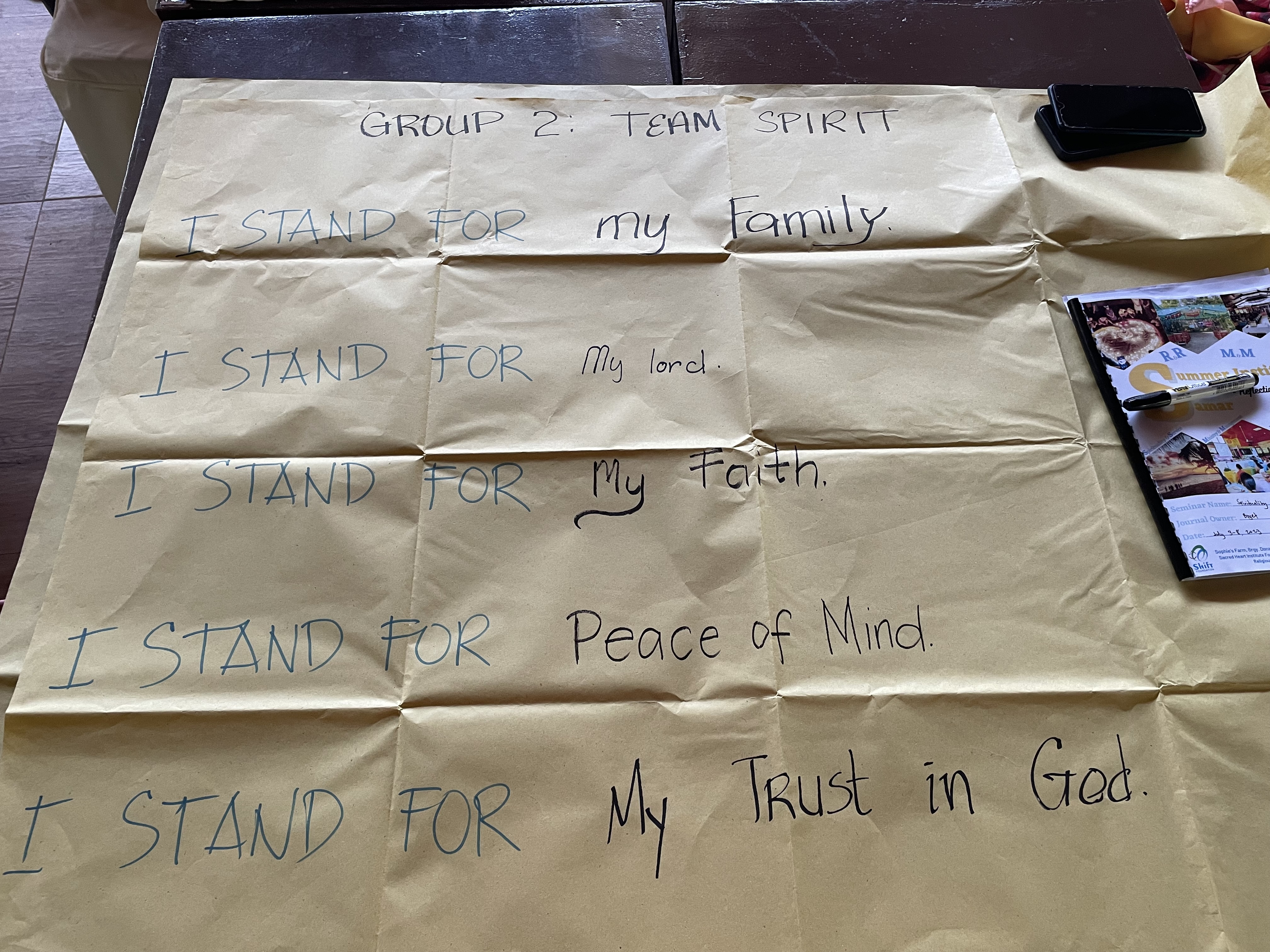
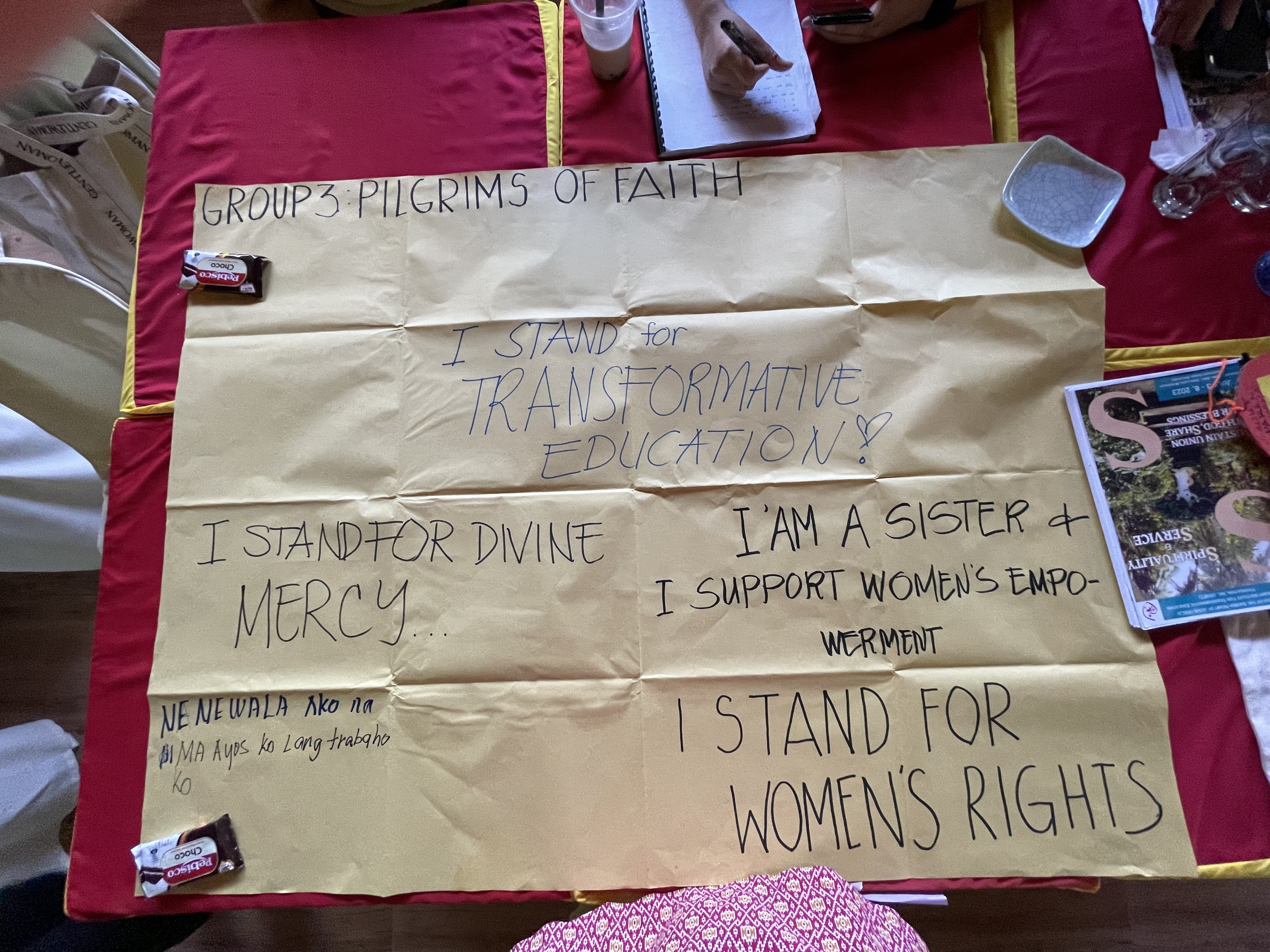
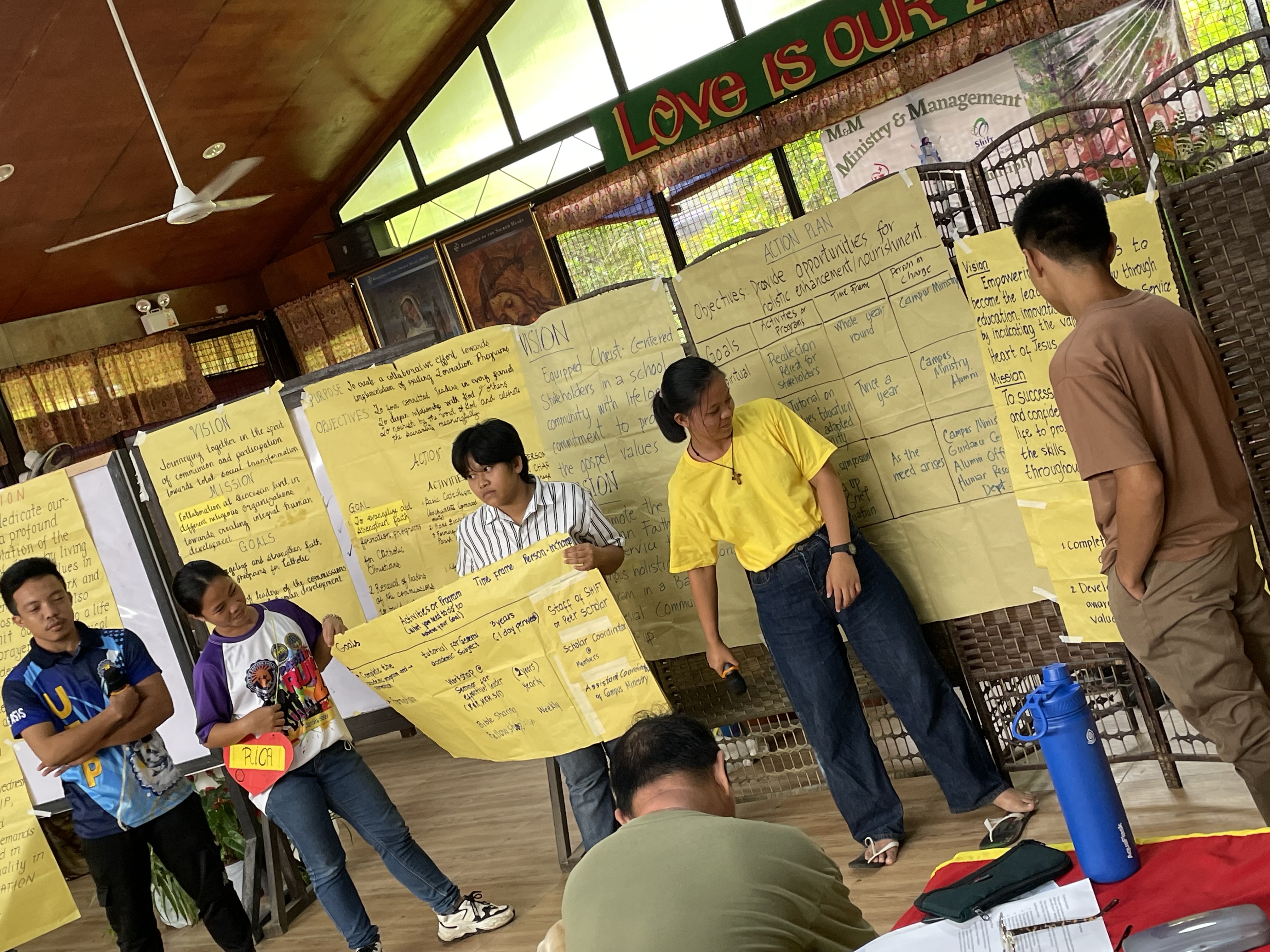
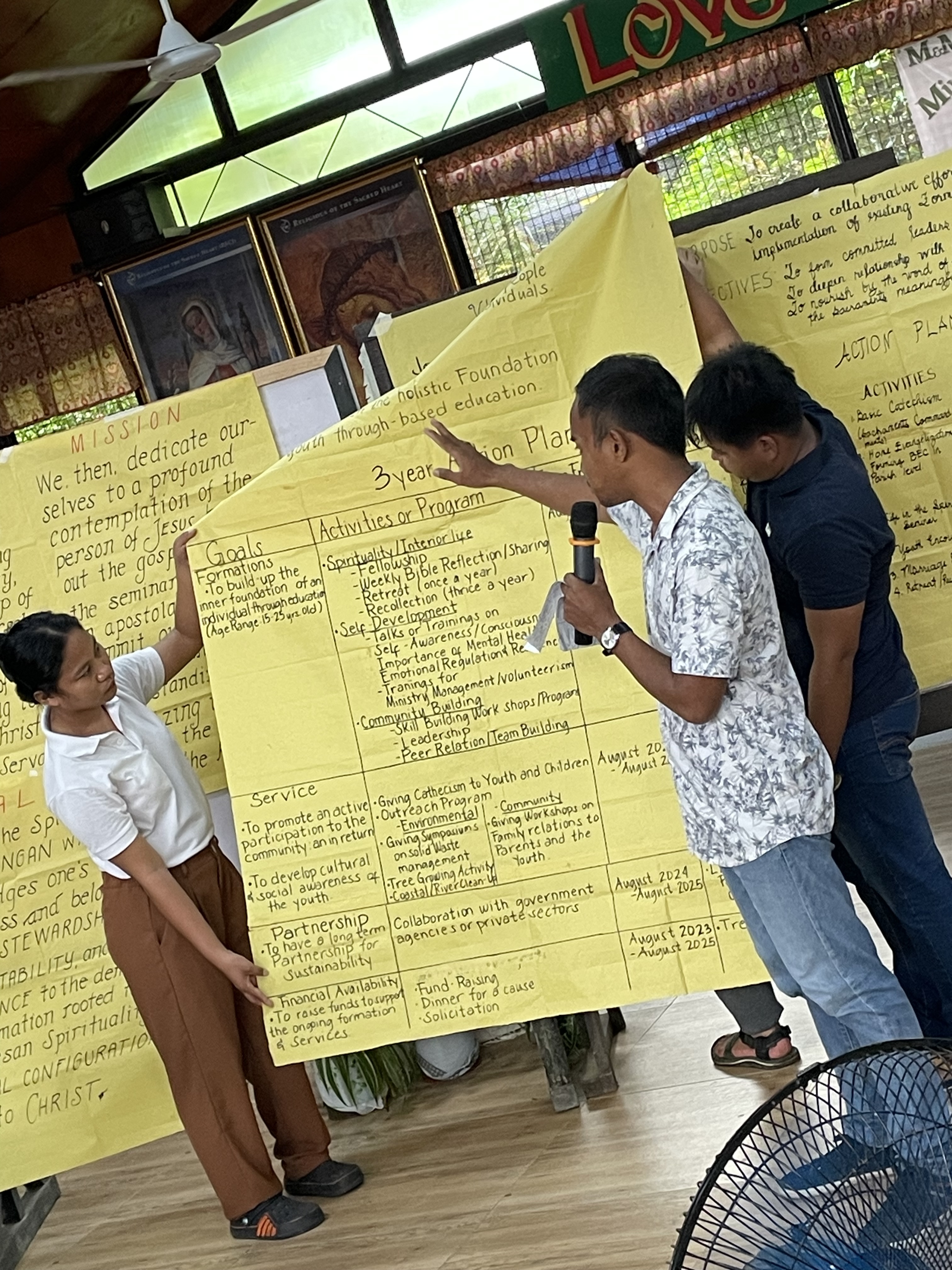
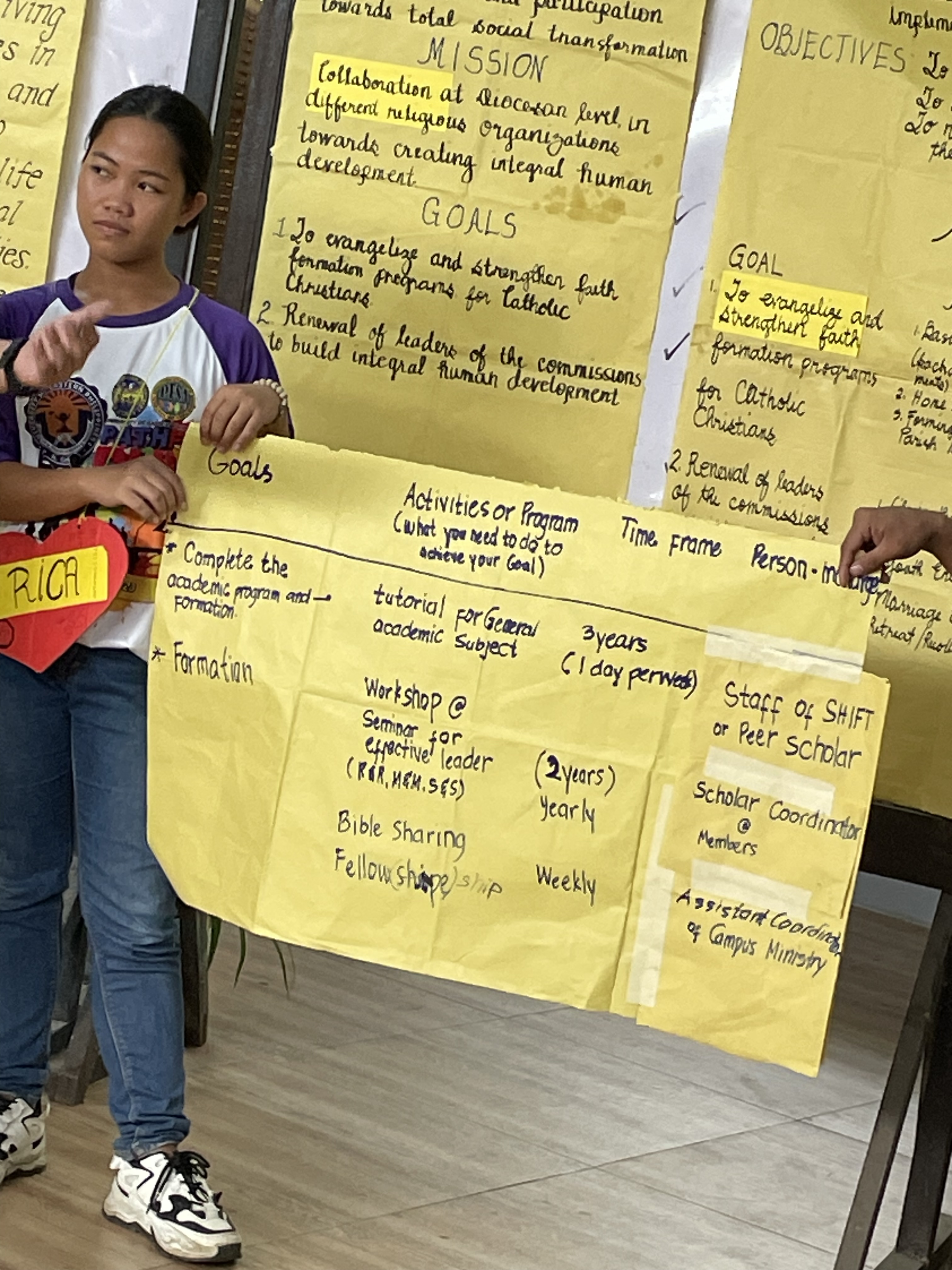
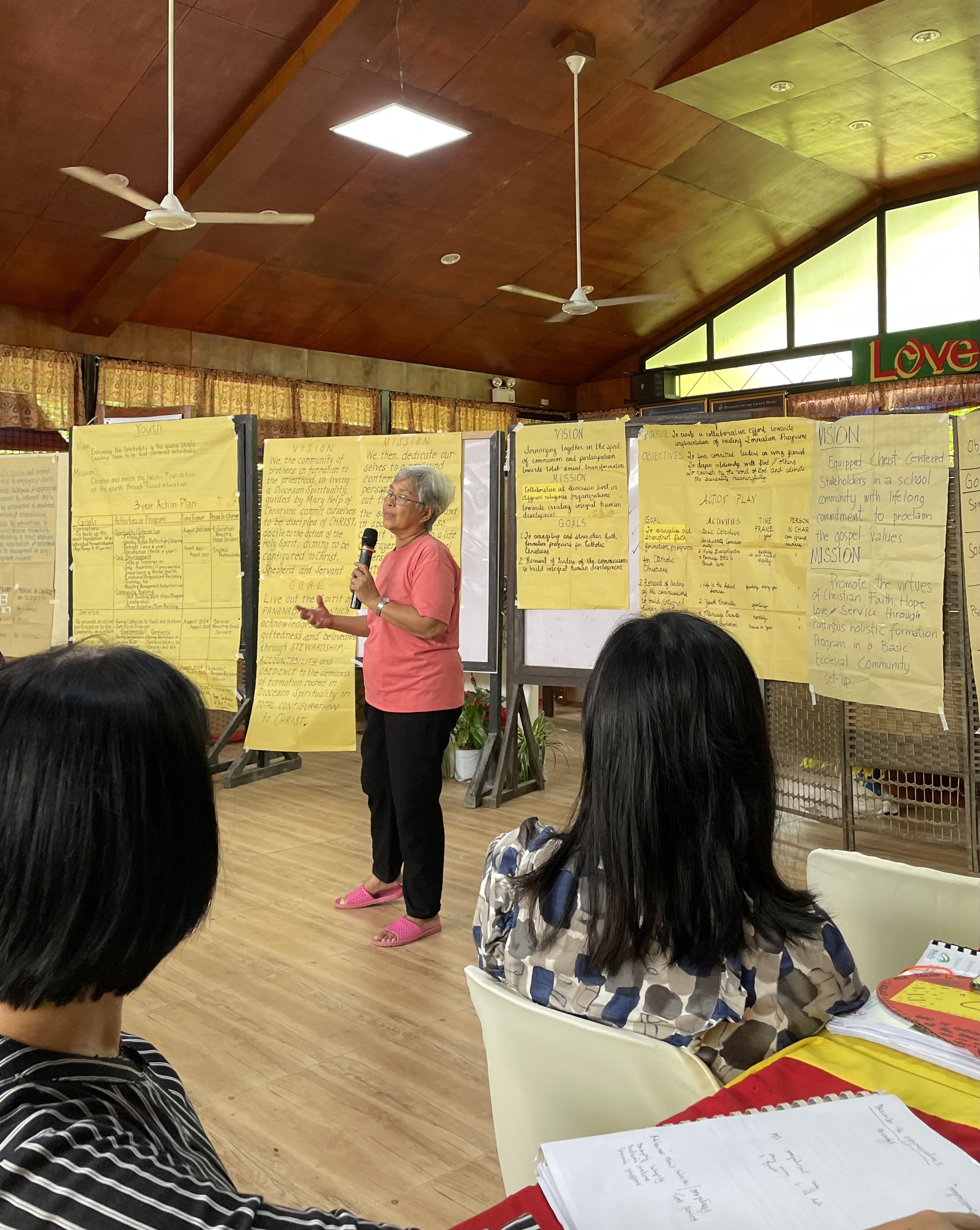
After a satisfying breakfast we returned to our home groups to articulate a shared vision, mission and goals relevant to our ministries and work. Each participant took the opportunity to craft statements that were true to the nature of their professions. Presentations were well-organized and enthusiastic, topped off with a reflection on emergent group dynamics led by Sr. Digna.

Photos by Dr. Michael Campos, Religion, Theology & Spirituality, Faculty

The afternoon brought us back into the circle from which we began the week. Having been “blessed,” and “broken,” how might we imagine ourselves and our work “shared”? This movement from blessing, brokenness and sharing evokes the Eucharistic principles in Christian worship, where Jesus’s body (in the bread) is fragmented and distributed for the nourishment of all. 

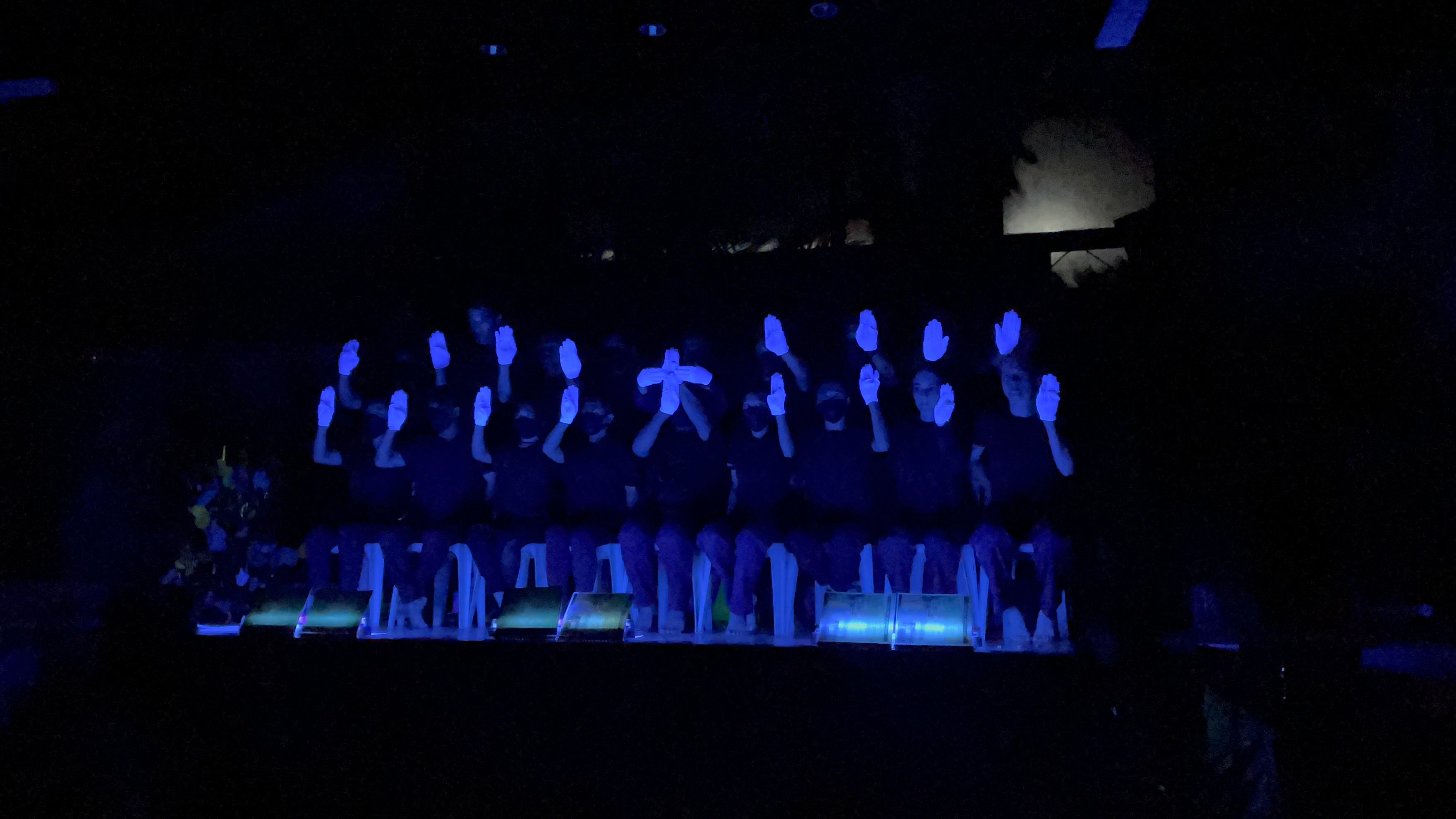
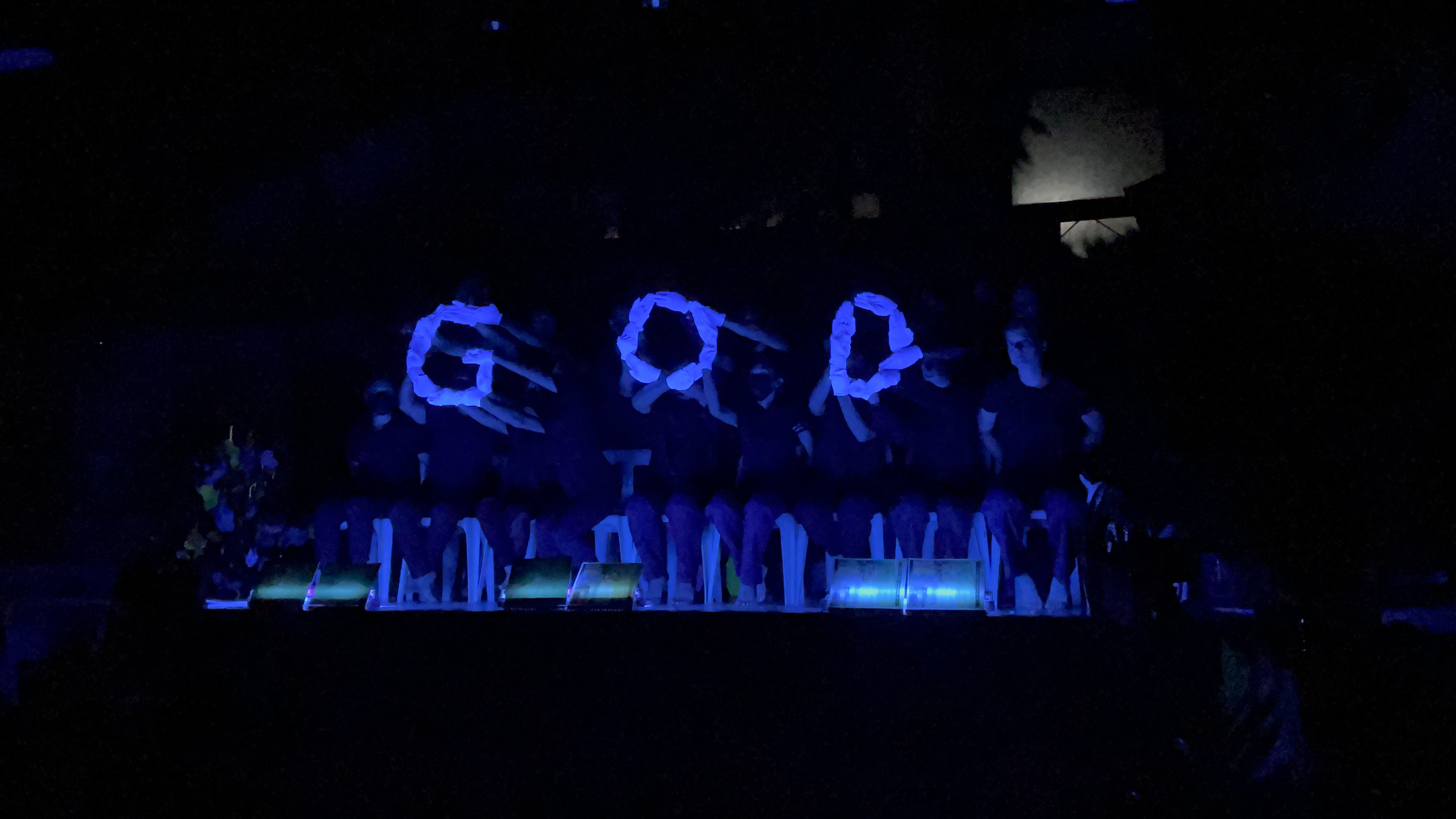
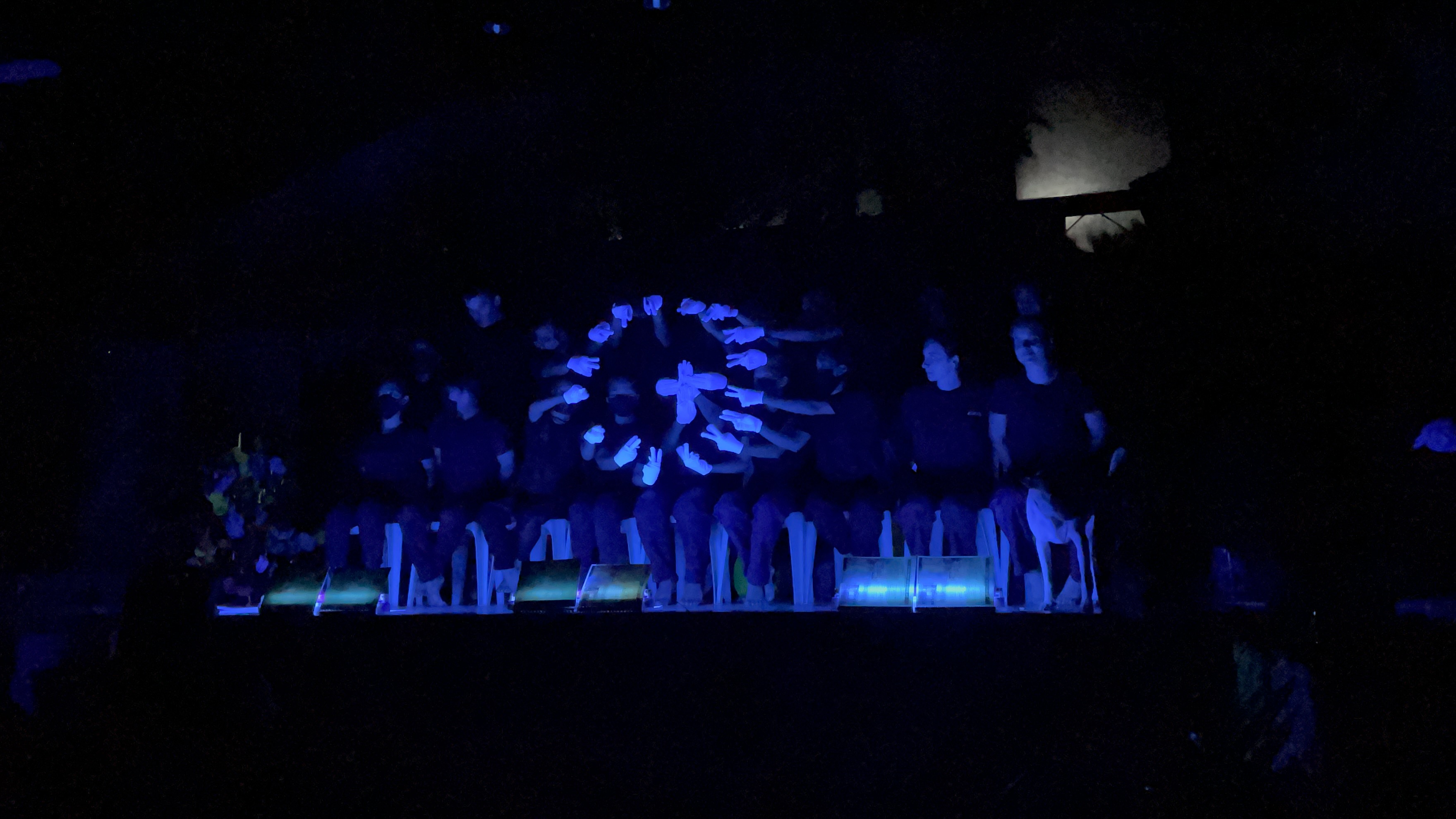
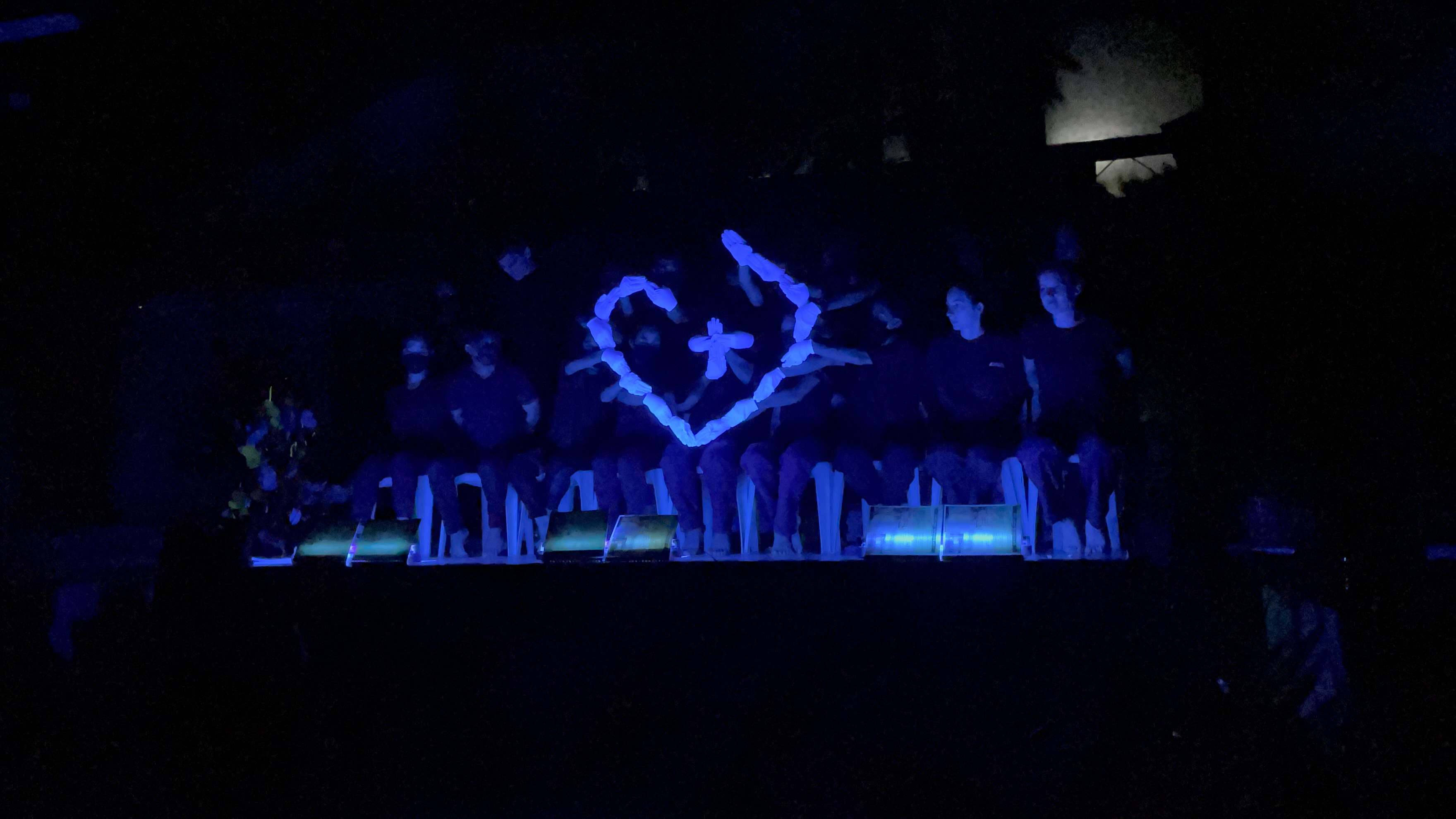
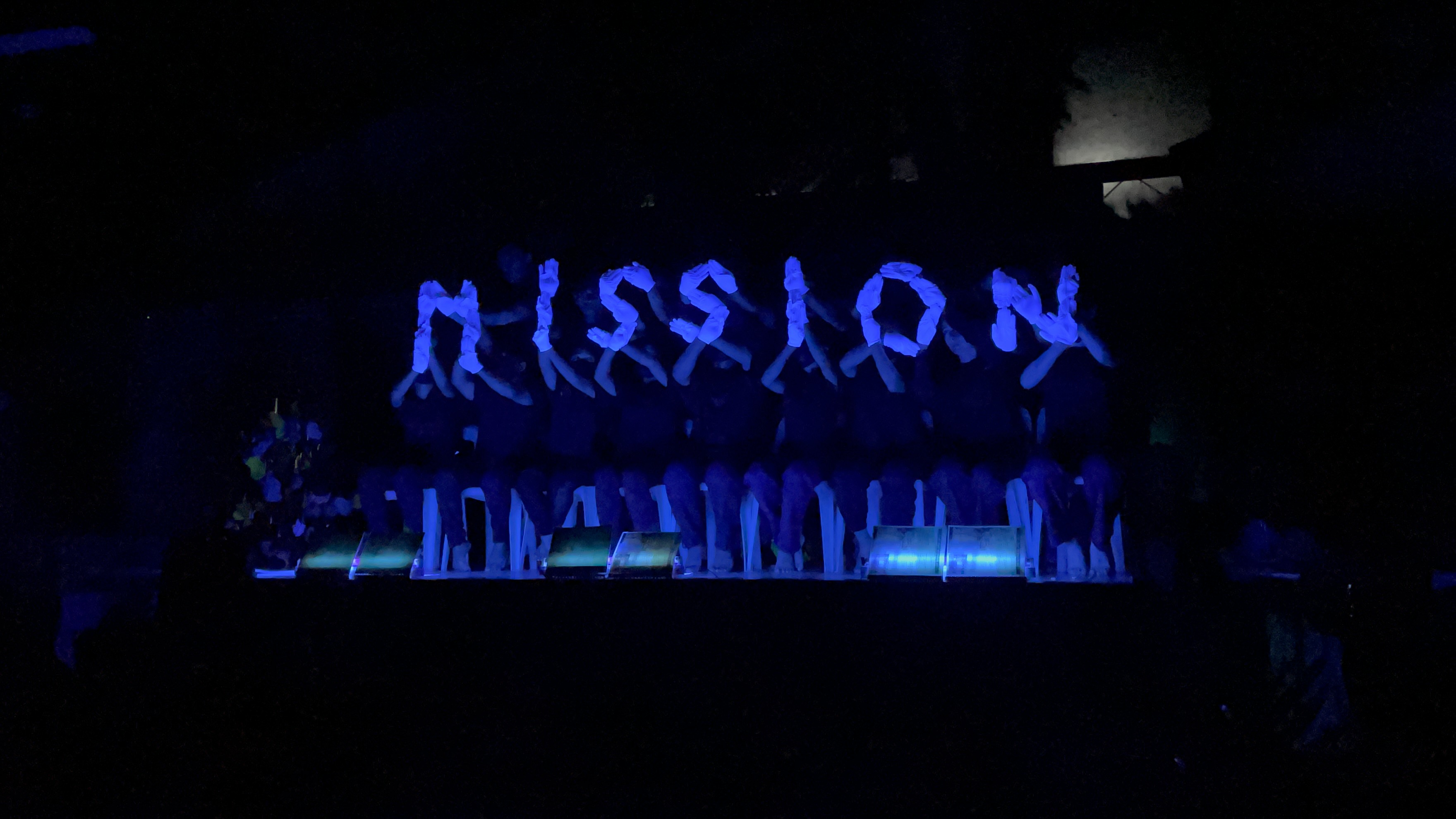
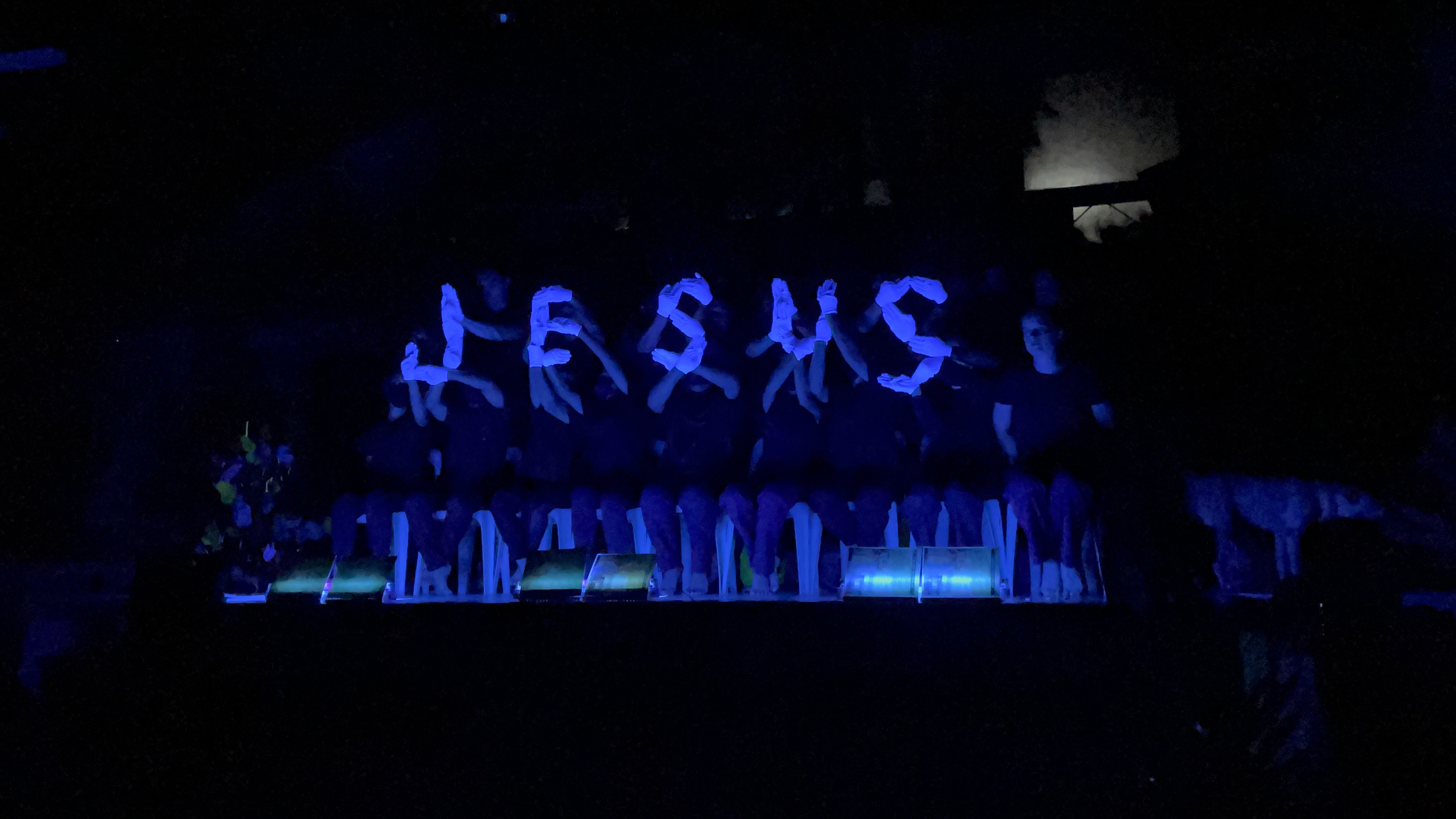
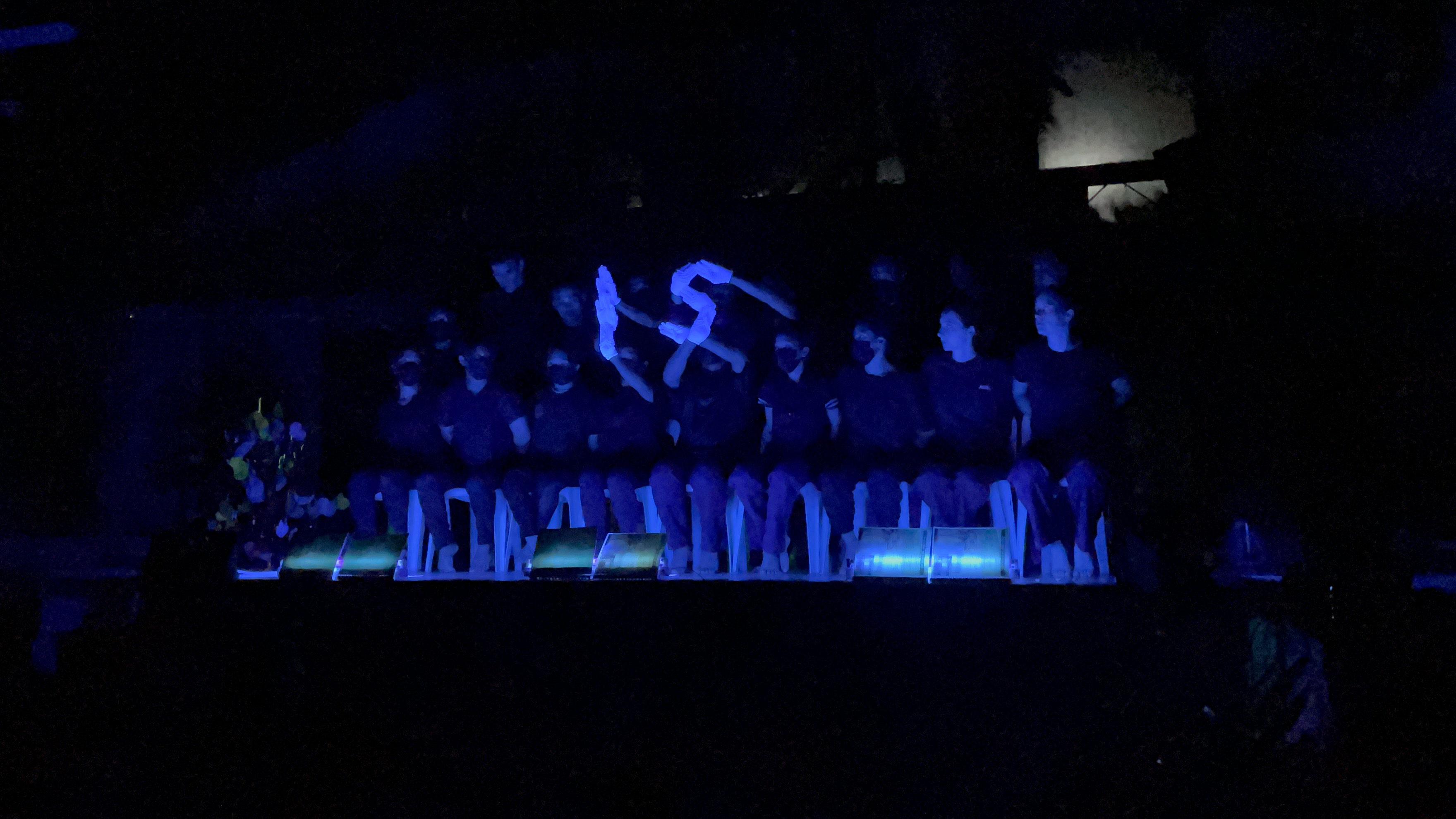
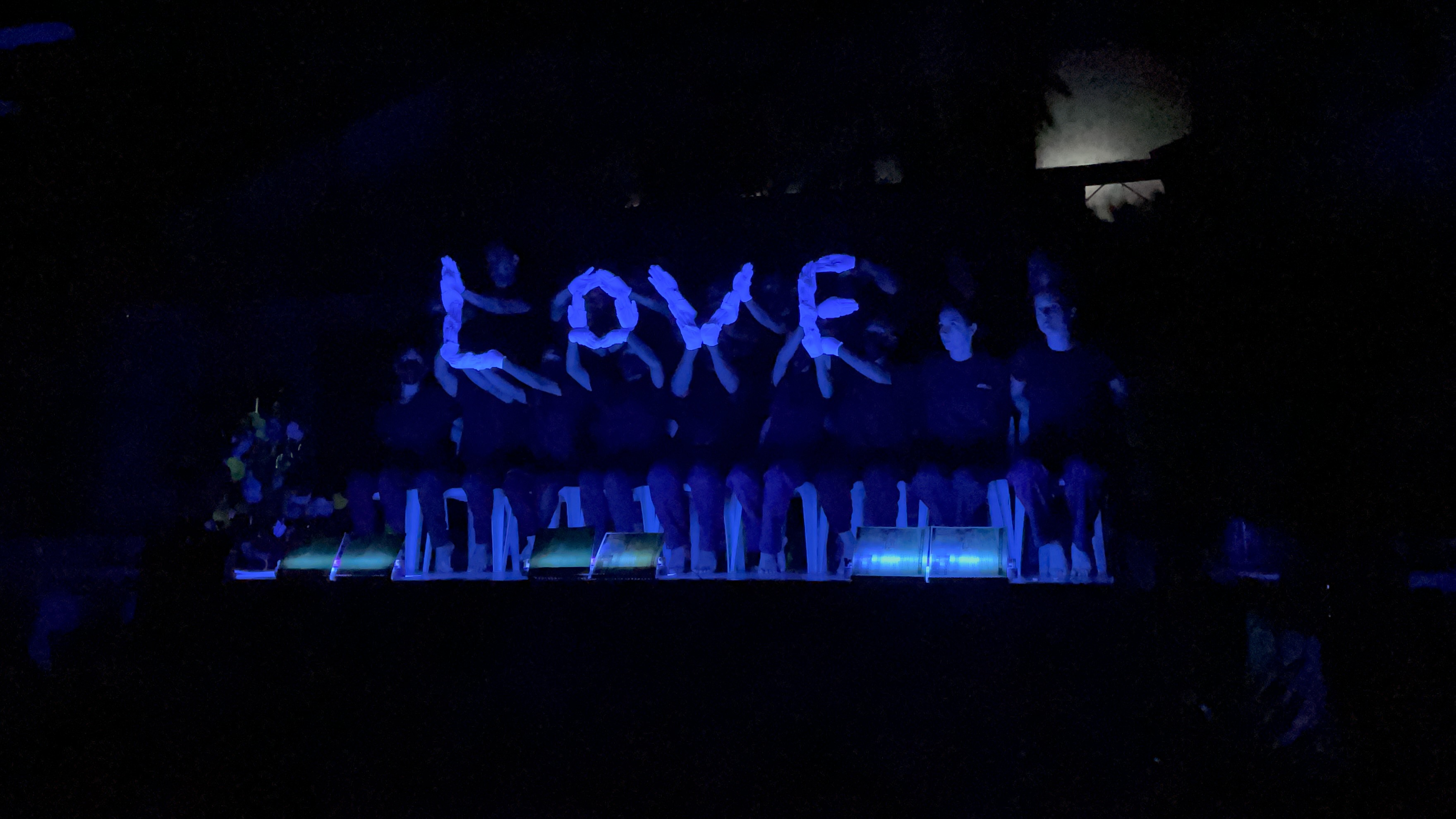
The evening descended with guests and a feast. The Roman Catholic bishop of Northern Samar, Most Rev. Emmanuel Trance, joined our final liturgy, even gifting the community with lechon (roast pig, a staple of every Filipino celebration). The scholars-in-residence, staff members and volunteers at Sophie’s Farm put on a moving black light dance that illuminated key iconographies of the week. Elea and Guillemette, our two French volunteers, and Sam performed Da Coconut Nut, a Filipino pop song. Competitions among participant groups then followed with recognitions and acknowledgments concluding the formal proceedings.

Well past midnight, as we slowly turned inwards, Sr. Lydia, Malou, and Gerard offered a moving dance to Lee Ann Womack’s “I Hope You Dance” — an appropriate conclusion to a week that moved us from our heads to our bodies, our bodies to our hearts, our hearts to the open and expansive spirituality of the Sacred Heart.

Sophie’s Farm Summer Institute | Day 6

By Dr. Michael Campos, High School Religion, Theology and Spirituality Faculty

Seminar 2, Day 6: I am Broken
Transitioning closer to our embodiedness, participants spent the morning working in the lettuce gardens of the farm. We experienced the fragility of life in the plantation nursery, allowed our bodies to toil directly on the beds of mature lettuce, enjoy our varying skill levels with rural life (we probably destroyed a couple of beds, sadly).

Each morning, Sam invites us to reflect on the day’s theme. In the Christian tradition, “brokenness” constitutes a central experience, evoking Jesus’ promise at the Last Supper, where his body — offered on behalf of his disciples — endures a kind of violation that opens to the possibility of transformation. We considered the “Resurrection” as a moment that arises out of adversity, growth that could only arise from pathos (suffering).

Photos by Dr. Michael Campos, Religion, Theology & Spirituality, Faculty

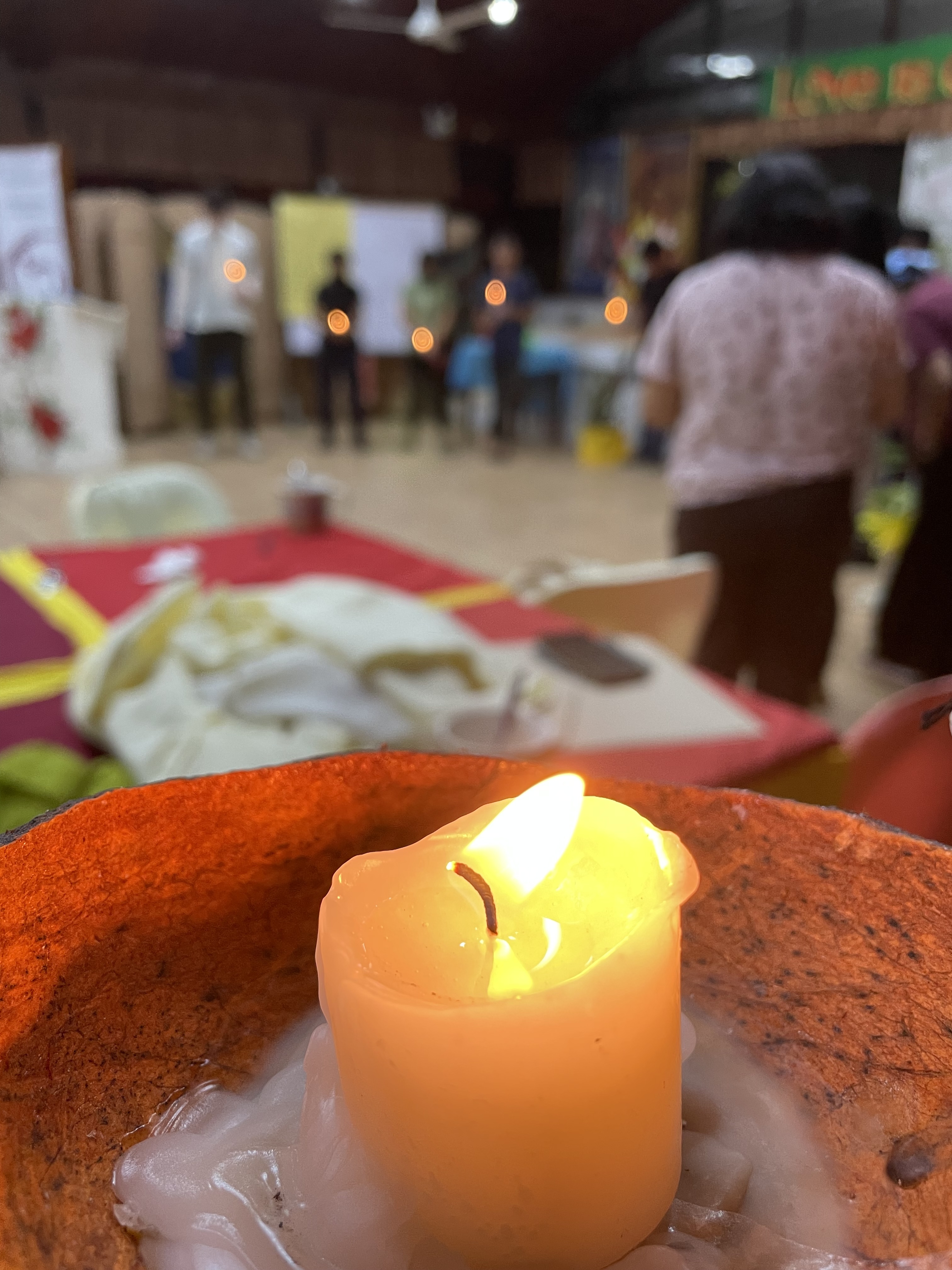
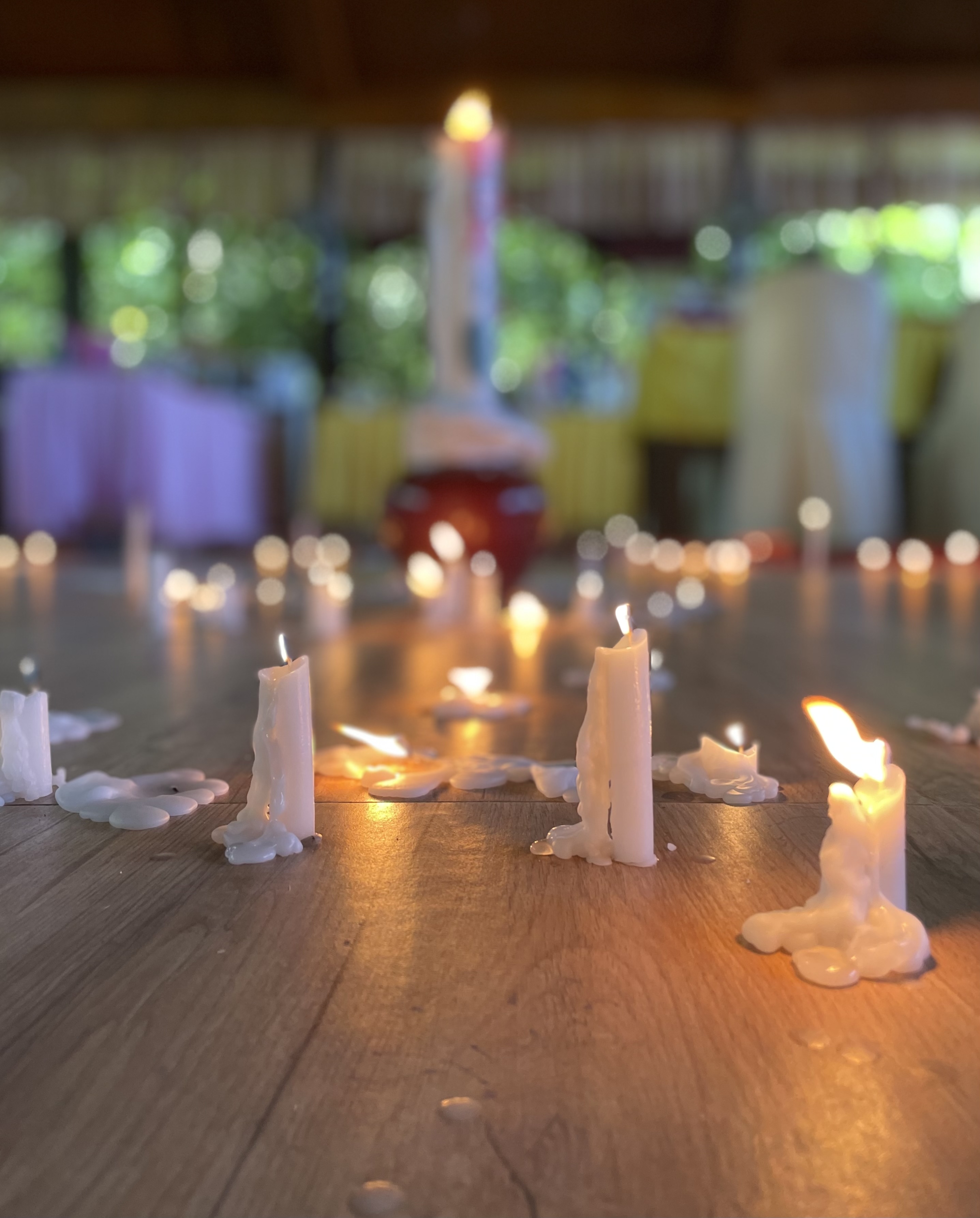
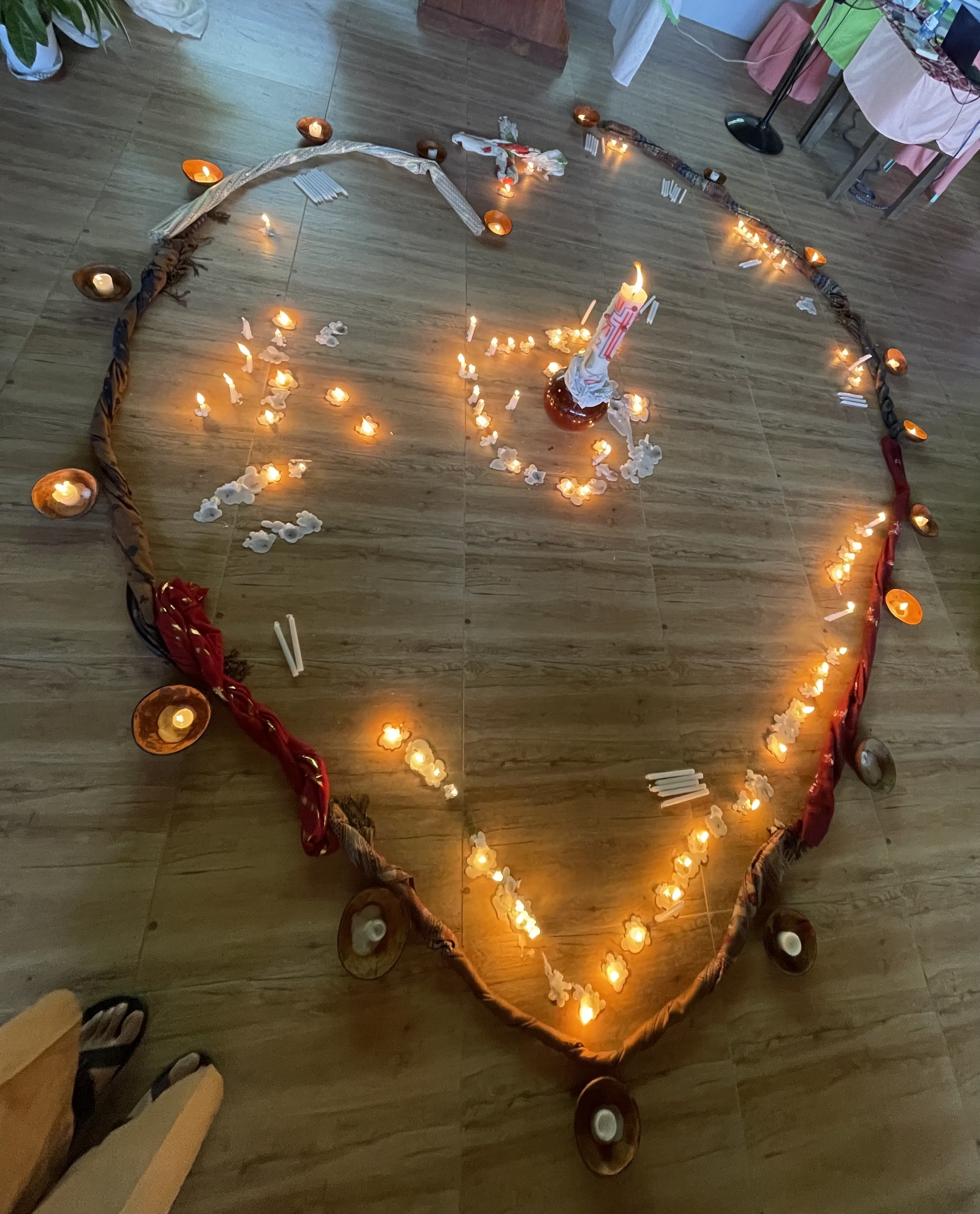
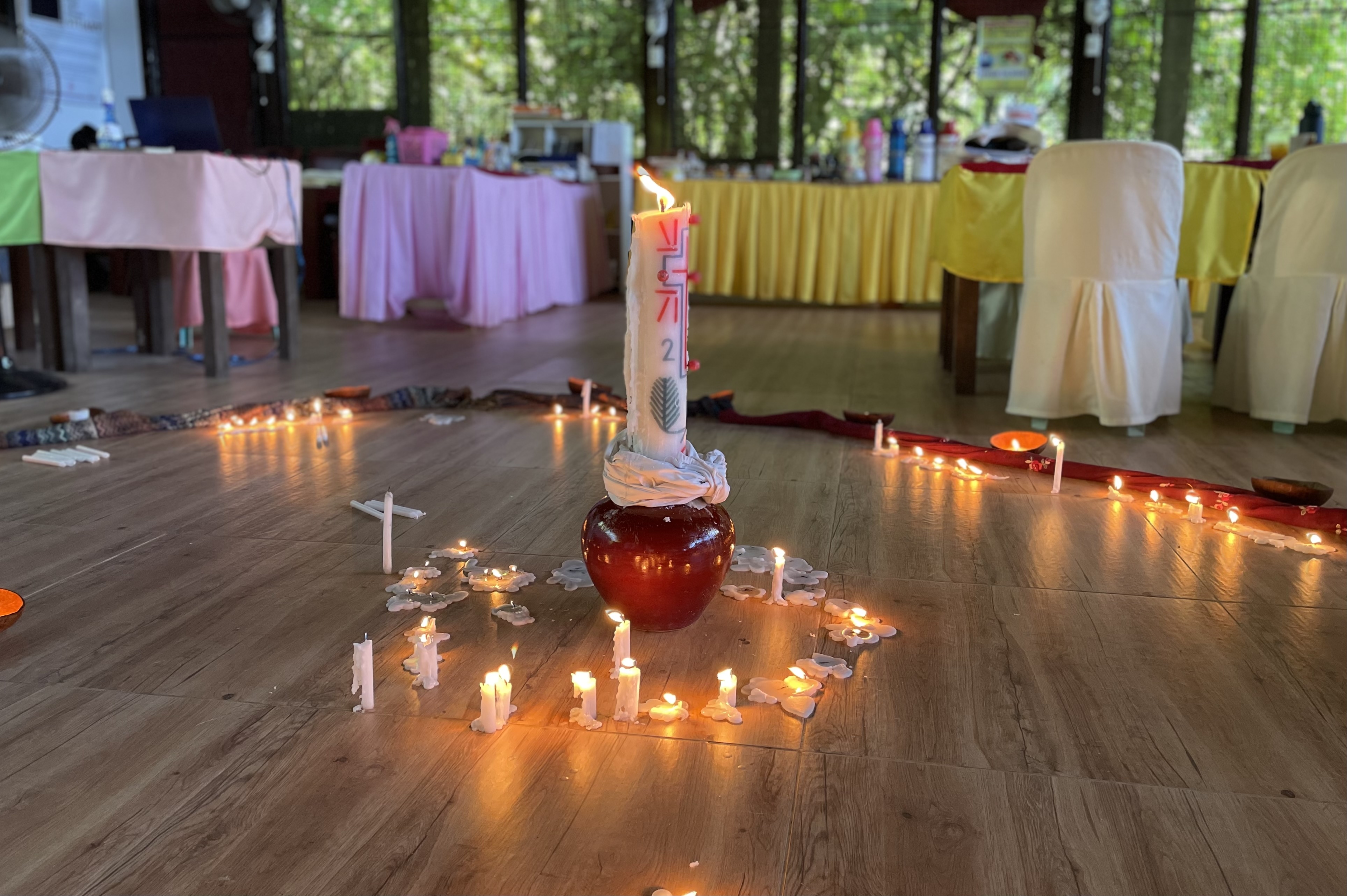
I facilitated a conversation that took account of our brokenness. Inspired in part by last evening’s intense discussions on sexuality and inclusion, participants drew deeply from places of pain. What initially began as a roundtable grew into a personal sharing of loss and brokenness. These openings reoriented the flow of the roundtable, from intellect to heart, mind to body. Facilitated by Sr. Lydia, we lit candles around an “open heart” (a Sacred Heart icon) to hold our collective mourning.

Sr. Digna engaged participants on the “Art of Listening and Asking Questions” for the afternoon sessions. Given the opportunity to reflect on the roles we inhabit during group work, participants were able to synthesize Elvy’s input on organization structures and Mel’s insights on human development with practical skills in group facilitation and engagement.

Sophie’s Farm Summer Institute | Day 5

By Dr. Michael Campos, High School Religion, Theology and Spirituality Faculty

Seminar 2, Day 5: I am Blessed
Each day, we are awakened by stirrings of Beethoven’s “Ode to Joy” reverberating through the mountains.

Today, we awakened through a series of body prayers led by Malou Ybanez, a co-facilitator in charge of daily animations, and Gerard Acibar, staff member of Sophie’s Farm and resident liturgist. It was invigorating to enter the day by stretching underused muscles, reorienting our focus from the head to the flesh (an aspect of our “blessedness” so often overlooked). Appropriately sweating from gentle exertions, we feasted on a breakfast of rice and dried fish, coffee and organic teas. 

Sam and I expounded on the concept of a “blessing” — rooted in the Latin phrase, bene (good, well, or truthful) + dicere (to speak). I suggested that in Jewish rabbinical prayer forms, each utterance begins with a blessing for God (baruch atah Adonai Eloheinu). Taking account of one’s “blessedness” requires first a recognition of our worth and agency. We can only be blessed if we are first able to bless an-Other, to bless God.

Photos by Dr. Michael Campos, Religion, Theology & Spirituality, Faculty

Mel echoed these reflections in her presentation on the youth and the psychological effects of social norms to personal flourishing. She presented her research on the role of material poverty in the formation of youth values and mature agency. A rich discussion followed that named differences in the ways youth development takes place between urban contexts like Manila, and rural contexts like Samar. Participants also took account of the ways social media shapes a sense of self, cultivating forms of agency that could be falsely aspirational rather than grounded in the material concerns of one’s geographical location.

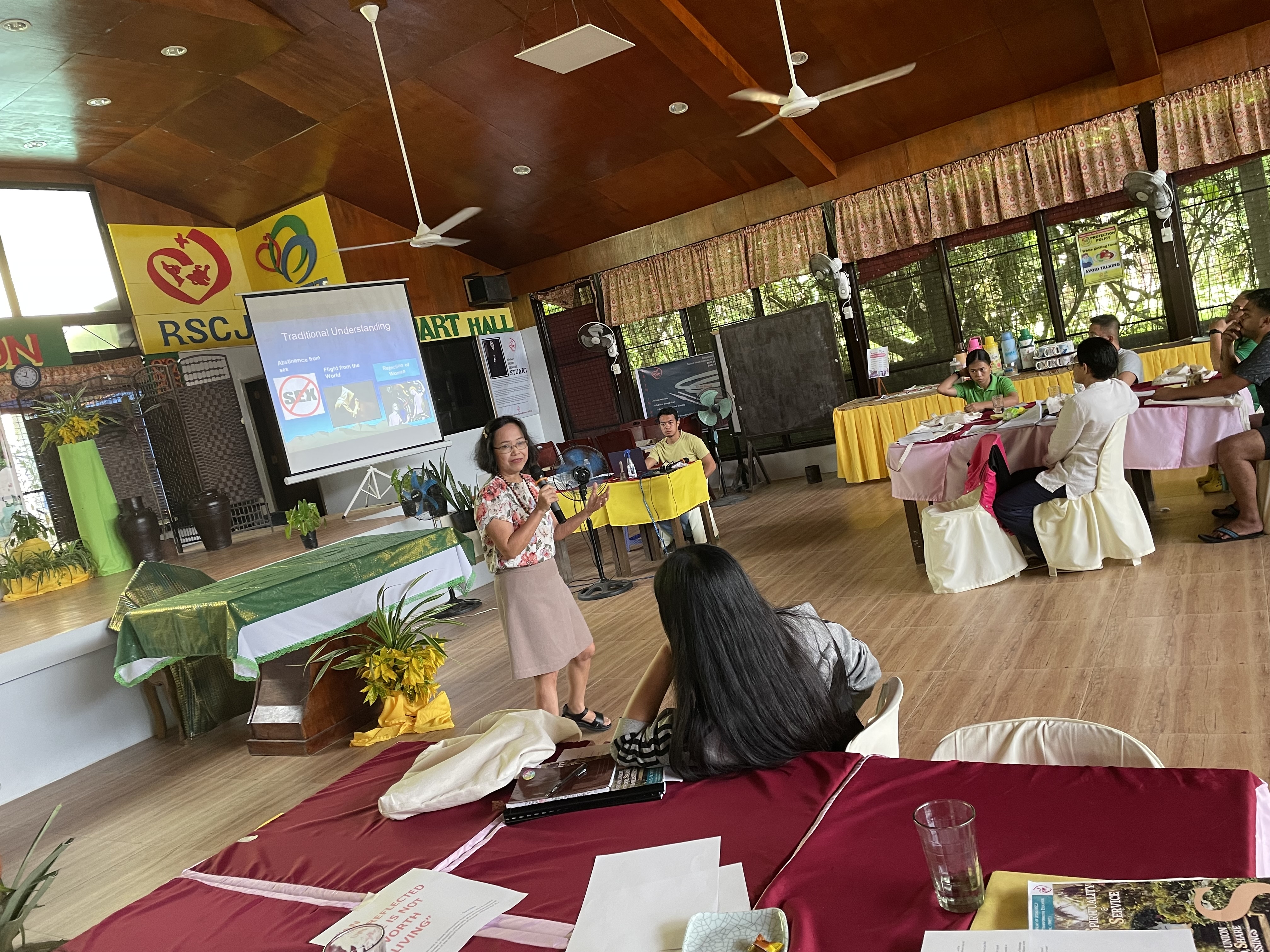
Concluding conversations shifted to the topic of LGBTQ concerns among Filipino youths. Two participants, in particular, challenged the collective to consider how prevailing cultural norms —implicitly patriarchal and heteronormative — may perpetuate exclusionary behaviors. Given the seminar’s diverse participation, opinions on the status of LGBTQ folks ranged from a call to full inclusion, to a cautious consideration of the teachings of the Roman Catholic Church. There prevailed a clear commitment, however, to the need to offer spaces of welcome to all.

We concluded the day with a viewing of “Little Boy,” a film of a young boy whose steadfast faith ensured others, in turn, to reconsider their sense of agency and trust, accountability to the greater good.