Sophie’s Farm Summer Institute | Day 4

By Dr. Michael Campos, High School Religion, Theology and Spirituality Faculty

Seminar 2, Day 4: I am Chosen
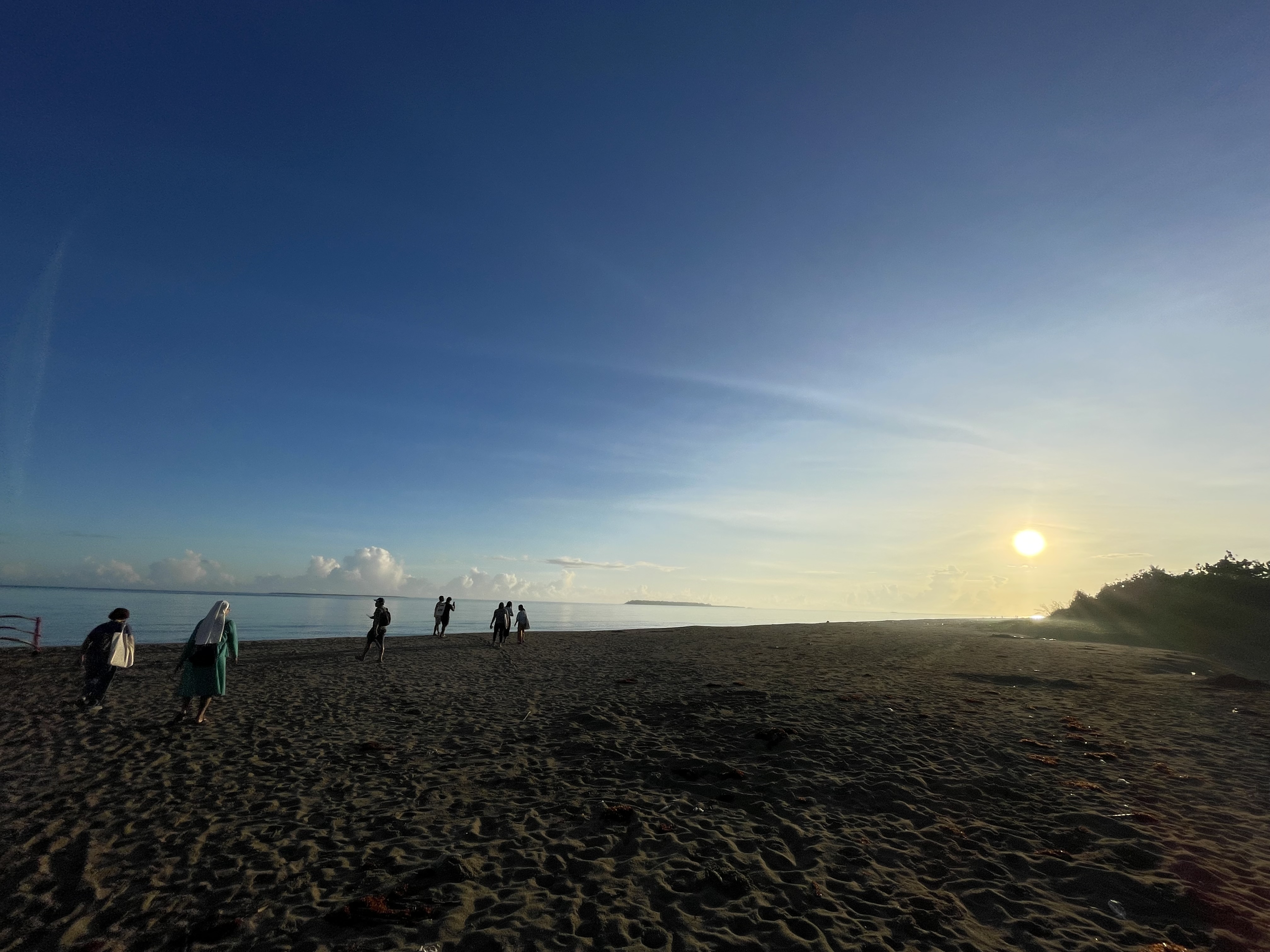
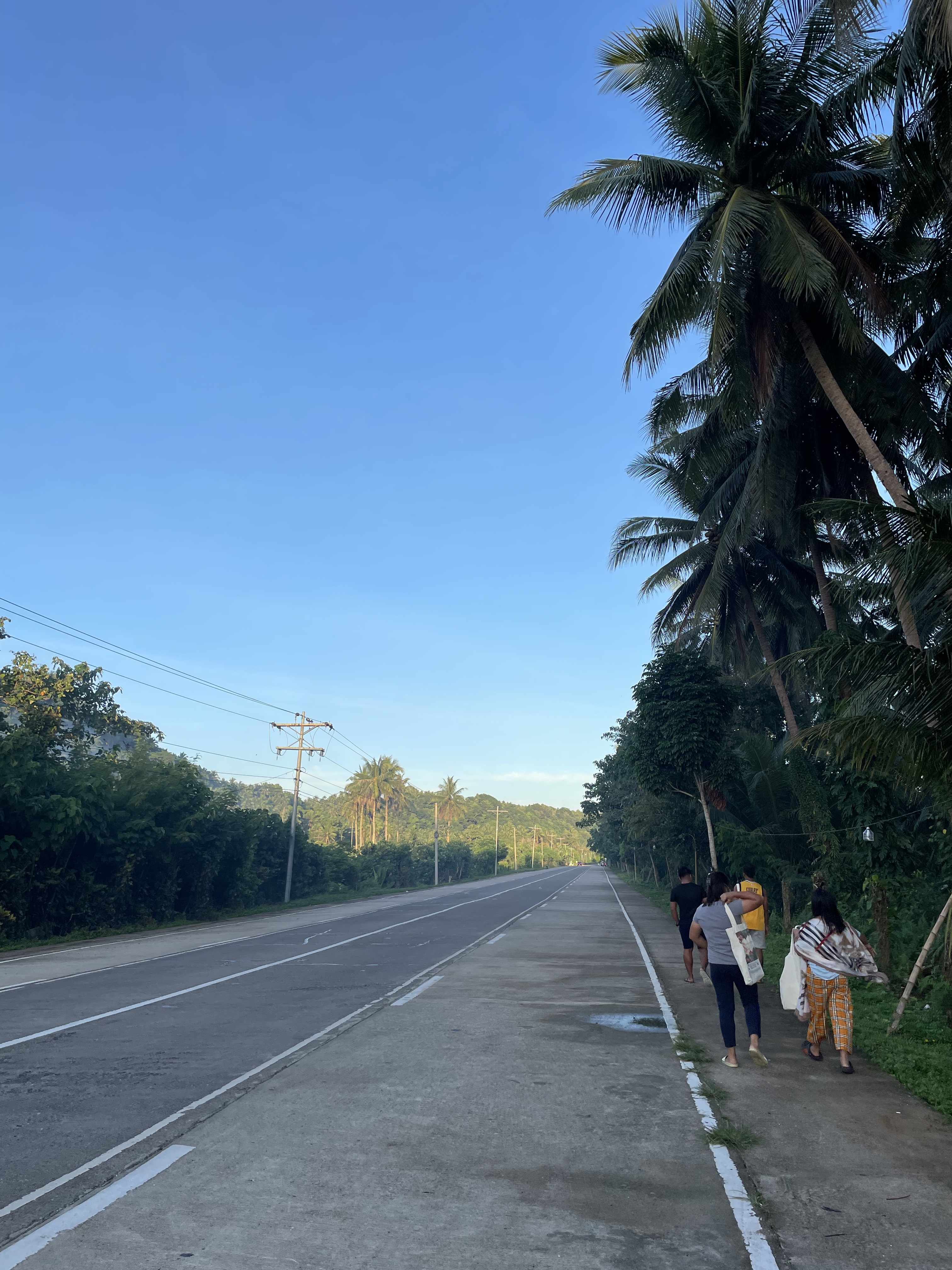
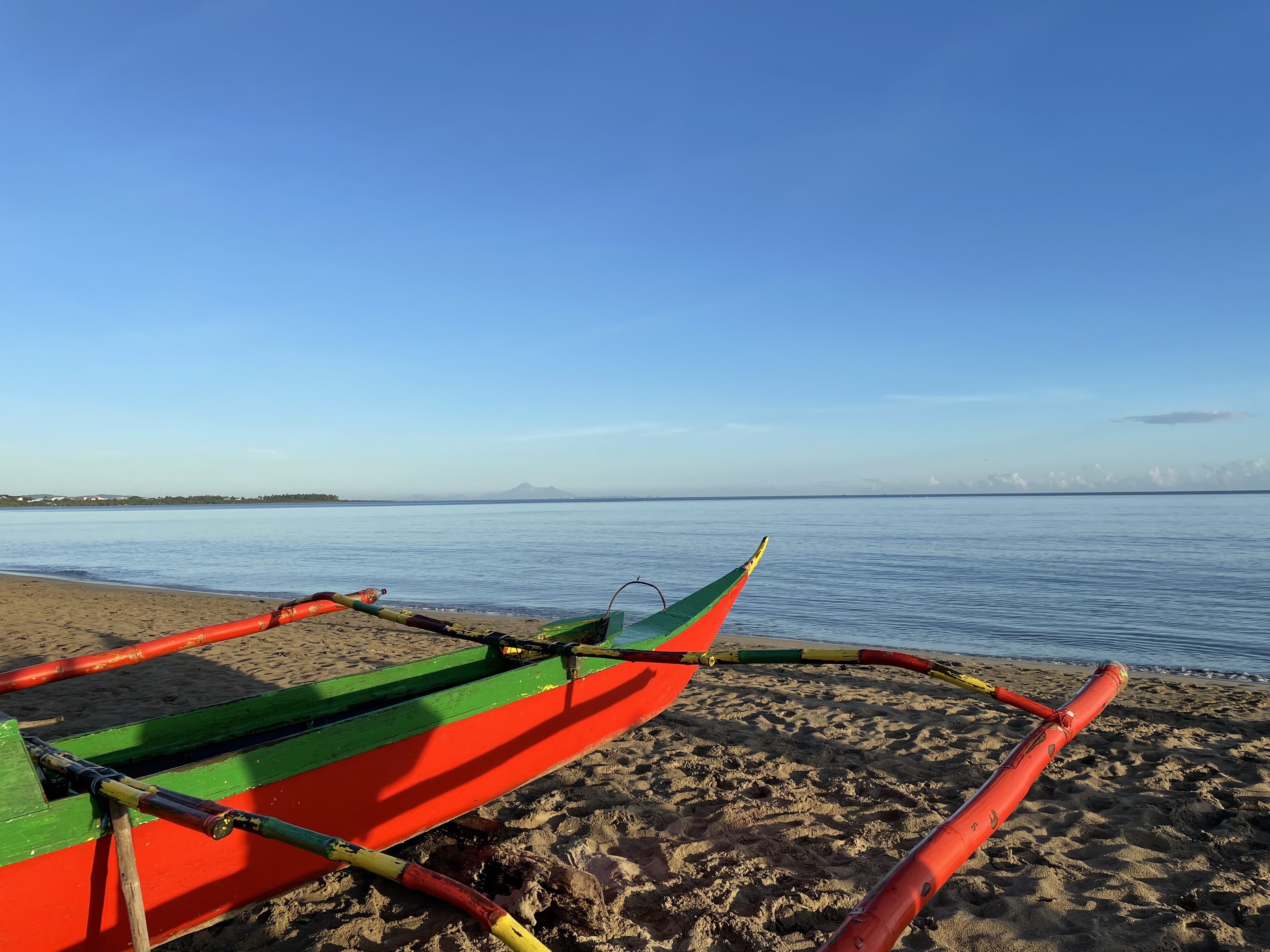
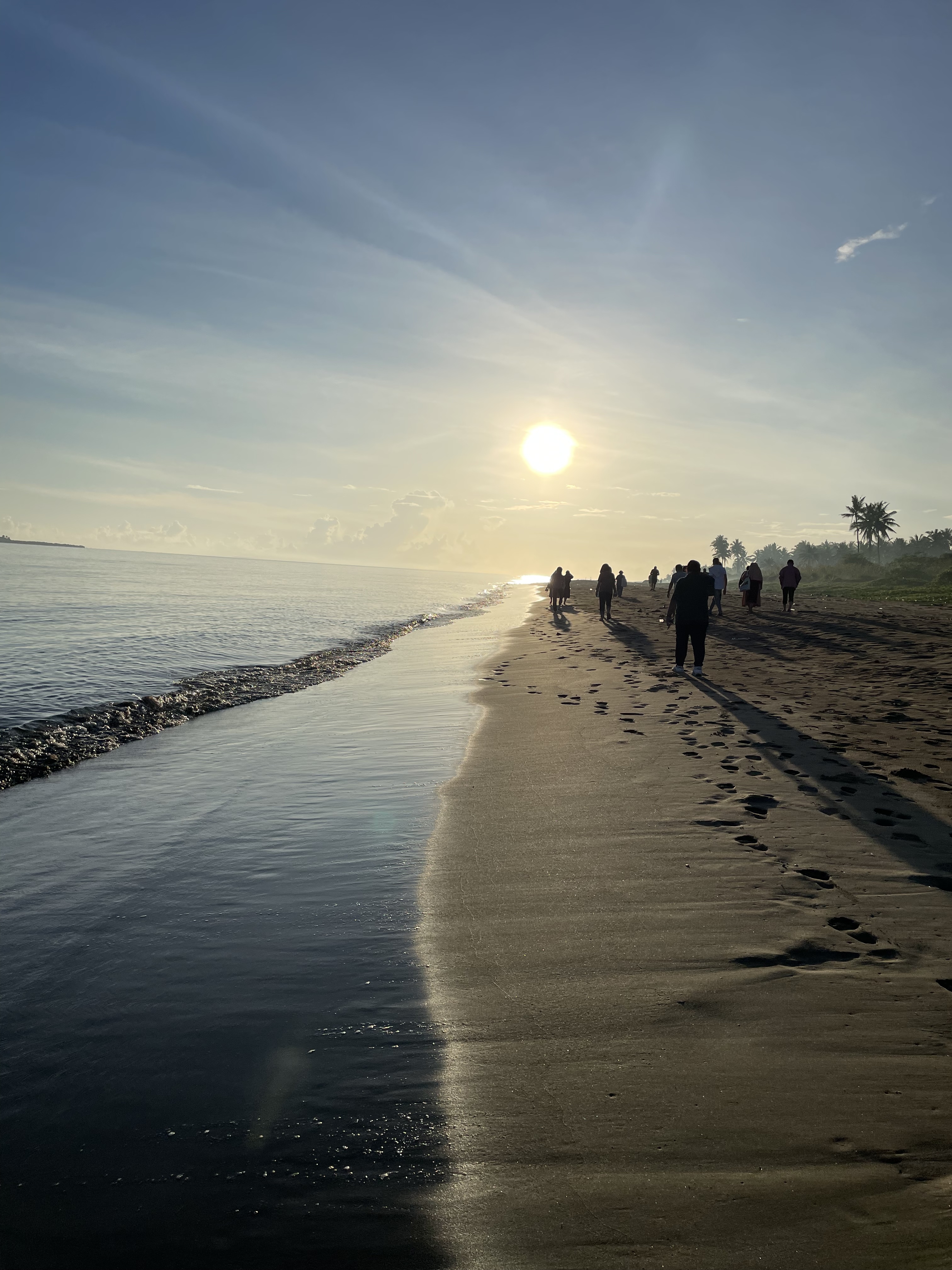
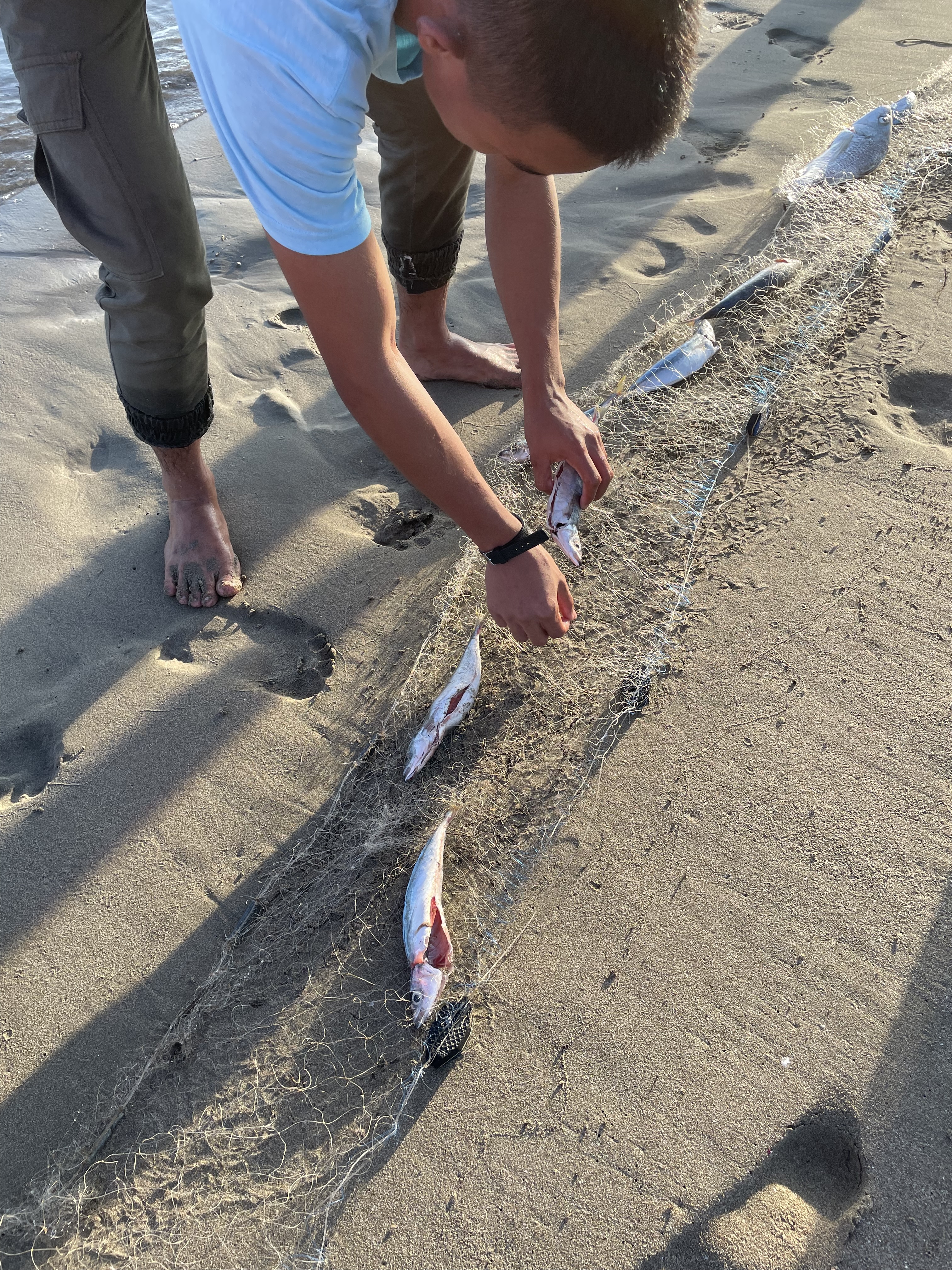
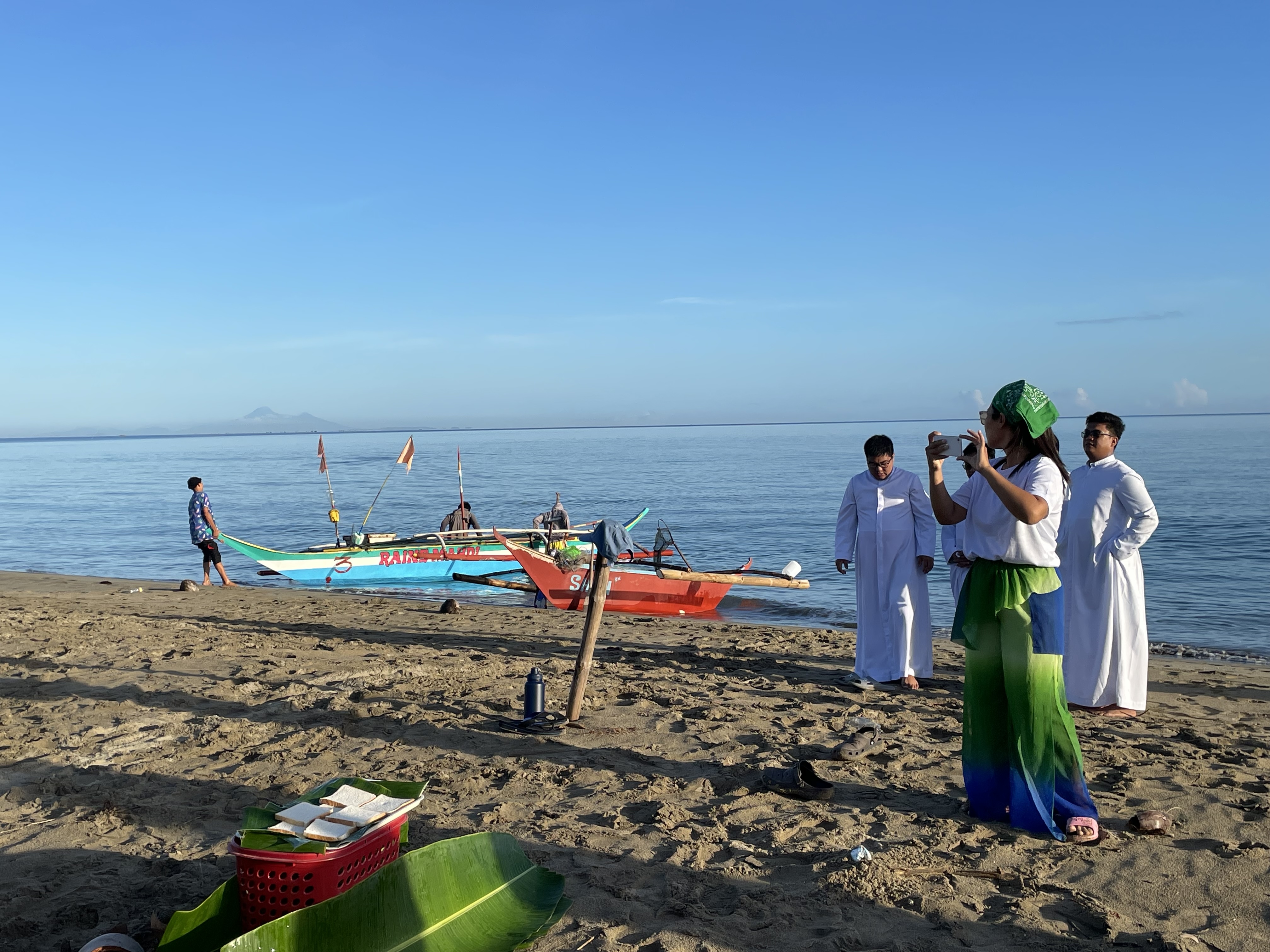
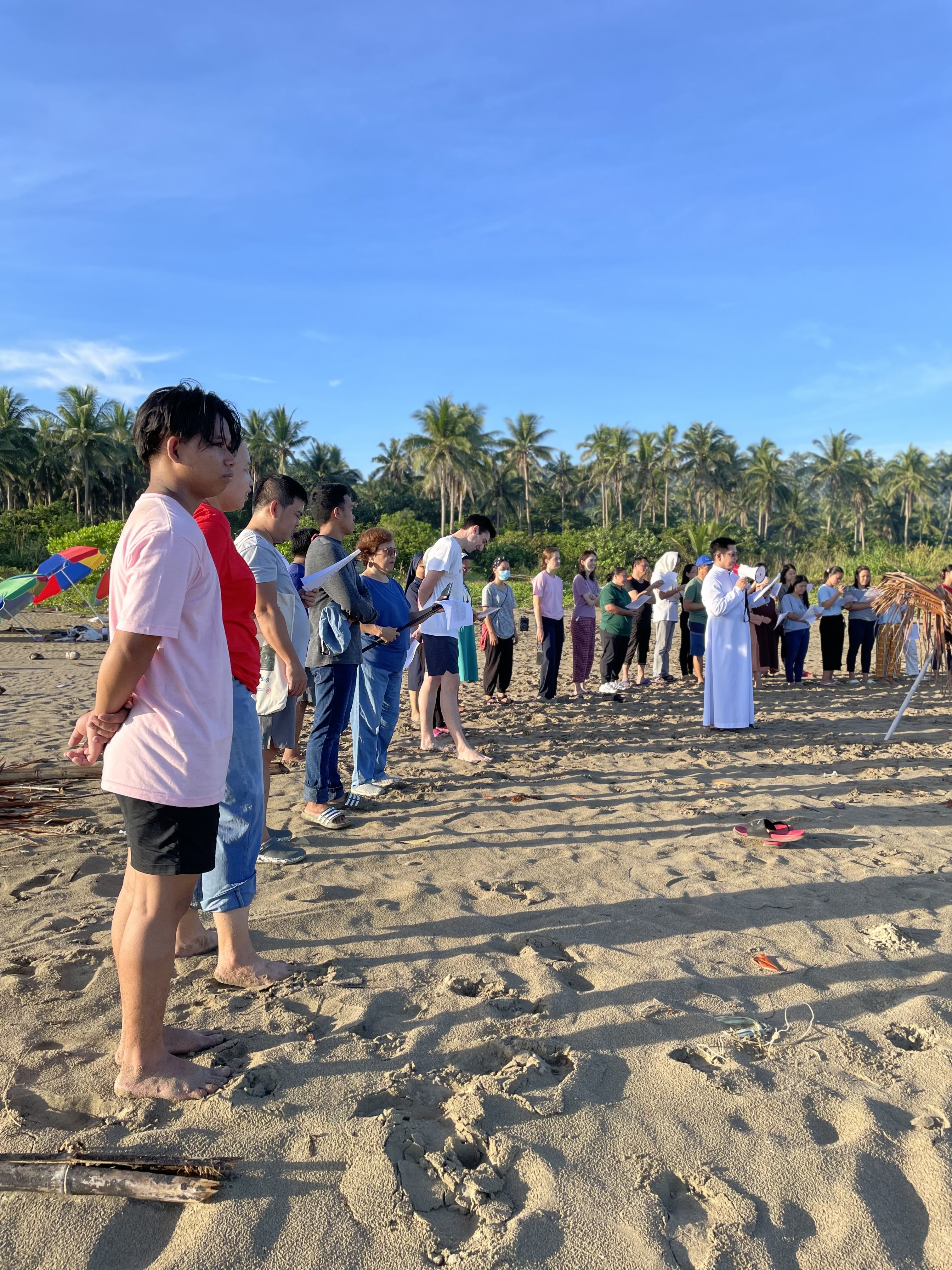
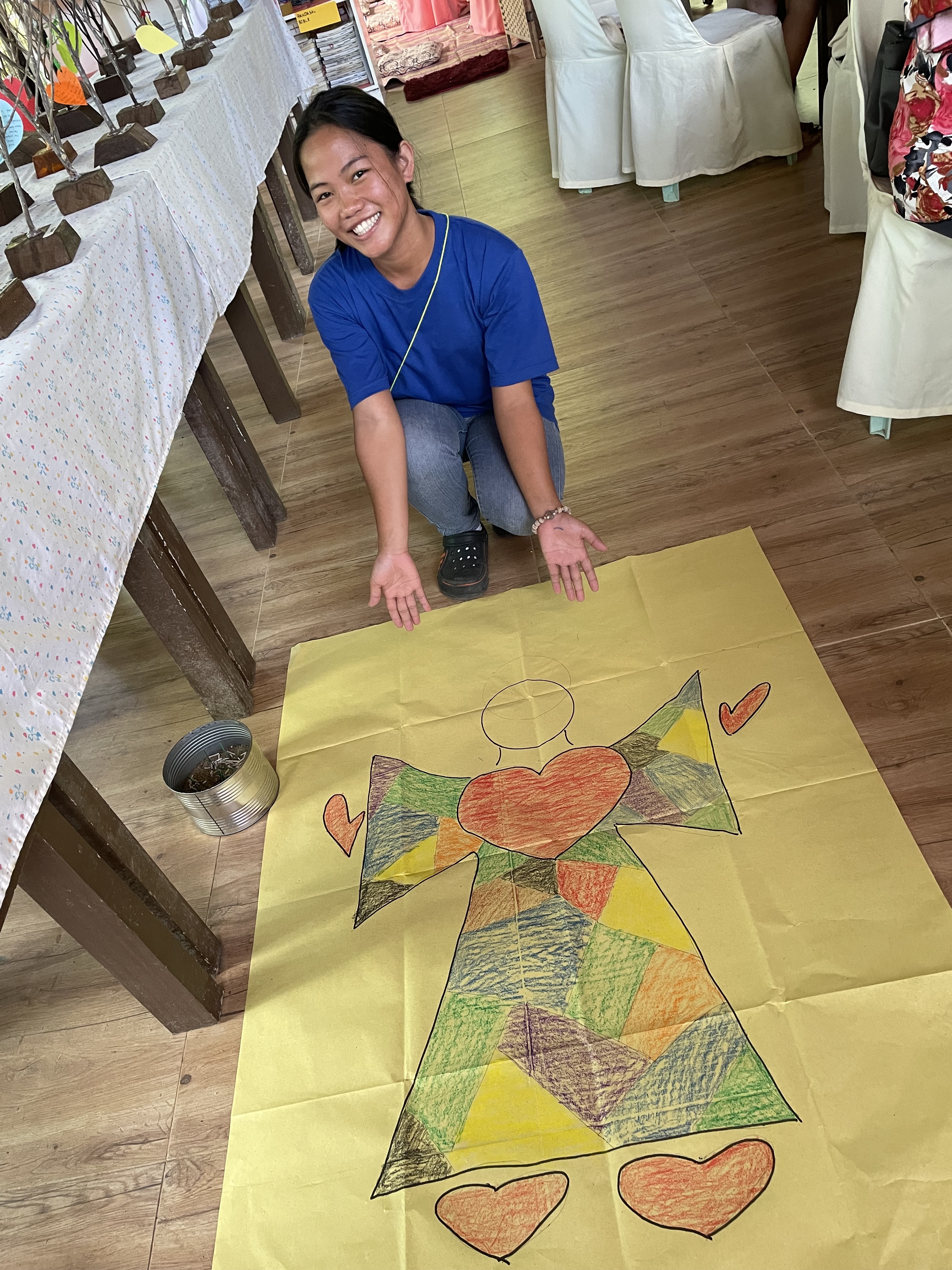
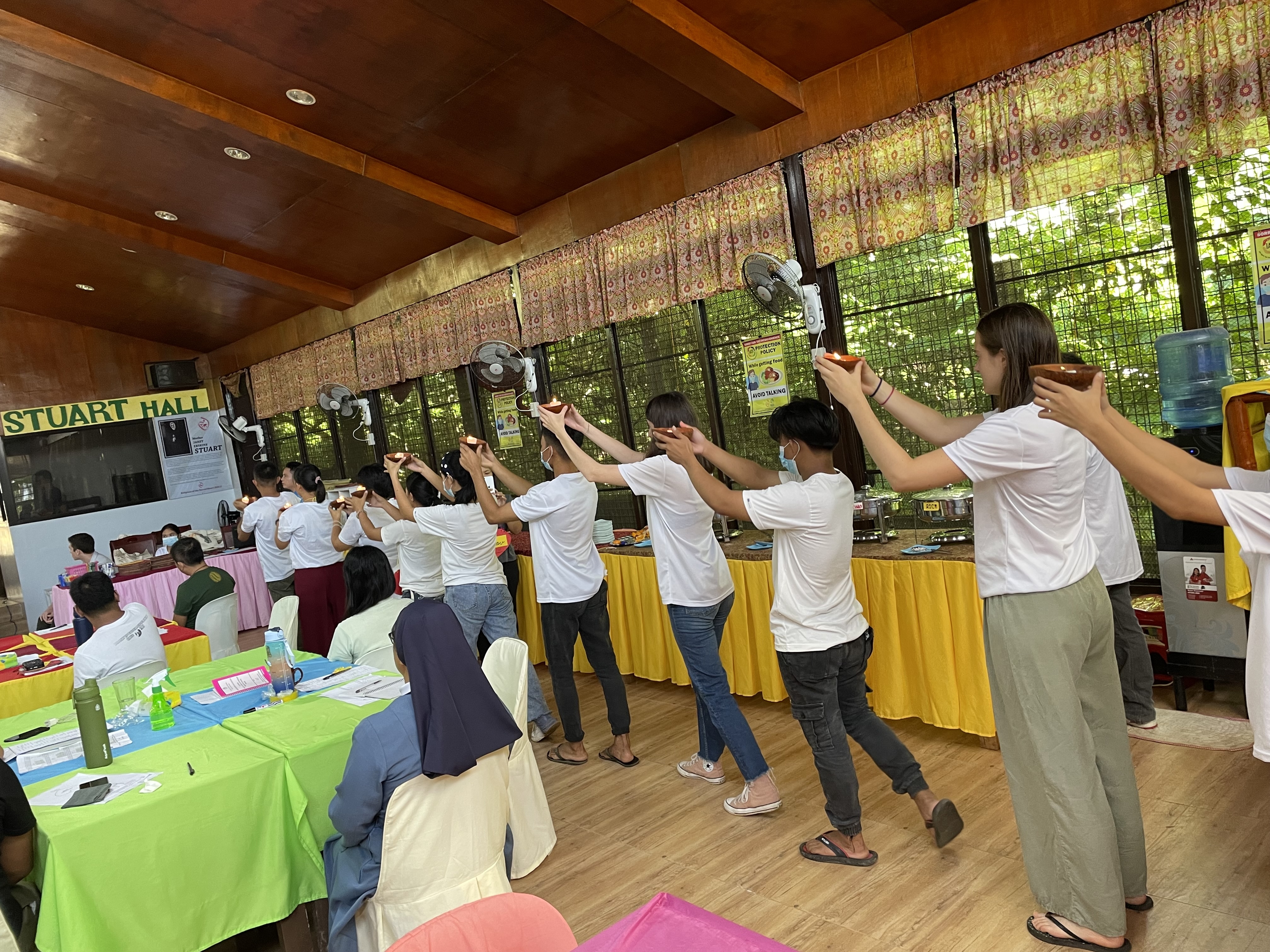
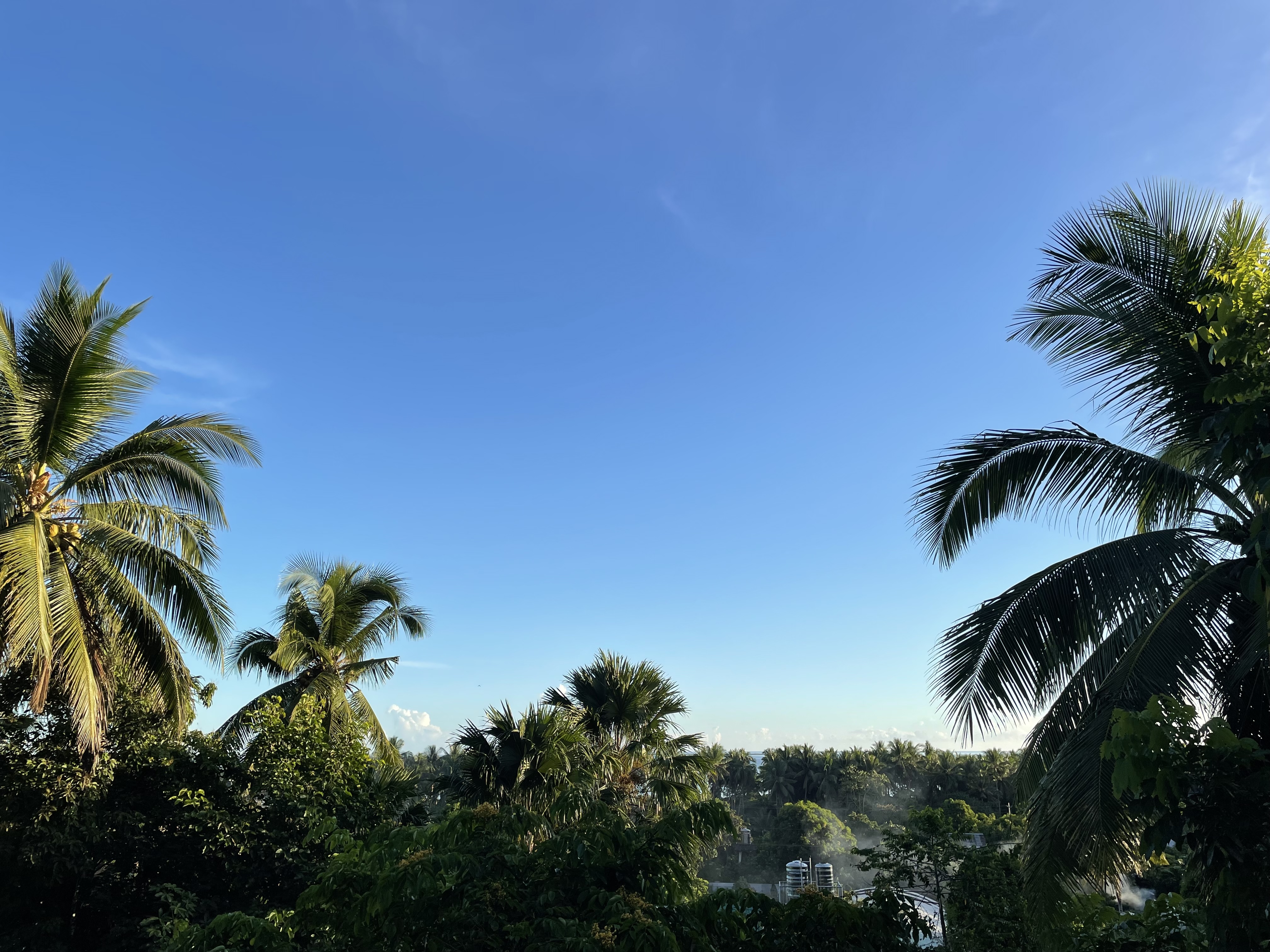
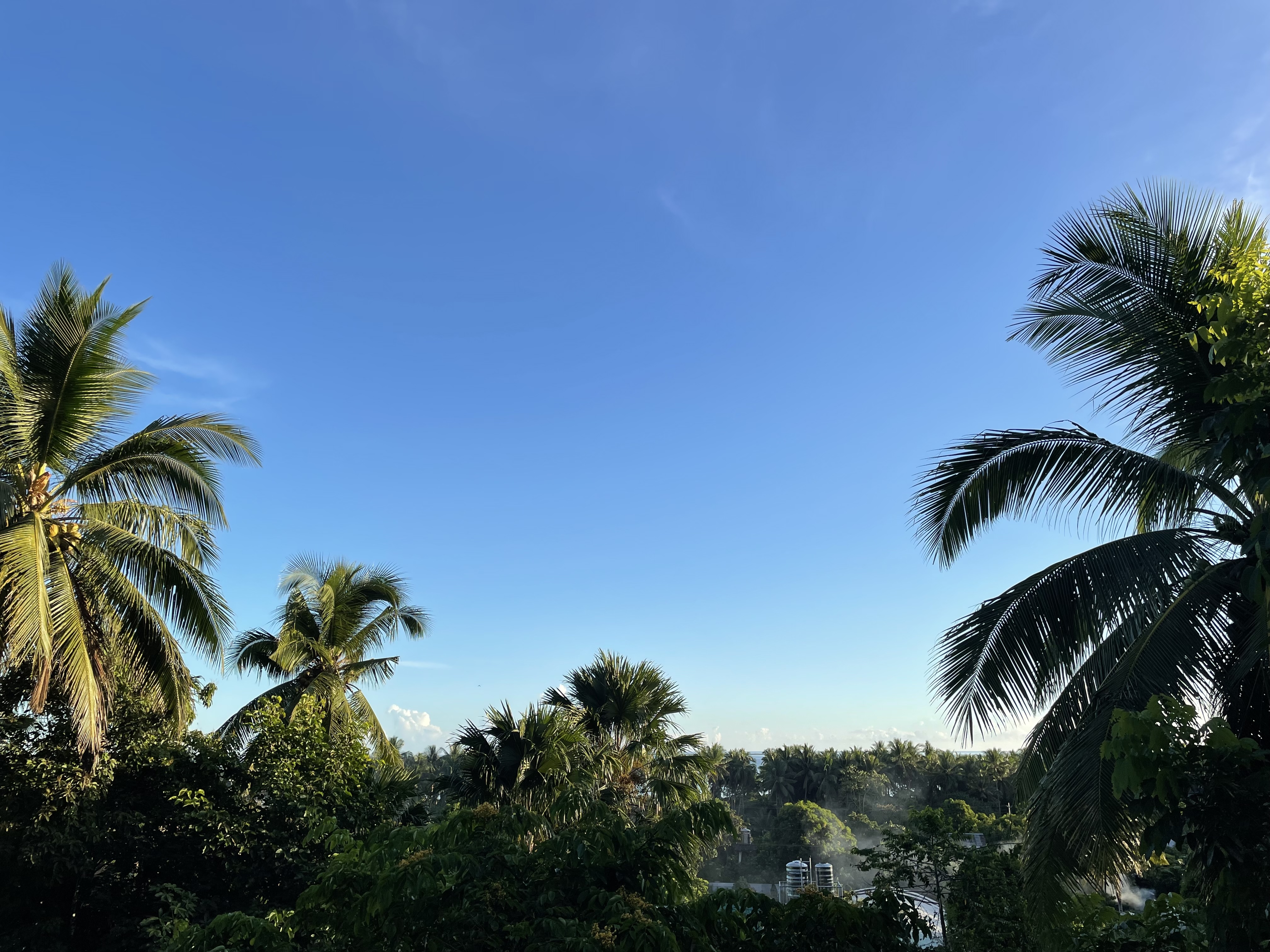
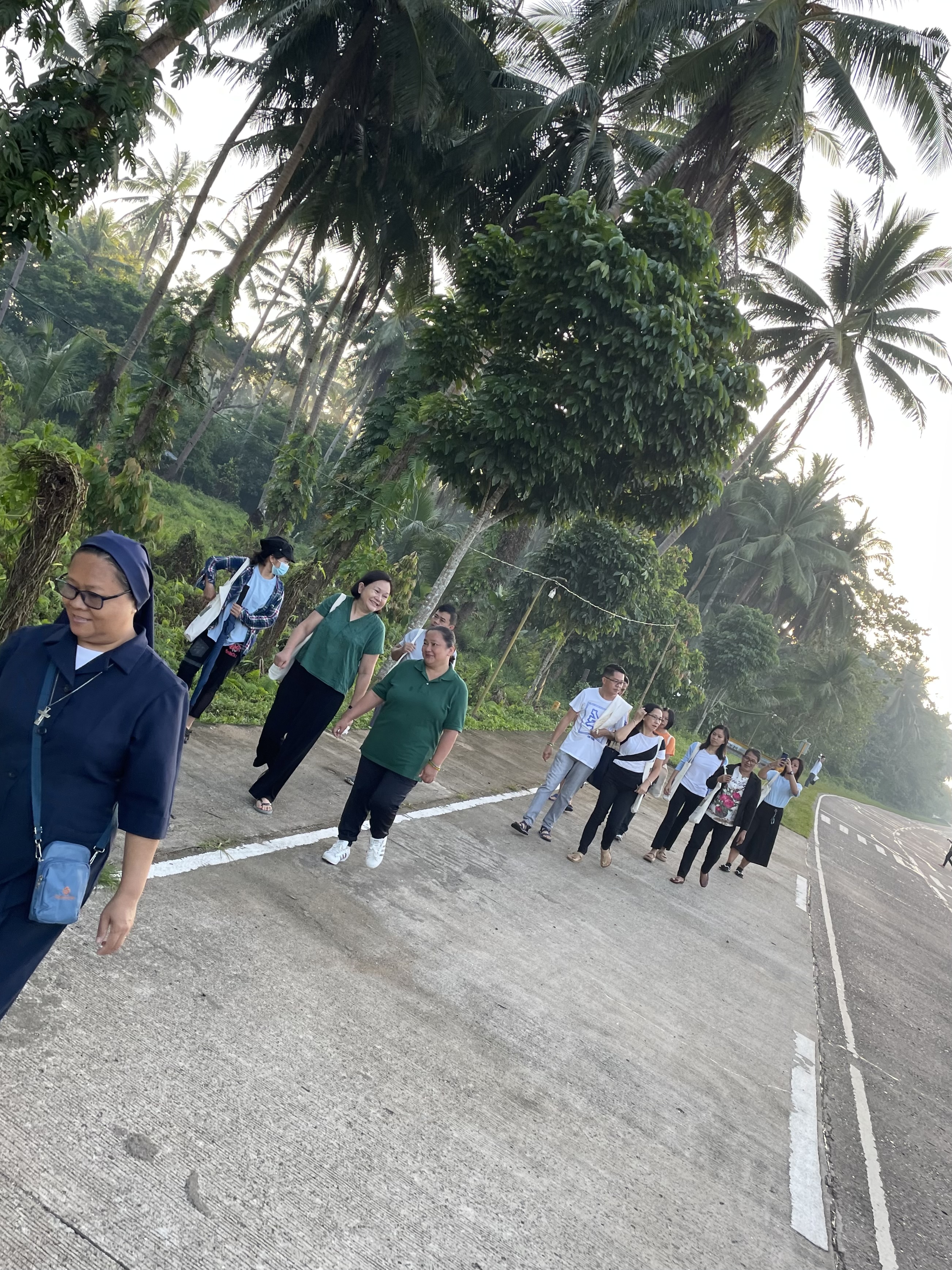
The morning began with an early morning walk to the beach. Drawing from the post-Resurrection narrative from the 21st chapter of the Gospel of John, a few participants role-played the story of Jesus appearing to Simon Peter soon after the crucifixion. Believing that he was dead, Peter and a few disciples had returned to their “old ways” as fisherfolk, struggling always to meet the day’s quota of fish. Prodded by Jesus (whom they initially took for a stranger), Peter caught an abundance of fish. But even before this miraculous haul, they only truly encountered Jesus when he broke bread — had breakfast! — among them. One is chosen, it seems, through the sharing of a meal, a partaking of another’s story.

Photos by Dr. Michael Campos, Religion, Theology & Spirituality, Faculty

Animated by dance and song, we welcomed the dawn by opening our bodies to the emerging light and the gentle sound of the ocean encroaching on the unmarked sand. We then “broke bread” over a breakfast of rice, corned beef, sausages, coffee and organic teas.

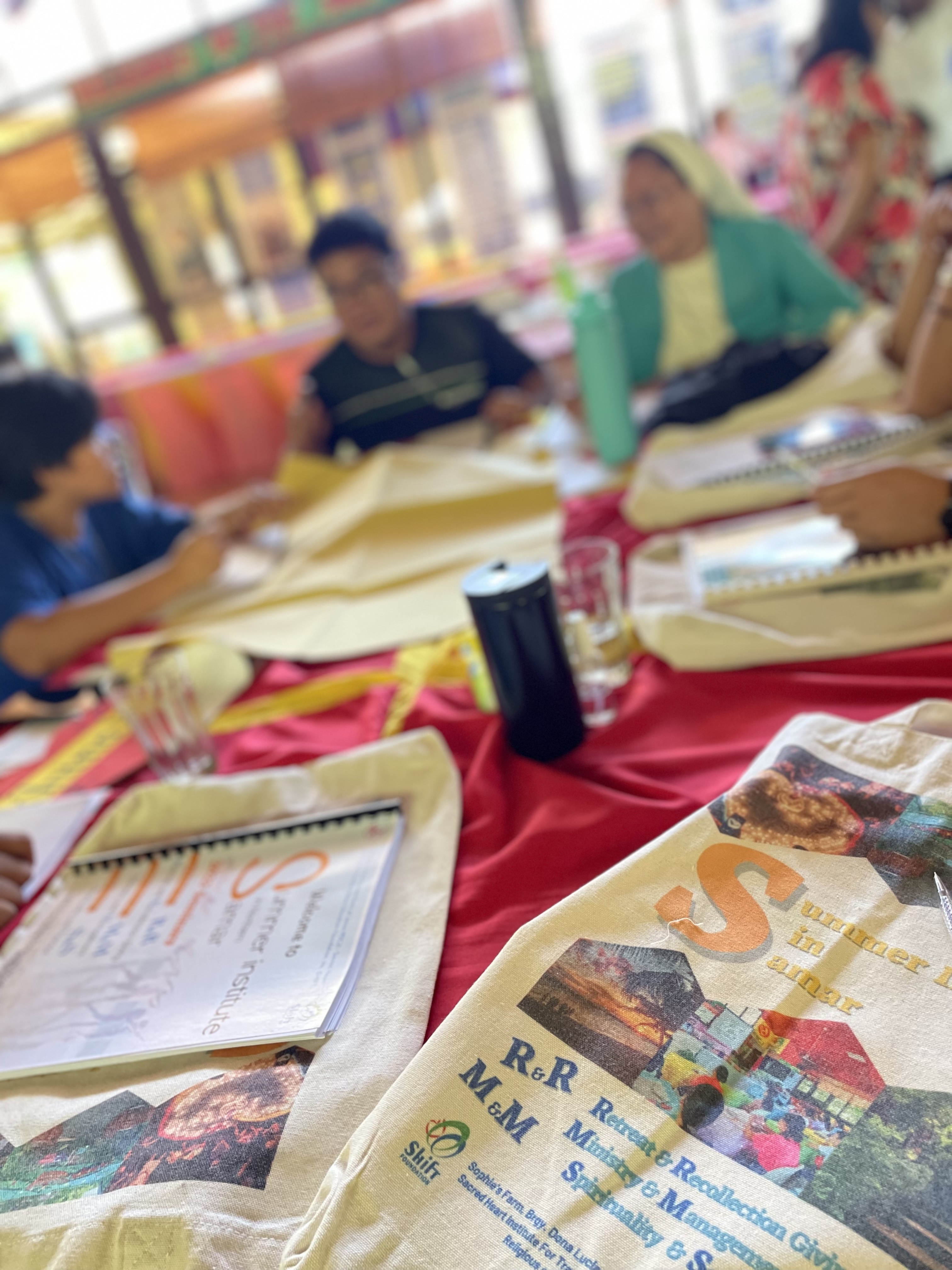
The day’s session began with a presentation by Mel Lopez (De La Salle University, Manila) on “Human Development” in the context of organization structures. Conversations focused on the necessity of “agency” and “autonomy” to ground organizational functions. Bridging the technical aspects of organization structure with psycho-social health, Mel addressed the tension between professional ambition and existential vocation/purpose. She took account of the Christian tradition’s roots in Aristotelian/Hellenistic principles, where “purpose” is understood to be an extension of an “essential personhood.”

Sophie’s Farm Summer Institute | Day 3

By Dr. Michael Campos, High School Religion, Theology and Spirituality Faculty

Seminar 2, Day 3: Becoming God’s Beloved
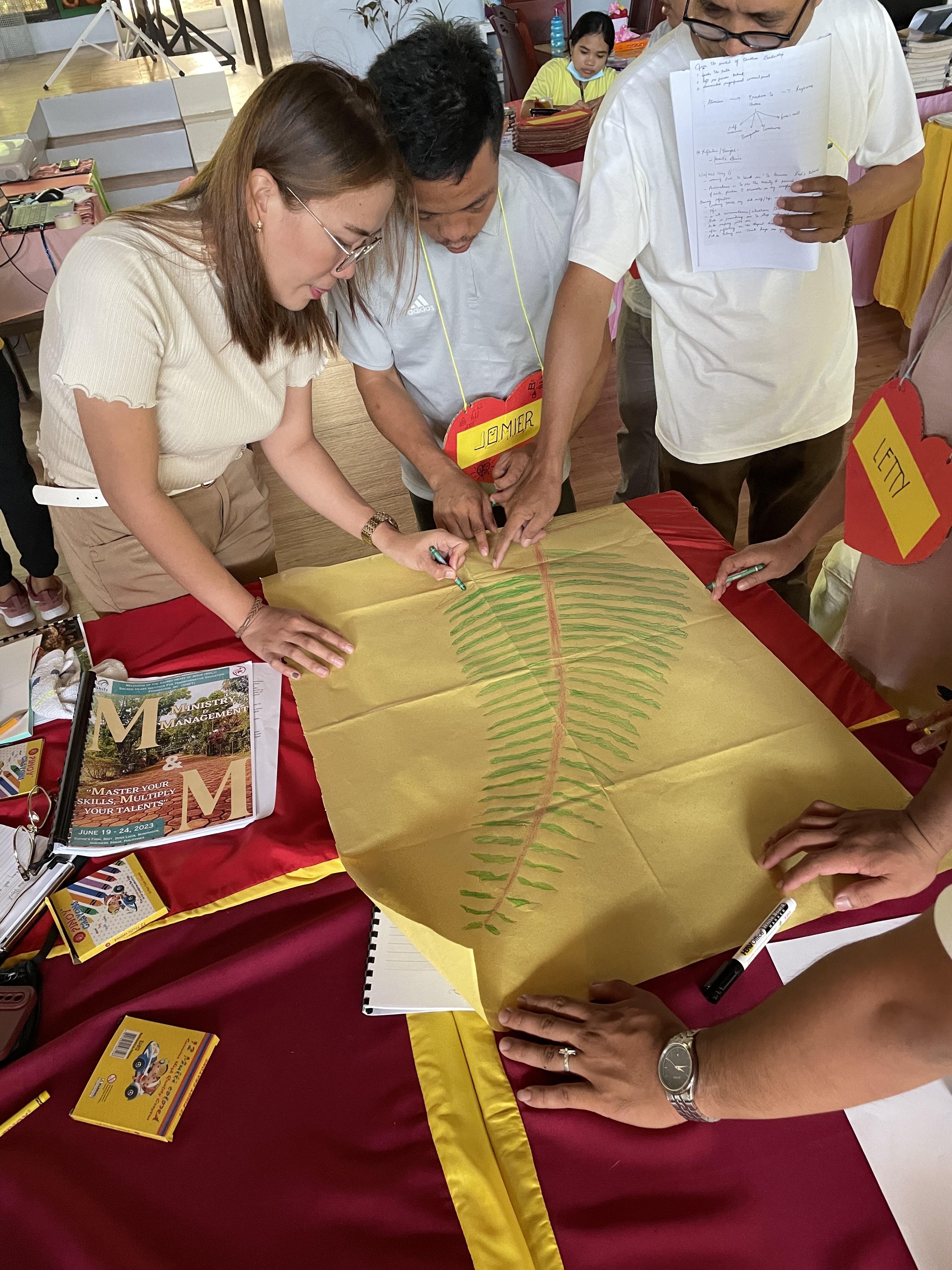
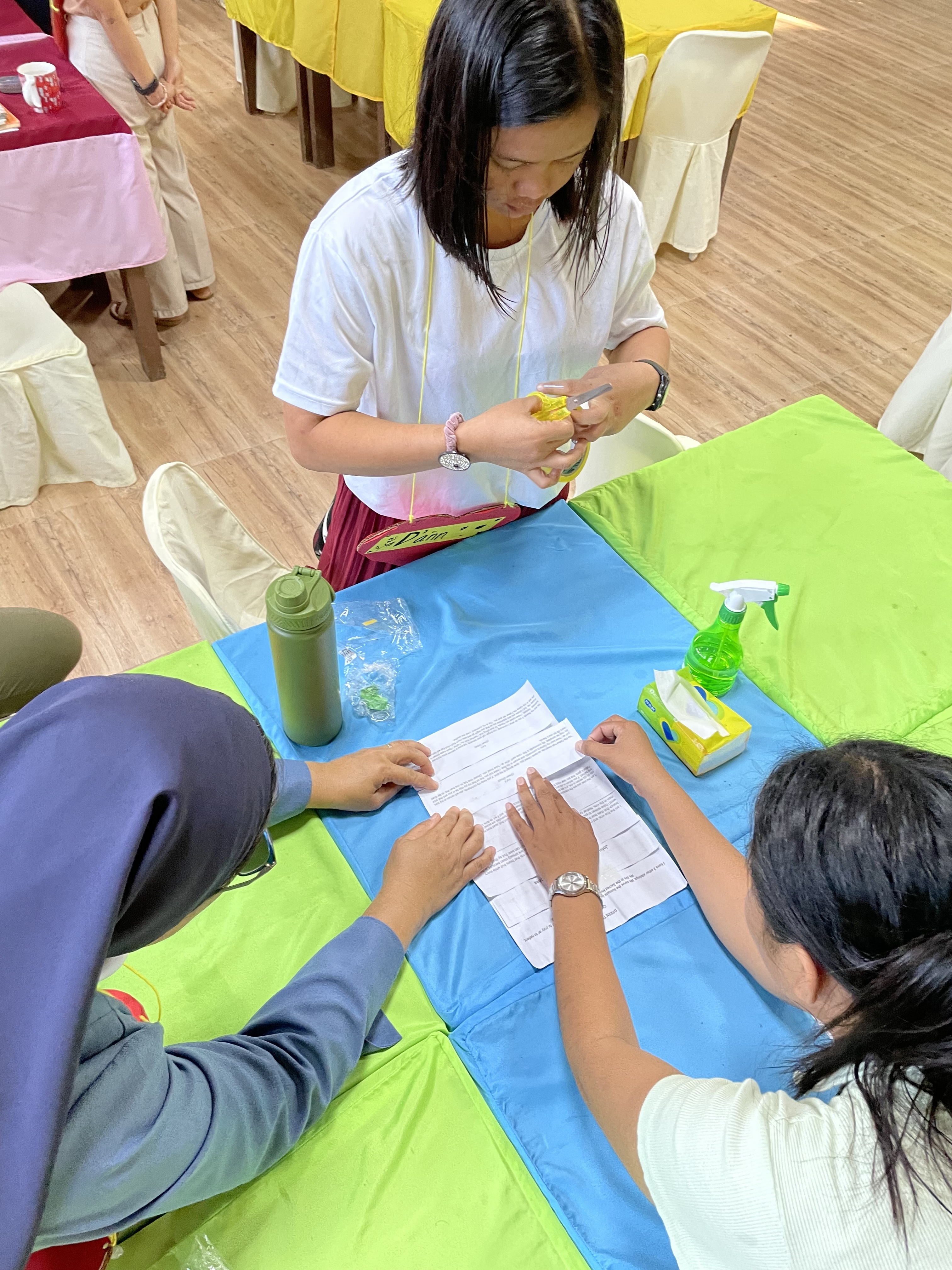
Elvy Asuan (Philippine Normal University) facilitated a presentation on the dynamics of organizational structures. Highlighting the specific function of a collective’s Vision (aspiration), Mission (institutional purpose) and Goals (measurable outcomes), conversations focused on the technicalities of group facilitation, formulation of minutes and framing of leadership styles. Participants from the local government offered practical insight into the workings of an efficient vis-a-vis stagnant bureaucratic processes.

Isidro “Syd” Baradi IV, Sophie’s Farm Program Assistant, offered a personal reflection at the intersection of faith, service and spirituality. His life’s trajectory as the son of middle-class professionals, raised in Nigeria, the United States and Marinduque Island in central Philippines, converged to bring him to remote Northern Samar in order to support the work of Sophie’s Farm. Syd considered the importance of personal discernment in attending to shifting contexts and one’s capacity for response-ability. 

Photos by Dr. Michael Campos, Religion, Theology & Spirituality, Faculty

Sam Schelble (Boston College) concluded the day with a reflection on Christian leadership. Drawing on examples from the Gospel narratives, he highlighted the ways in which Jesus embodied autocratic, democratic, laissez-faire and servant leadership forms throughout his time of ministry. Participants were encouraged to consider an approach to leadership that is contextualized and attentive to the shifting needs of an organization.

To the extent that we were emerging out of a pandemic, observations considered how remote work whittled down traditional structures to basic forms of interaction. “Agency” and “initiative” took greater significance in moments where existing structures could no longer sustain the quotidian function of organizations. To this point, participants noted two tendencies in pandemic-era leadership: one that magnified existing structures of authority to protect the institution, and another that encouraged creative problem-solving approaches at the local level. I noted  that in its self-critique during the Second Vatican Council (1962-1965), the Roman Catholic Church proposed an image of organizational leadership that emphasized the principle of “subsidiarity,” that is, local leadership and agency.

Sophie’s Farm Summer Institute | Day 2

By Dr. Michael Campos, High School Religion, Theology and Spirituality Faculty

Seminar 2, Day 2: Being God’s Beloved
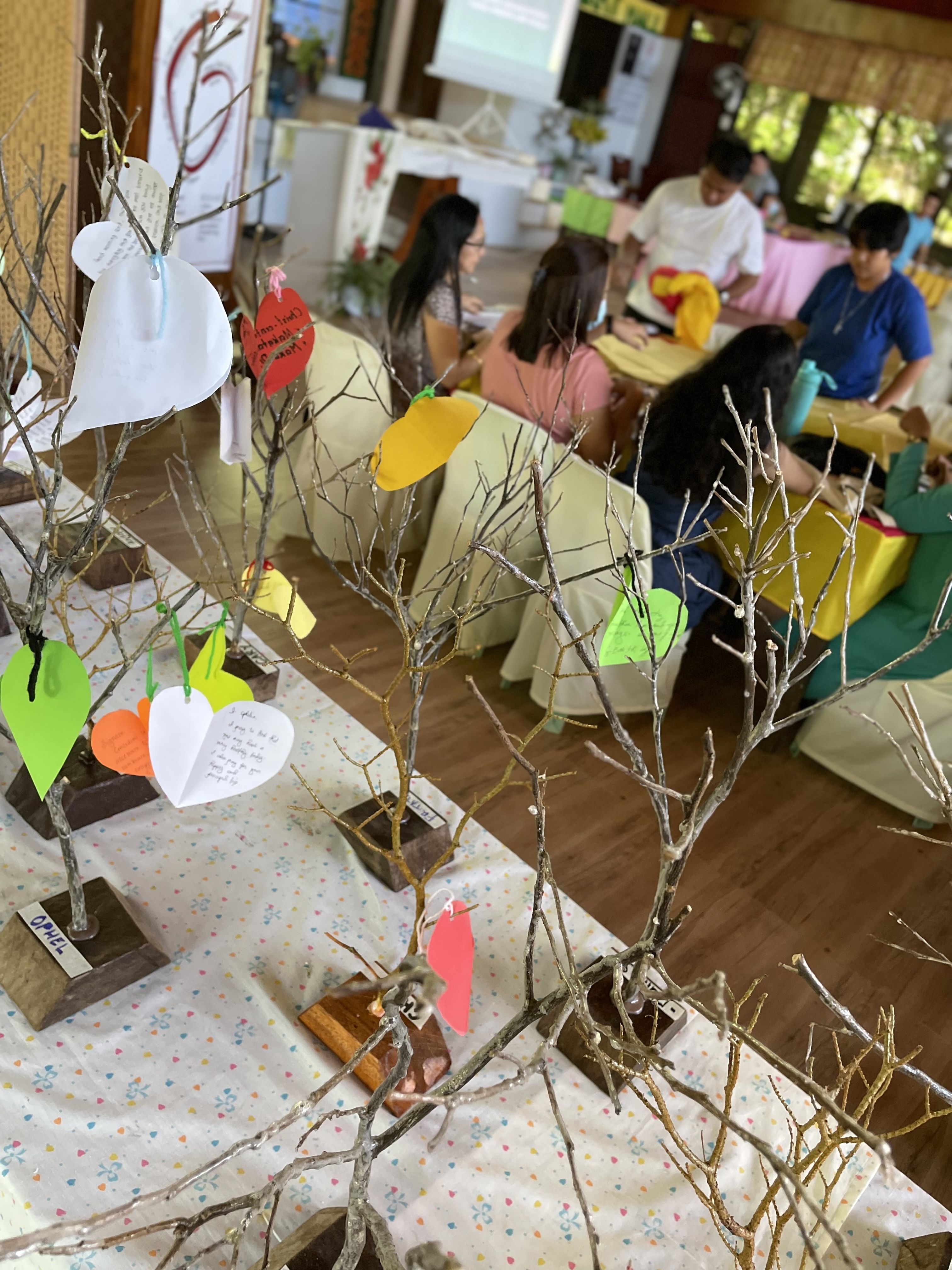
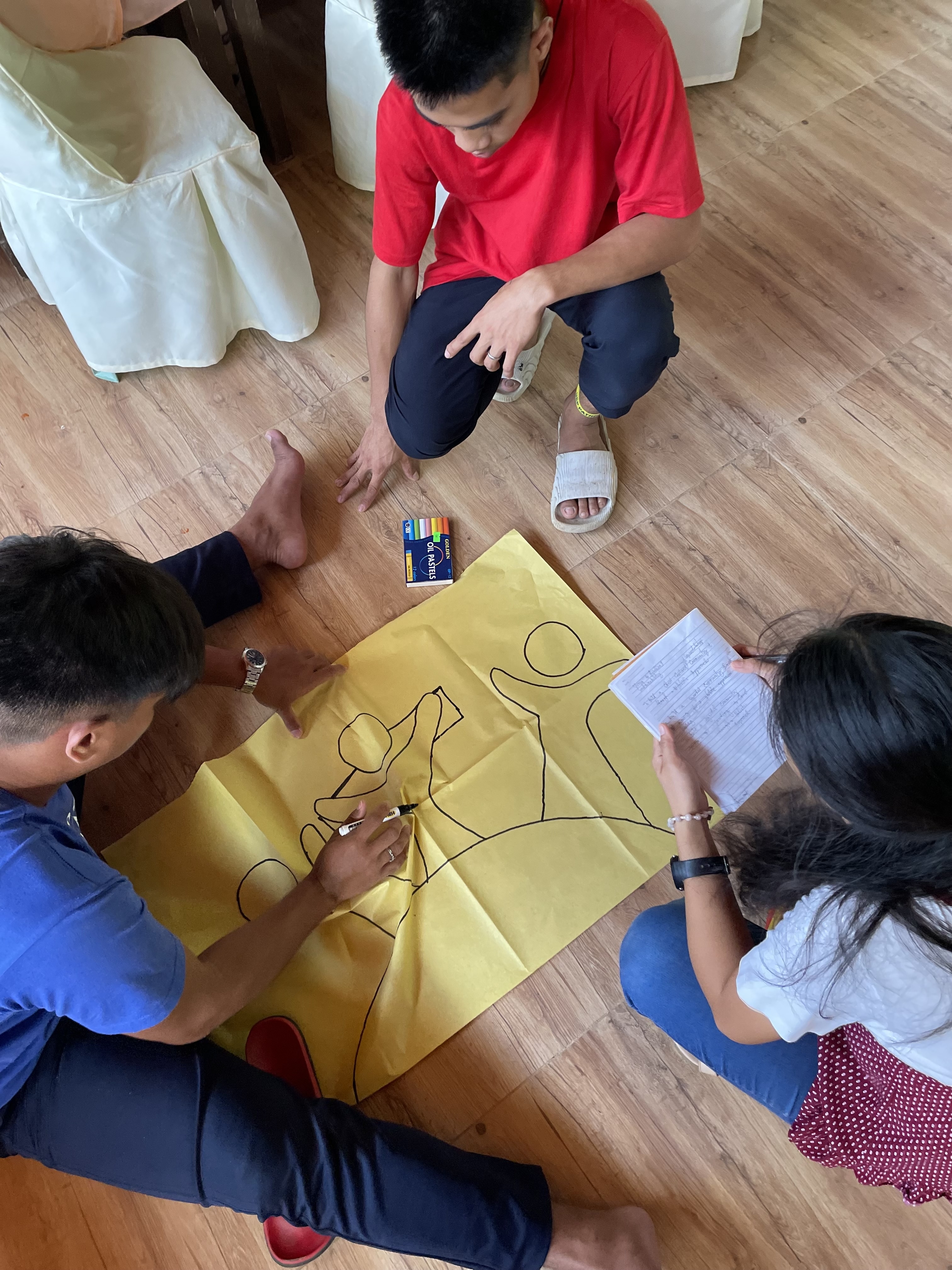
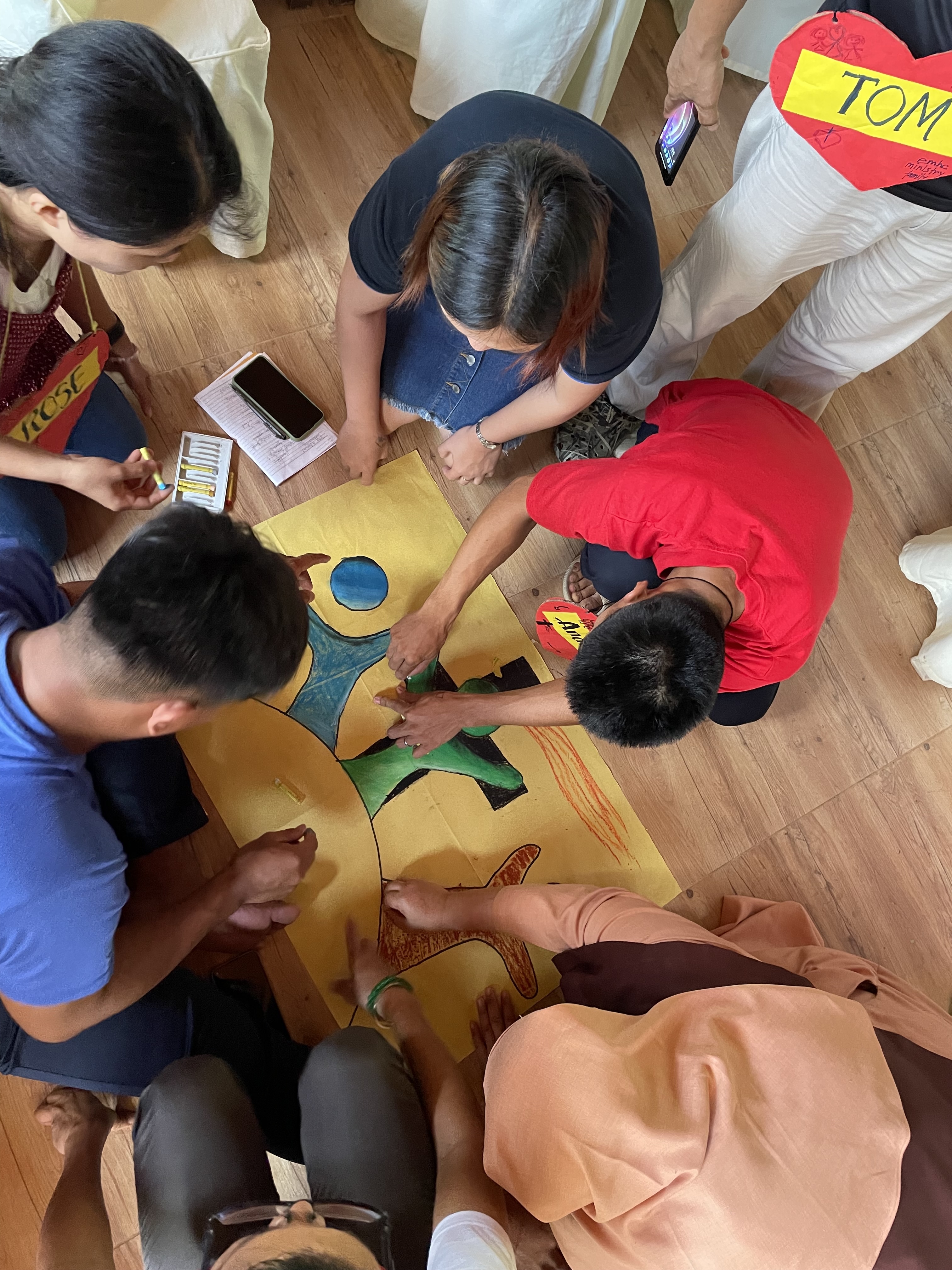
The seminar opened with a meditation on being “Beloved.” Sr. Lydia Collado and Sam Schelbe invited us to consider the principle of imago Dei (image of God) as the starting point of work and ministry. I bridged these concepts into the practice of conversatio morum (conversion of life) that emerges out of intentional relationality, when we are confronted with another’s uniqueness. 

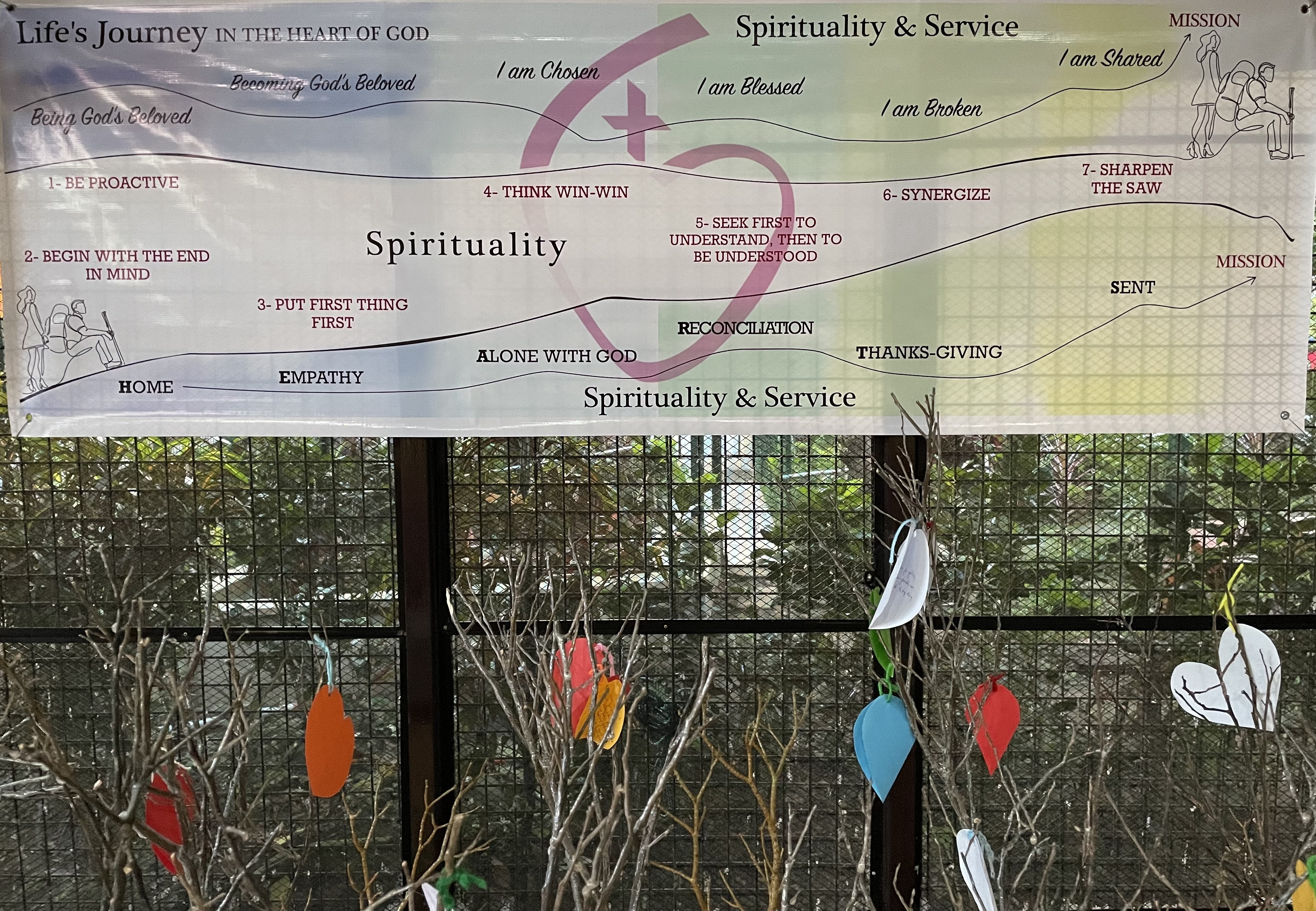
While participants came from both religious and secular contexts, most gravitated to the spiritual framework offered by the great Catholic writer, Henri Nouwen. 

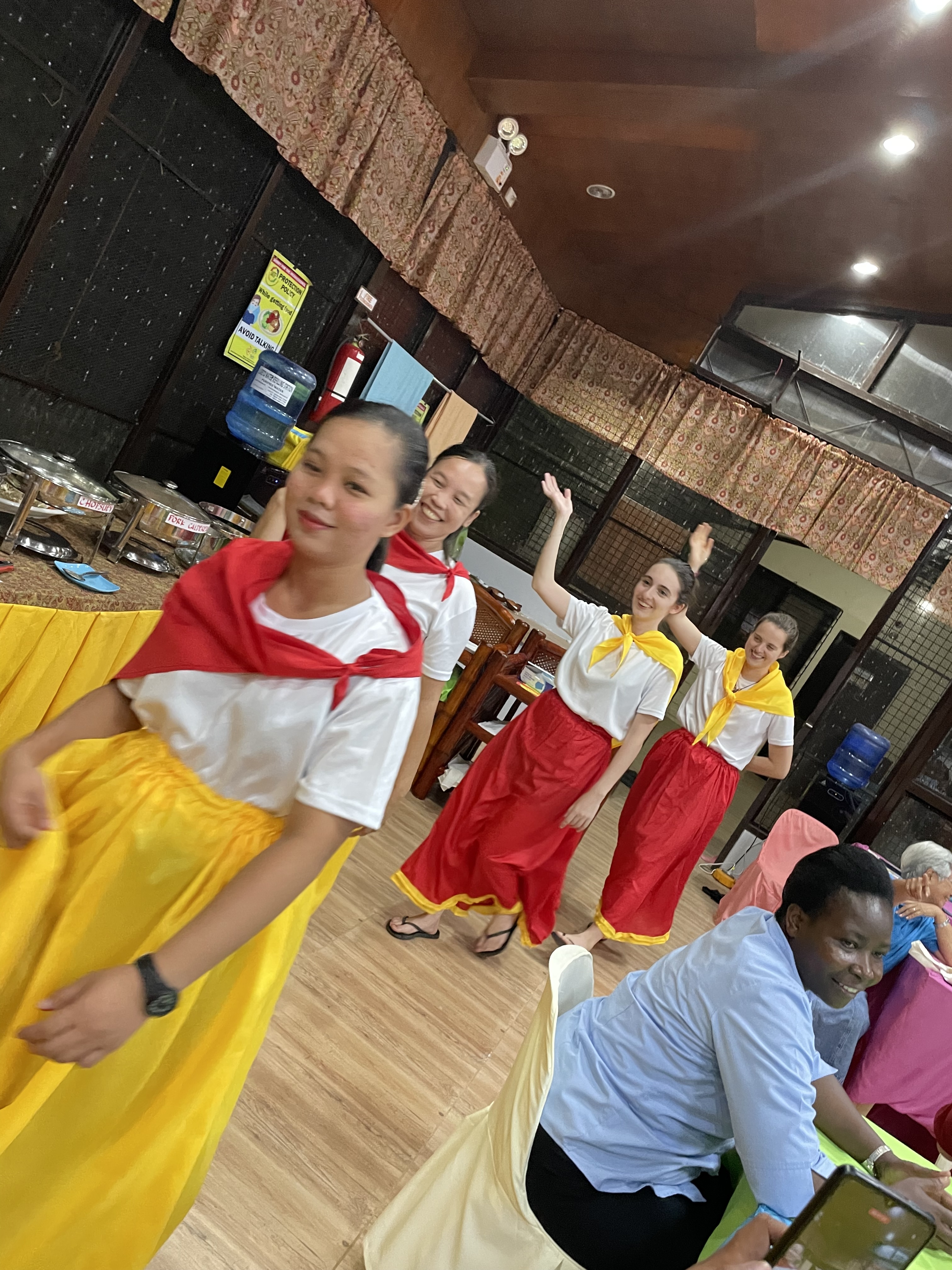
A highlight to the opening conversations were the introduction of daily “animations” — praise songs and dances — choreographed by volunteer, Malou Ybanez, that punctuated the day’s schedule.

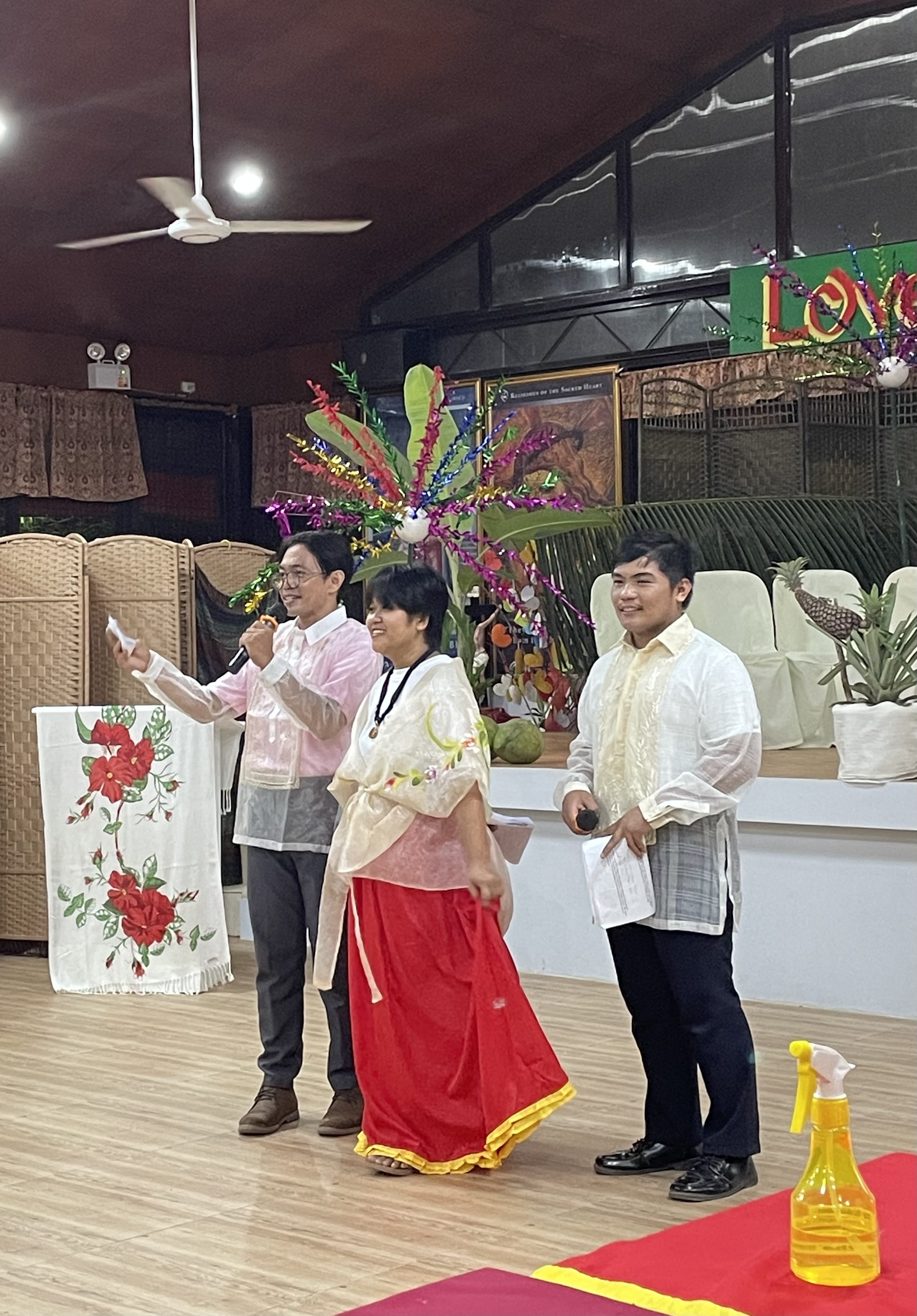
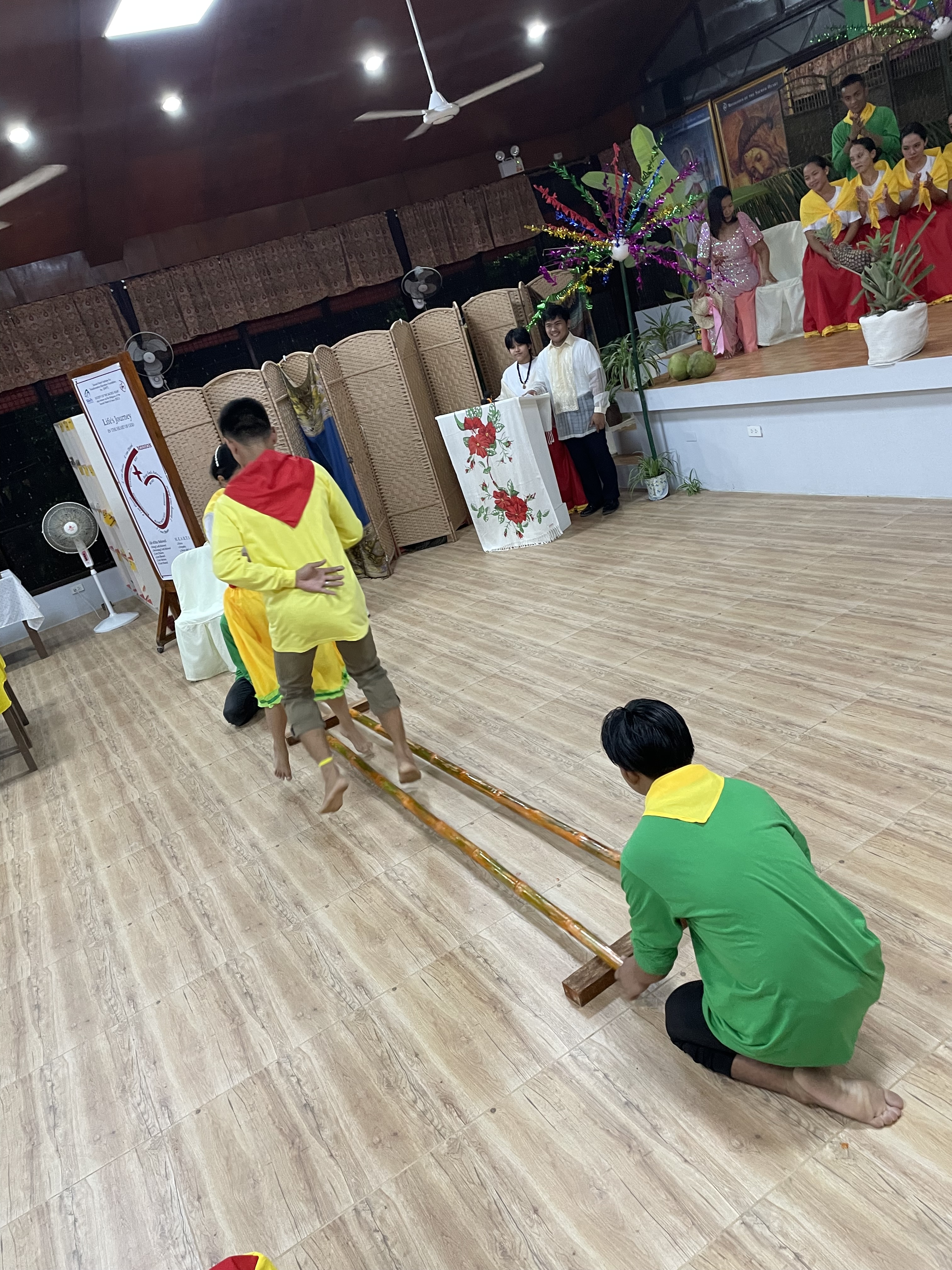
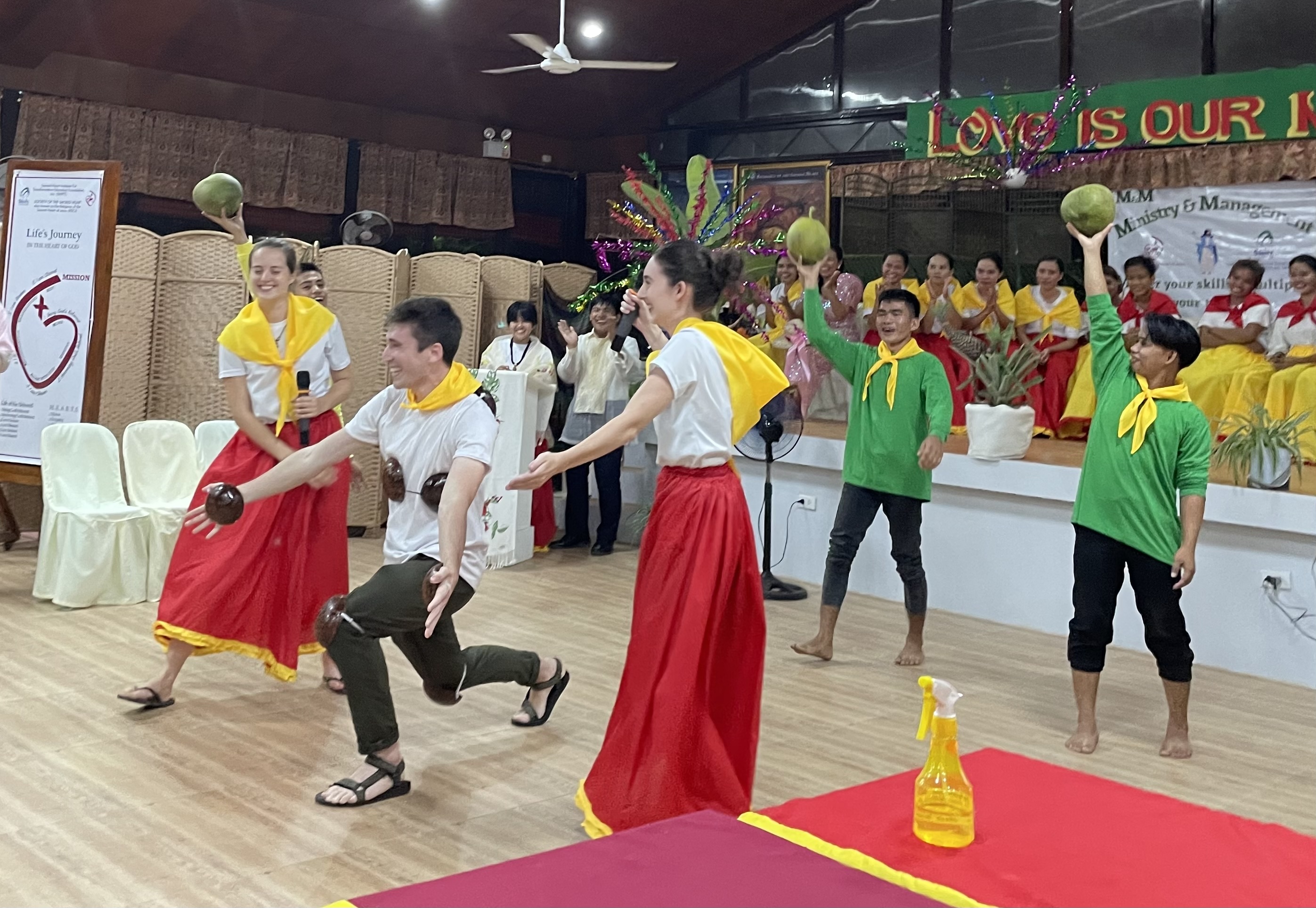
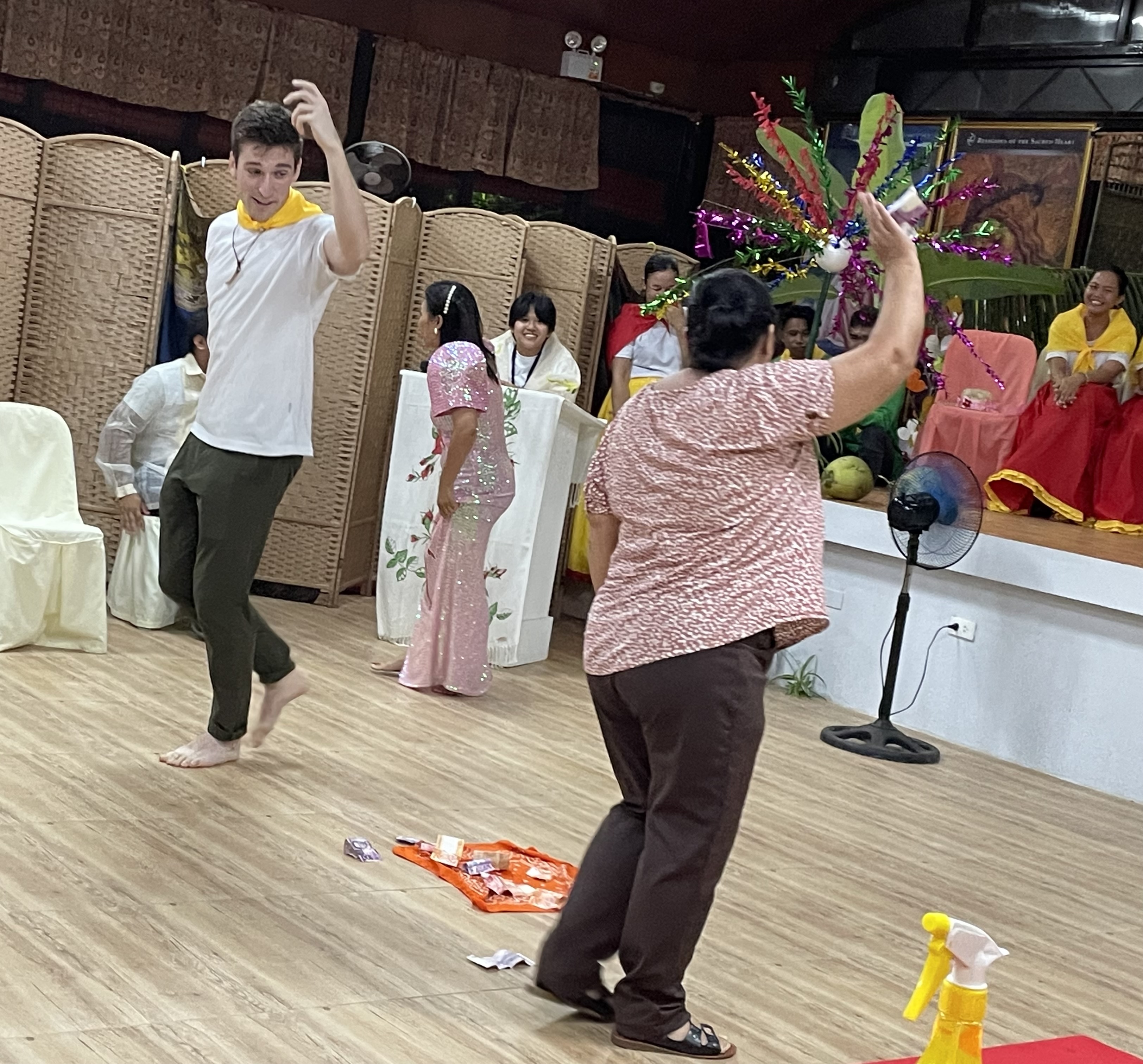
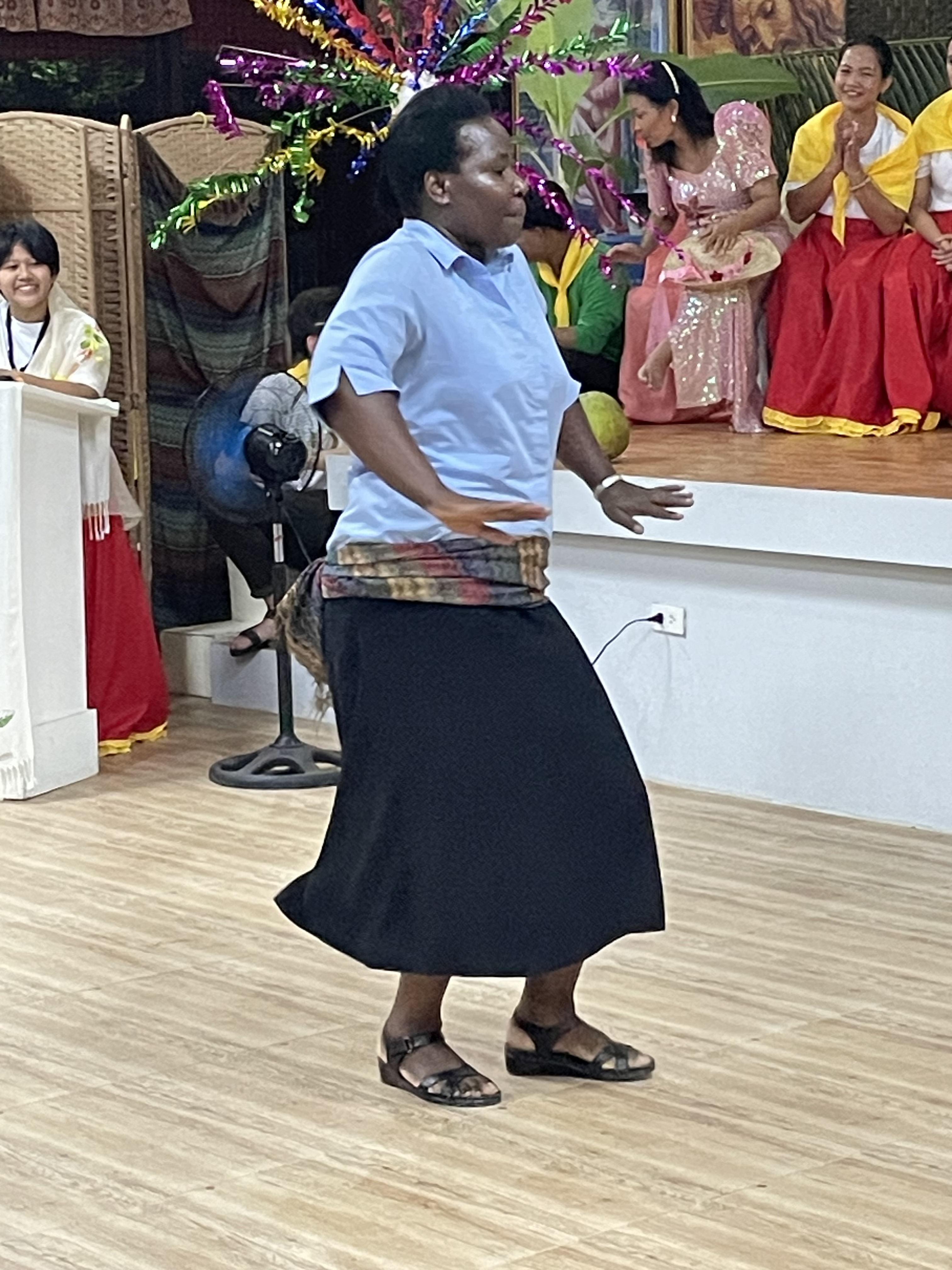
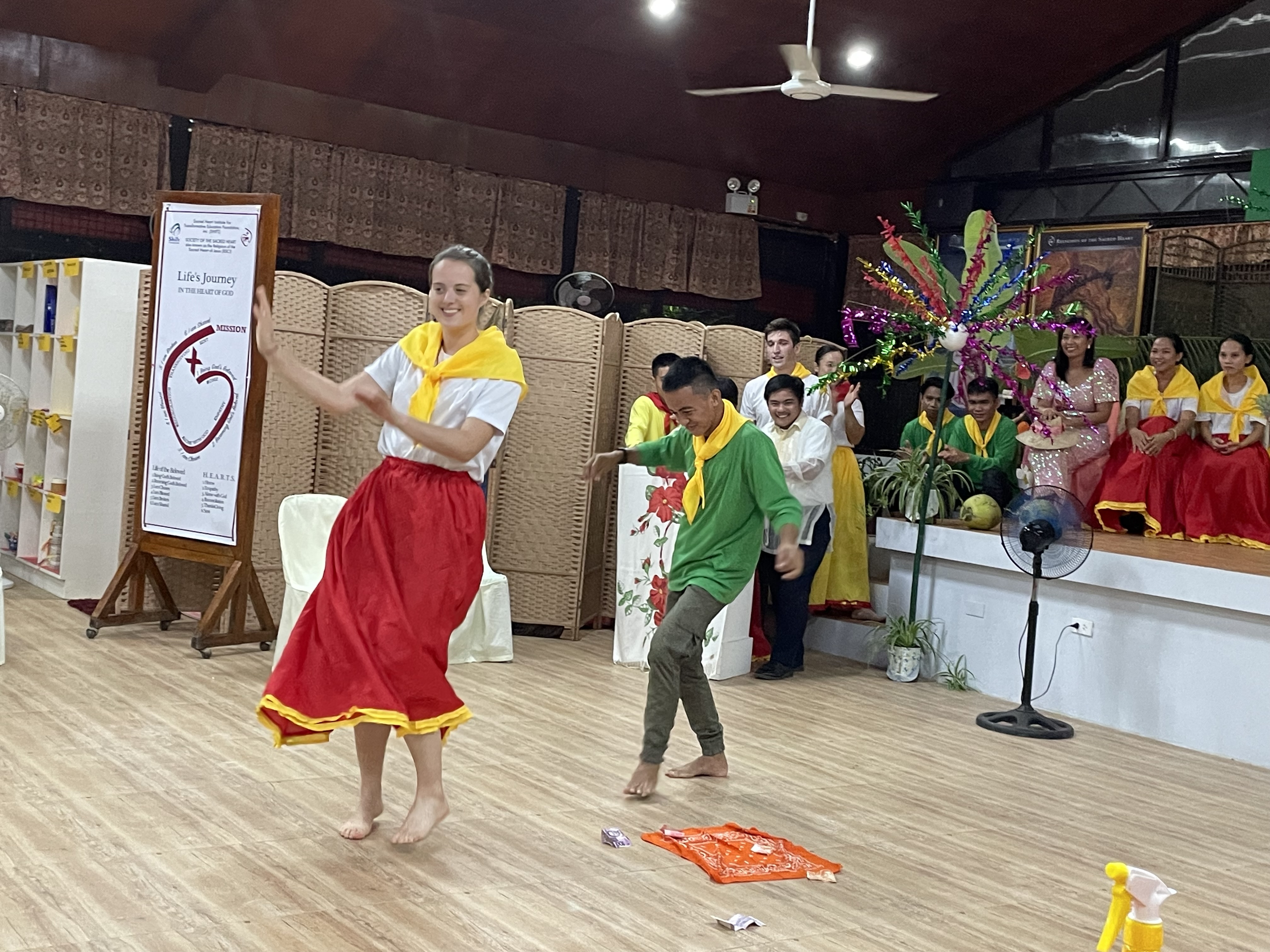
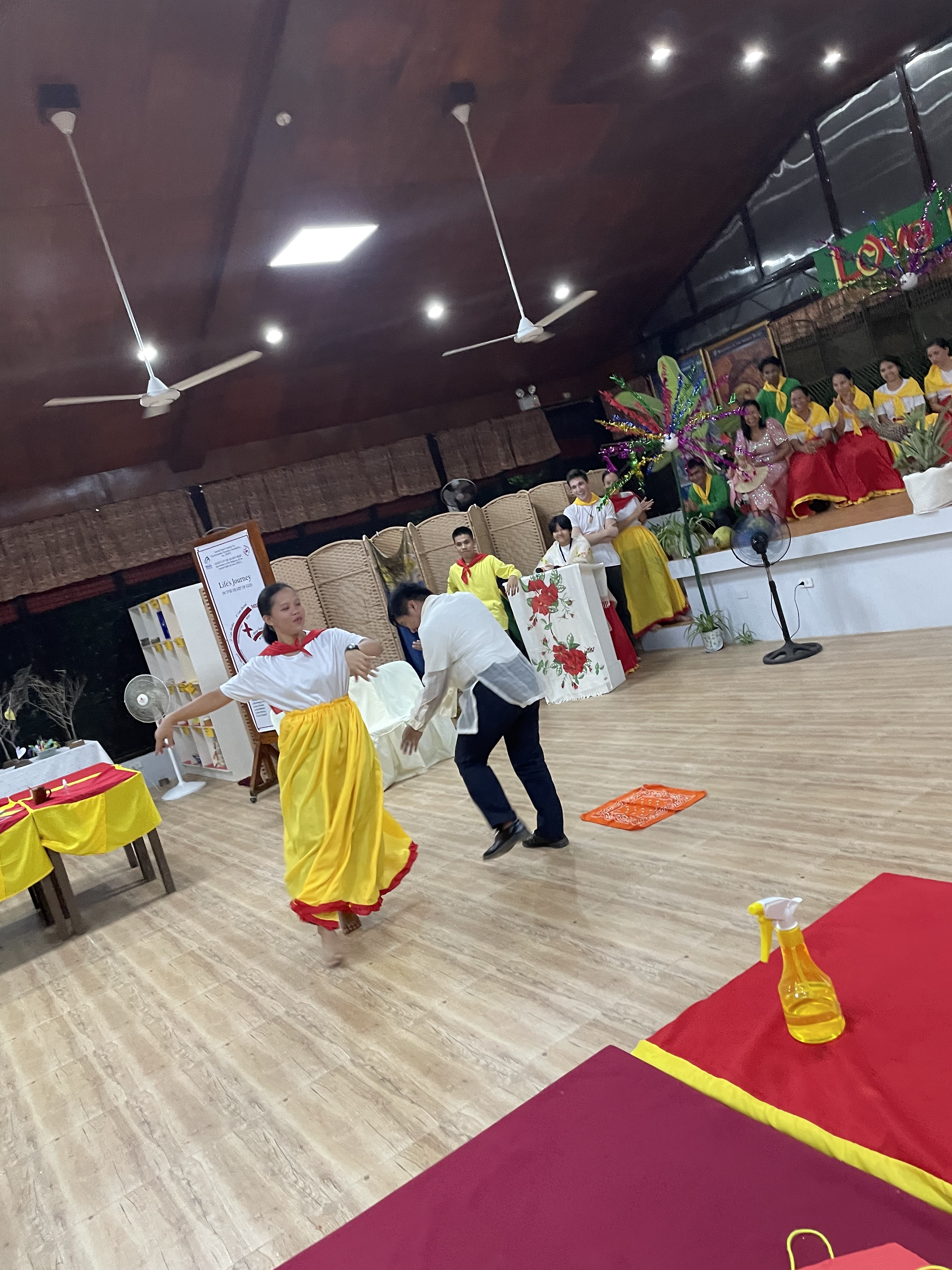
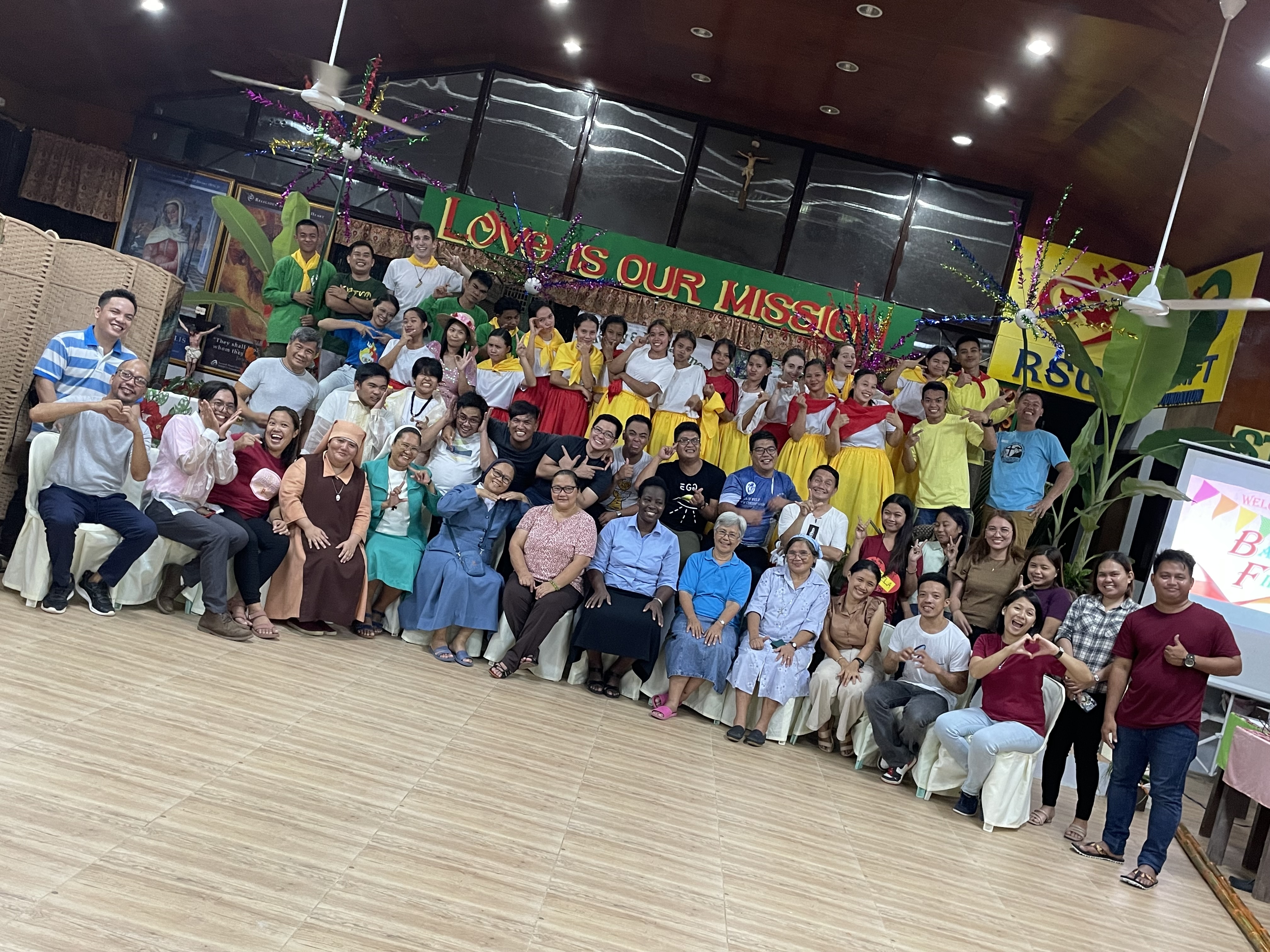
As a practice at Sophie’s Farm, participants were officially welcomed during a Roman Catholic liturgy at the day’s end. The Mass was followed by a celebratory dinner and Barrio Fiesta, a cultural presentation of indigenous dances and songs throughout the Philippine archipelago. Sr. Mercy surprised us by performing a dance from Uganda. The evening concluded with an impromptu party that saw all hitting the dance floor in a mix of cha-cha, kuratsa (traditional courtship dance from Samar) and tinikling (a traditional dance from the Filipino countryside). 

Photos by Dr. Michael Campos, Religion, Theology & Spirituality, Faculty

Sophie’s Farm Summer Institute | Day 1

By Dr. Michael Campos, High School Religion, Theology and Spirituality Faculty

Seminar 2 Introduction
The “Ministry and Management” (19-24 June) Seminar is the second of three weeklong modules hosted by the Sacred Heart Institute for Transformative Education (SHIFT) dedicated to the formation of church and civil workers throughout the Philippines. Lydia Collado, RSCJ, Executive Director of SHIFT, established the Summer Seminar as a way to revitalize community workers post-pandemic. Its location in Samar — a relatively remote island in the central Philippines, away from the bustle of Manila — made Sophie’s Farm an expansive space for participants to step “outside” time and work in order to reimagine the emerging needs of their ministries.The farm’s international network, contextualized the Seminar in global conversations that enriched participants’ understanding of their concerns.

In addition to two French volunteers who were on hand to support staff workers — Elea Bertolacci and Guillemette Arminjon — the Seminar hosted facilitators from local and U.S. institutions: Dr. Elvira “Elvy” Asuan (Philippine Normal University), Dr. Melissa “Mel” Lopez Reyes (De La Salle University, Manila), Samuel Schelble (MA student from Boston College), and myself from Convent & Stuart Hall, Schools of the Sacred Heart San Francisco.

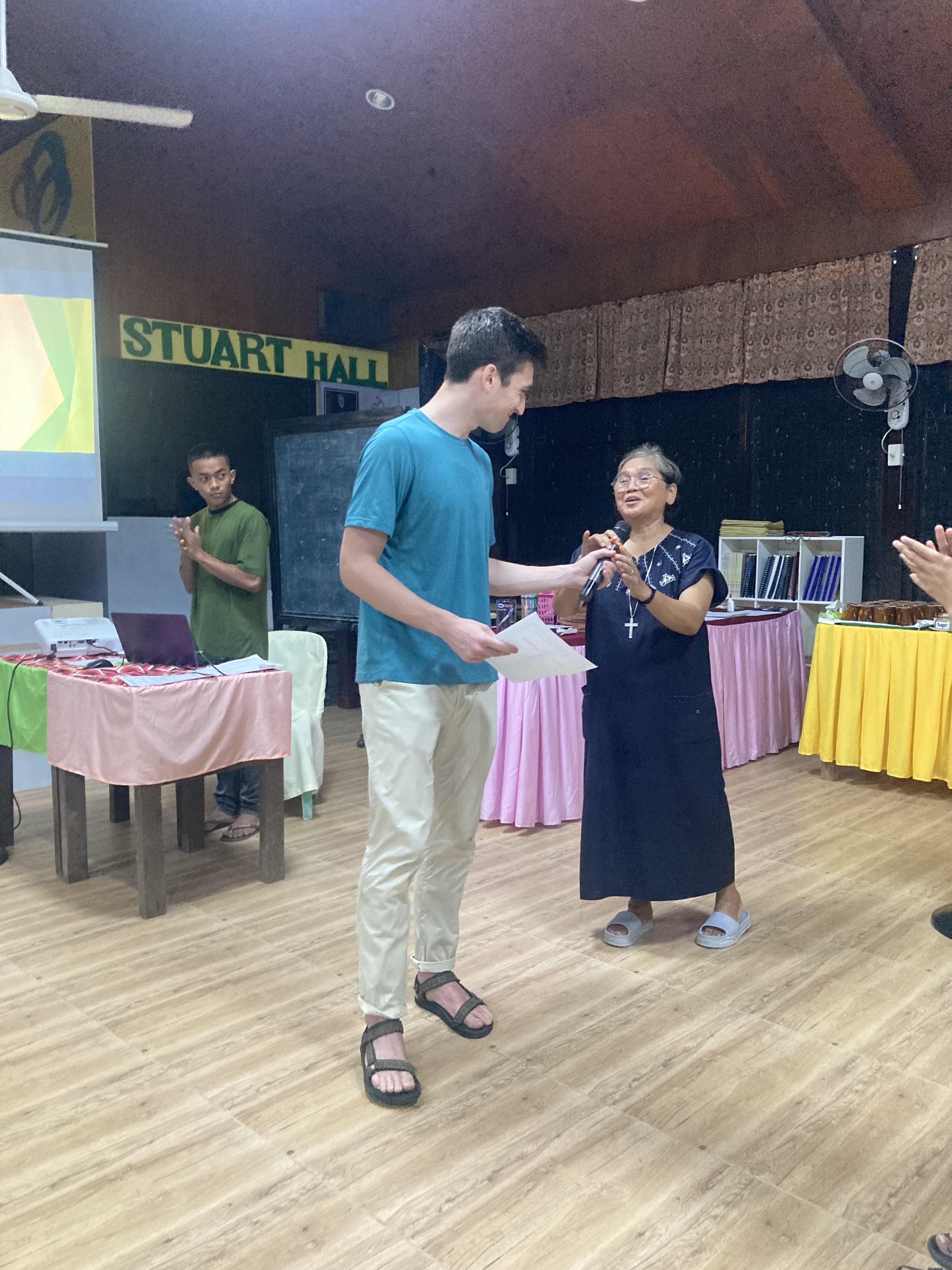
Participants drew from a variety of institutions throughout the Philippines, including seminaries, diocesan offices, local parishes, religious orders and government agencies. We were joined by Mercy Amalemba, an RSCJ sister from Kenya who spent her internationalization year in the Philippines. She will be traveling to Rome in September to profess her final vows as a member of the Religious of the Sacred Heart of Jesus.

Photos By Dr. Michael Campos, High School Religion, Theology and Spirituality Faculty

Seminar 2, Day 1: Arrival and Introduction
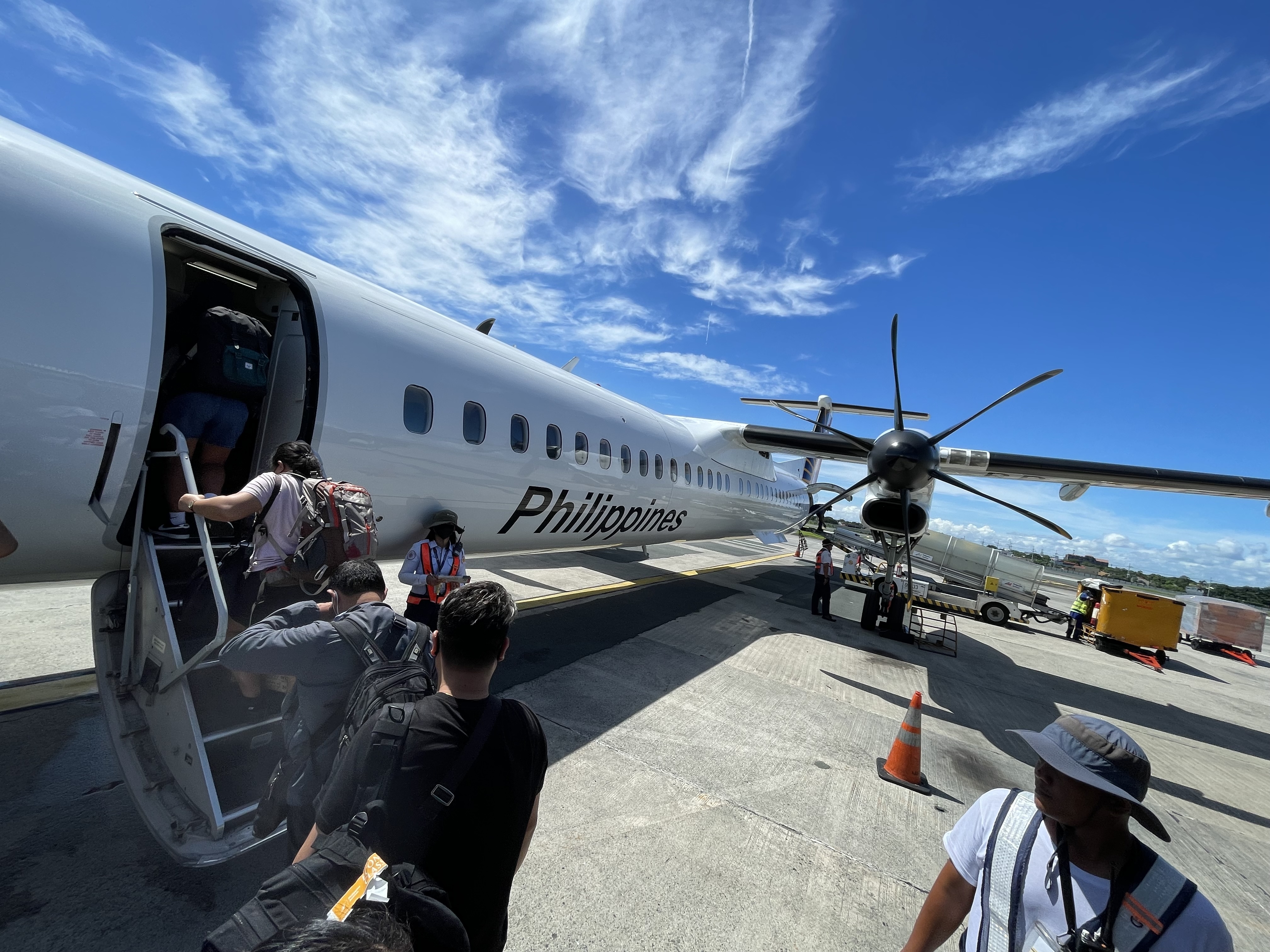
I arrived on the evening of June 18, 2023. Re-entering Sophie’s Farm was very much an experience of “returns.” There was comfort in the familiarity of the farm. Convent & Stuart Hall’s inaugural visit last February — with 18 students and six staff members — encouraged us to imagine how our two communities may support a common work in the context of the RSCJ’s global  mission. The material gifts we brought — enriched by our interaction with the farm’s scholars-in-residence and staff — marked the beginning of these initiatives. My participation as a co-facilitator in SHIFT’s Summer Institute is the second step in this exploratory collaboration.

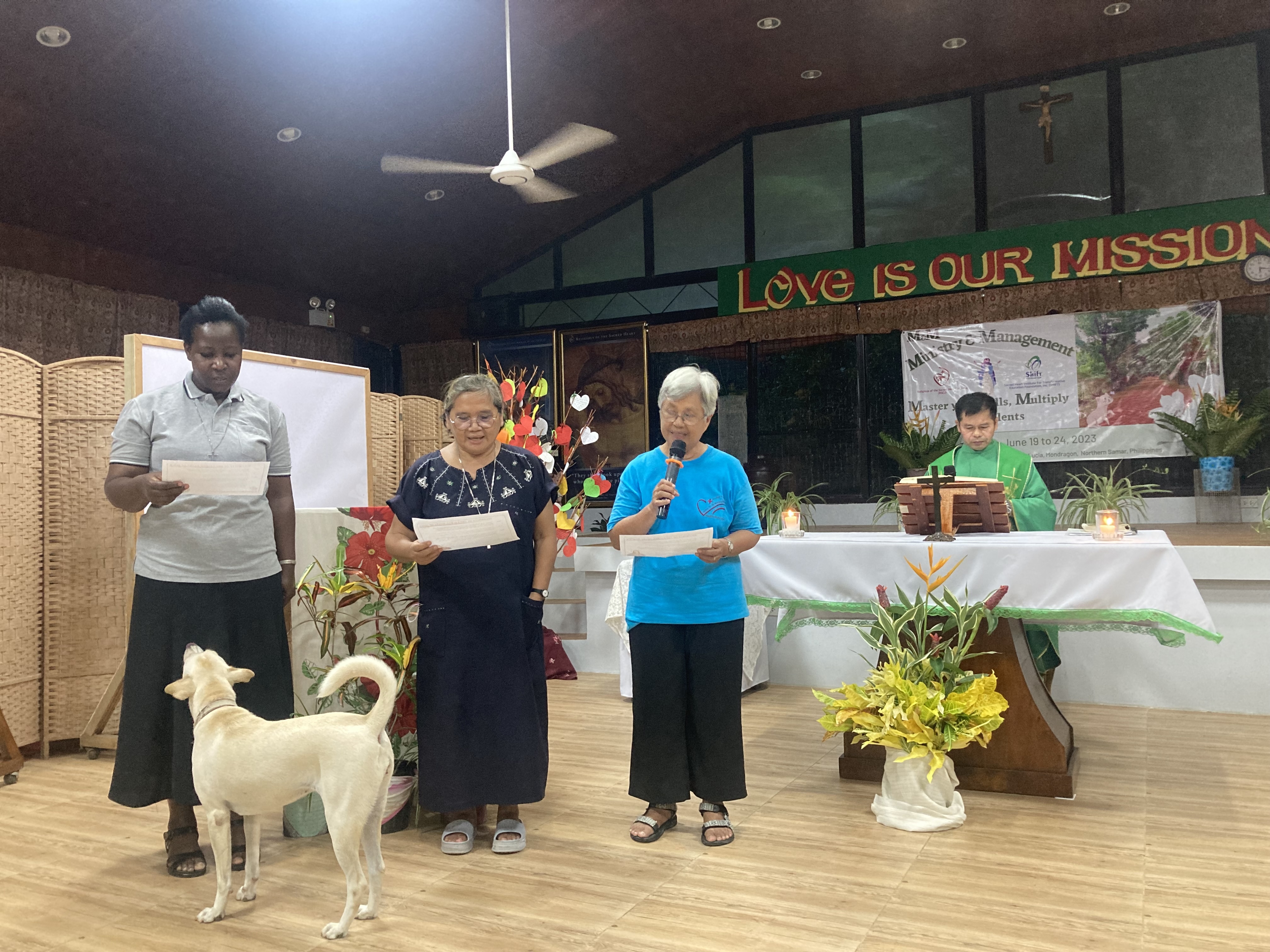
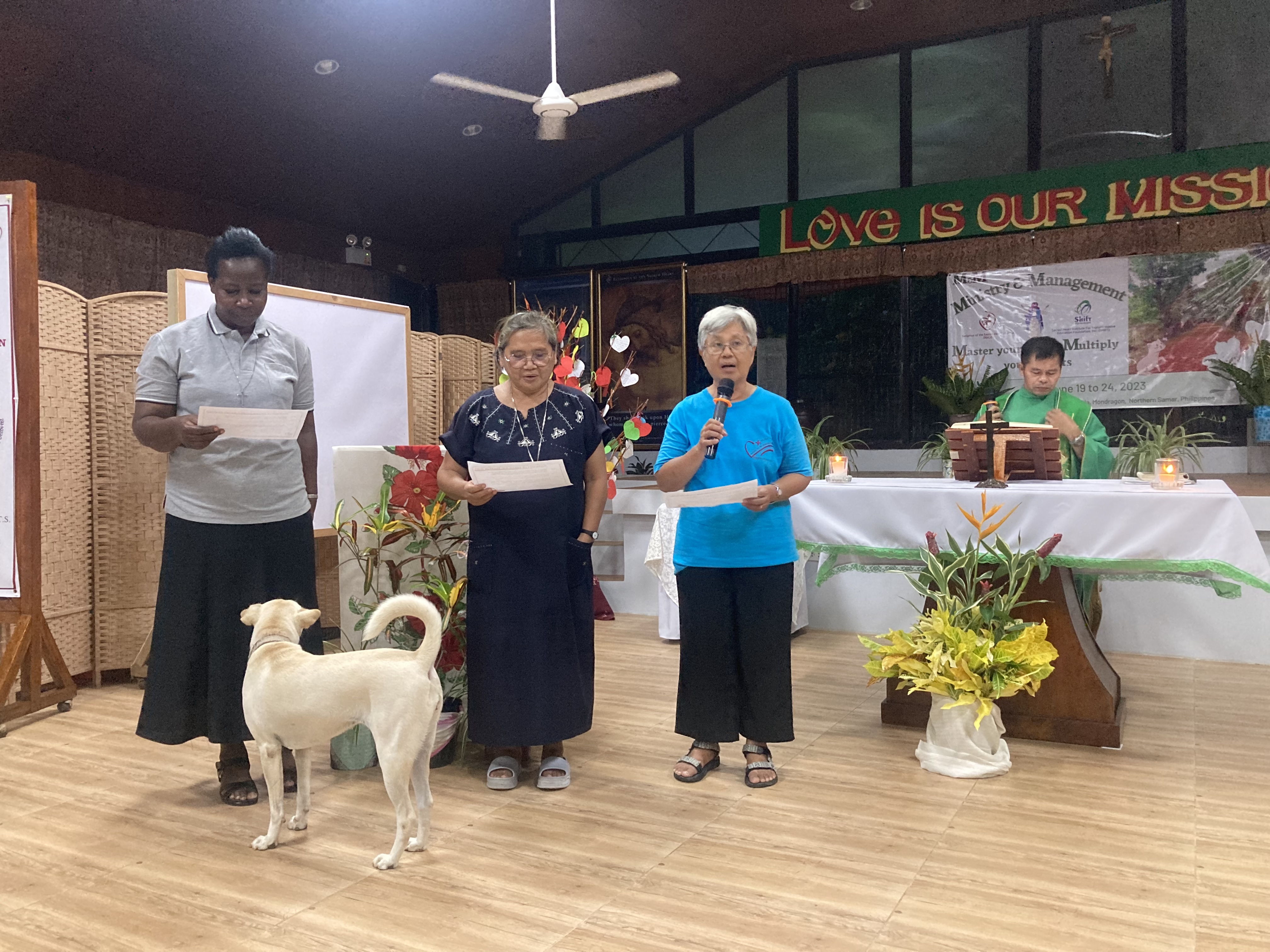
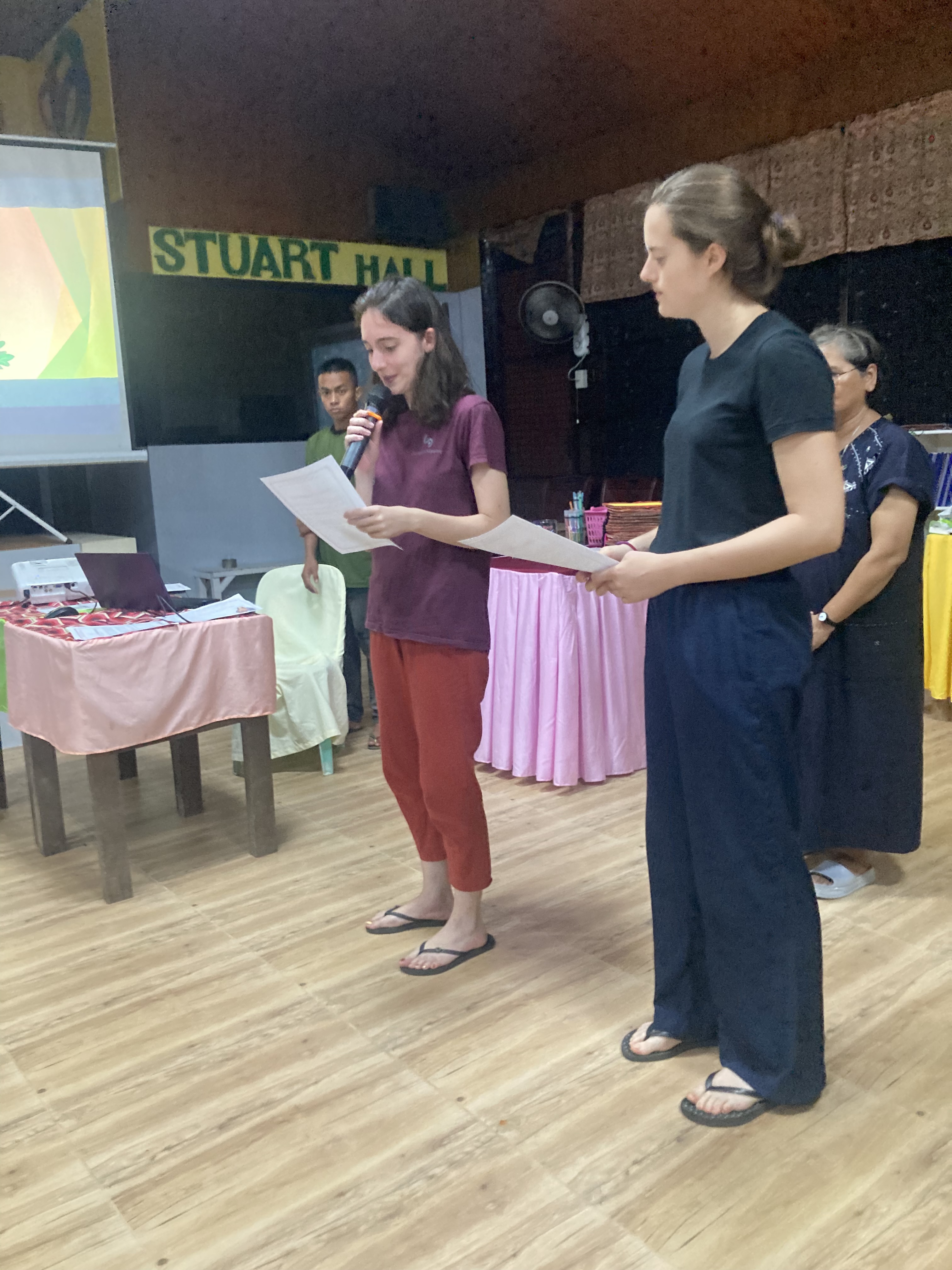
Auspiciously, we gathered around the time of the Feast of the Sacred Heart. At the opening liturgy, participants and facilitators witnessed the renewal of vows of the following RSCJ sisters: Lydia Collado (Executive Director of SHIFT), Digna Dacanay (Chair, SHIFT Board of Trustees; to be assigned to Vietnam starting August 2023) and Mercy Amalemba (RSCJ-in-formation based in Kenya). Mission Partners, including the farm’s staff, scholars-in-residence and international volunteers, then declared their statement of commitment in the representative languages of the cohort: Tagalog, Ninorte Samarnon (indigenous language of Northern Samar), Bisaya (indigenous language of the central Philippine region), French and English.

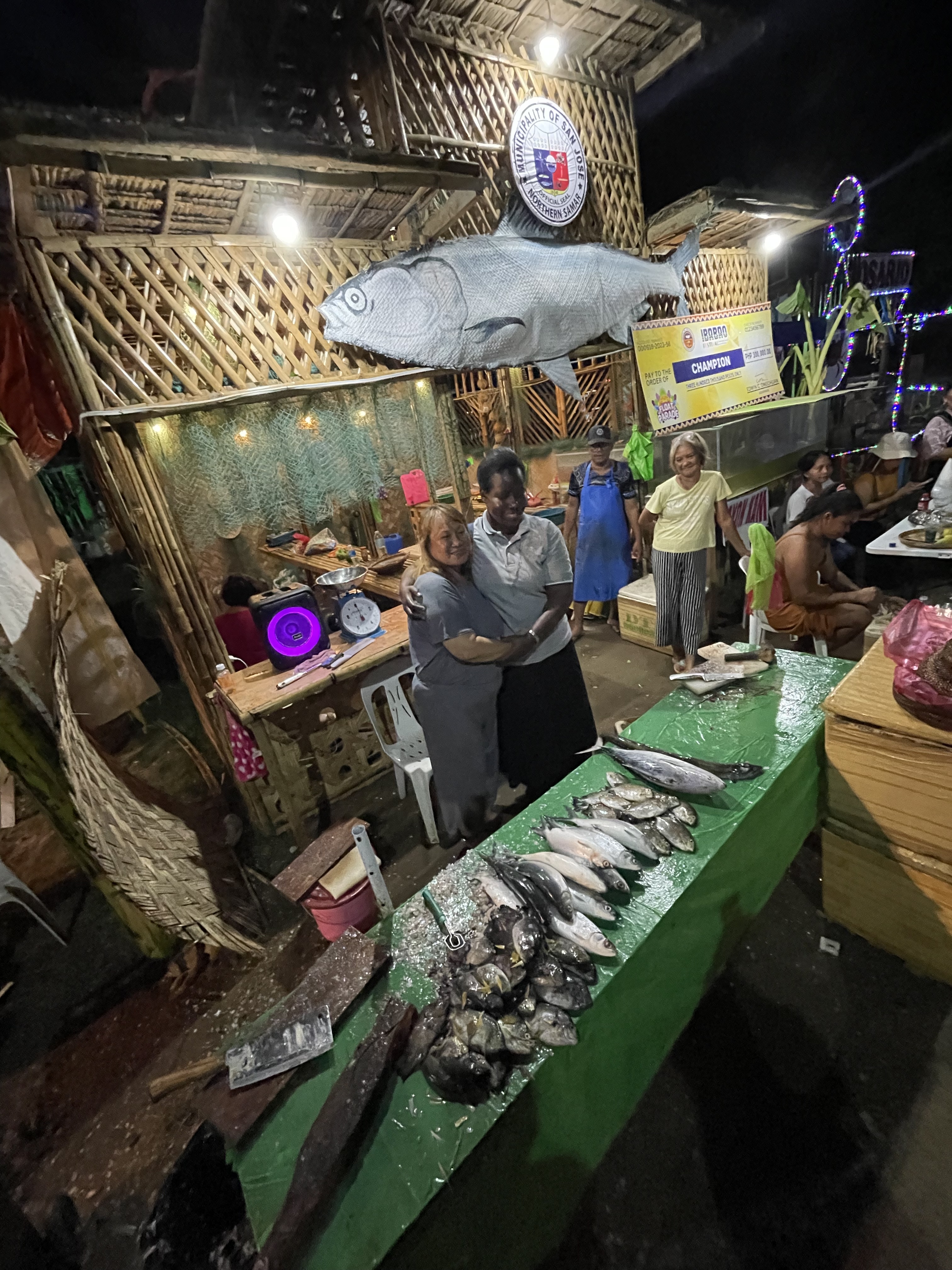
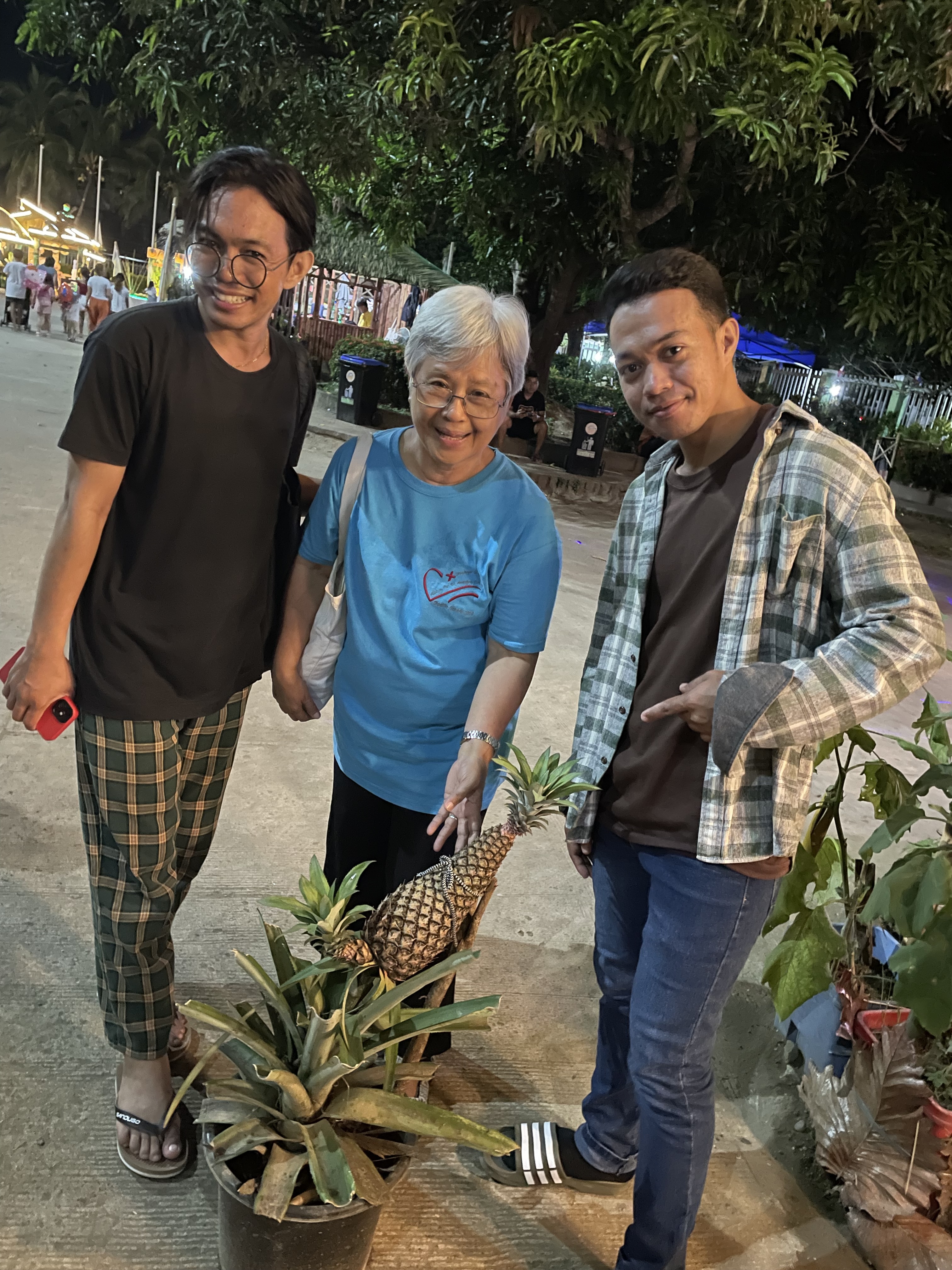
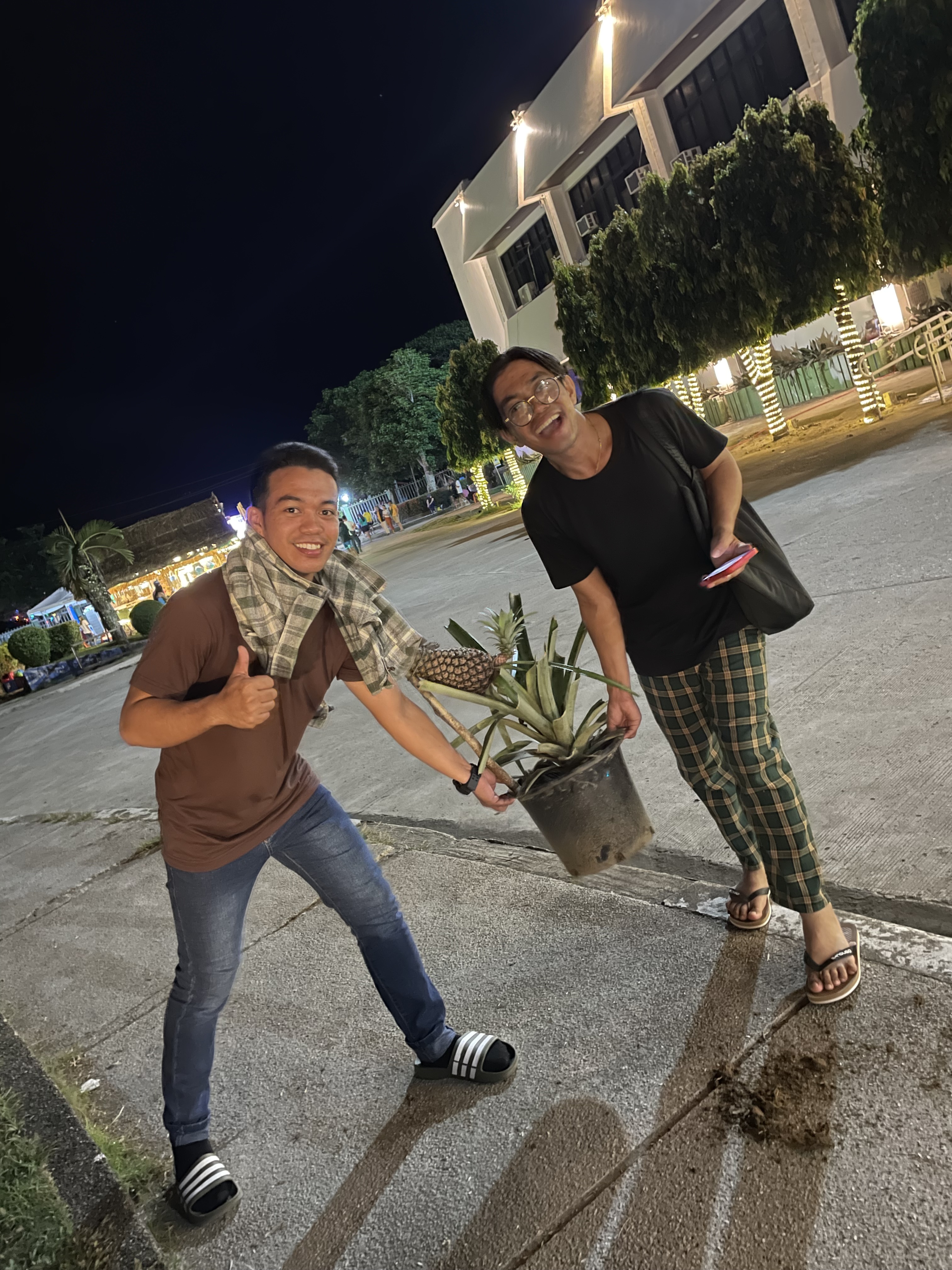
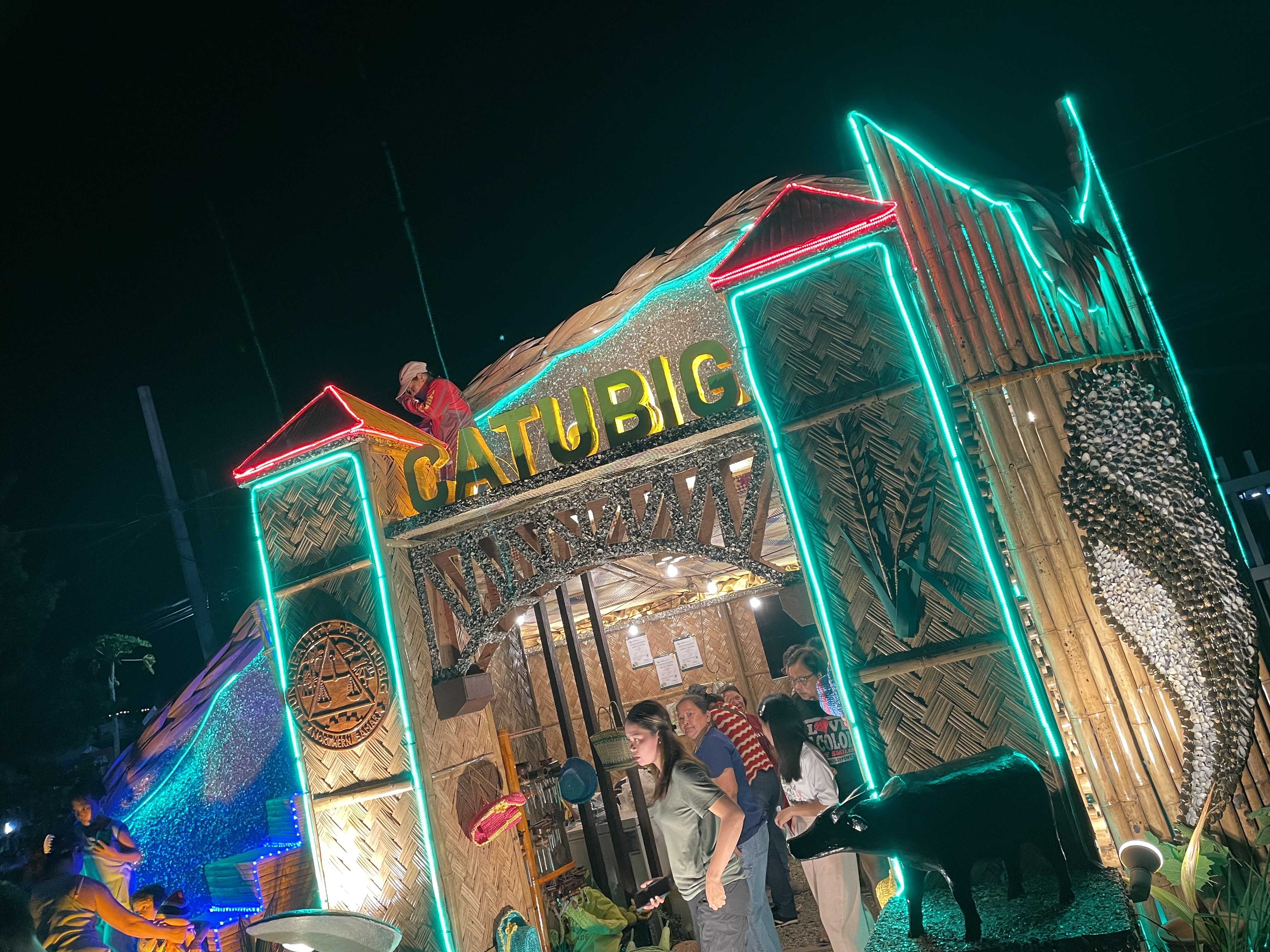
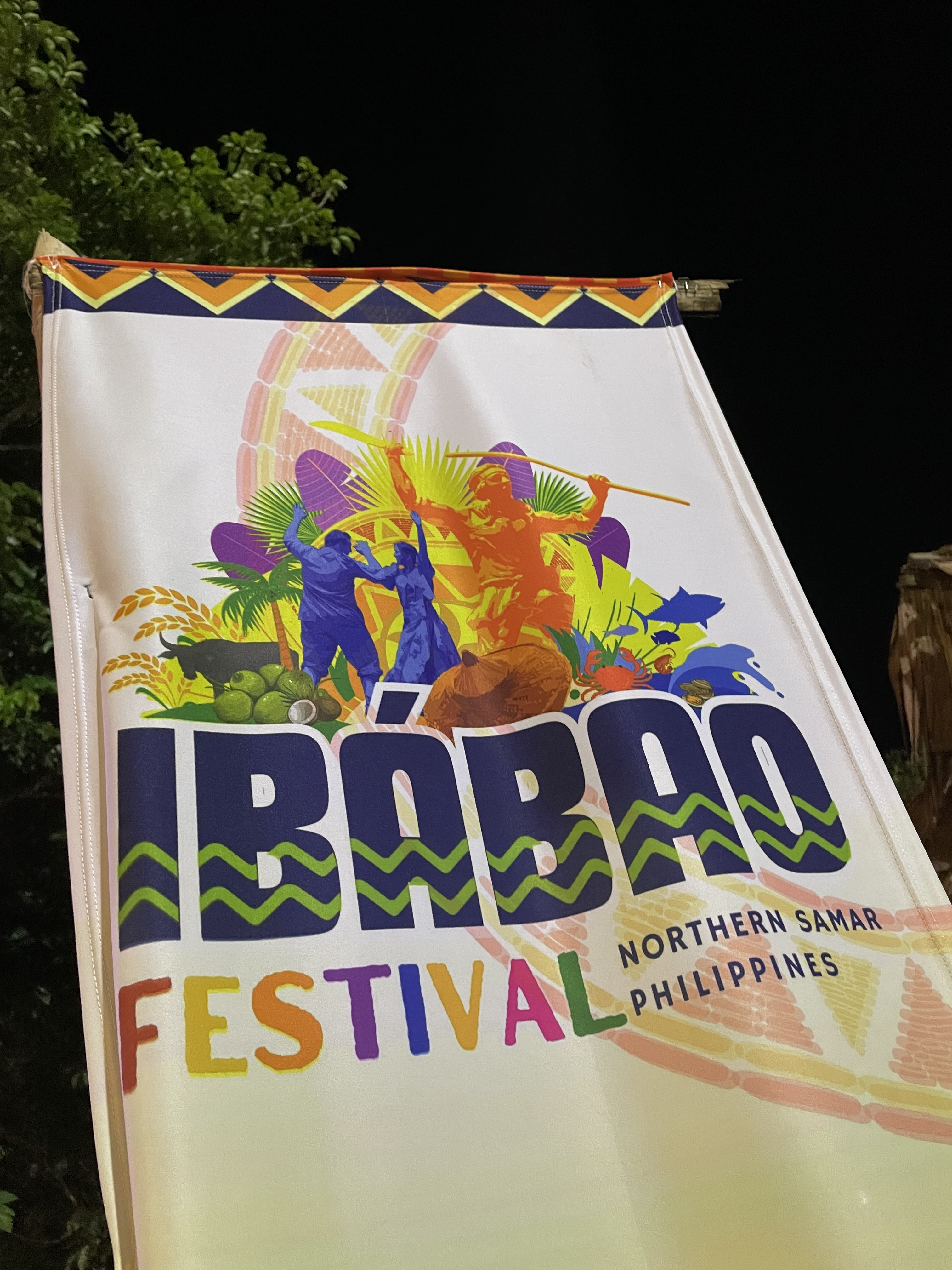
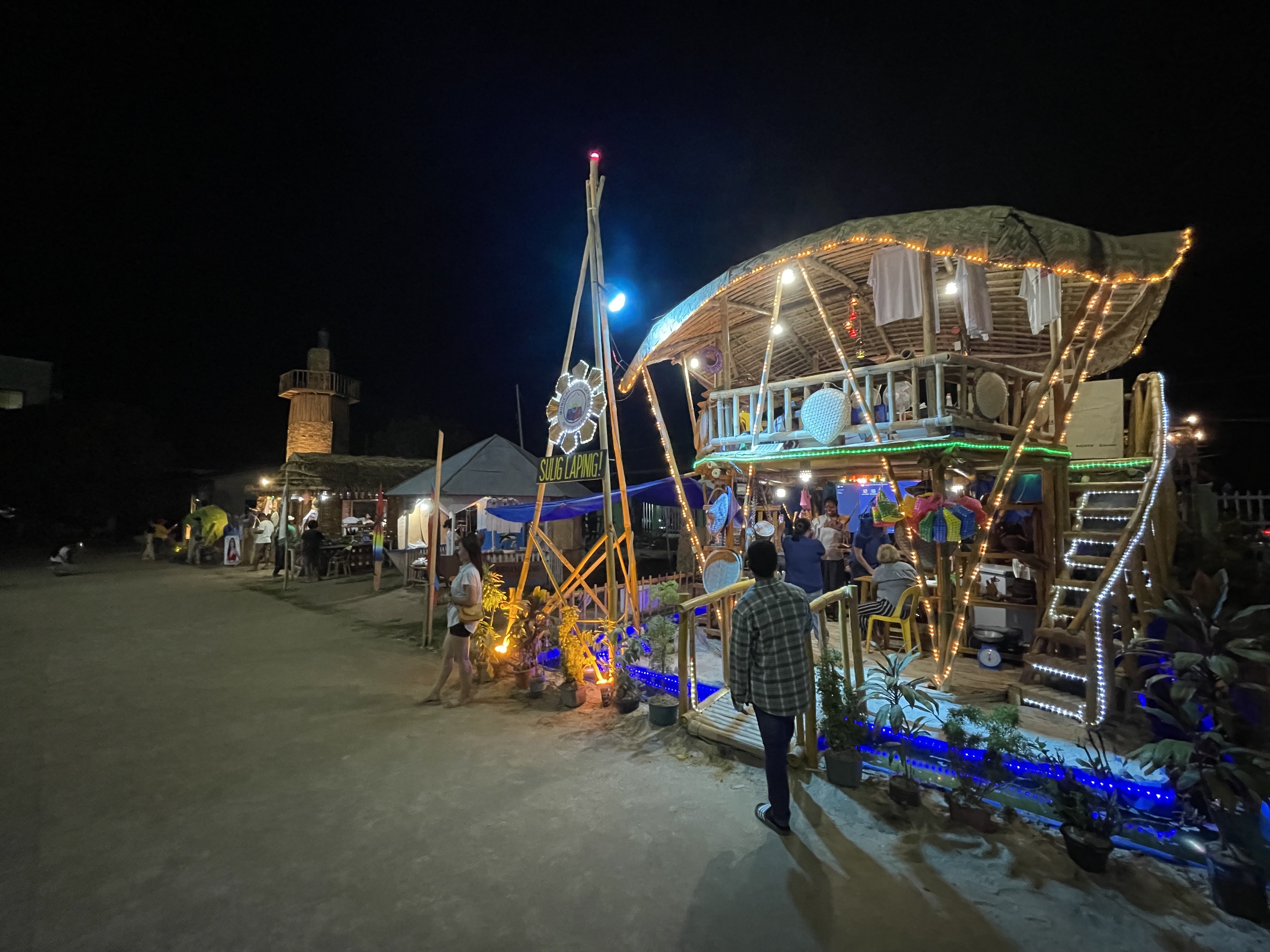
We concluded the evening with a visit to the provincial capitol building of Catarman, Northern Samar. The annual Ibabao Festival featured crafts, produce and industries of every village in the province. The proliferation of lights piercing through the rural evening sky lent a feeling of “Christmas” to those who went. 

Photos By Dr. Michael Campos, High School Religion, Theology and Spirituality Faculty

Sophie’s Farm Summer Institute | Introduction

By Dr. Michael Campos, High School Religion, Theology and Spirituality Faculty
Summer Institute 2023
Sacred Heart Institute for Transformative Education (SHIFT)
Sophie’s Farm, Northern Samar

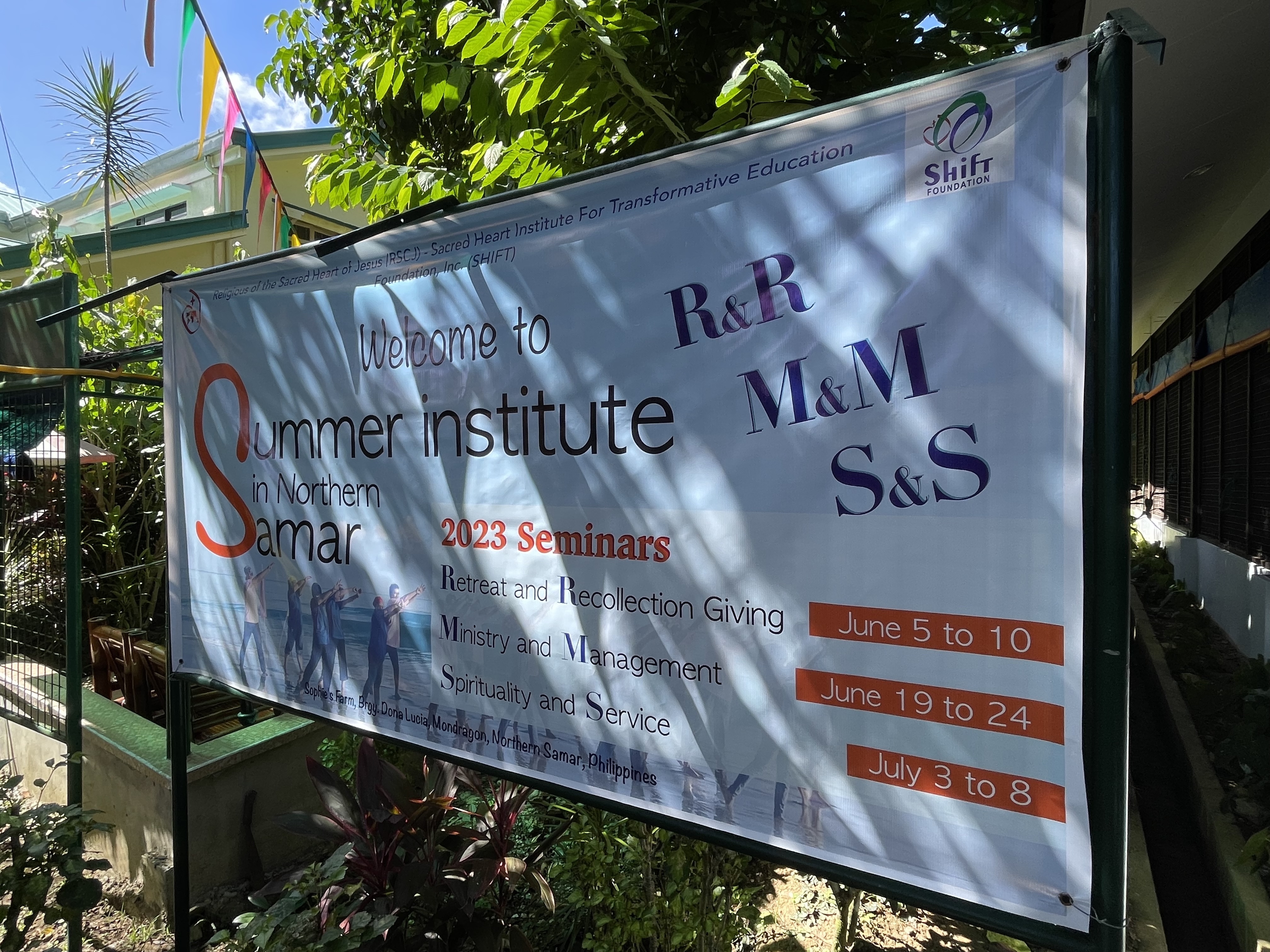
The Summer Institute is a formation program offered through the Sacred Heart Institute for Transformative Education Foundation (SHIFT). Hosted by Sophie’s Farm in Samar, far away from the bustle of Manila, the Institute offers participants an expansive space to step “outside” work and ordinary time to reimagine emerging needs in their ministries. Three weeklong seminars comprise the Institute: Retreat & Recollection-GivingMinistry & Management and Spirituality & Service.
Sr. Lydia M. Collado, RSCJ, SHIFT Executive Director, envisioned the Institute as a platform to support the formation of local and national leaders working in churches, government and private organizations. While lessons in practical skills are offered, the Institute aspires to “empower participants to undergo creation of new experiences, leading to conversion [of] hearts, to ultimately live out their mission.” The RSCJ’s international network grounds the seminars in global conversations that deepen participants’ understanding of their contexts.
The Summer Institute is the result of an extensive collaboration between churches, government agencies, educational institutions and social service organizations. Sr. Lydia acknowledges the many hands that birthed the project to life, extending particular thanks to the following, without whose generosity the “miracles” of the first summer seminars would not have been possible:

  • The United States Mission Center
  • School of Theology and Ministry, Boston College, Chestnut Hill, Massachusetts
  • Convent & Stuart Hall, Schools of the Sacred Heart, San Francisco, California
  • Mission Partners
  • De La Salle University, Manila
  • Philippine Normal University
  • Diocese of Catarman
  • Archdiocese of Lingayen-Dagupan
  • Families, friends and the numerous anonymous mission partners who prayed and supported the 2023 Summer Institute from its inception.