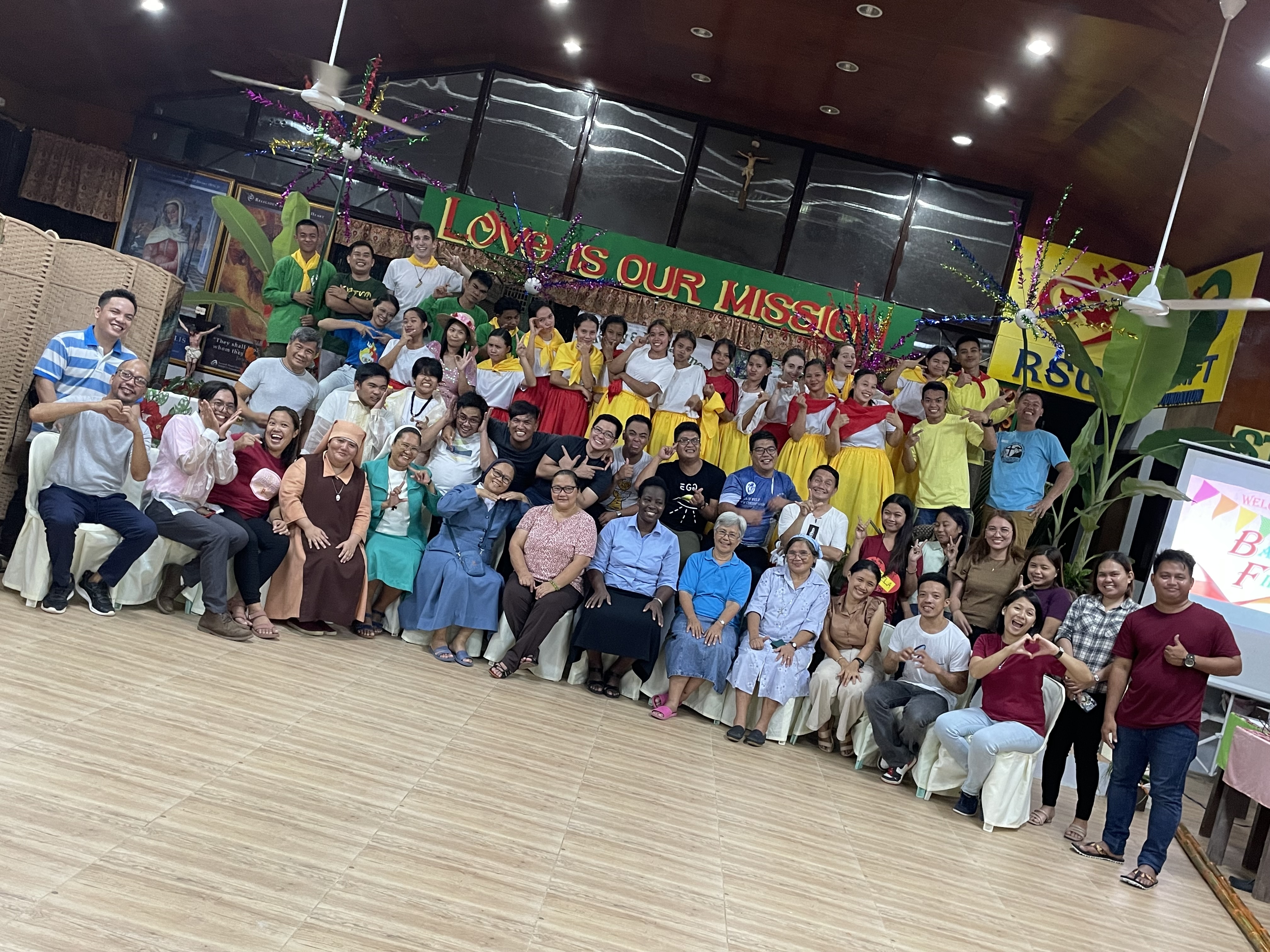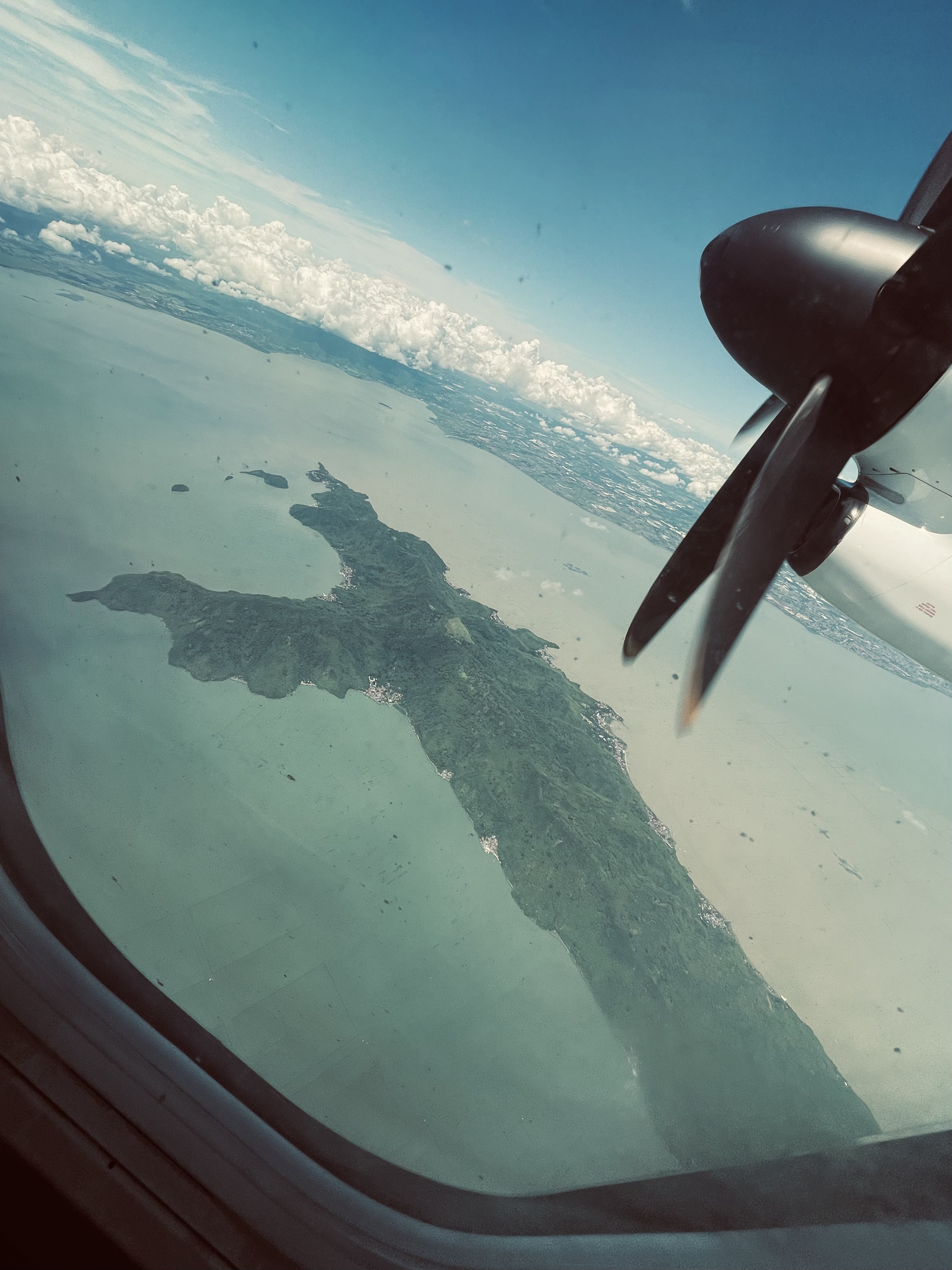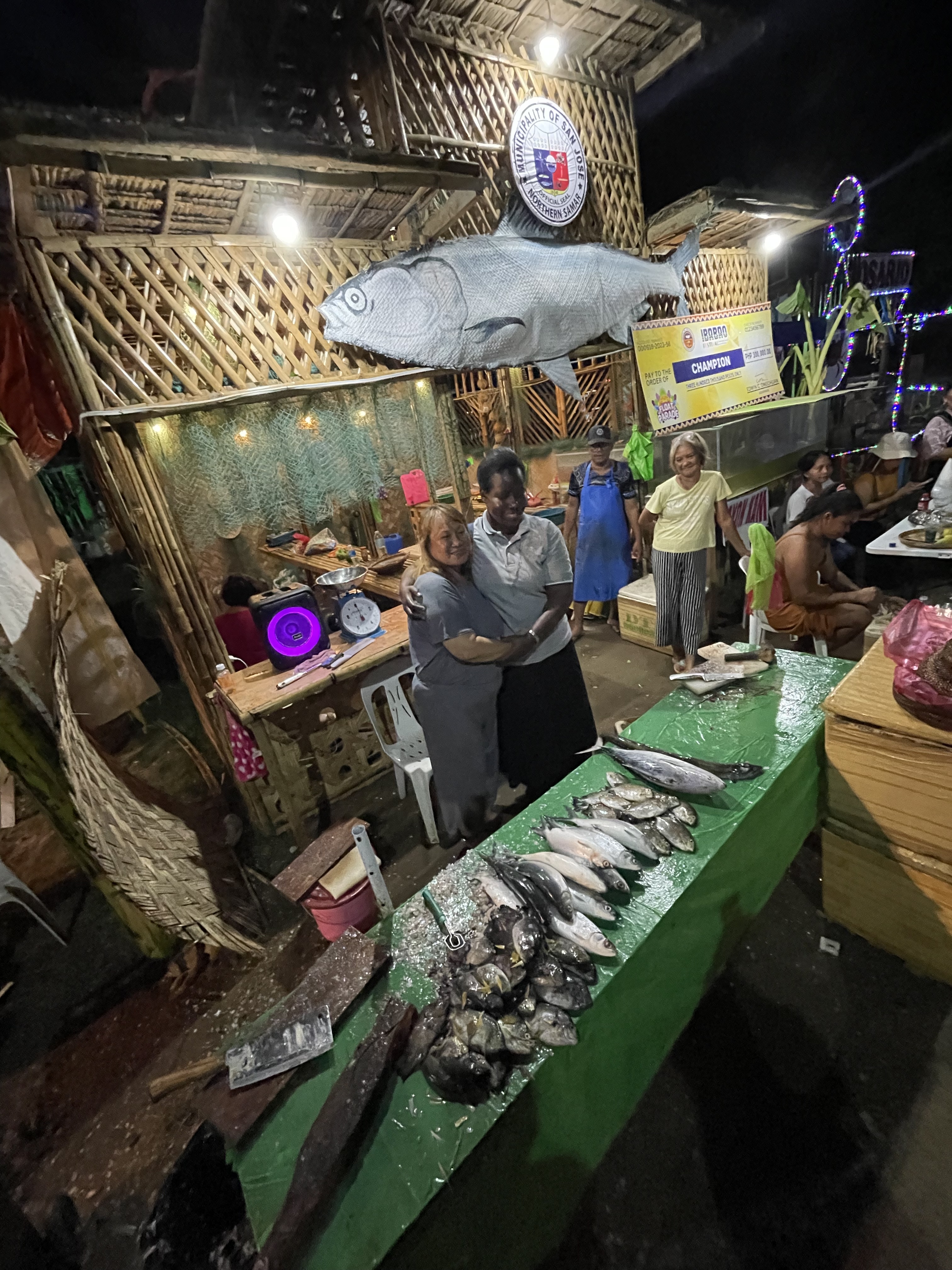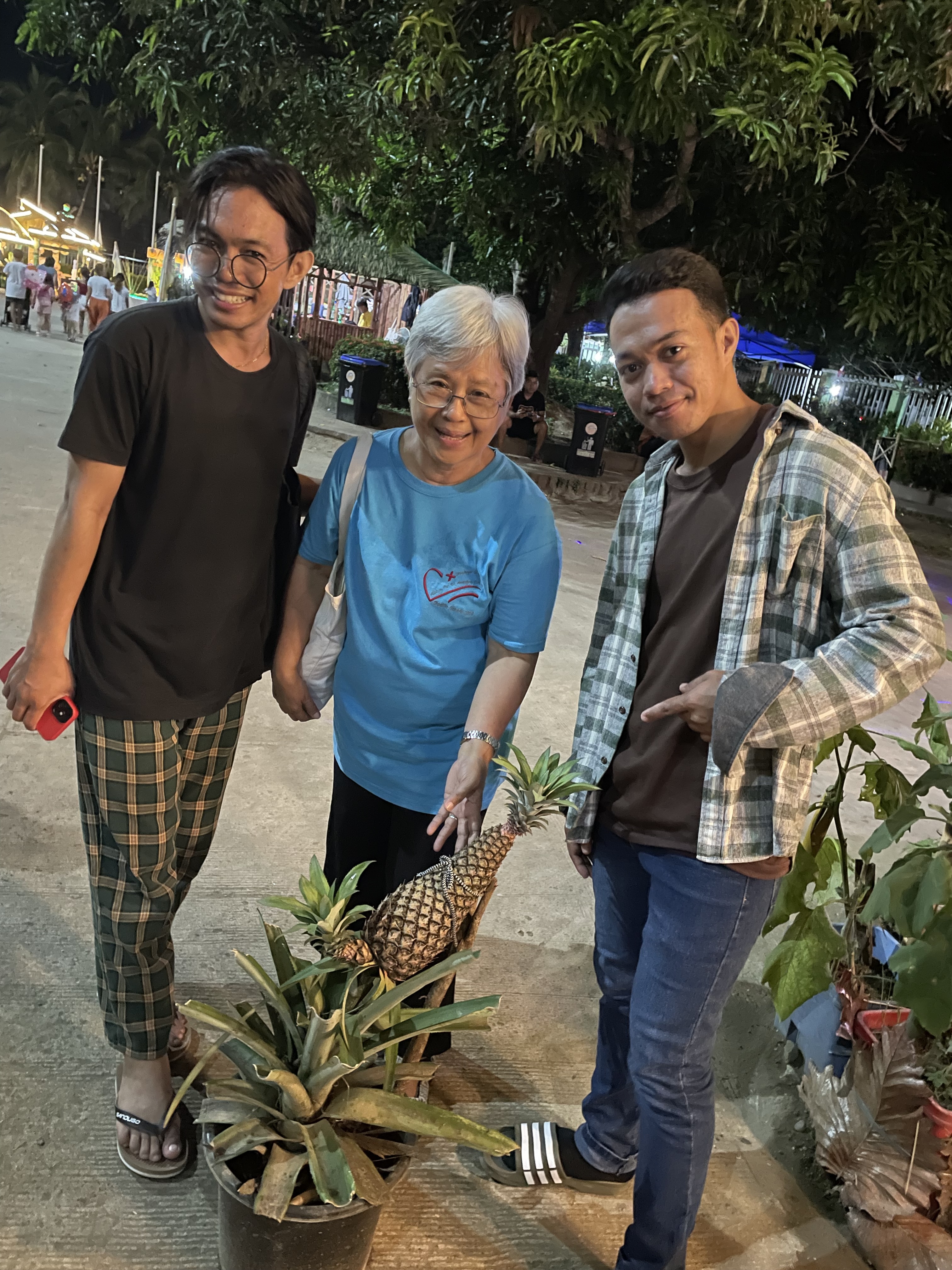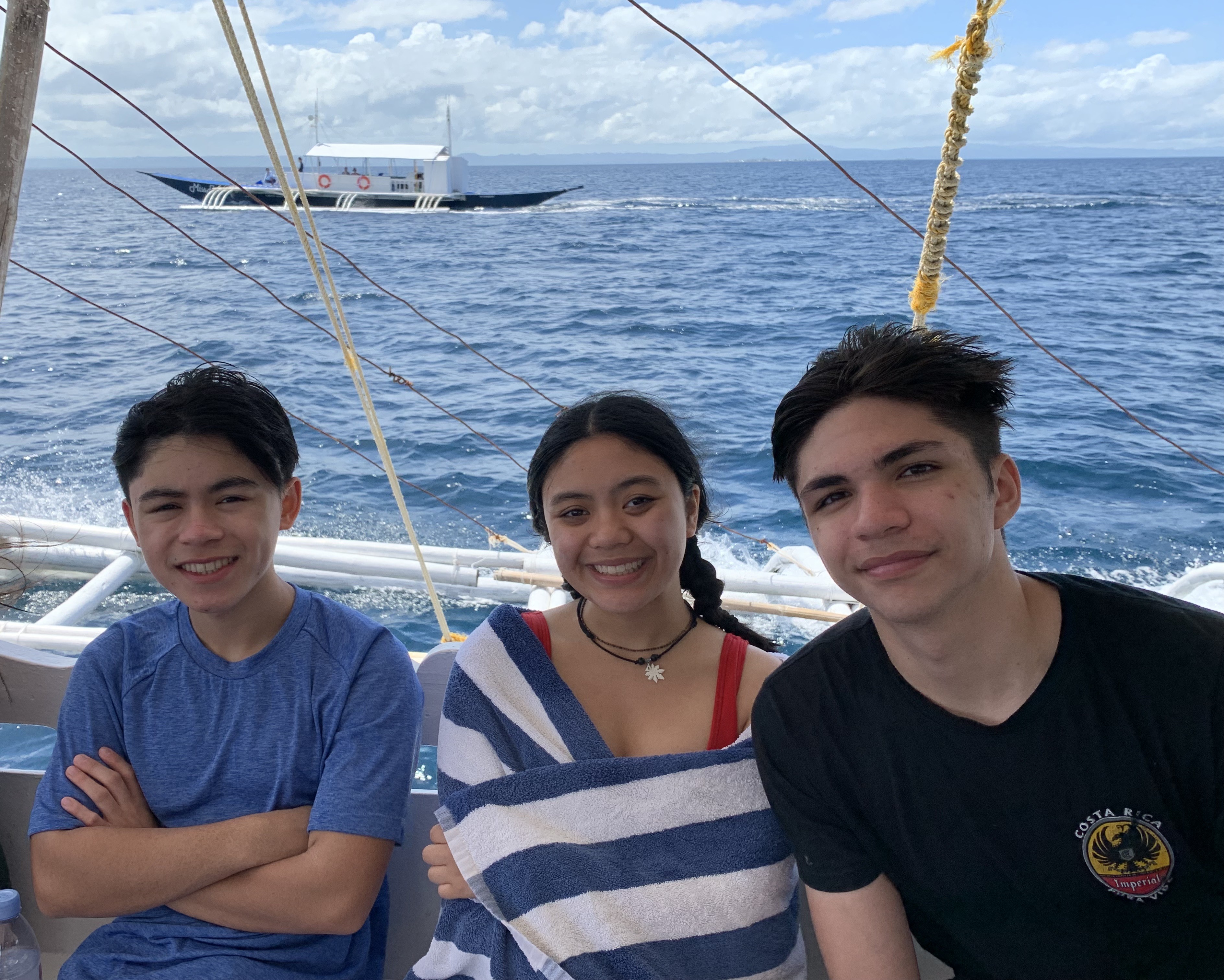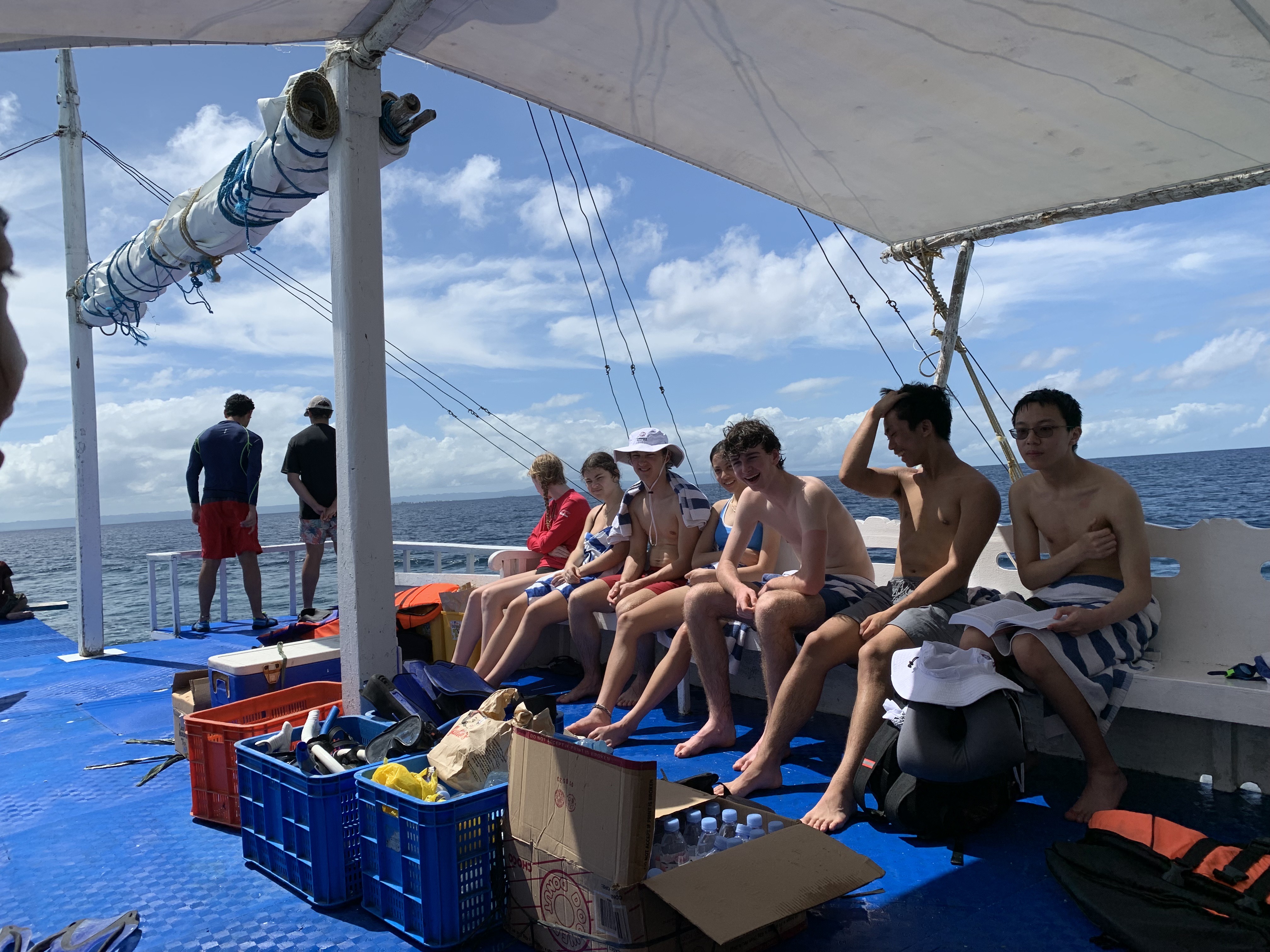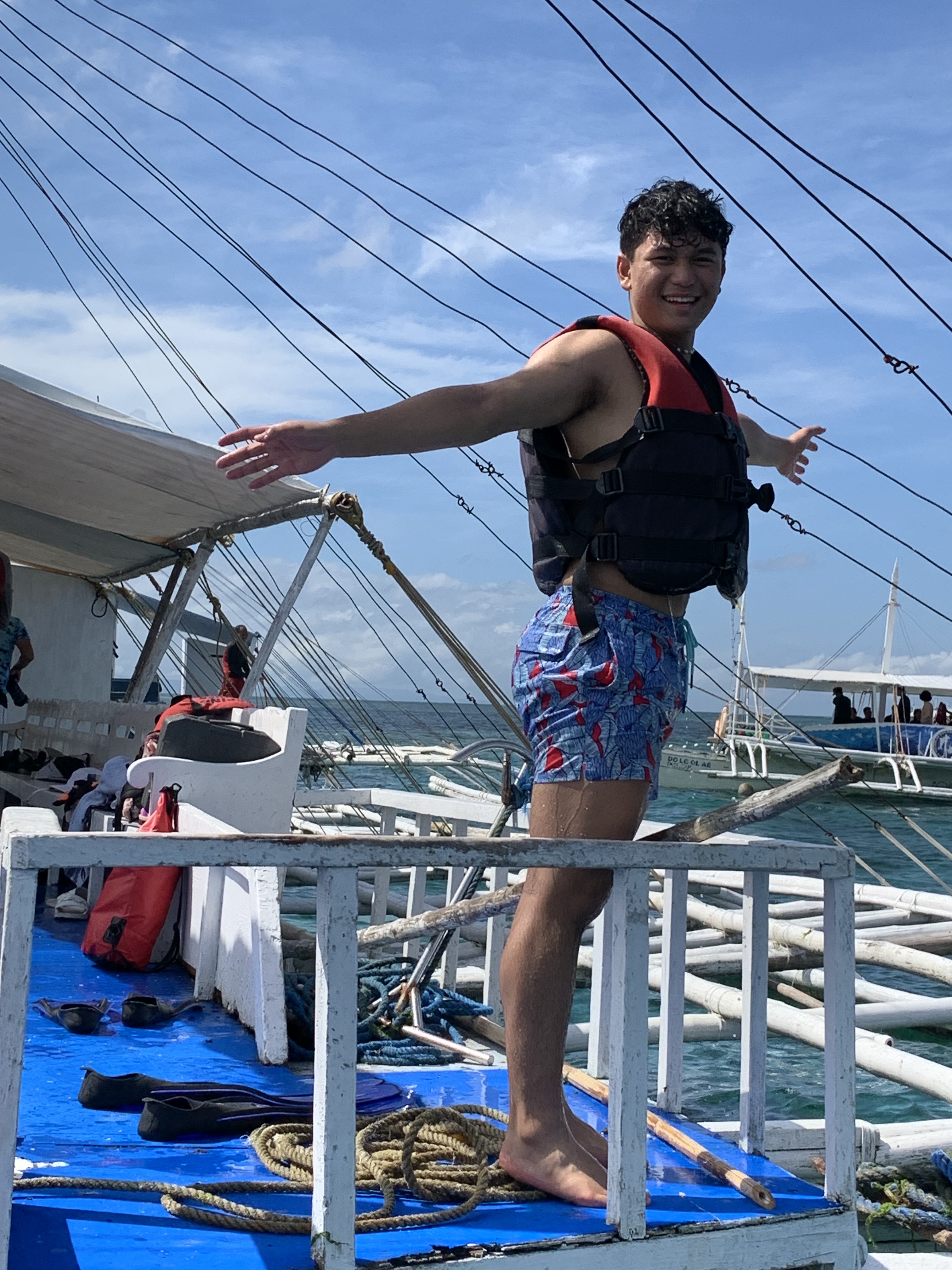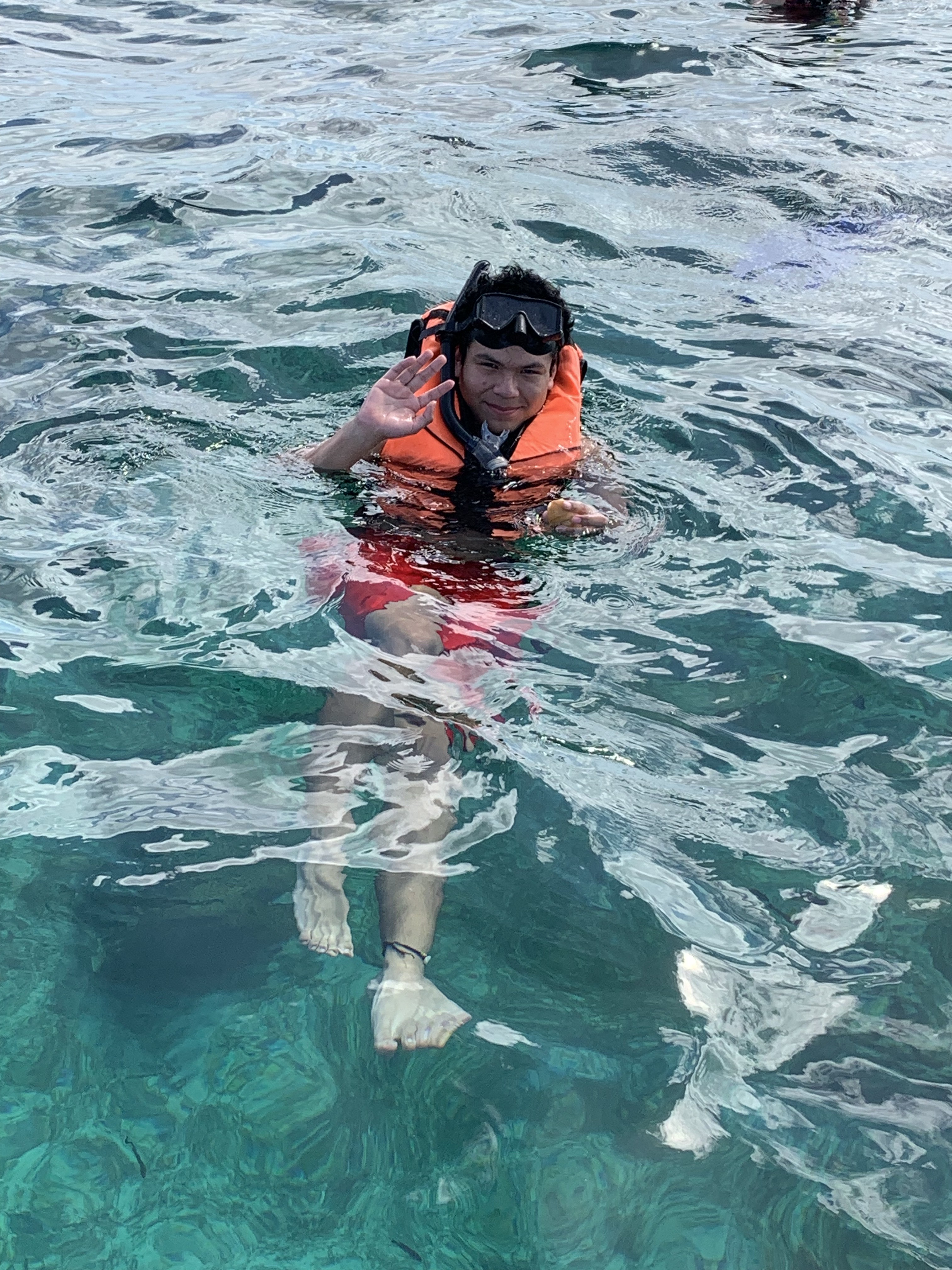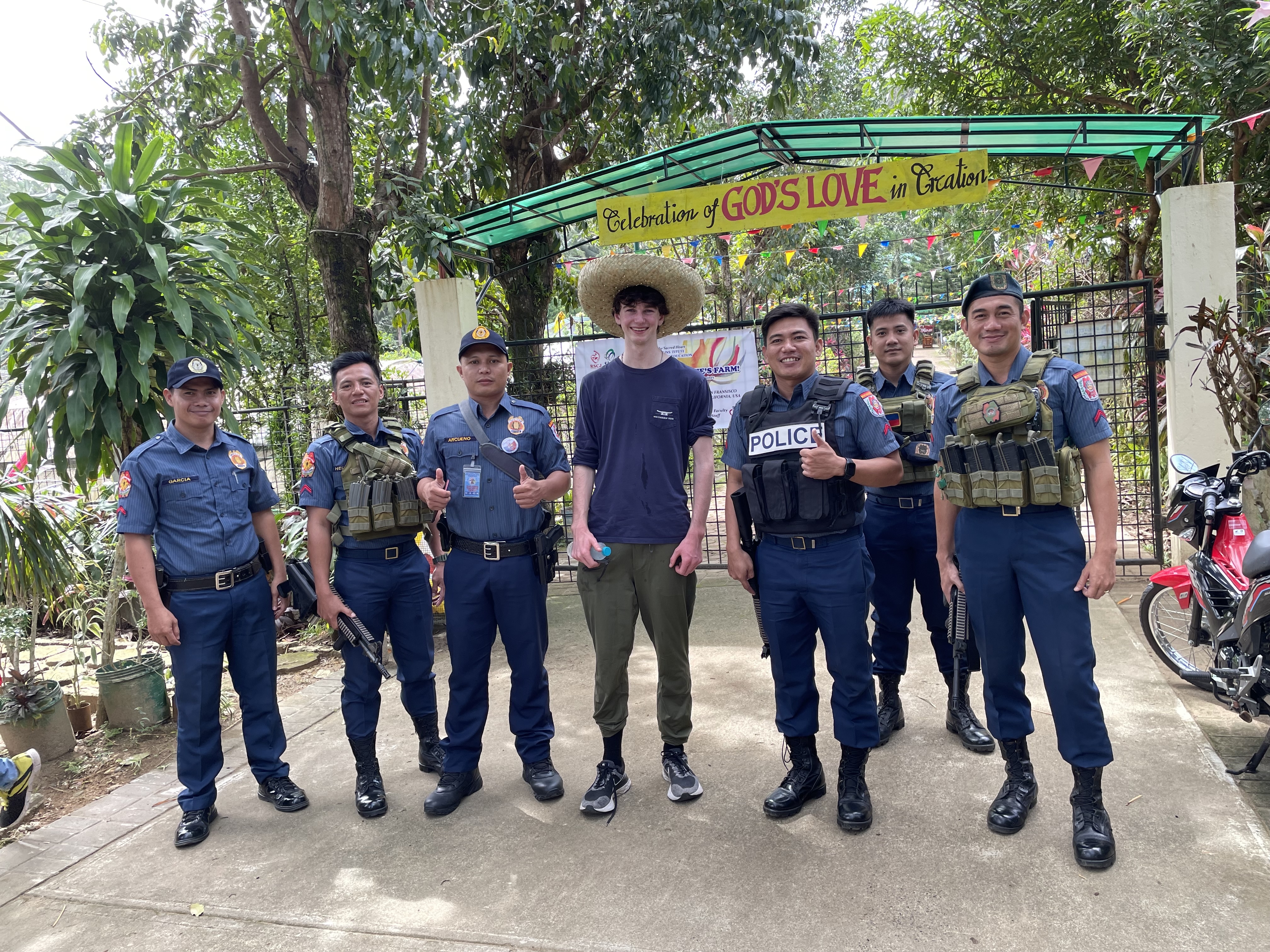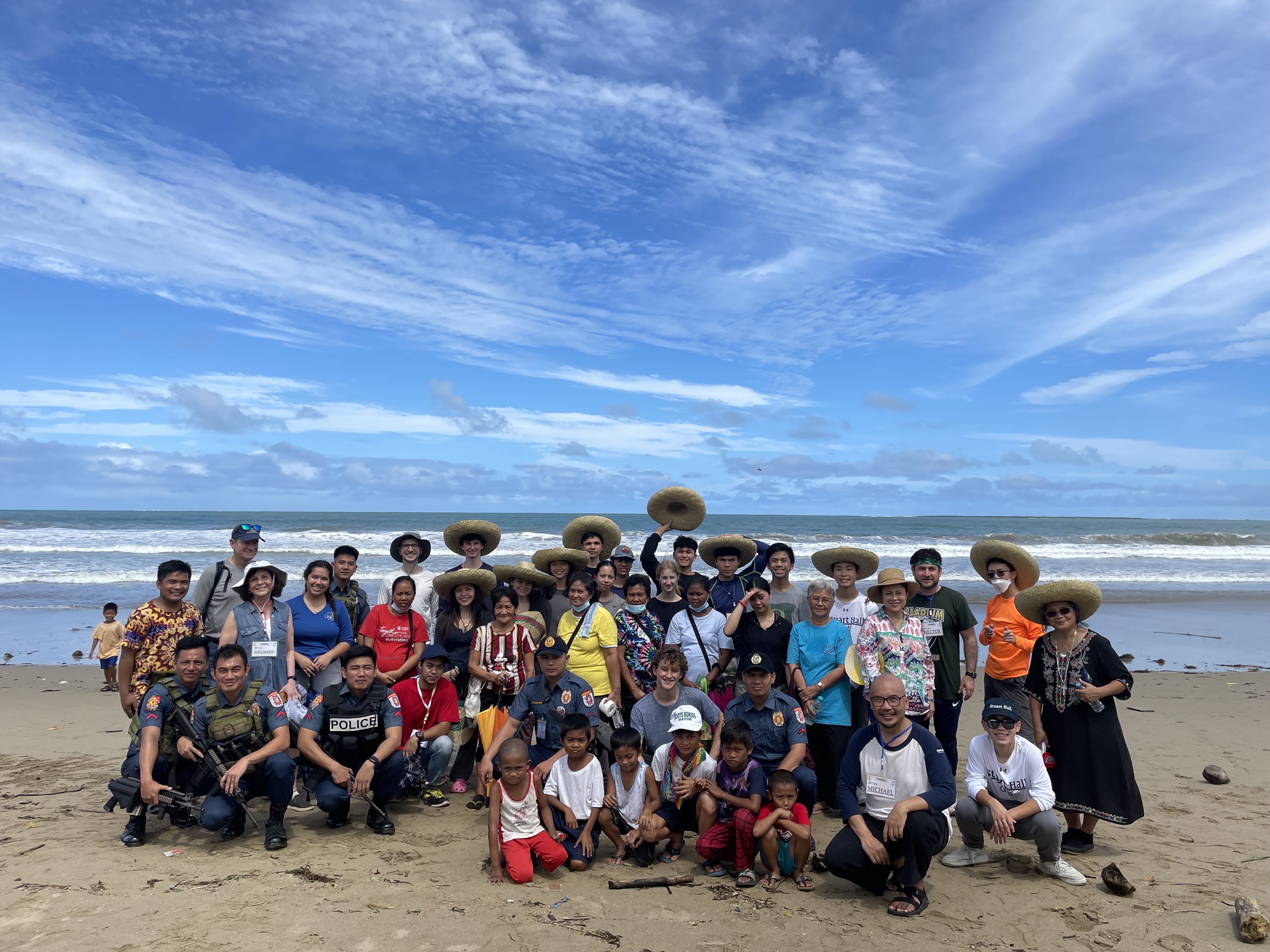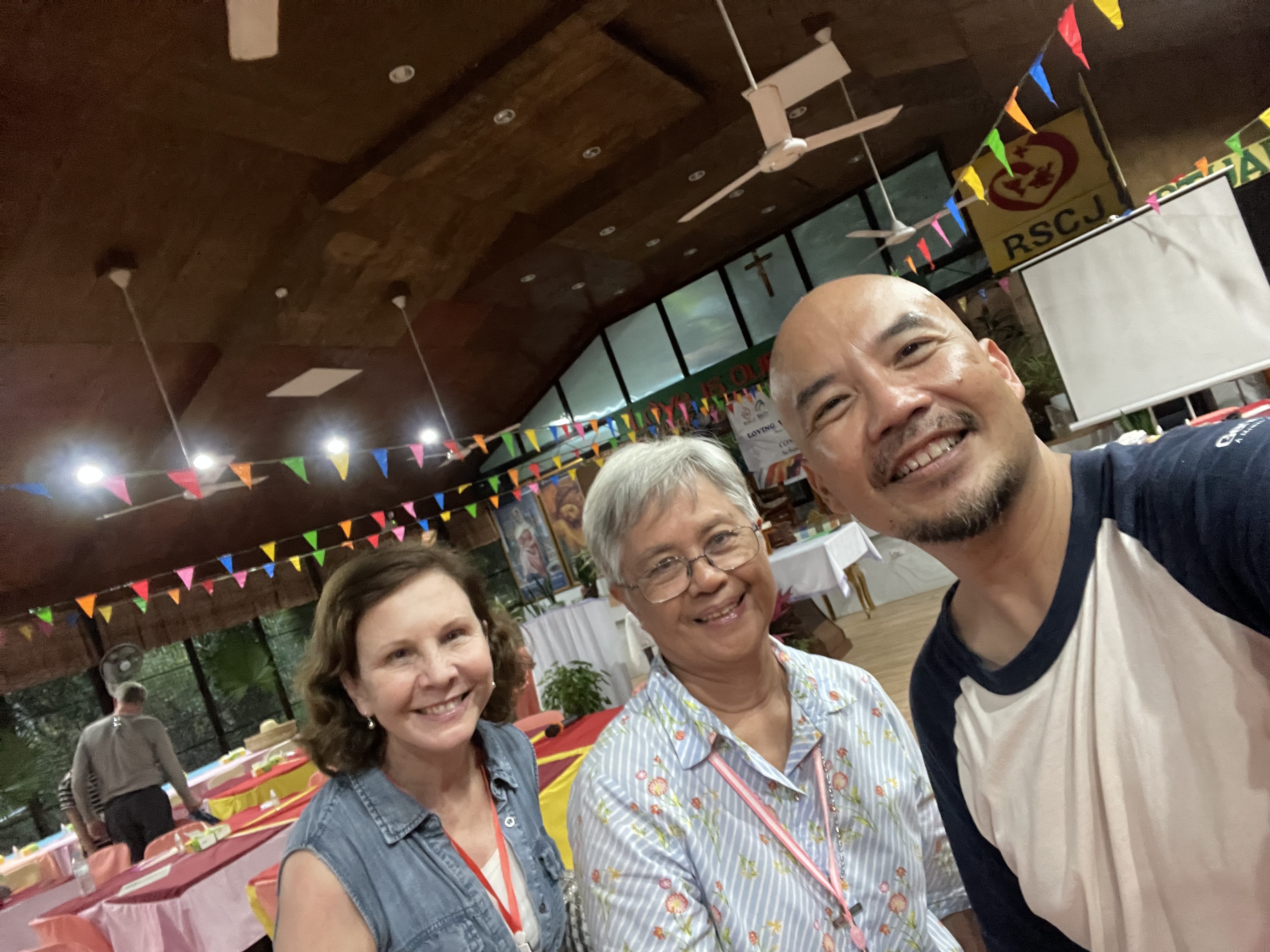
Sophie’s Farm Summer Institute | Day 3

By Dr. Michael Campos, High School Religion, Theology and Spirituality Faculty

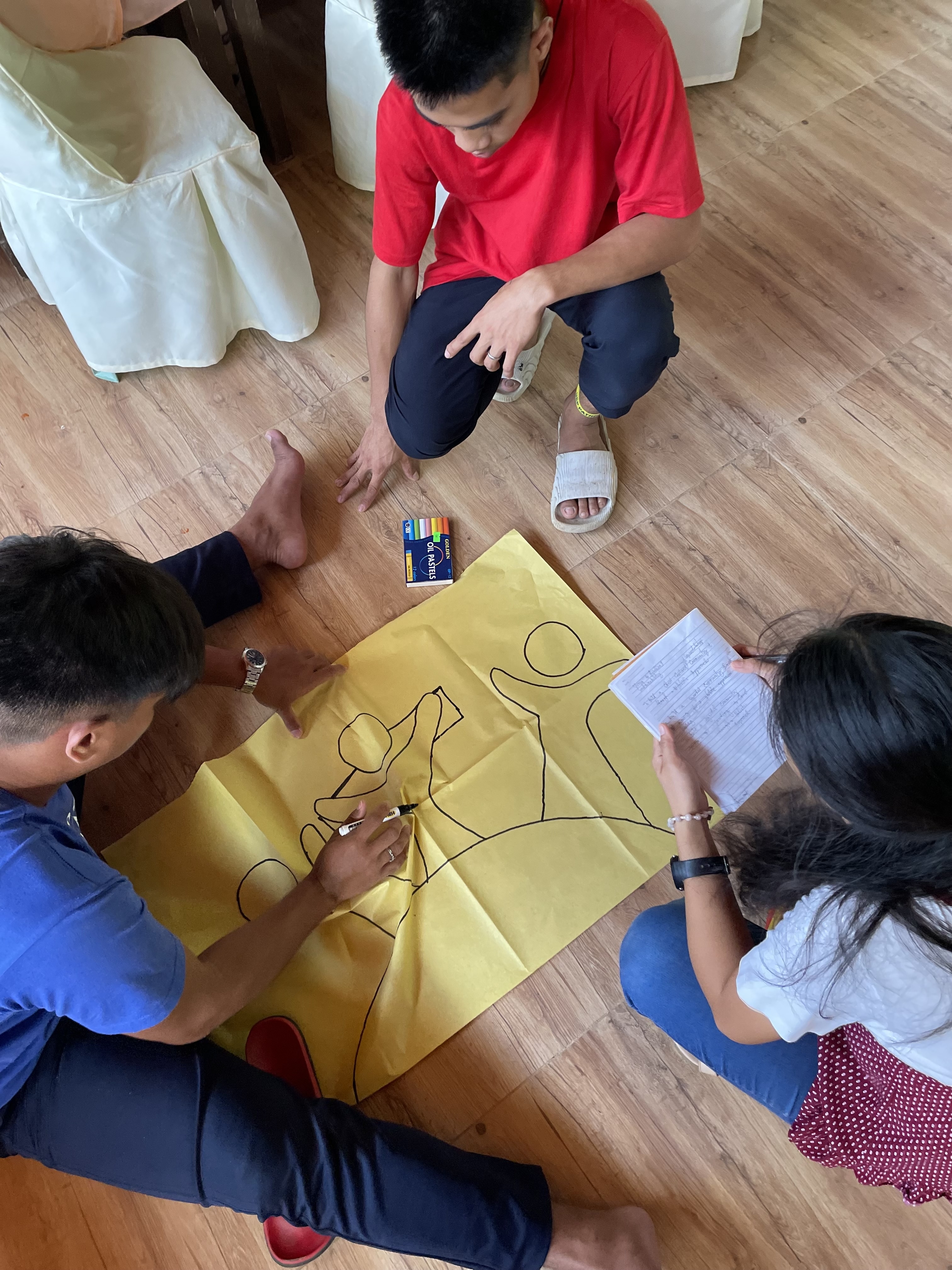
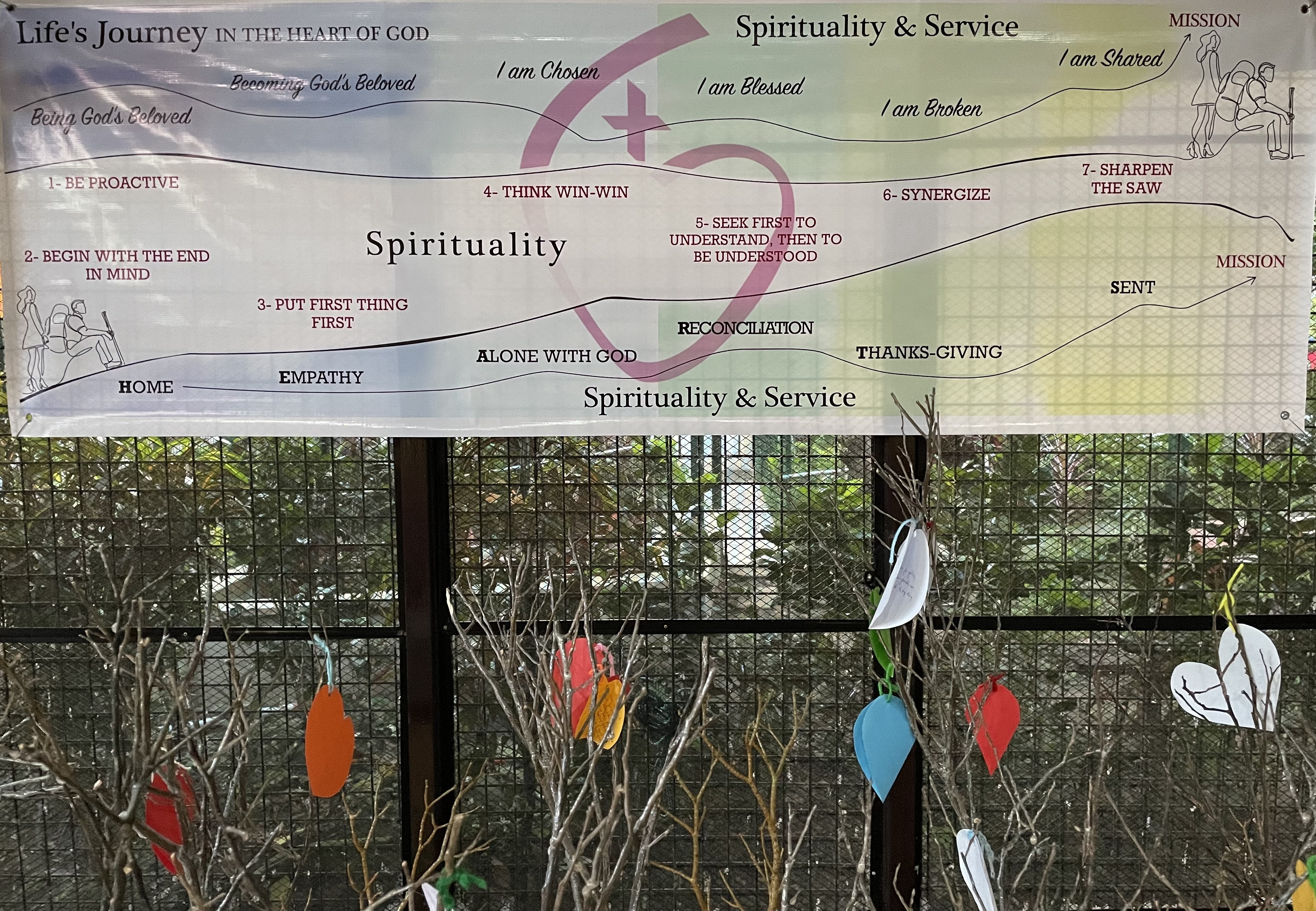
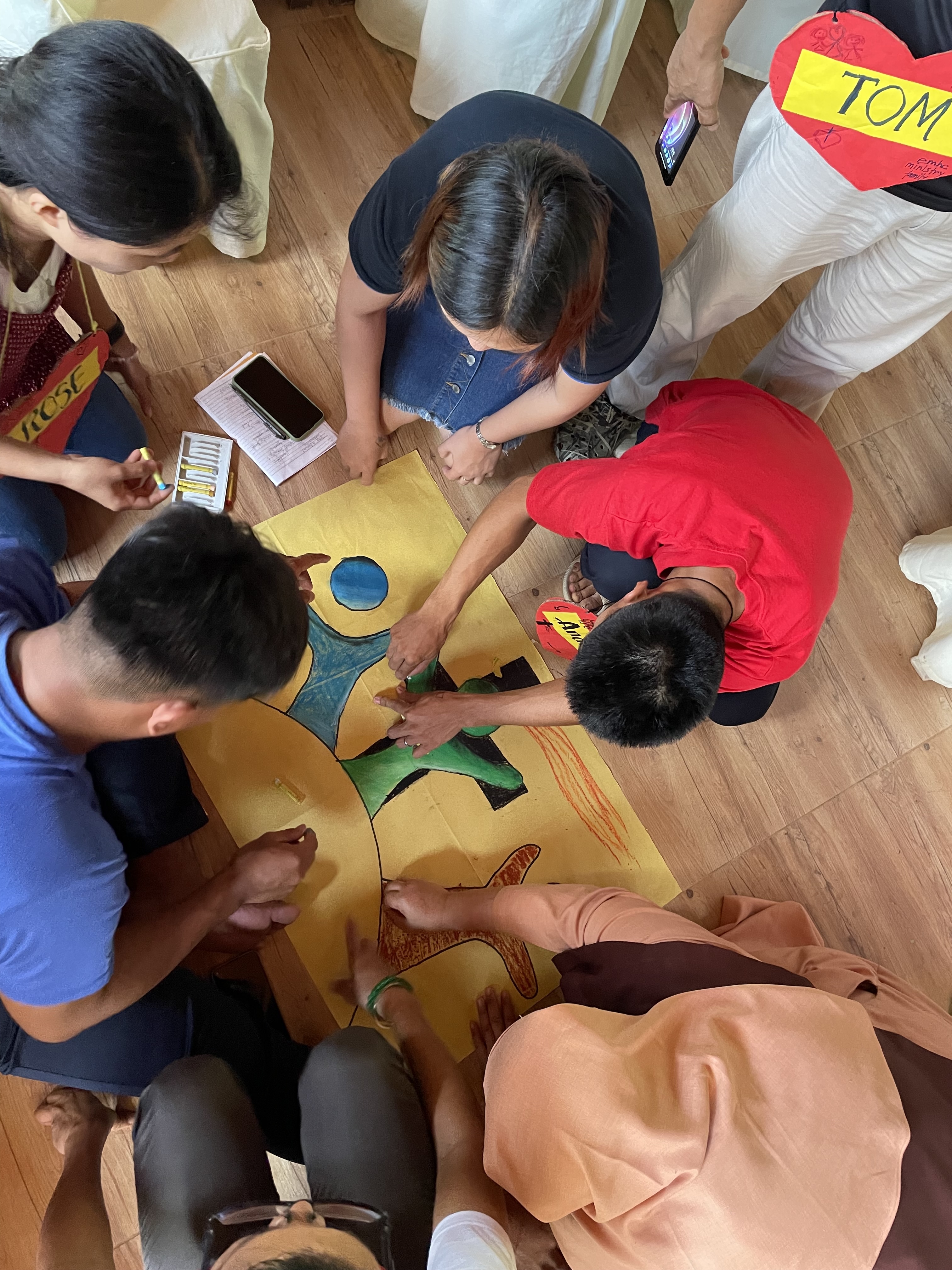
Seminar 2, Day 3: Becoming God’s Beloved
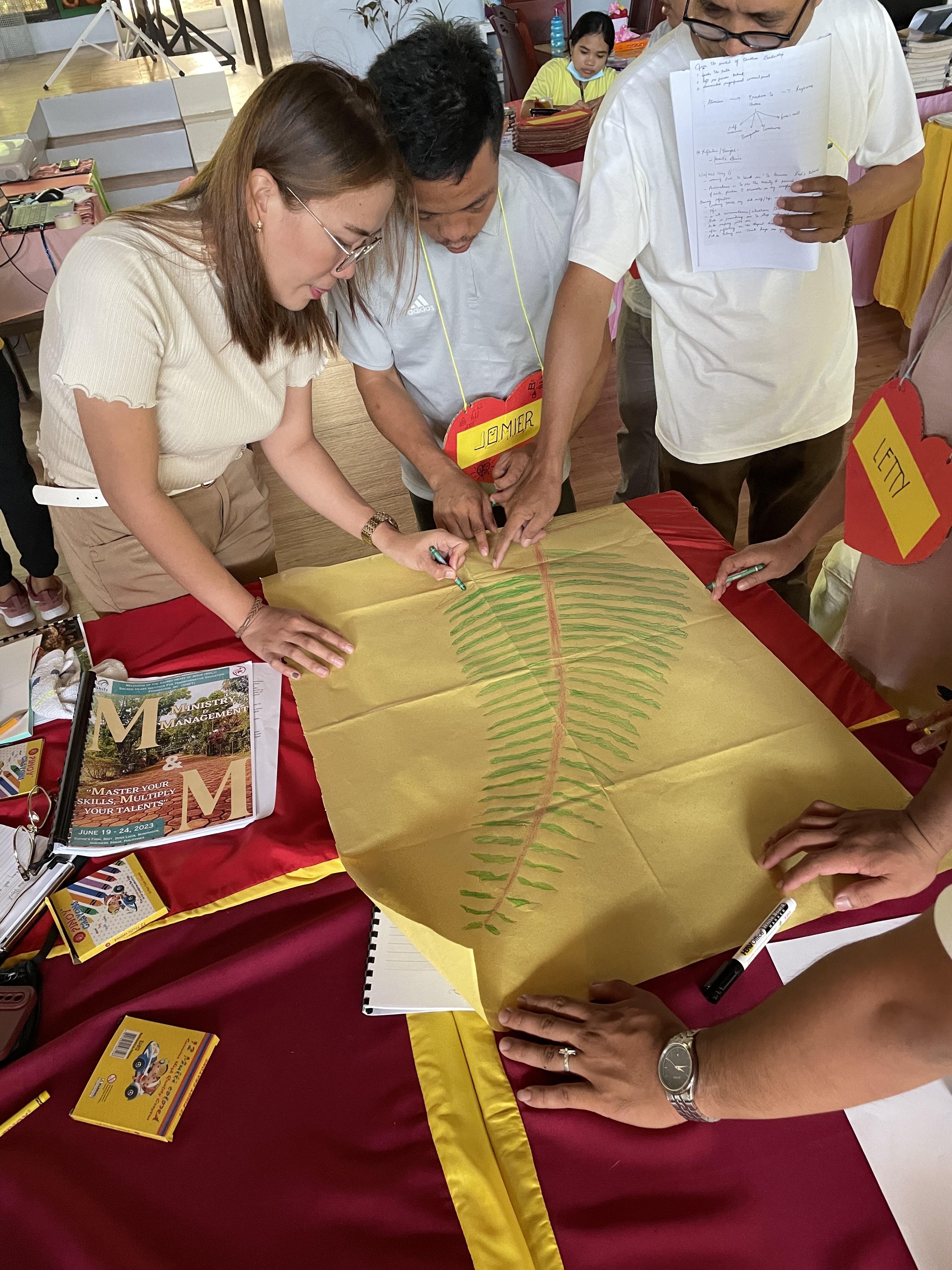
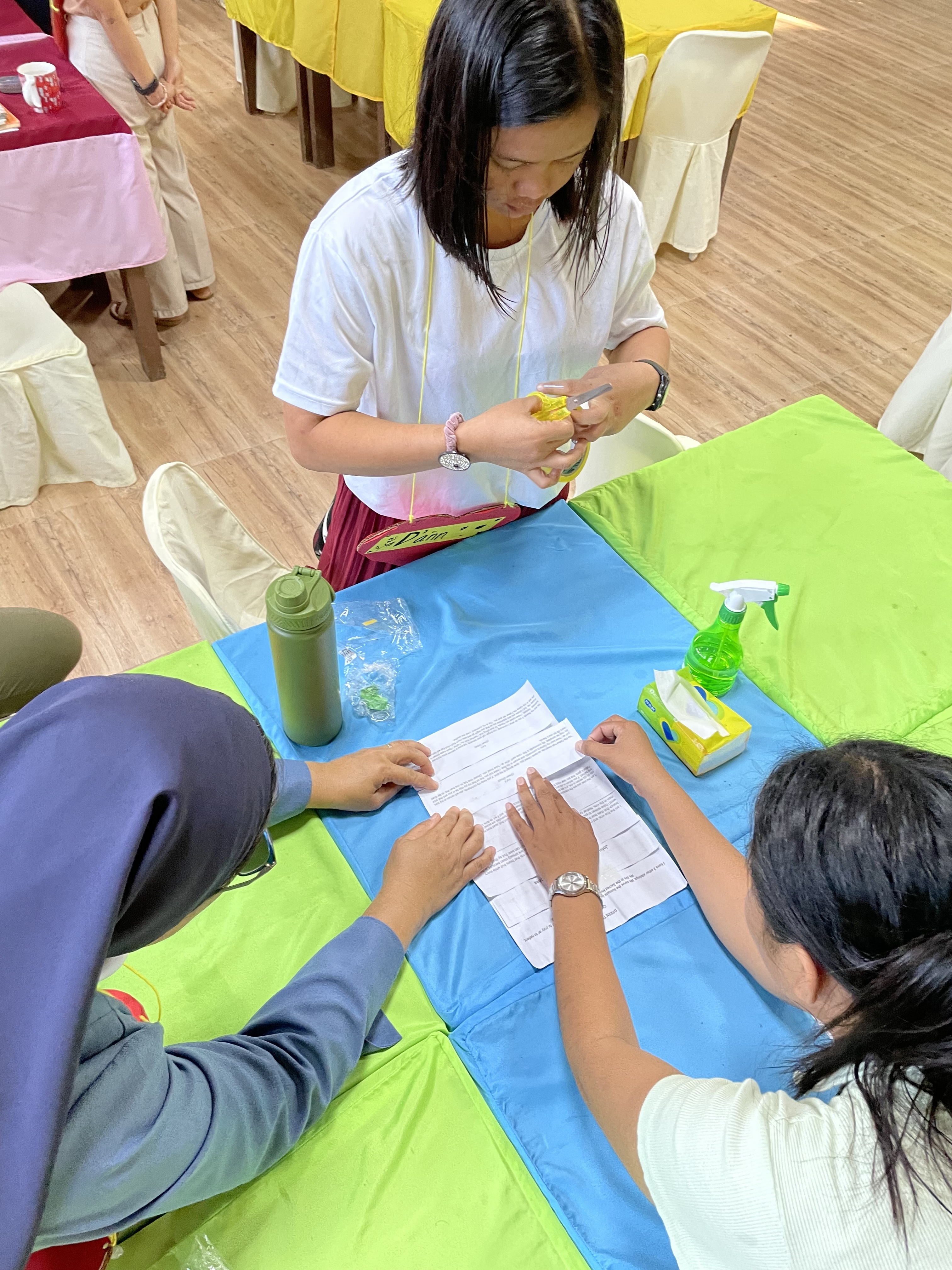
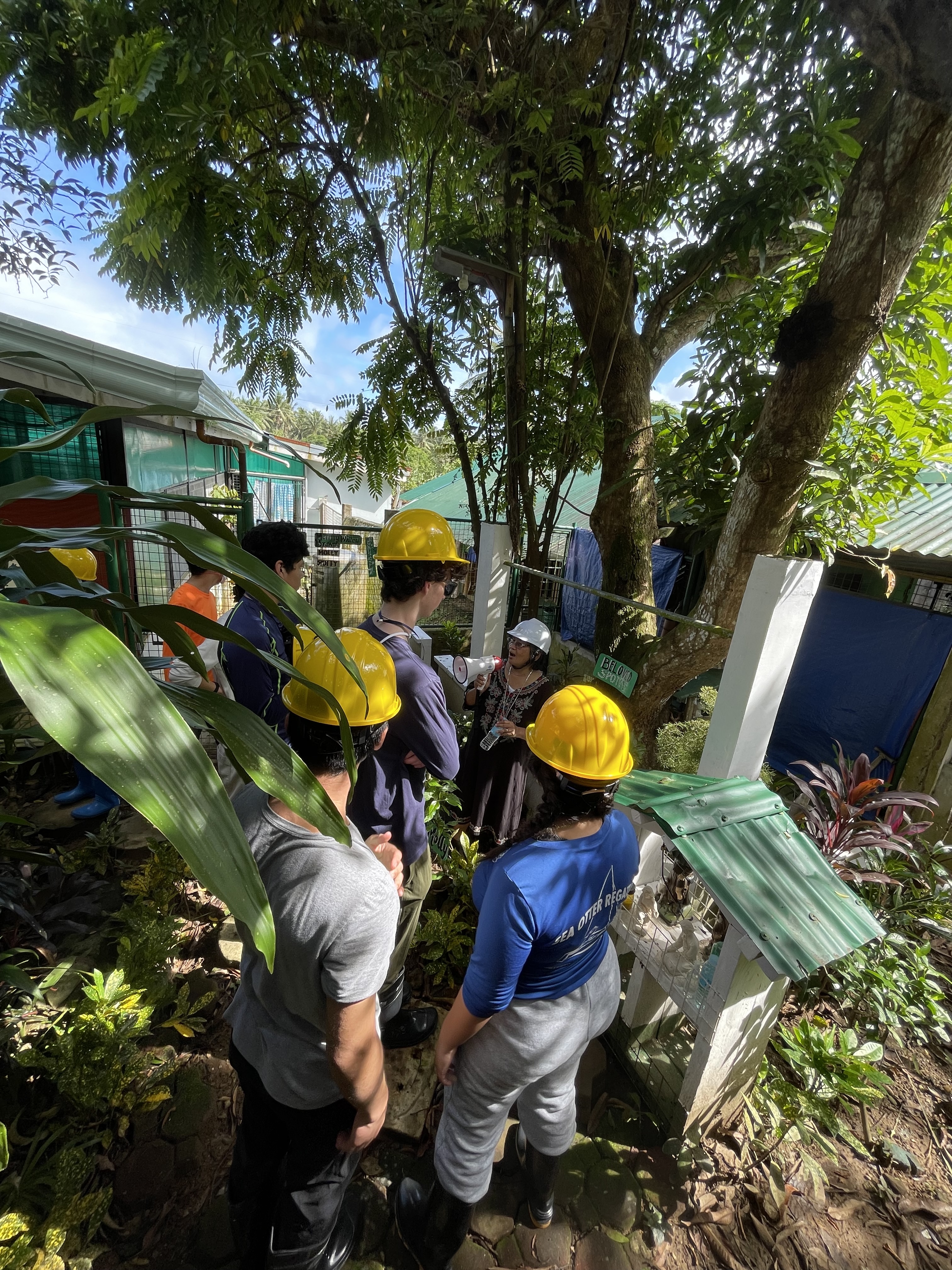
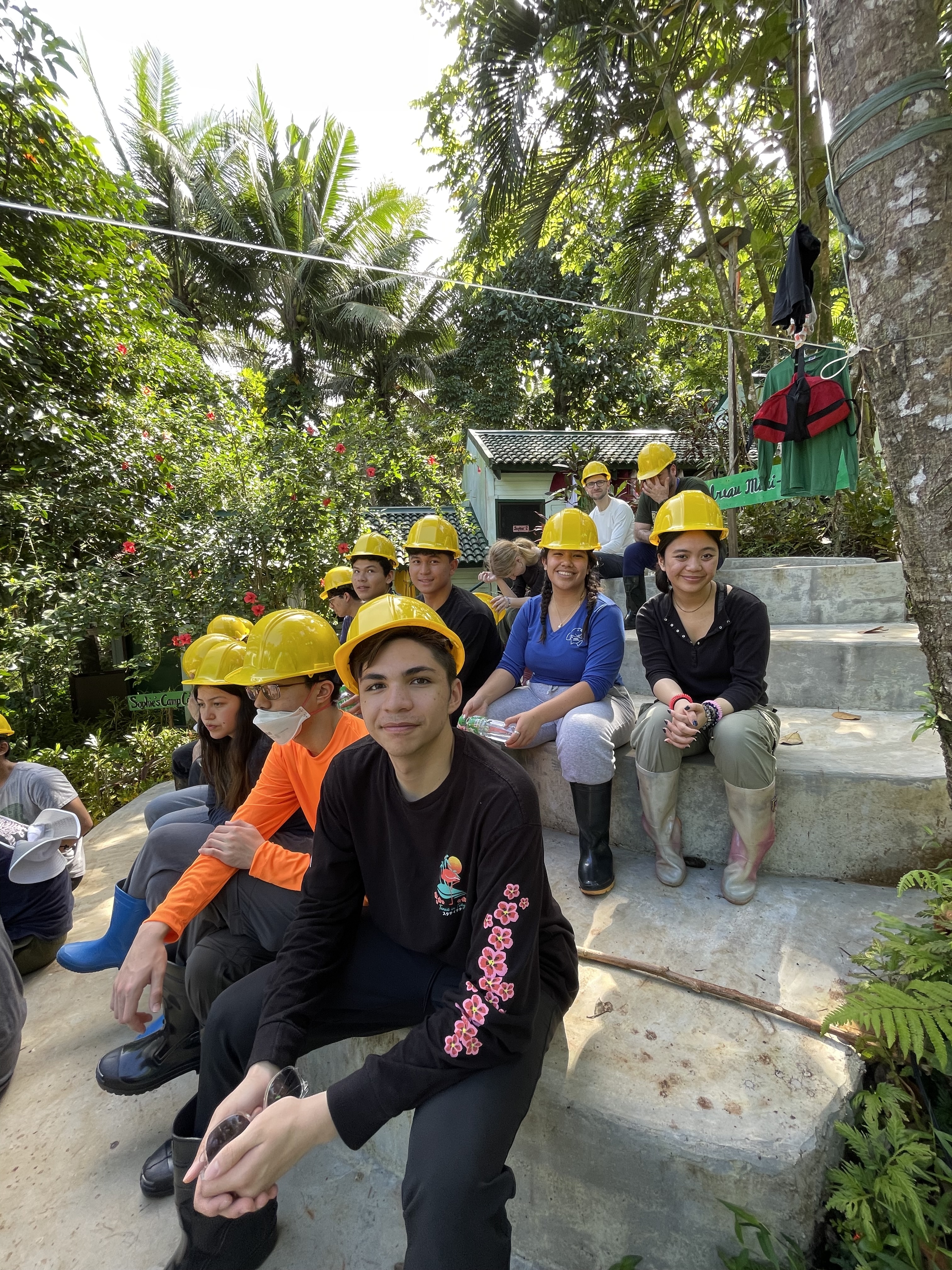
Elvy Asuan (Philippine Normal University) facilitated a presentation on the dynamics of organizational structures. Highlighting the specific function of a collective’s Vision (aspiration), Mission (institutional purpose) and Goals (measurable outcomes), conversations focused on the technicalities of group facilitation, formulation of minutes and framing of leadership styles. Participants from the local government offered practical insight into the workings of an efficient vis-a-vis stagnant bureaucratic processes.

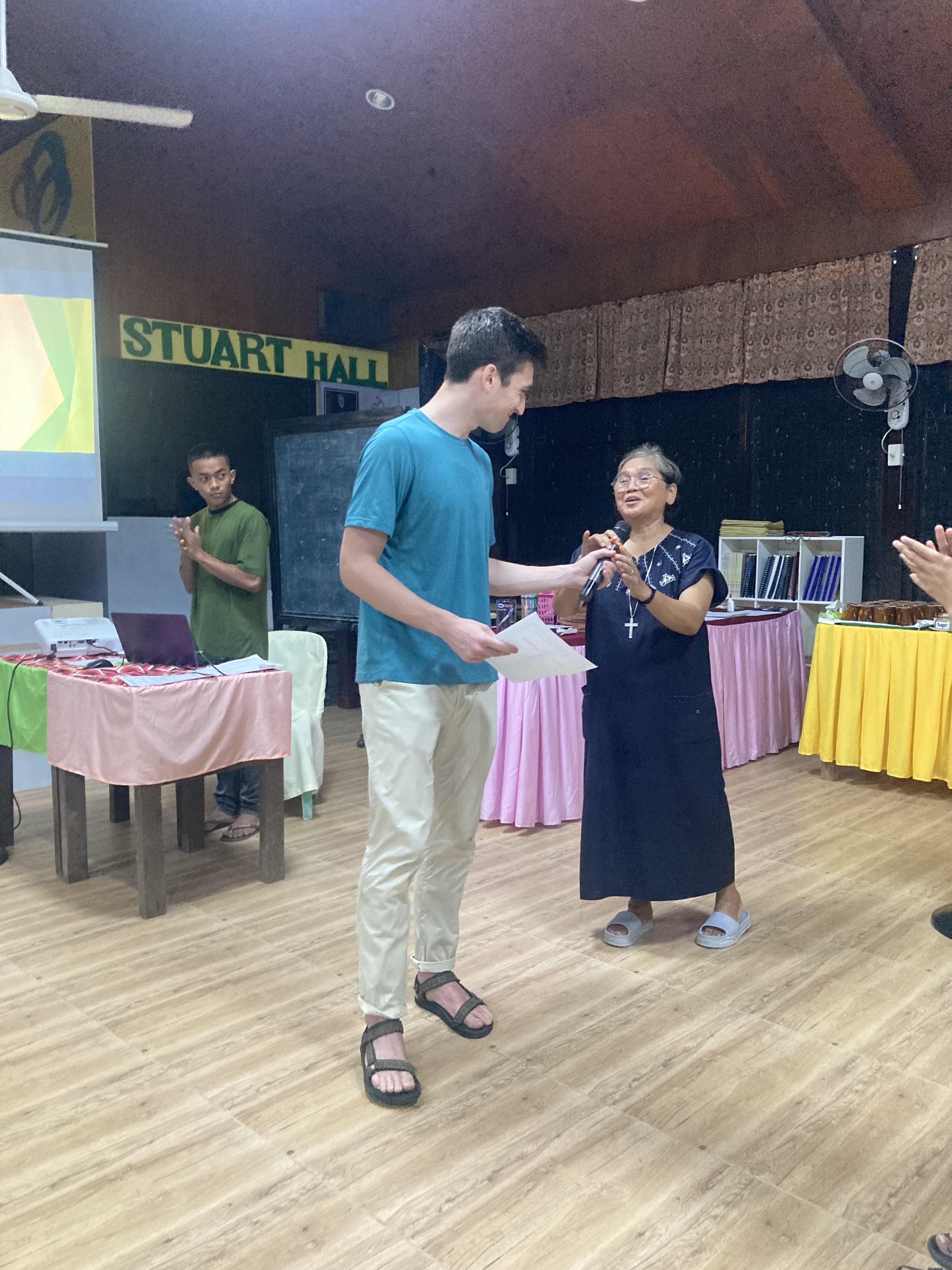
Isidro “Syd” Baradi IV, Sophie’s Farm Program Assistant, offered a personal reflection at the intersection of faith, service and spirituality. His life’s trajectory as the son of middle-class professionals, raised in Nigeria, the United States and Marinduque Island in central Philippines, converged to bring him to remote Northern Samar in order to support the work of Sophie’s Farm. Syd considered the importance of personal discernment in attending to shifting contexts and one’s capacity for response-ability. 
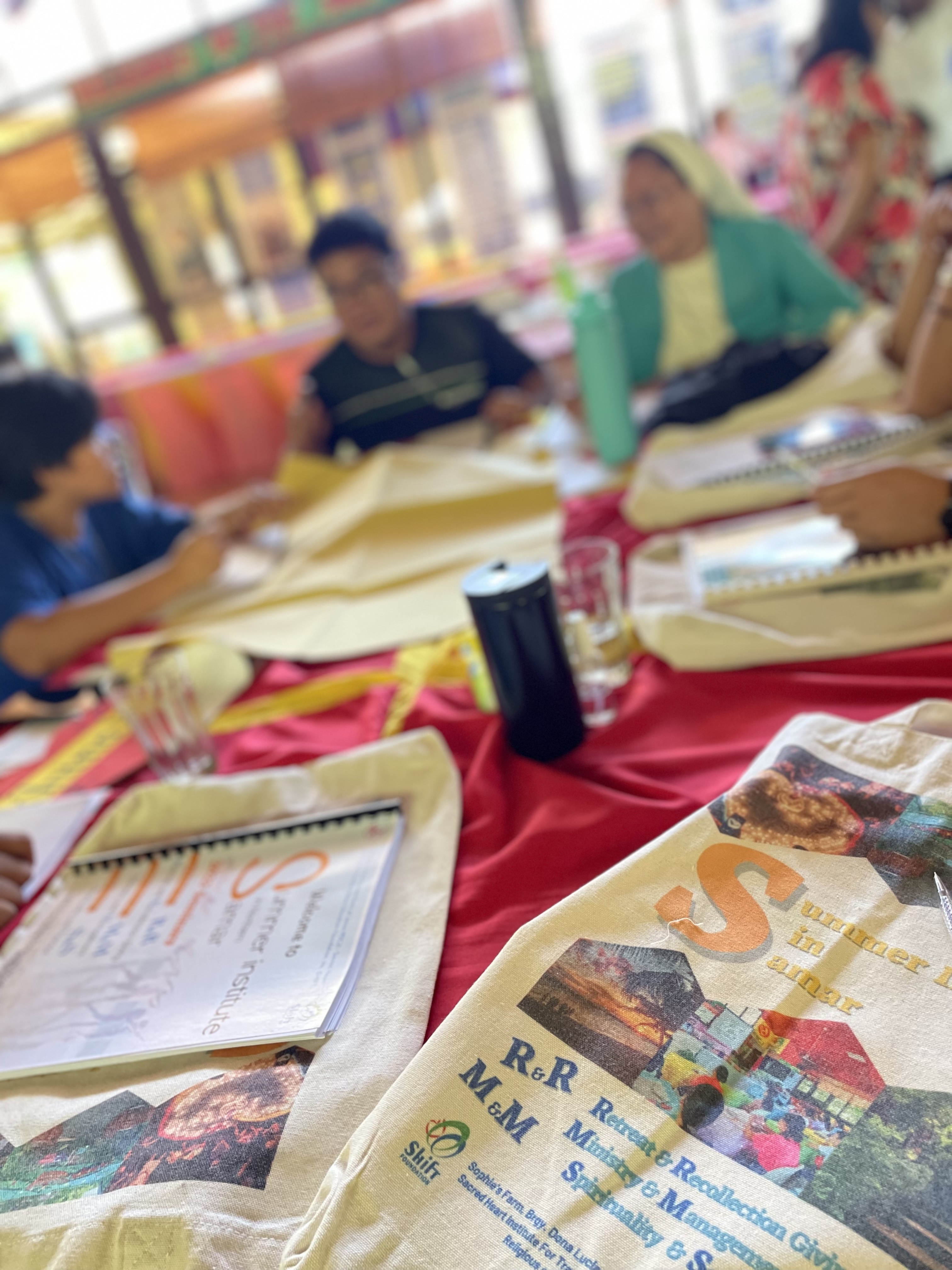
Photos by Dr. Michael Campos, Religion, Theology & Spirituality, Faculty

Sam Schelble (Boston College) concluded the day with a reflection on Christian leadership. Drawing on examples from the Gospel narratives, he highlighted the ways in which Jesus embodied autocratic, democratic, laissez-faire and servant leadership forms throughout his time of ministry. Participants were encouraged to consider an approach to leadership that is contextualized and attentive to the shifting needs of an organization.

To the extent that we were emerging out of a pandemic, observations considered how remote work whittled down traditional structures to basic forms of interaction. “Agency” and “initiative” took greater significance in moments where existing structures could no longer sustain the quotidian function of organizations. To this point, participants noted two tendencies in pandemic-era leadership: one that magnified existing structures of authority to protect the institution, and another that encouraged creative problem-solving approaches at the local level. I noted  that in its self-critique during the Second Vatican Council (1962-1965), the Roman Catholic Church proposed an image of organizational leadership that emphasized the principle of “subsidiarity,” that is, local leadership and agency.
Sophie’s Farm Summer Institute | Day 2

By Dr. Michael Campos, High School Religion, Theology and Spirituality Faculty

Seminar 2, Day 2: Being God’s Beloved
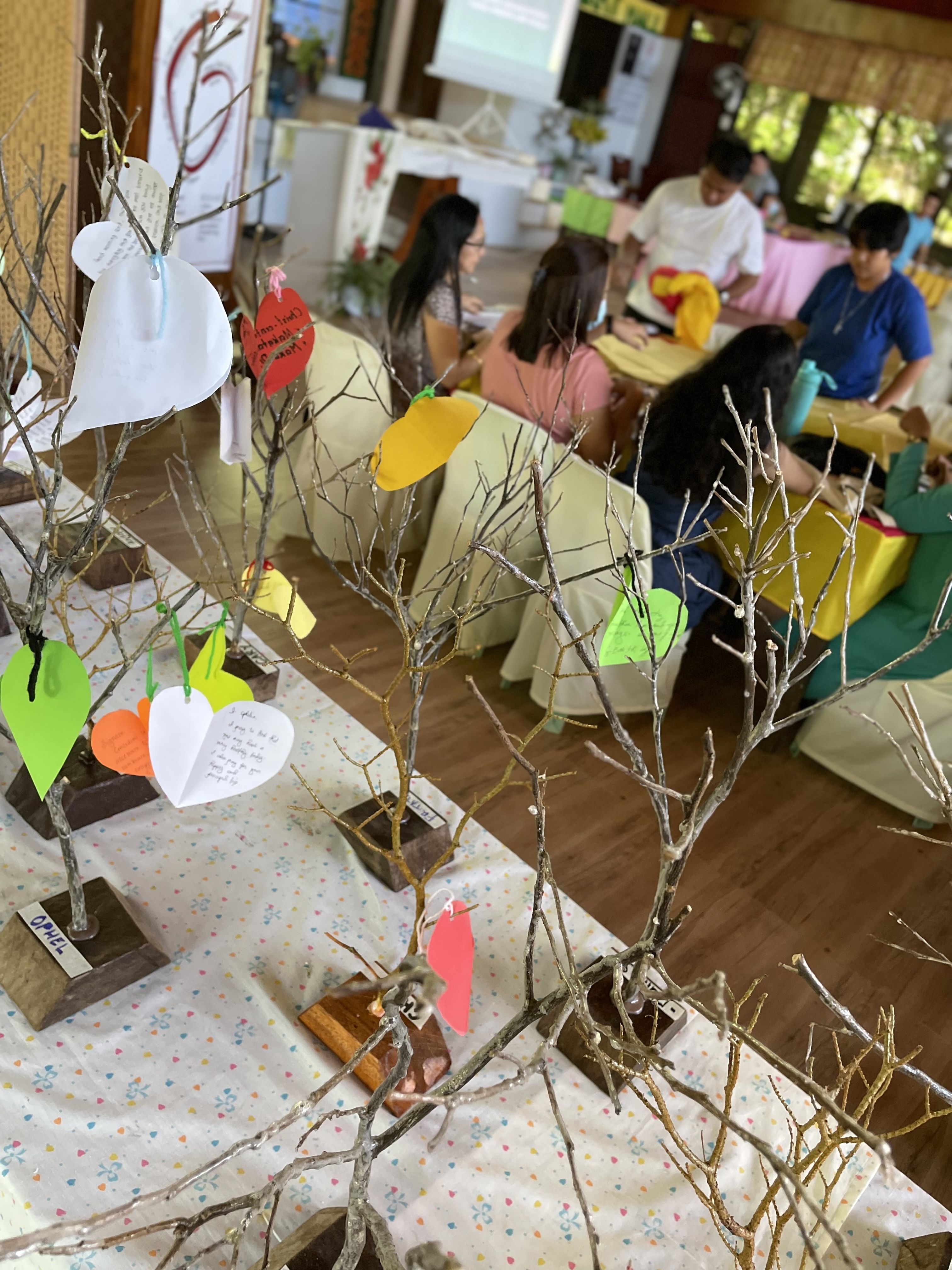
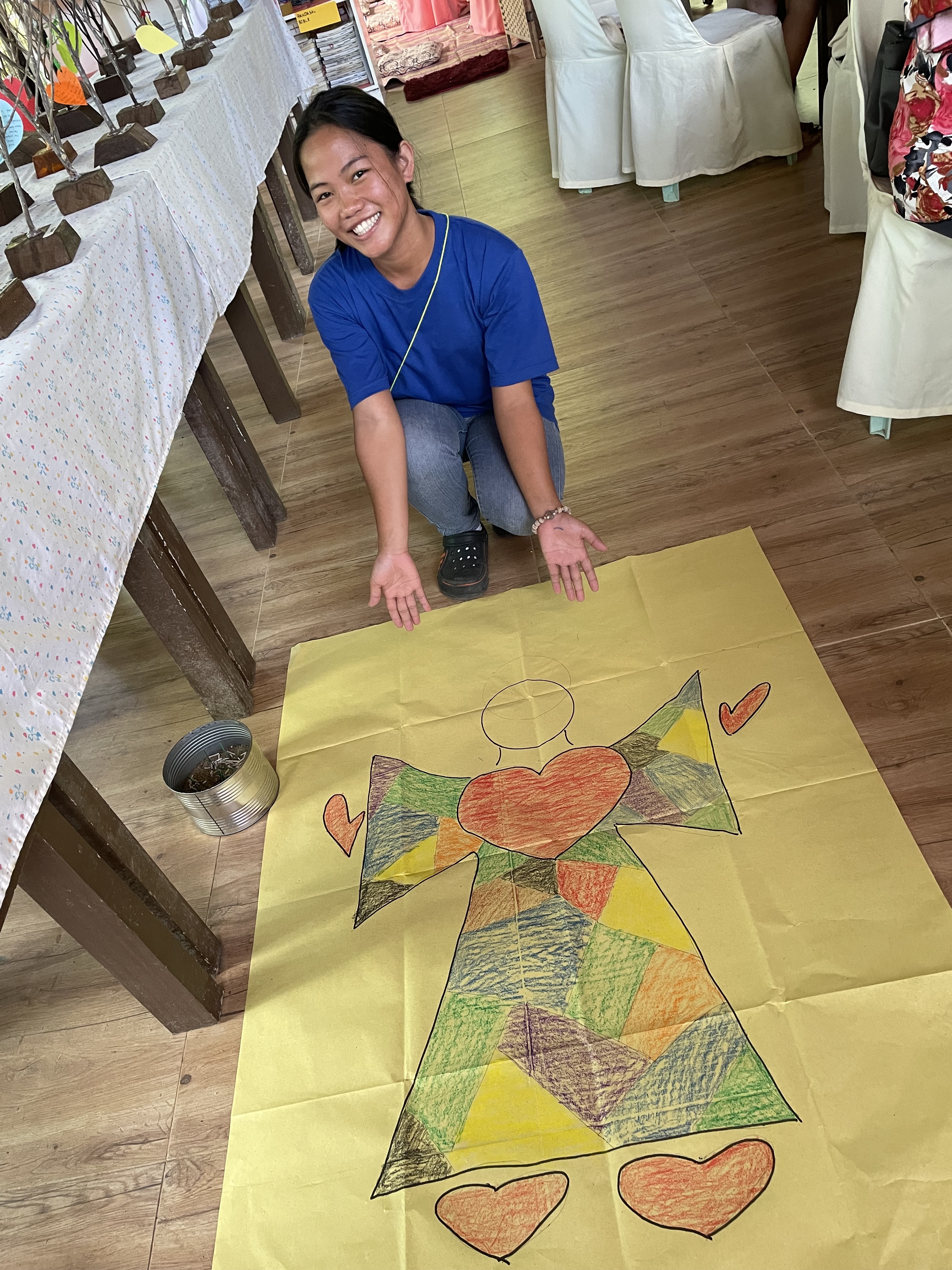
The seminar opened with a meditation on being “Beloved.” Sr. Lydia Collado and Sam Schelbe invited us to consider the principle of imago Dei (image of God) as the starting point of work and ministry. I bridged these concepts into the practice of conversatio morum (conversion of life) that emerges out of intentional relationality, when we are confronted with another’s uniqueness. 
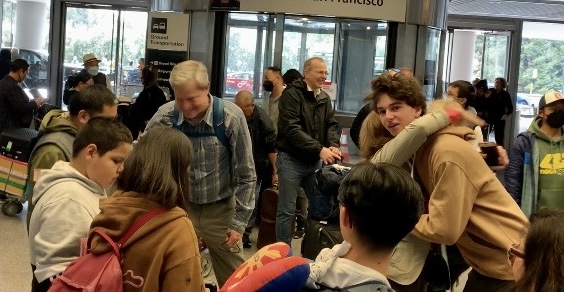
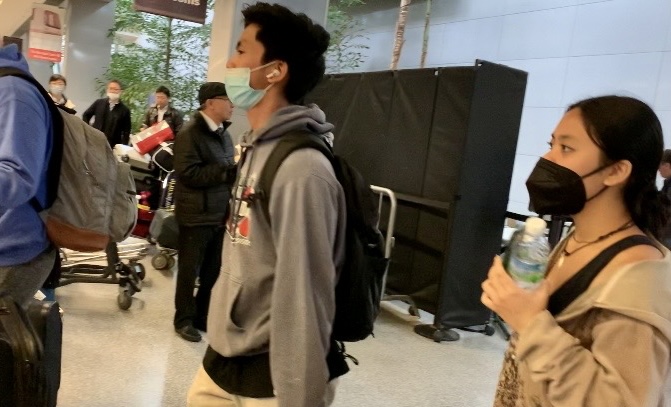
While participants came from both religious and secular contexts, most gravitated to the spiritual framework offered by the great Catholic writer, Henri Nouwen. 

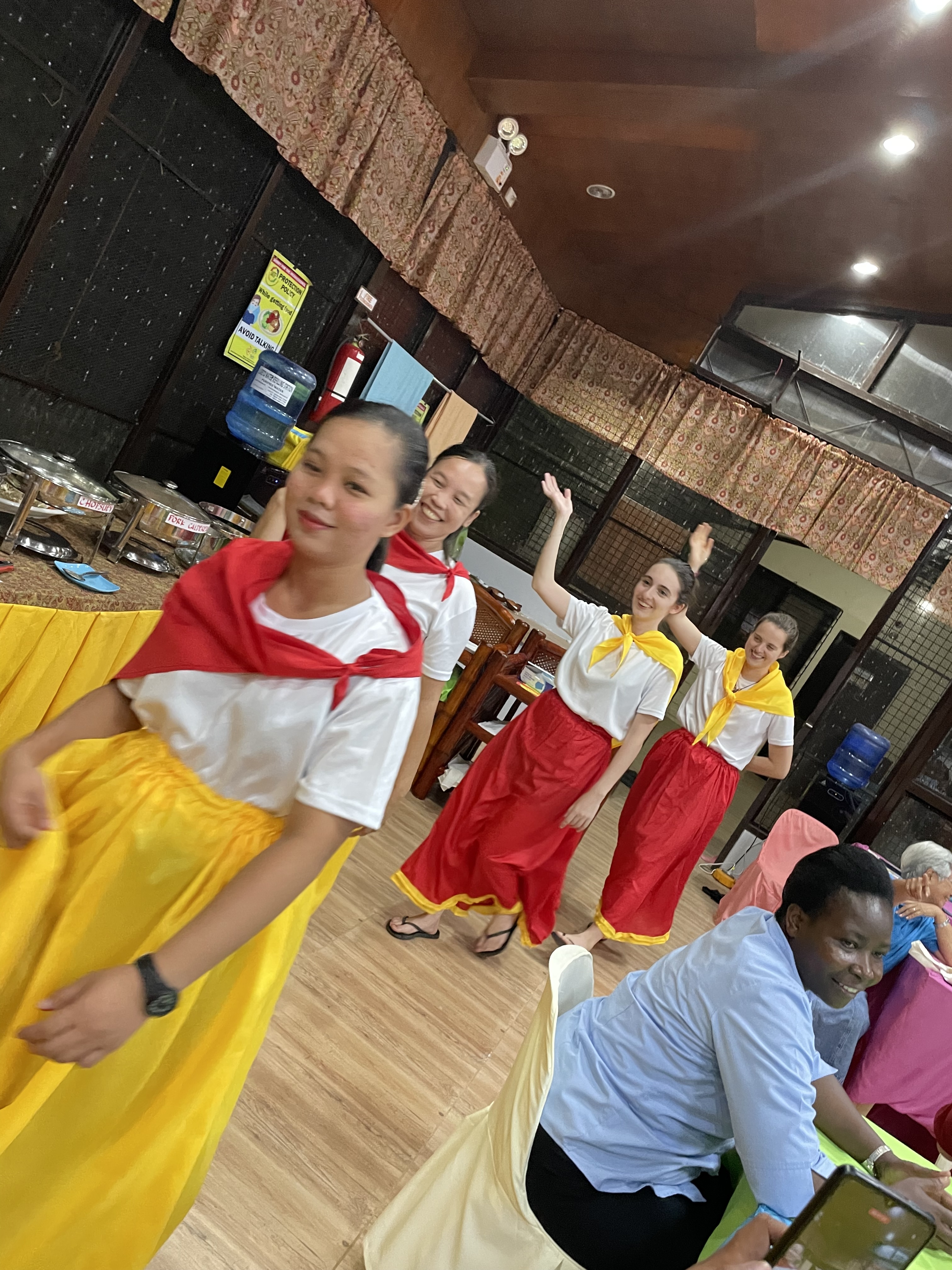
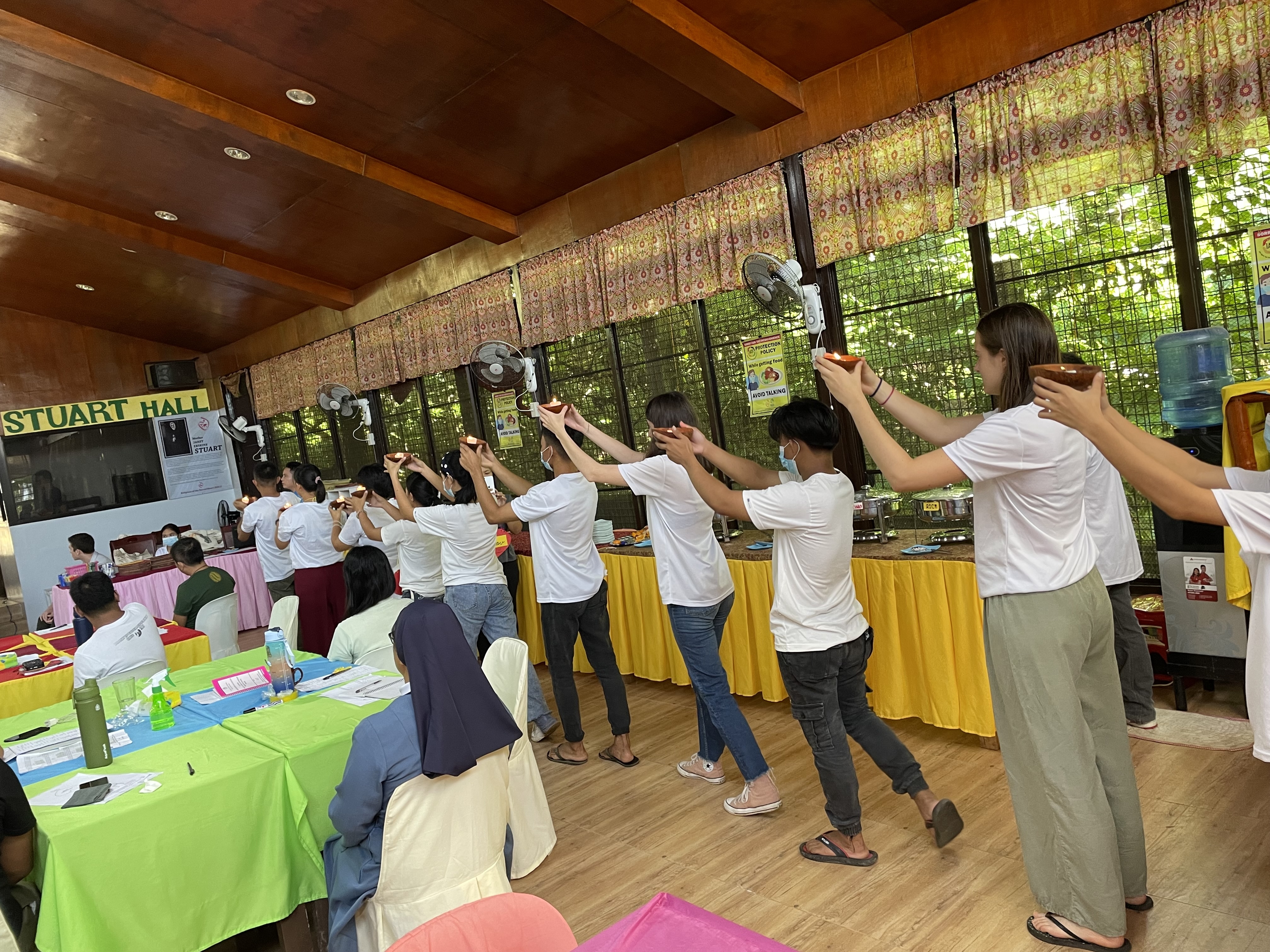
A highlight to the opening conversations were the introduction of daily “animations” — praise songs and dances — choreographed by volunteer, Malou Ybanez, that punctuated the day’s schedule.

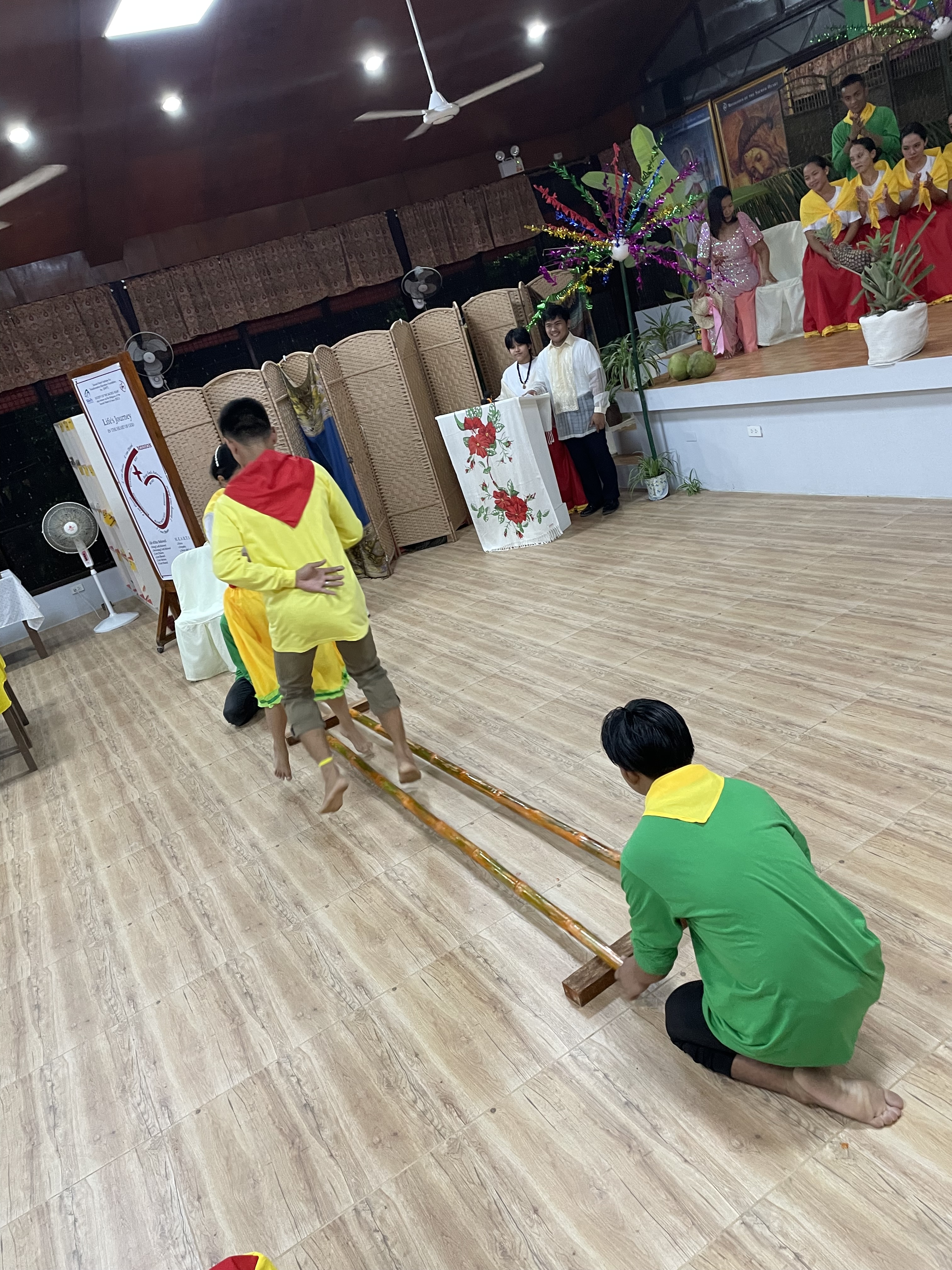
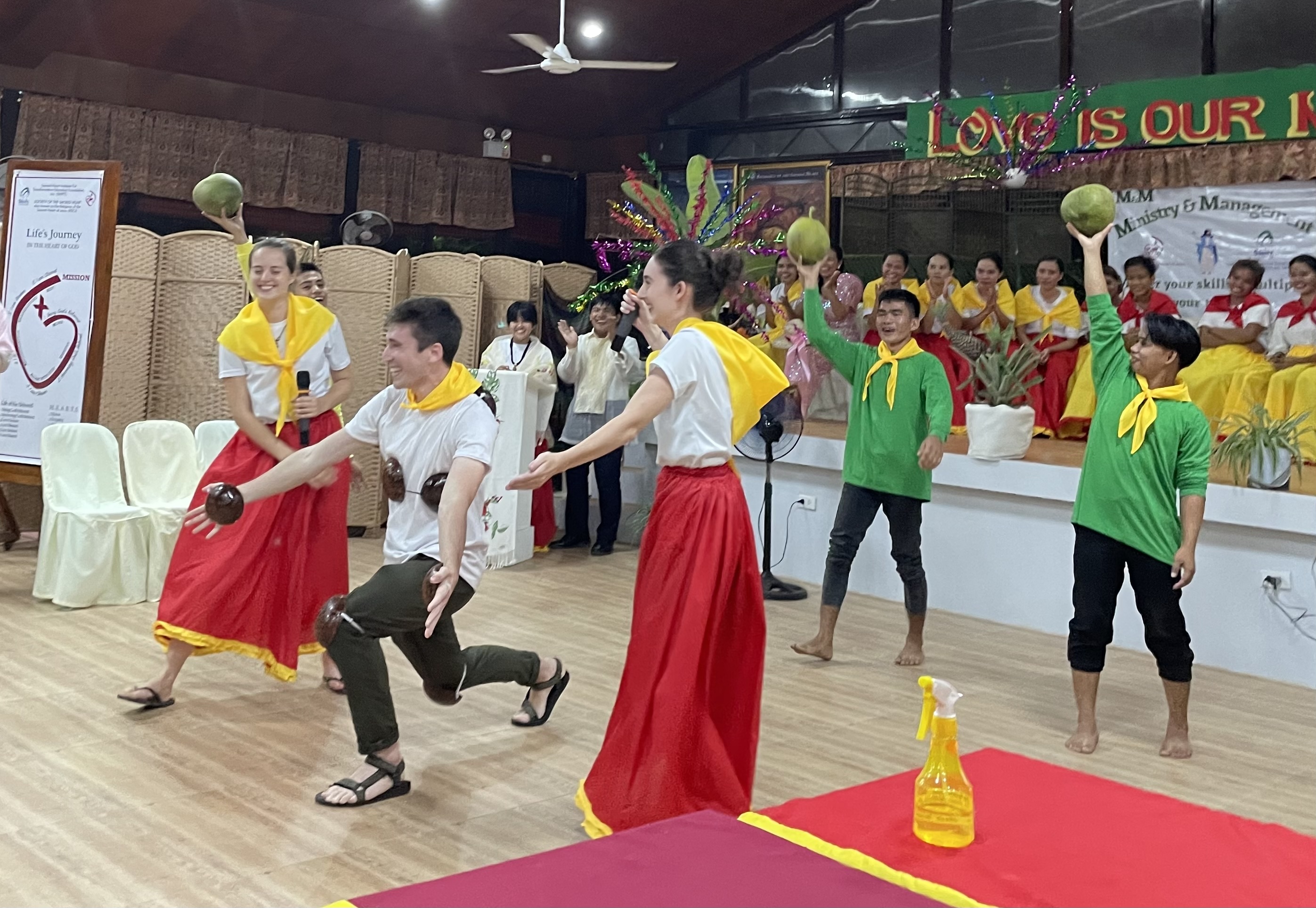
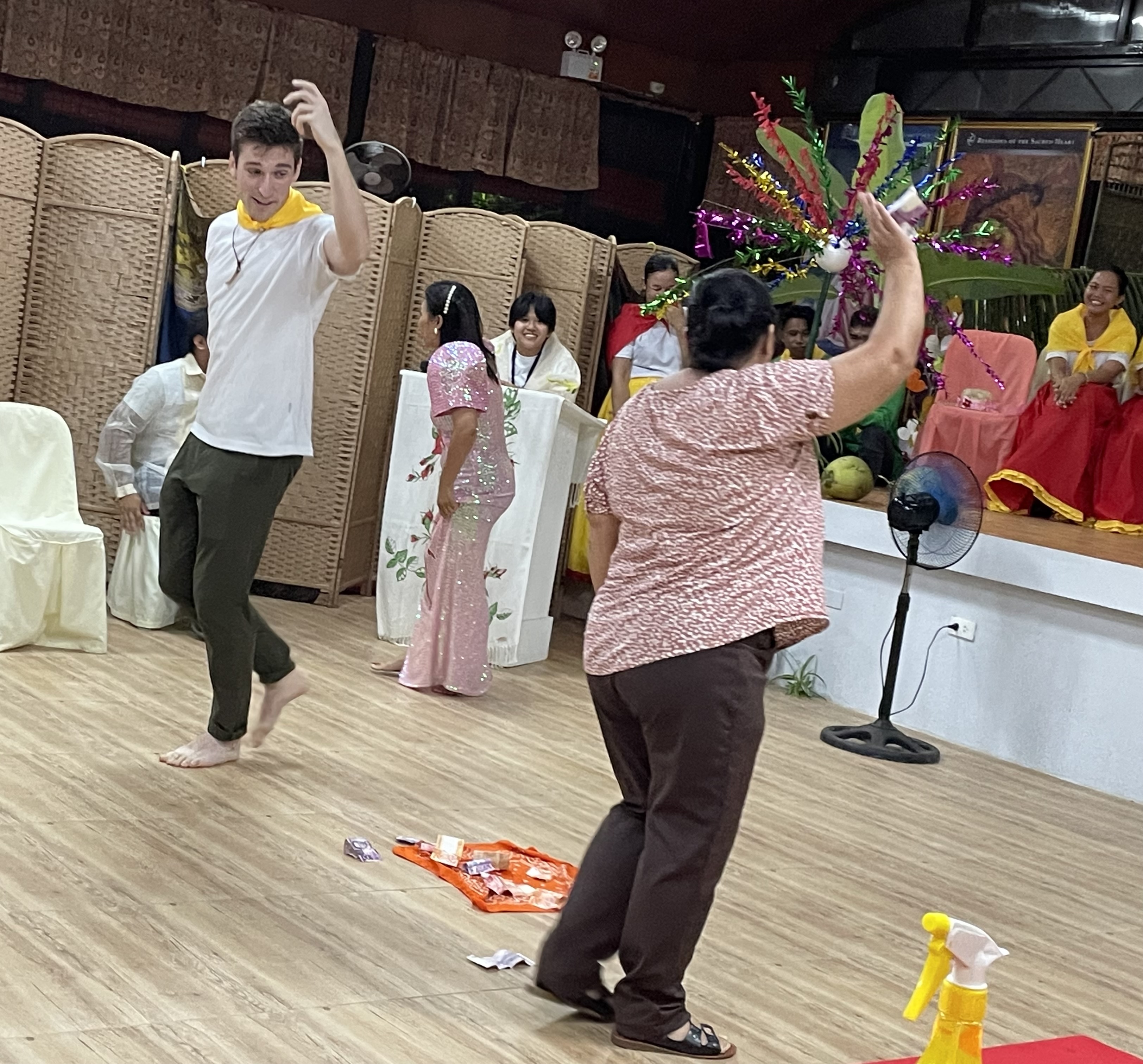
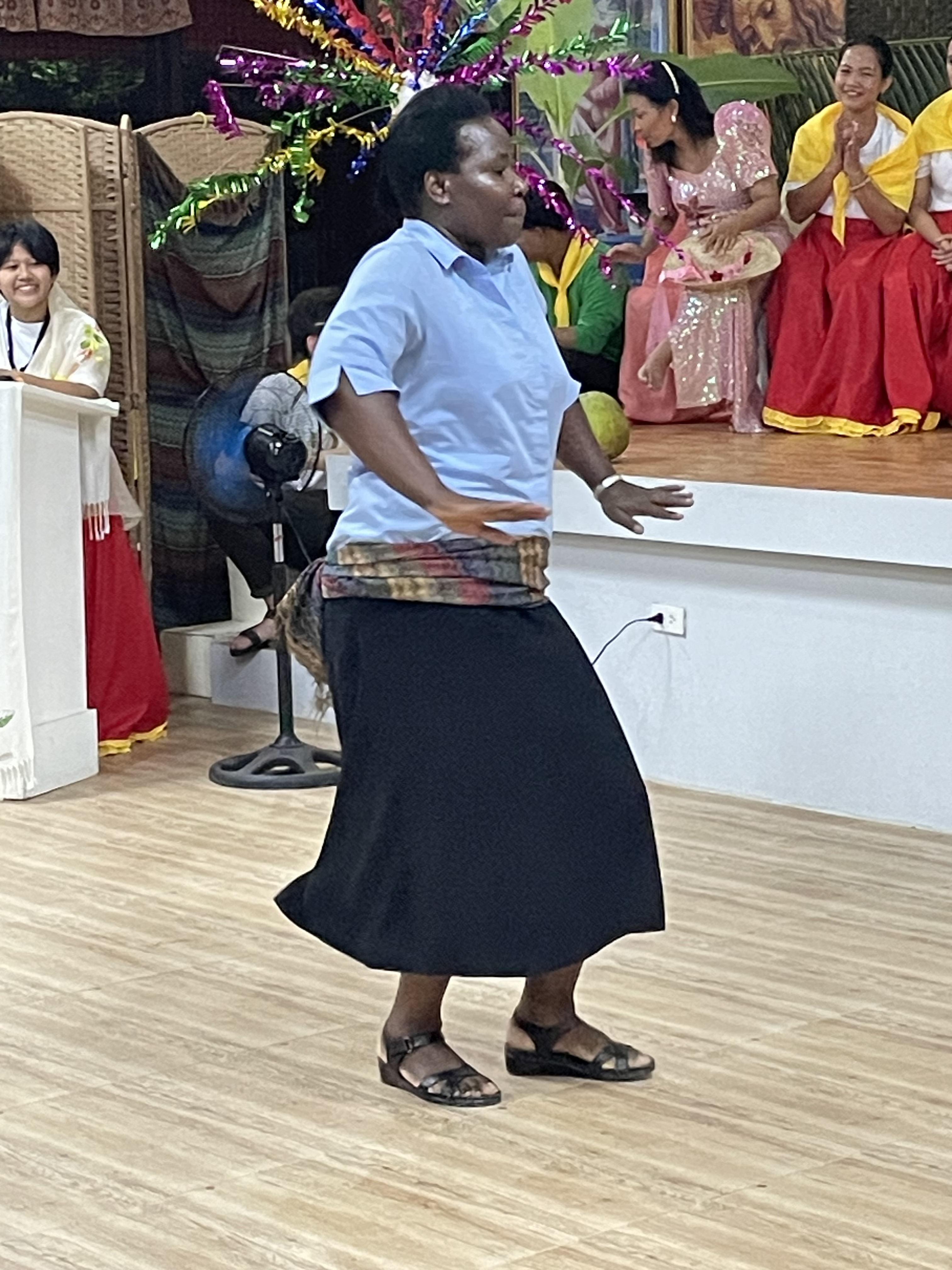
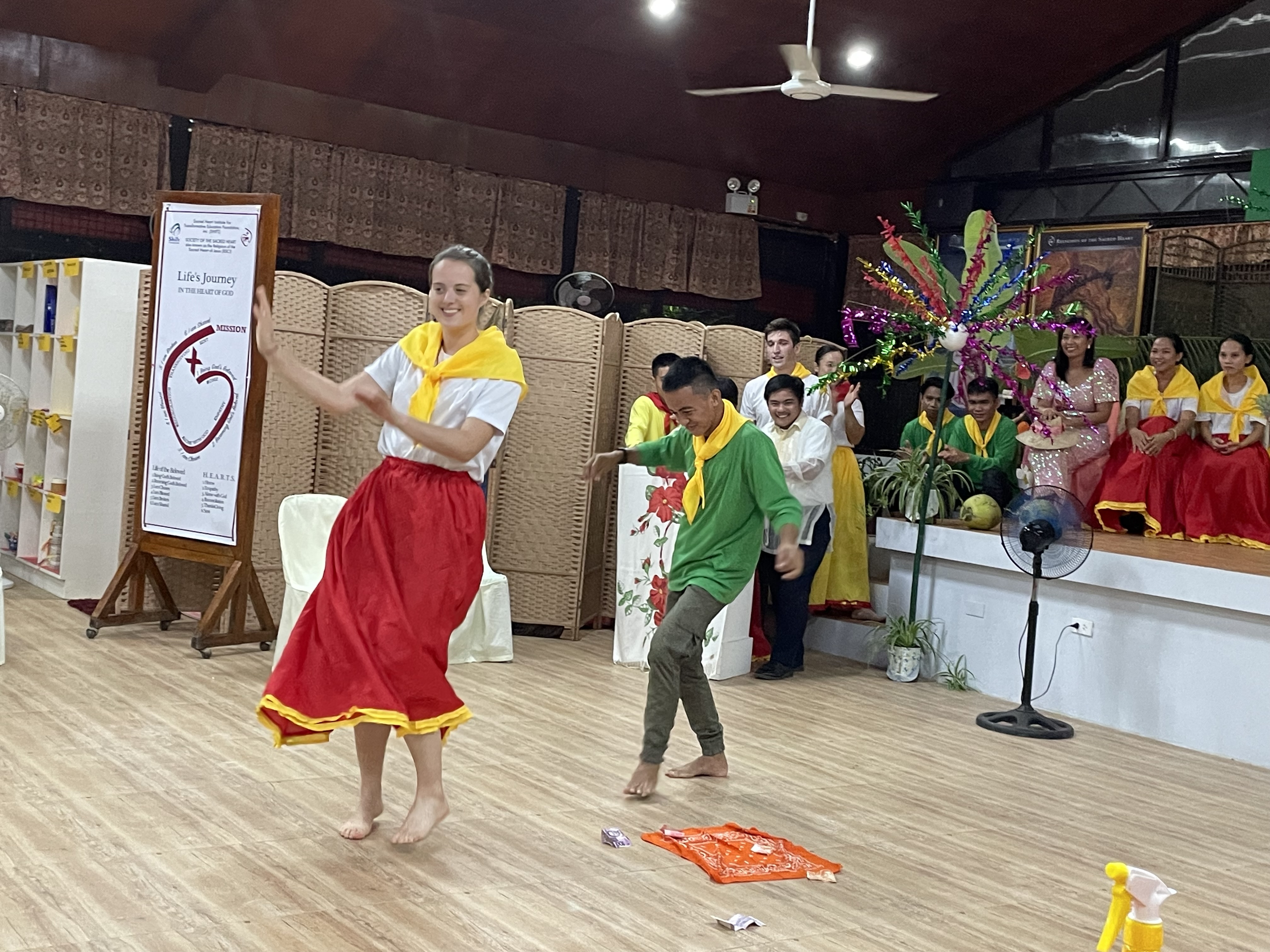
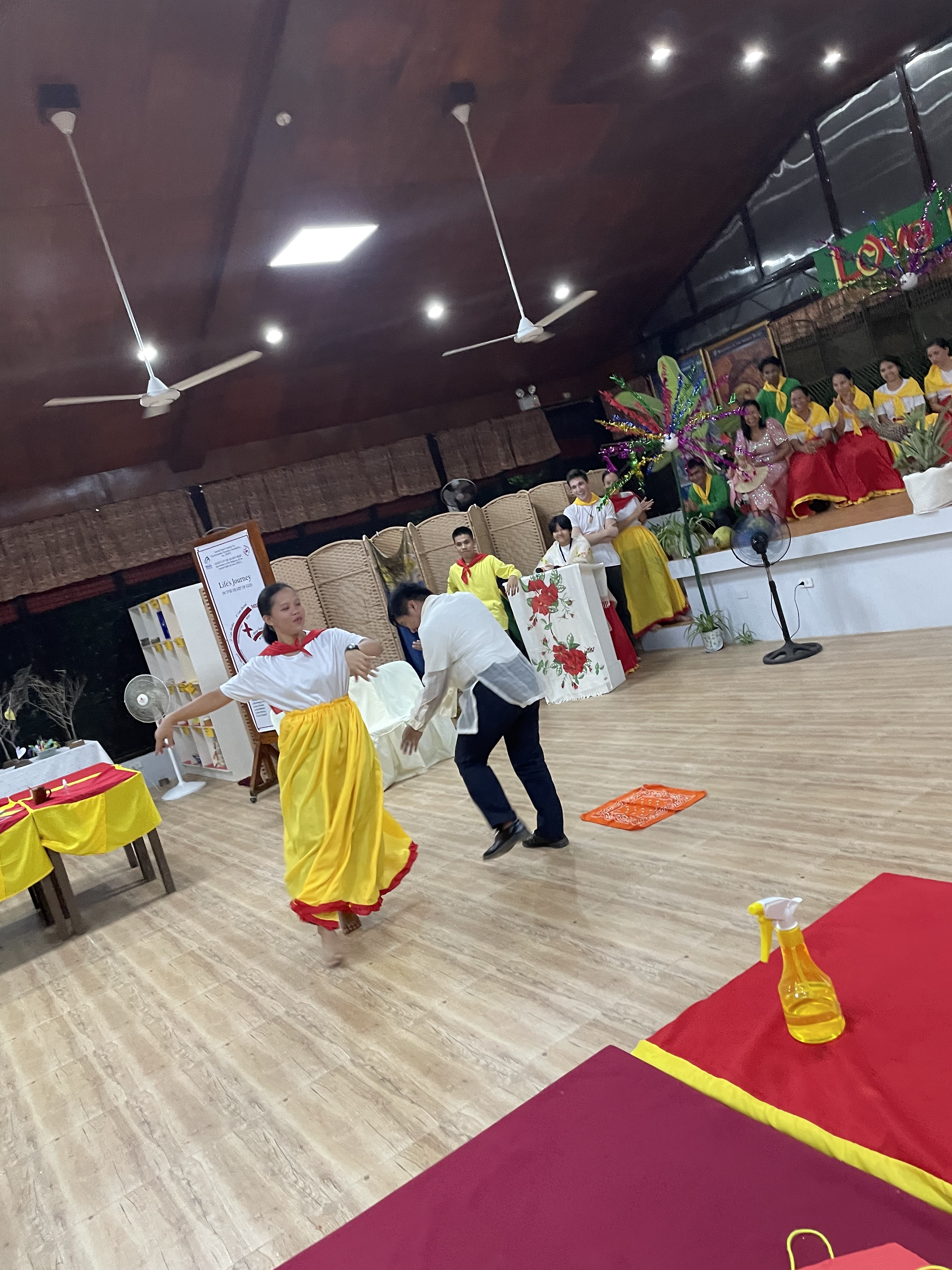
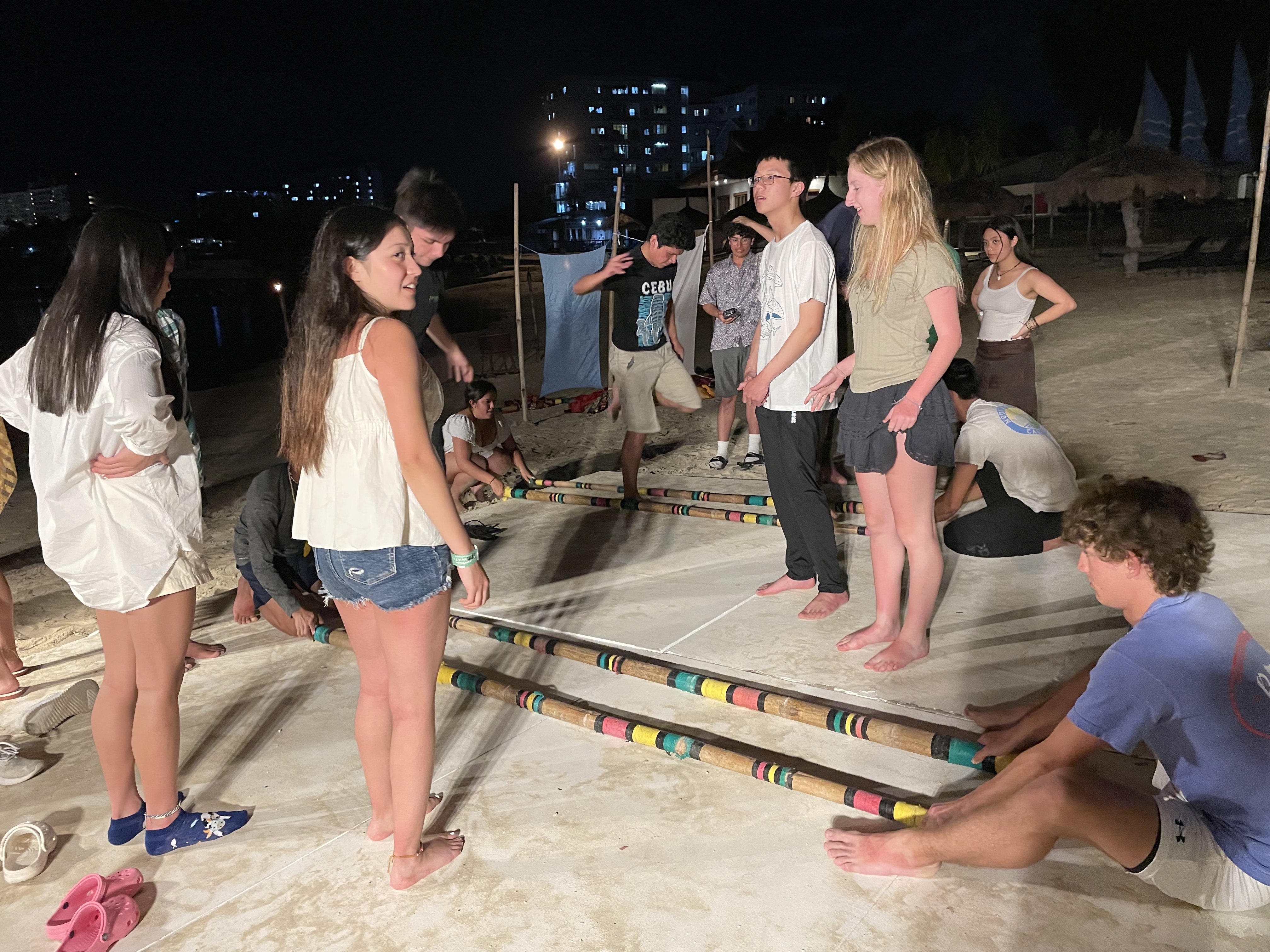
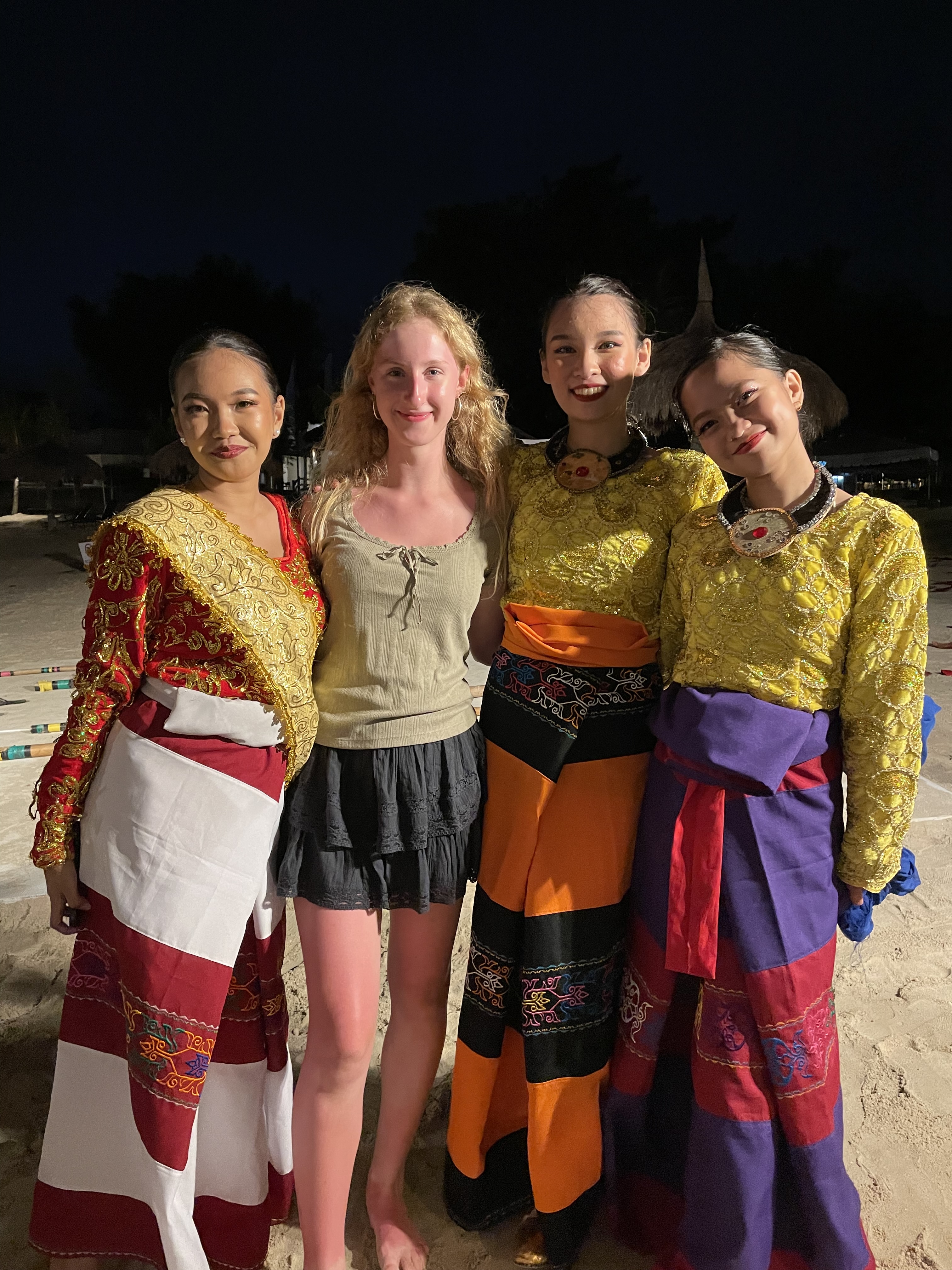
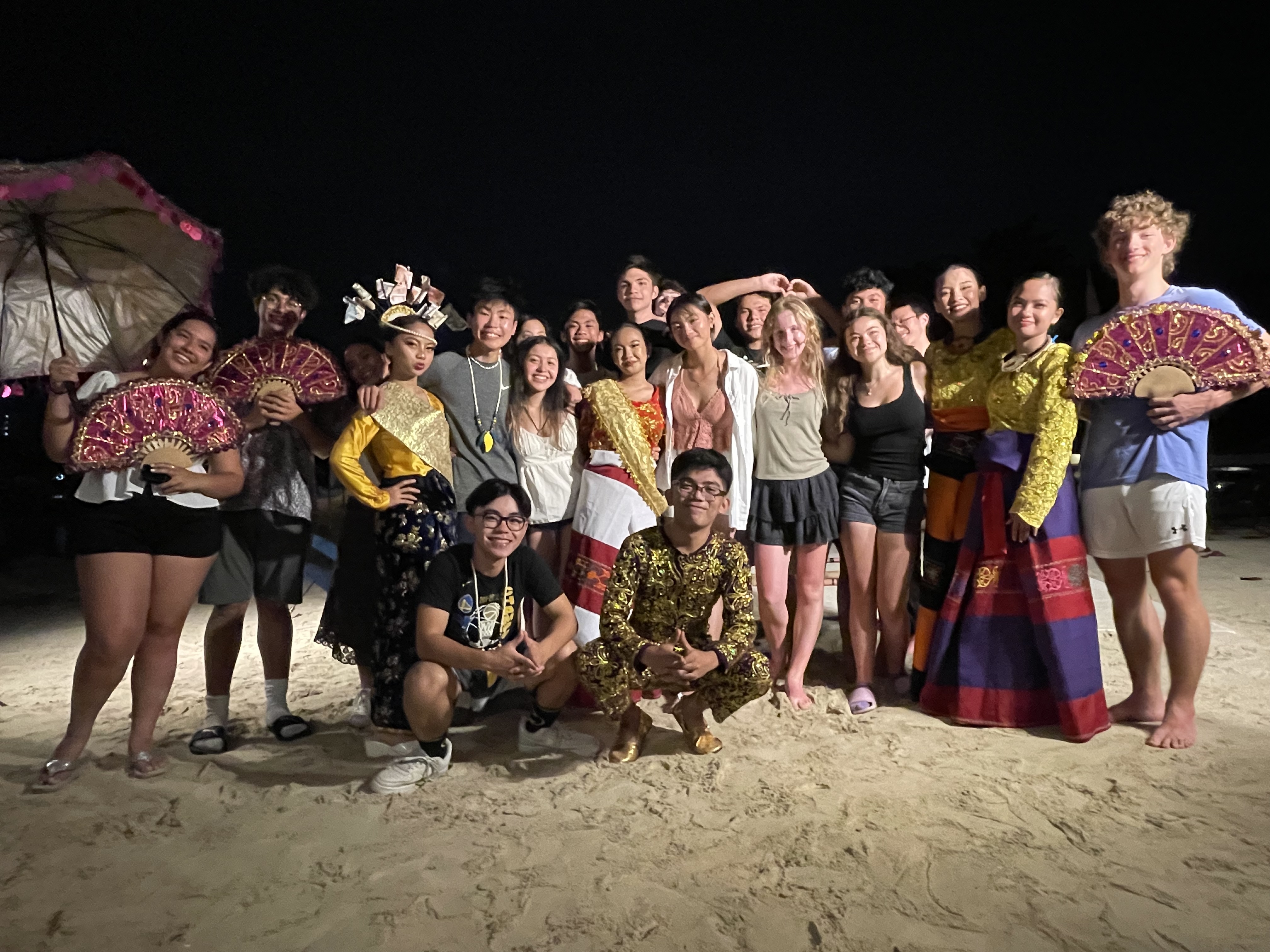
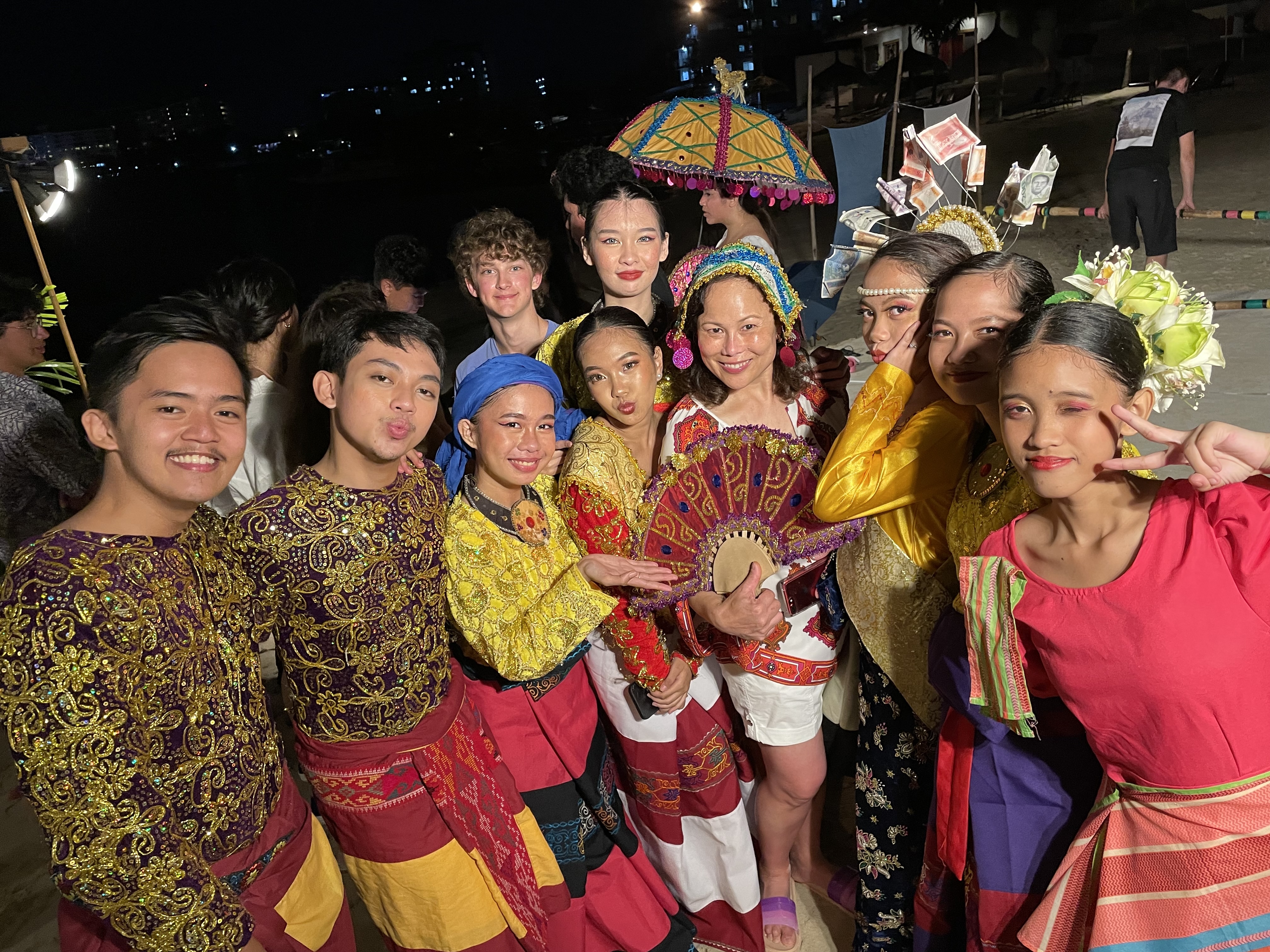
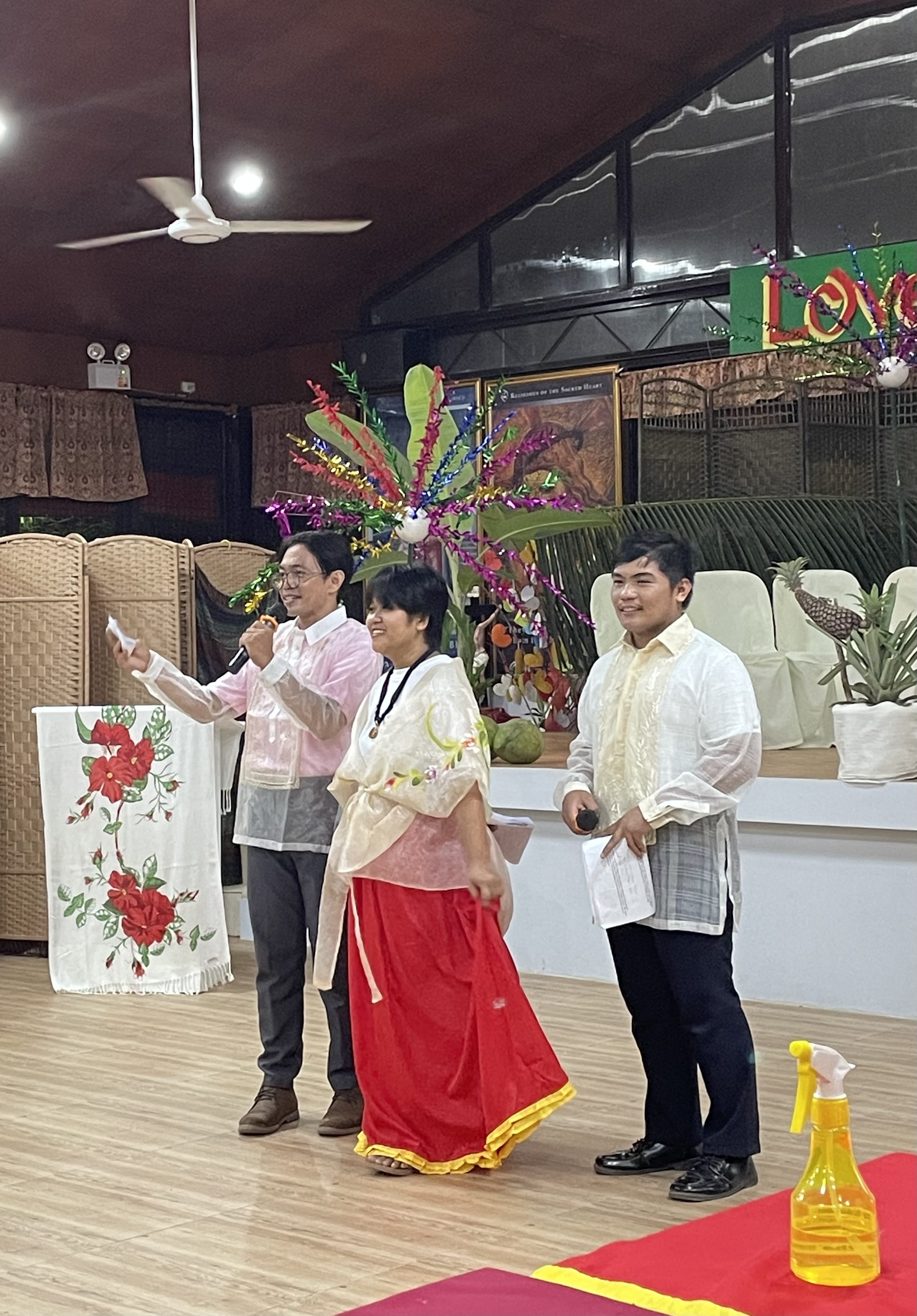
As a practice at Sophie’s Farm, participants were officially welcomed during a Roman Catholic liturgy at the day’s end. The Mass was followed by a celebratory dinner and Barrio Fiesta, a cultural presentation of indigenous dances and songs throughout the Philippine archipelago. Sr. Mercy surprised us by performing a dance from Uganda. The evening concluded with an impromptu party that saw all hitting the dance floor in a mix of cha-cha, kuratsa (traditional courtship dance from Samar) and tinikling (a traditional dance from the Filipino countryside). 

Photos by Dr. Michael Campos, Religion, Theology & Spirituality, Faculty

Sophie’s Farm Summer Institute | Day 1

By Dr. Michael Campos, High School Religion, Theology and Spirituality Faculty

Seminar 2 Introduction
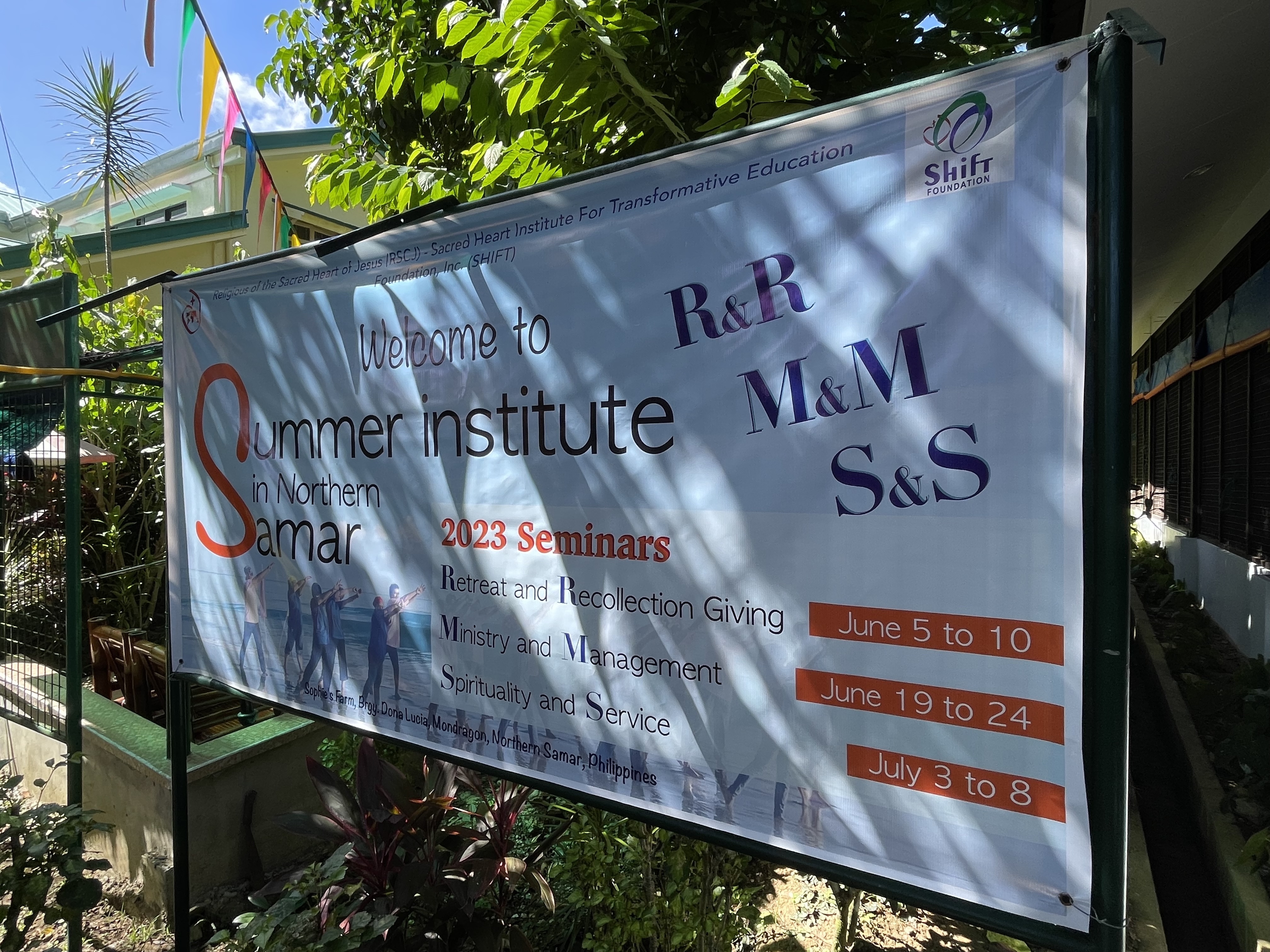
The “Ministry and Management” (19-24 June) Seminar is the second of three weeklong modules hosted by the Sacred Heart Institute for Transformative Education (SHIFT) dedicated to the formation of church and civil workers throughout the Philippines. Lydia Collado, RSCJ, Executive Director of SHIFT, established the Summer Seminar as a way to revitalize community workers post-pandemic. Its location in Samar — a relatively remote island in the central Philippines, away from the bustle of Manila — made Sophie’s Farm an expansive space for participants to step “outside” time and work in order to reimagine the emerging needs of their ministries.The farm’s international network, contextualized the Seminar in global conversations that enriched participants’ understanding of their concerns.

In addition to two French volunteers who were on hand to support staff workers — Elea Bertolacci and Guillemette Arminjon — the Seminar hosted facilitators from local and U.S. institutions: Dr. Elvira “Elvy” Asuan (Philippine Normal University), Dr. Melissa “Mel” Lopez Reyes (De La Salle University, Manila), Samuel Schelble (MA student from Boston College), and myself from Convent & Stuart Hall, Schools of the Sacred Heart San Francisco.

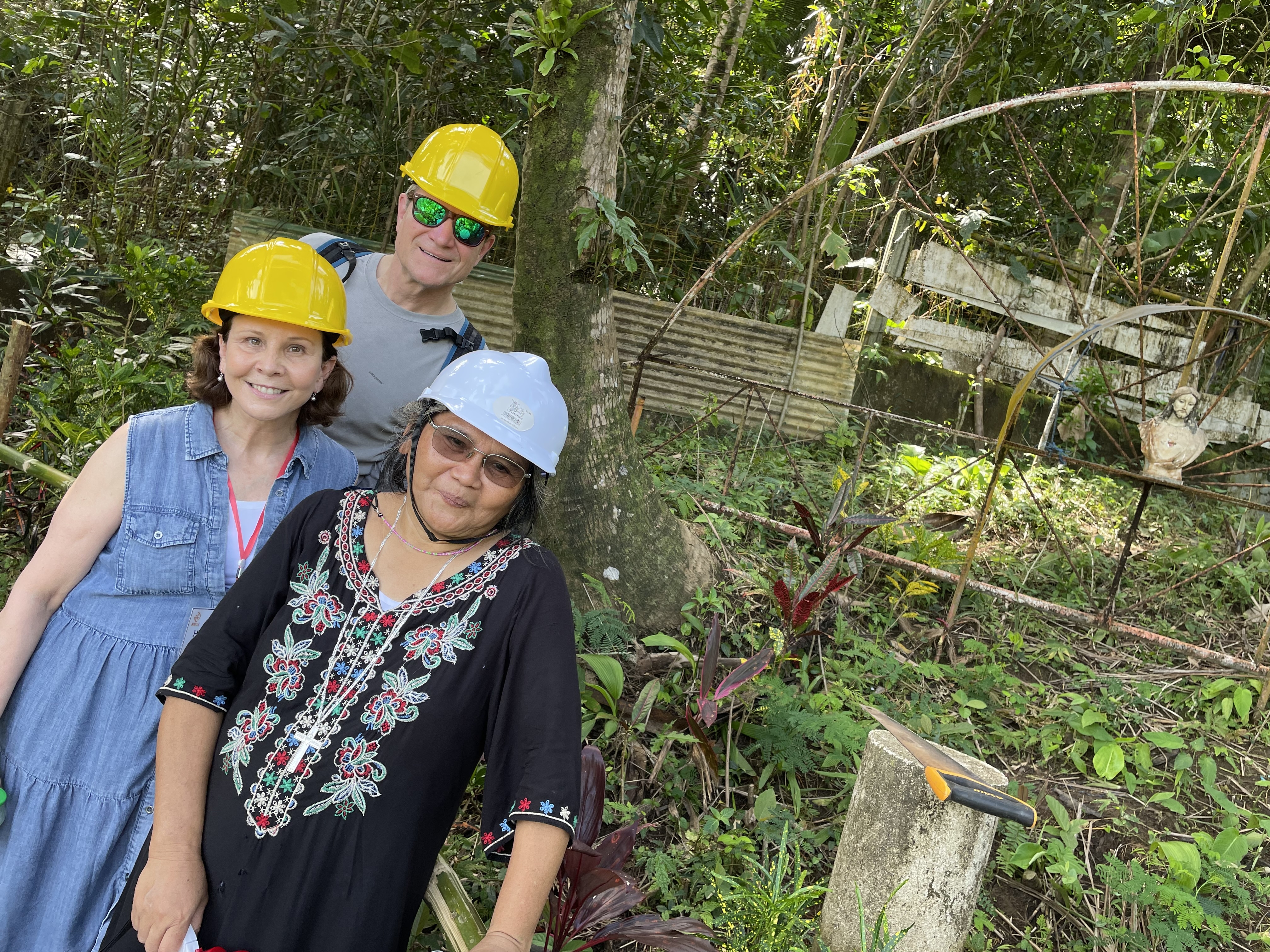
Participants drew from a variety of institutions throughout the Philippines, including seminaries, diocesan offices, local parishes, religious orders and government agencies. We were joined by Mercy Amalemba, an RSCJ sister from Kenya who spent her internationalization year in the Philippines. She will be traveling to Rome in September to profess her final vows as a member of the Religious of the Sacred Heart of Jesus.

Photos By Dr. Michael Campos, High School Religion, Theology and Spirituality Faculty

Seminar 2, Day 1: Arrival and Introduction
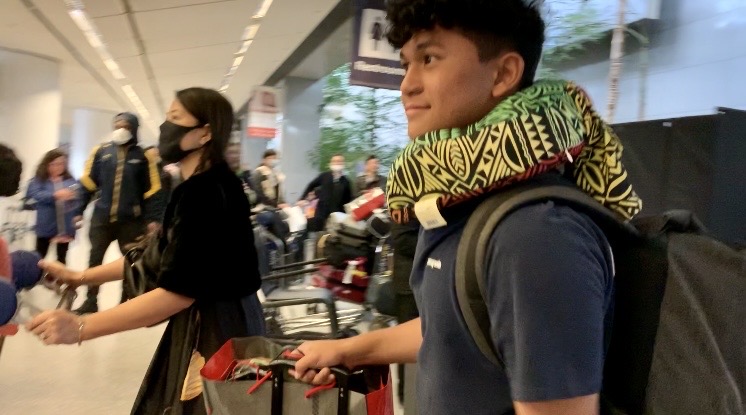
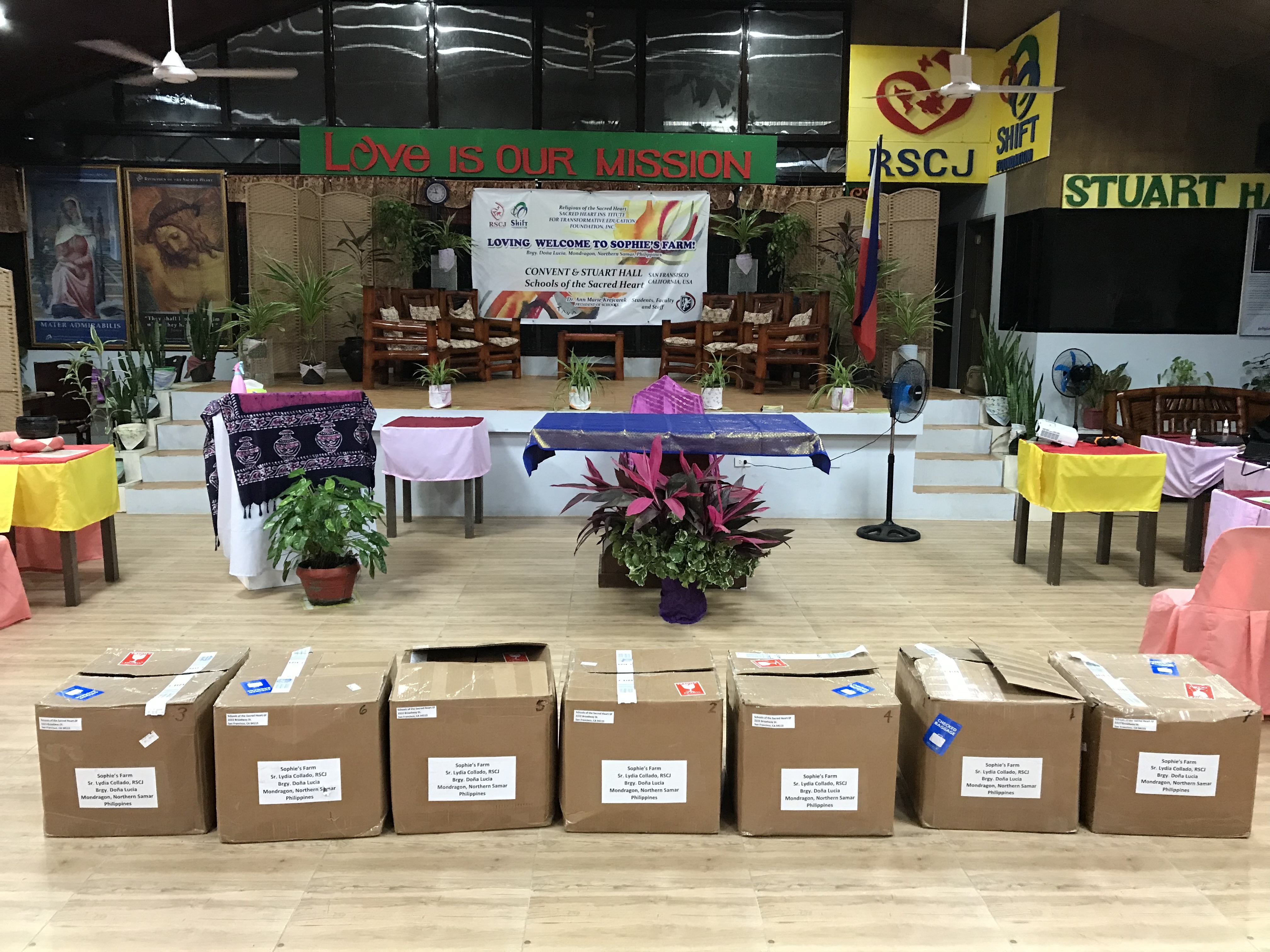
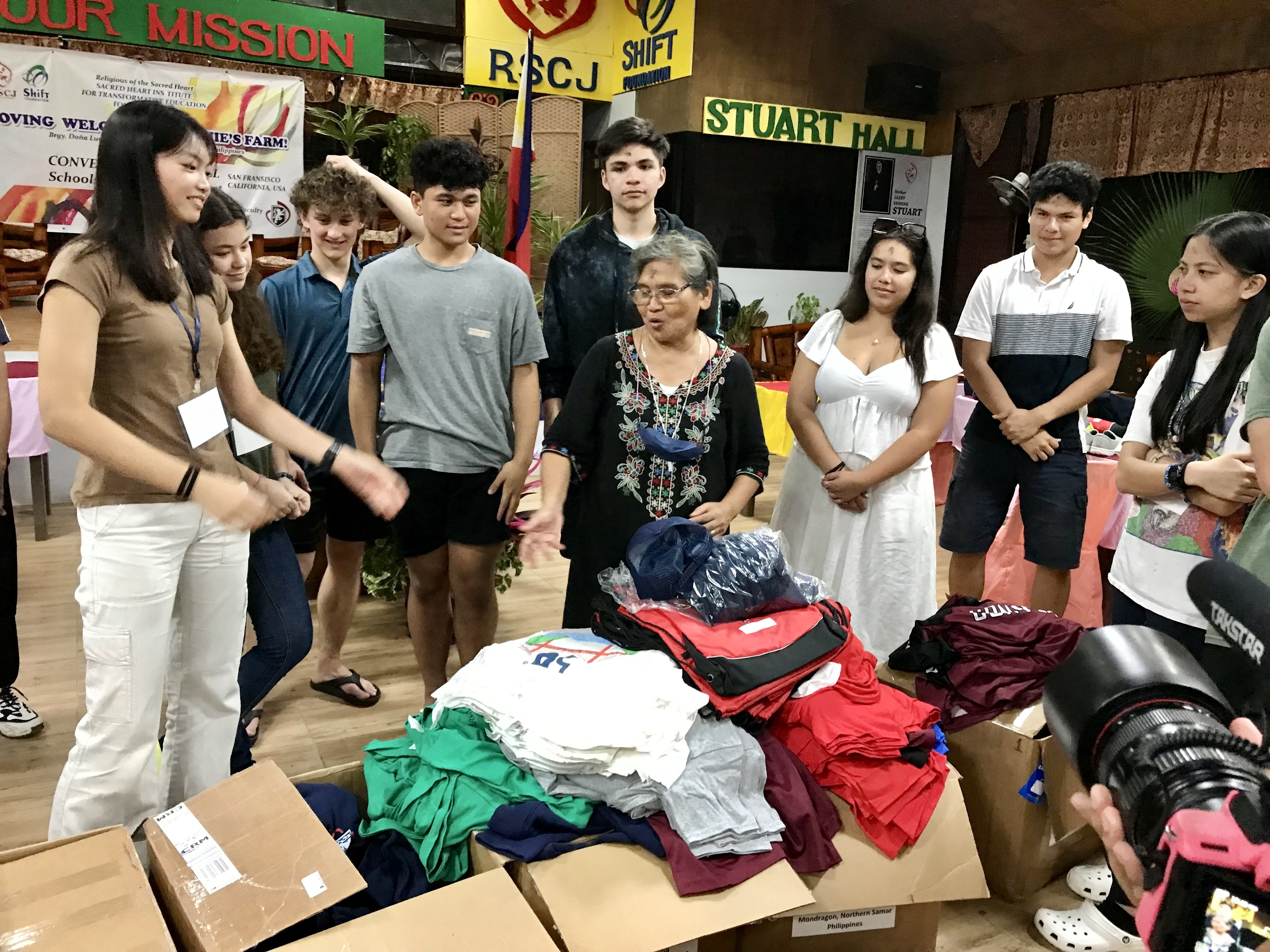
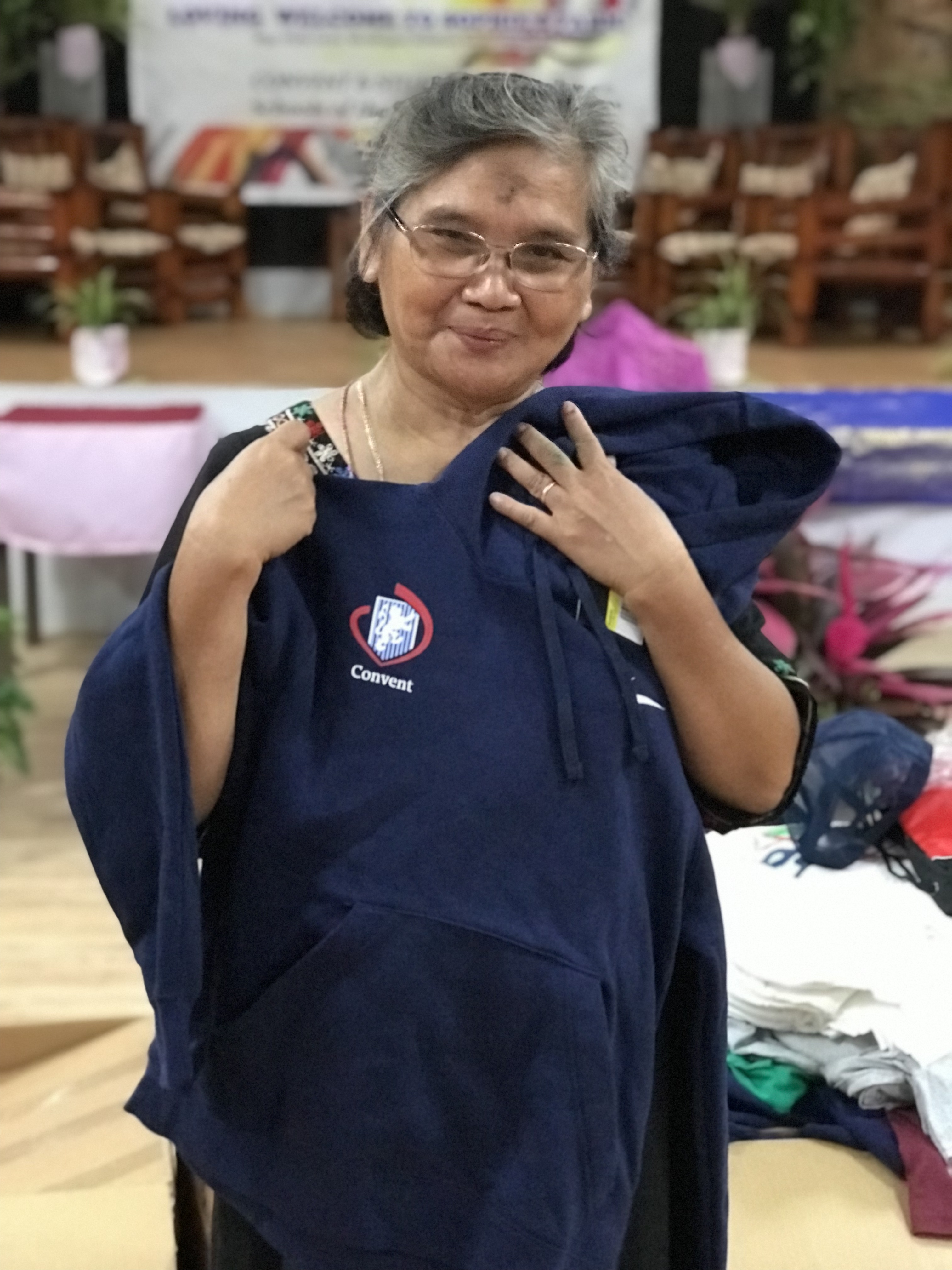
I arrived on the evening of June 18, 2023. Re-entering Sophie’s Farm was very much an experience of “returns.” There was comfort in the familiarity of the farm. Convent & Stuart Hall’s inaugural visit last February — with 18 students and six staff members — encouraged us to imagine how our two communities may support a common work in the context of the RSCJ’s global  mission. The material gifts we brought — enriched by our interaction with the farm’s scholars-in-residence and staff — marked the beginning of these initiatives. My participation as a co-facilitator in SHIFT’s Summer Institute is the second step in this exploratory collaboration.

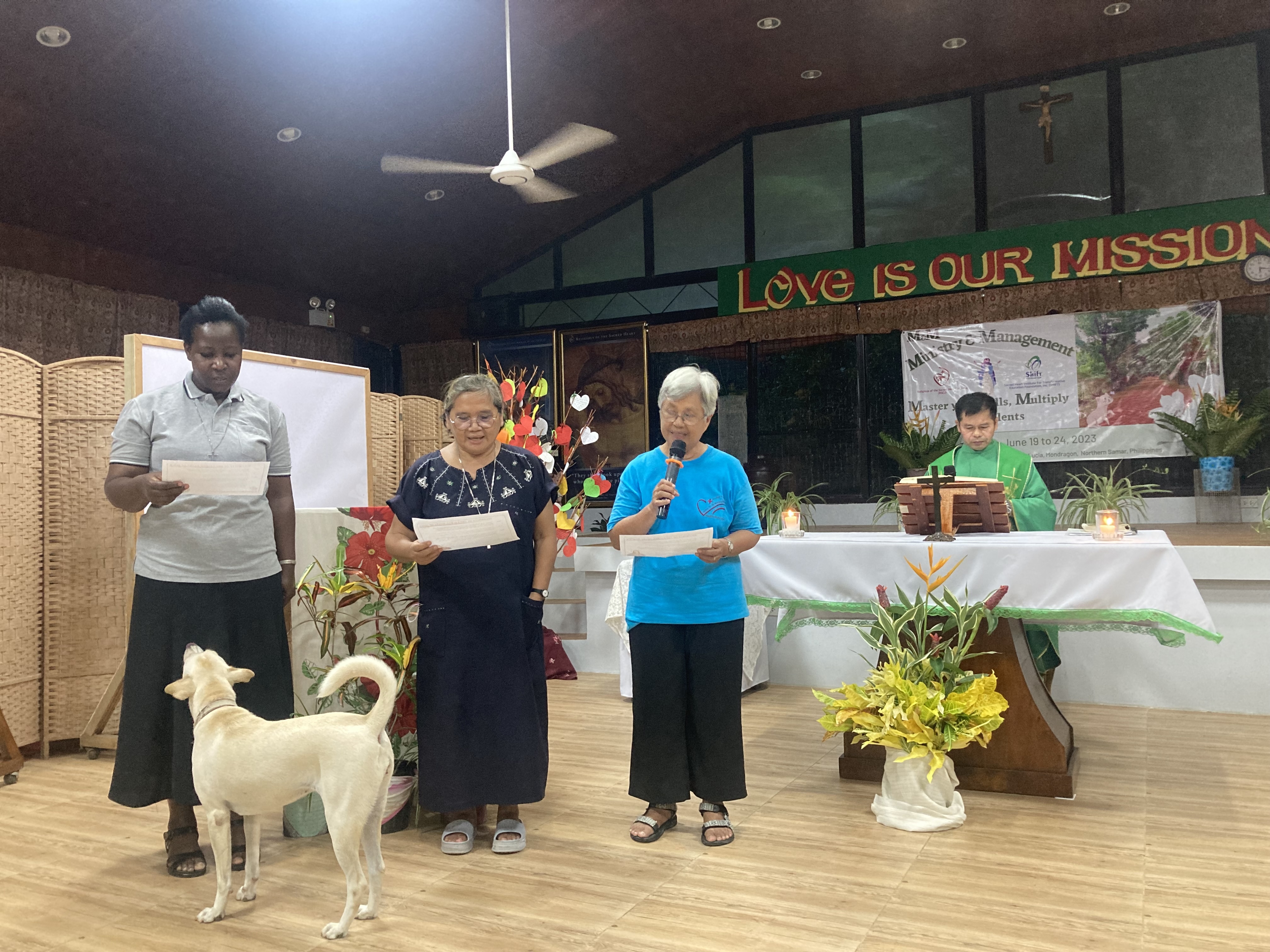
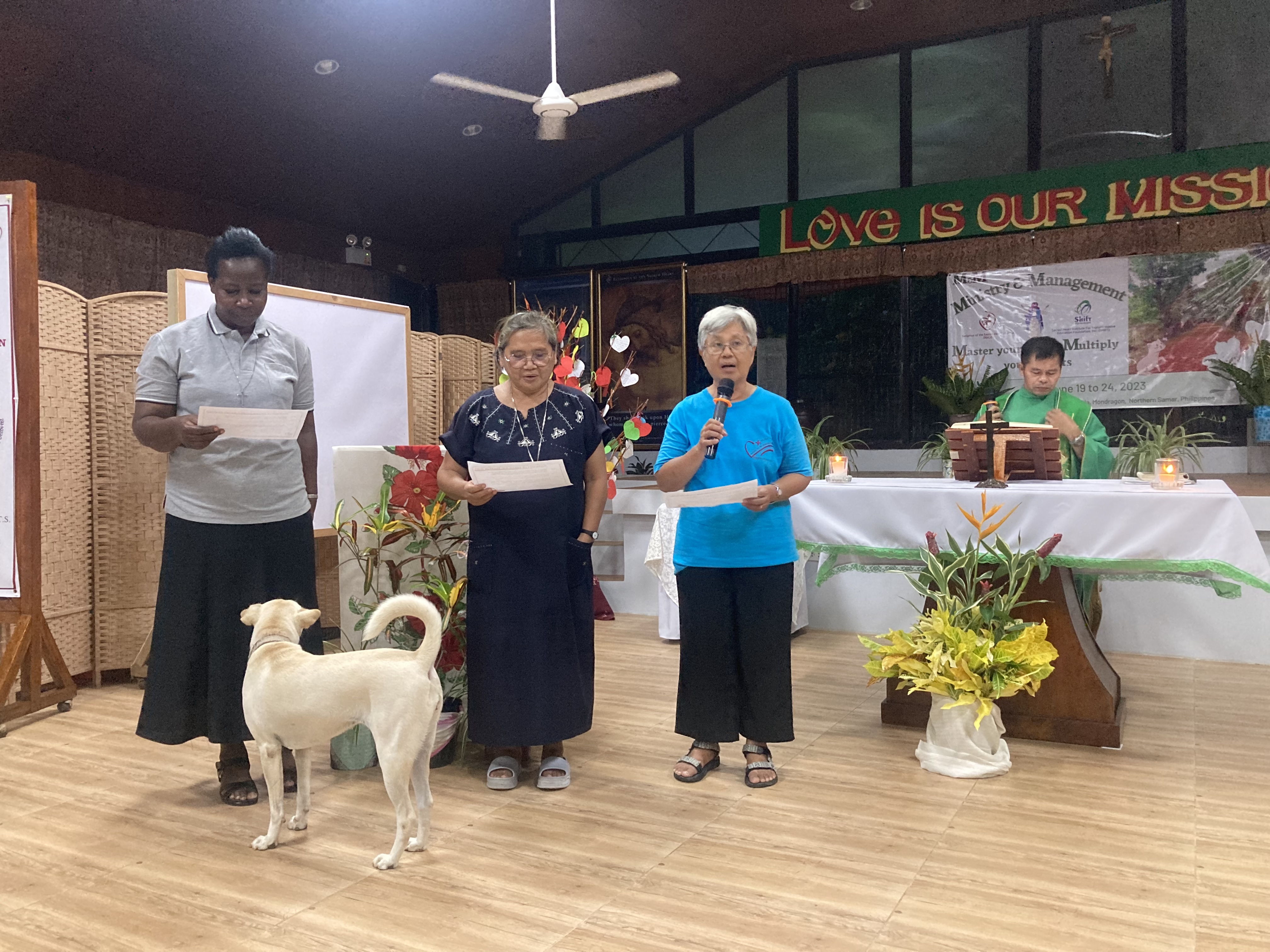
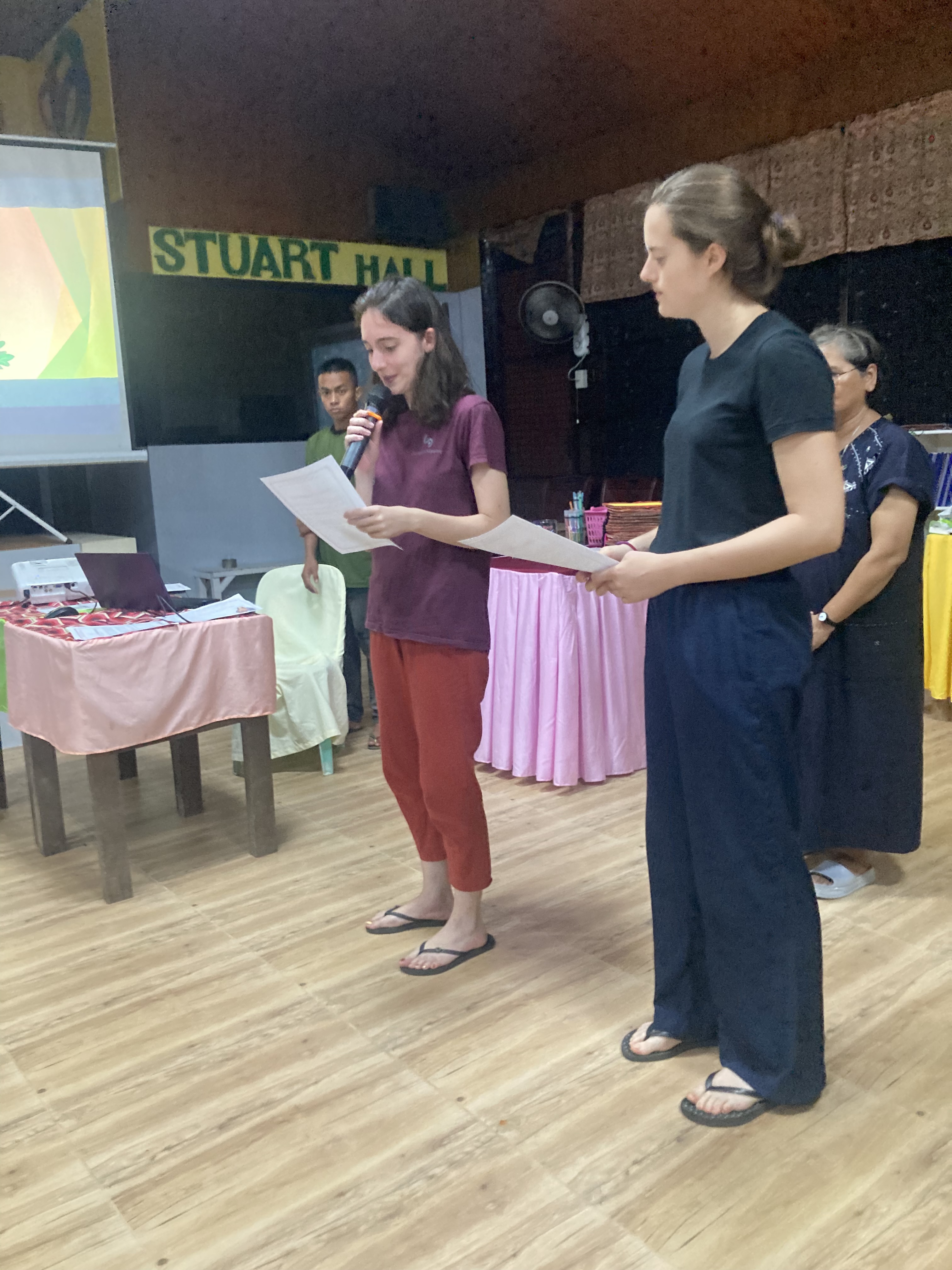
Auspiciously, we gathered around the time of the Feast of the Sacred Heart. At the opening liturgy, participants and facilitators witnessed the renewal of vows of the following RSCJ sisters: Lydia Collado (Executive Director of SHIFT), Digna Dacanay (Chair, SHIFT Board of Trustees; to be assigned to Vietnam starting August 2023) and Mercy Amalemba (RSCJ-in-formation based in Kenya). Mission Partners, including the farm’s staff, scholars-in-residence and international volunteers, then declared their statement of commitment in the representative languages of the cohort: Tagalog, Ninorte Samarnon (indigenous language of Northern Samar), Bisaya (indigenous language of the central Philippine region), French and English.

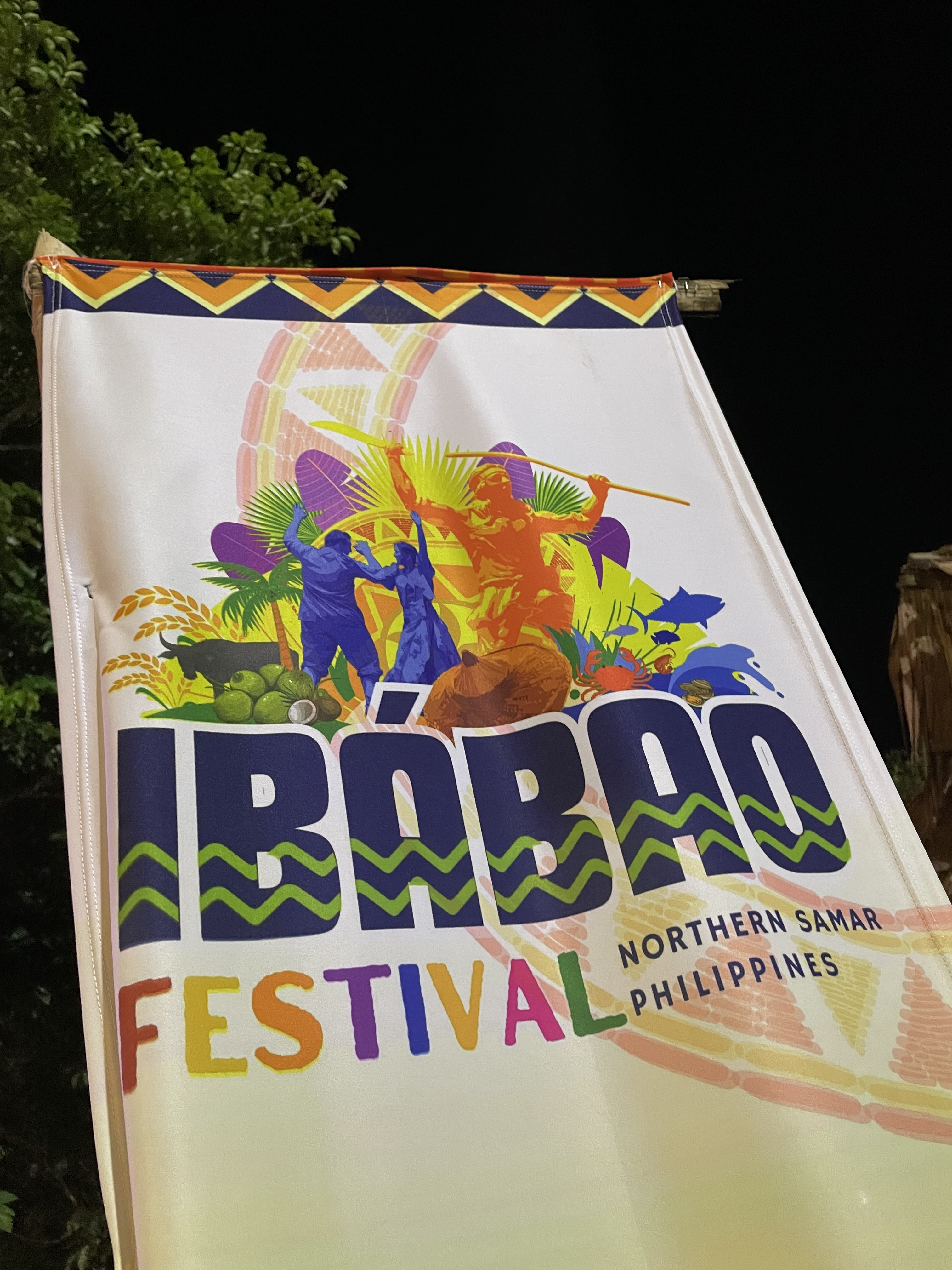
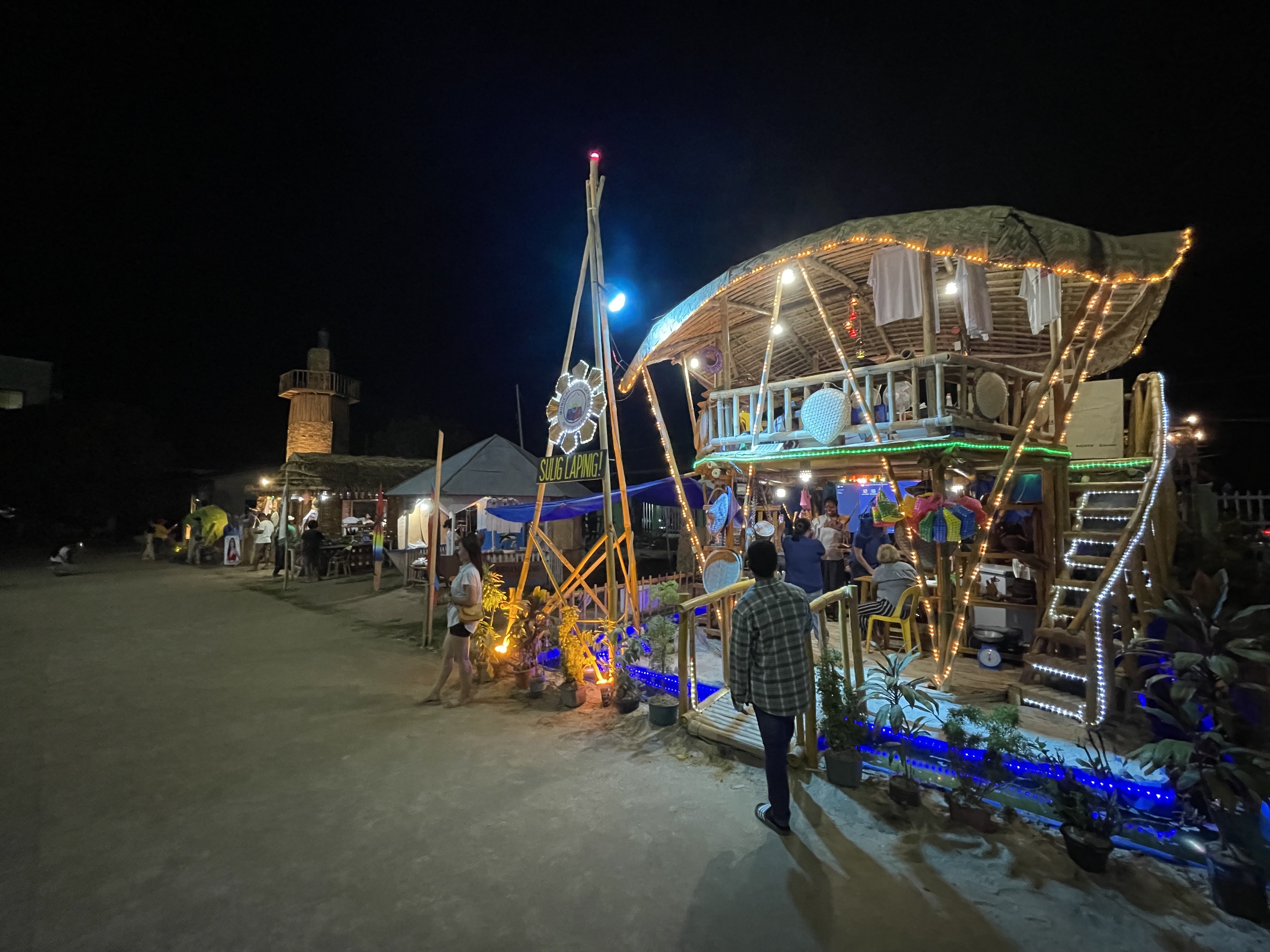
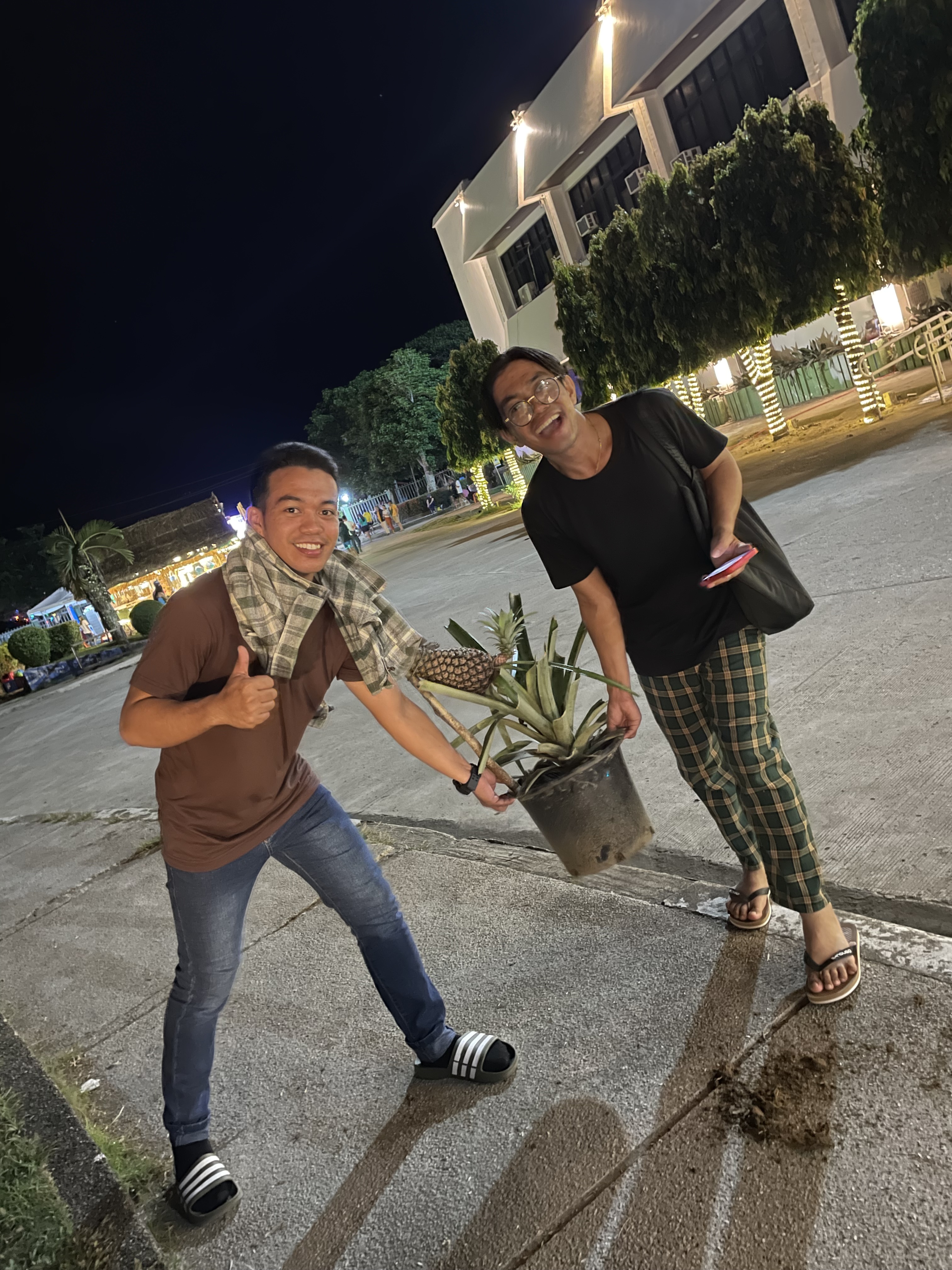
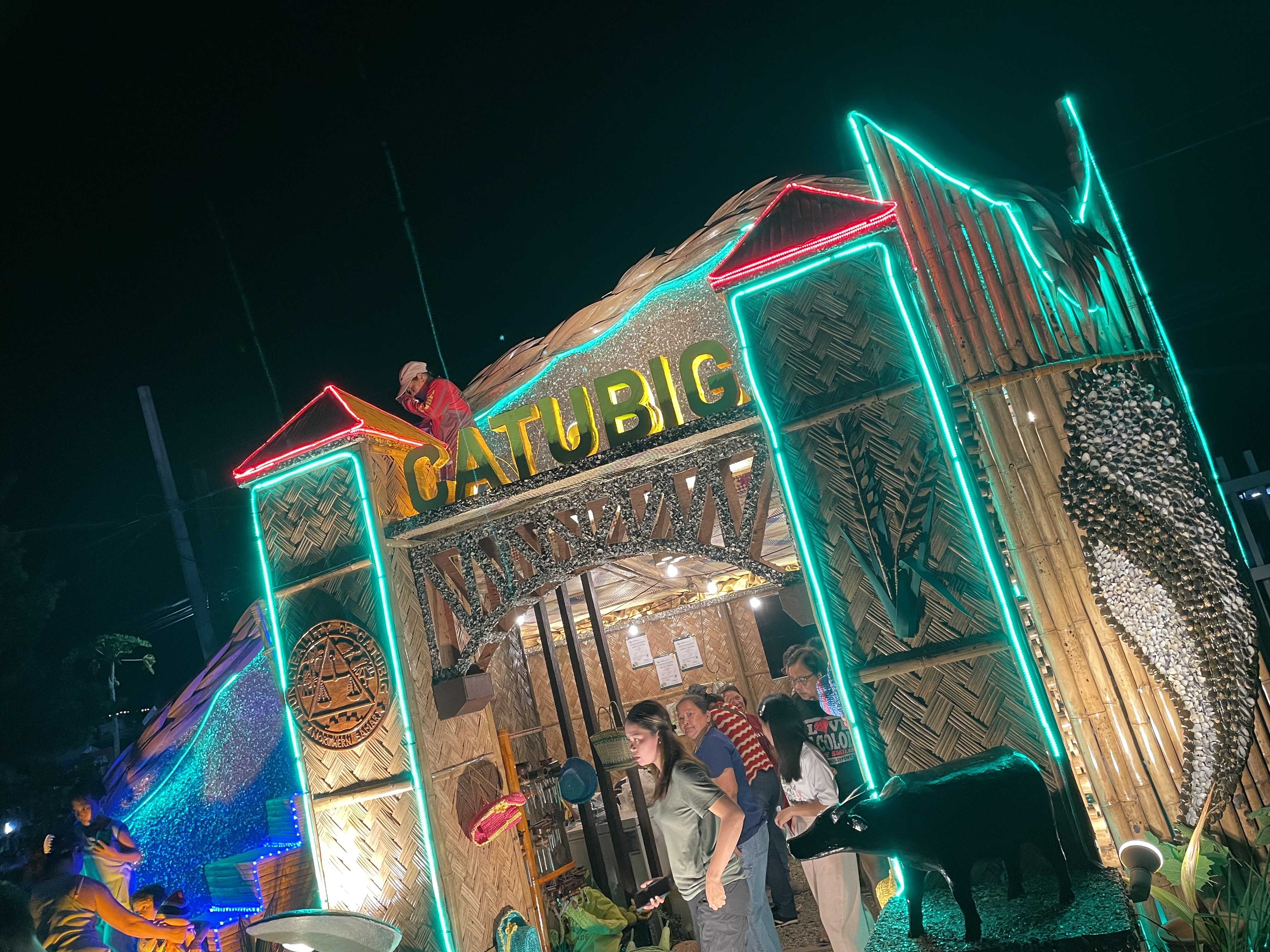
We concluded the evening with a visit to the provincial capitol building of Catarman, Northern Samar. The annual Ibabao Festival featured crafts, produce and industries of every village in the province. The proliferation of lights piercing through the rural evening sky lent a feeling of “Christmas” to those who went. 

Photos By Dr. Michael Campos, High School Religion, Theology and Spirituality Faculty

Sophie’s Farm Summer Institute | Introduction

By Dr. Michael Campos, High School Religion, Theology and Spirituality Faculty

Summer Institute 2023
Sacred Heart Institute for Transformative Education (SHIFT)
Sophie’s Farm, Northern Samar

The Summer Institute is a formation program offered through the Sacred Heart Institute for Transformative Education Foundation (SHIFT). Hosted by Sophie’s Farm in Samar, far away from the bustle of Manila, the Institute offers participants an expansive space to step “outside” work and ordinary time to reimagine emerging needs in their ministries. Three weeklong seminars comprise the Institute: Retreat & Recollection-GivingMinistry & Management and Spirituality & Service.

Sr. Lydia M. Collado, RSCJ, SHIFT Executive Director, envisioned the Institute as a platform to support the formation of local and national leaders working in churches, government and private organizations. While lessons in practical skills are offered, the Institute aspires to “empower participants to undergo creation of new experiences, leading to conversion [of] hearts, to ultimately live out their mission.” The RSCJ’s international network grounds the seminars in global conversations that deepen participants’ understanding of their contexts.

The Summer Institute is the result of an extensive collaboration between churches, government agencies, educational institutions and social service organizations. Sr. Lydia acknowledges the many hands that birthed the project to life, extending particular thanks to the following, without whose generosity the “miracles” of the first summer seminars would not have been possible:

  • The United States Mission Center
  • School of Theology and Ministry, Boston College, Chestnut Hill, Massachusetts
  • Convent & Stuart Hall, Schools of the Sacred Heart, San Francisco, California
  • Mission Partners
  • De La Salle University, Manila
  • Philippine Normal University
  • Diocese of Catarman
  • Archdiocese of Lingayen-Dagupan
  • Families, friends and the numerous anonymous mission partners who prayed and supported the 2023 Summer Institute from its inception.

The Philippines | Day 8

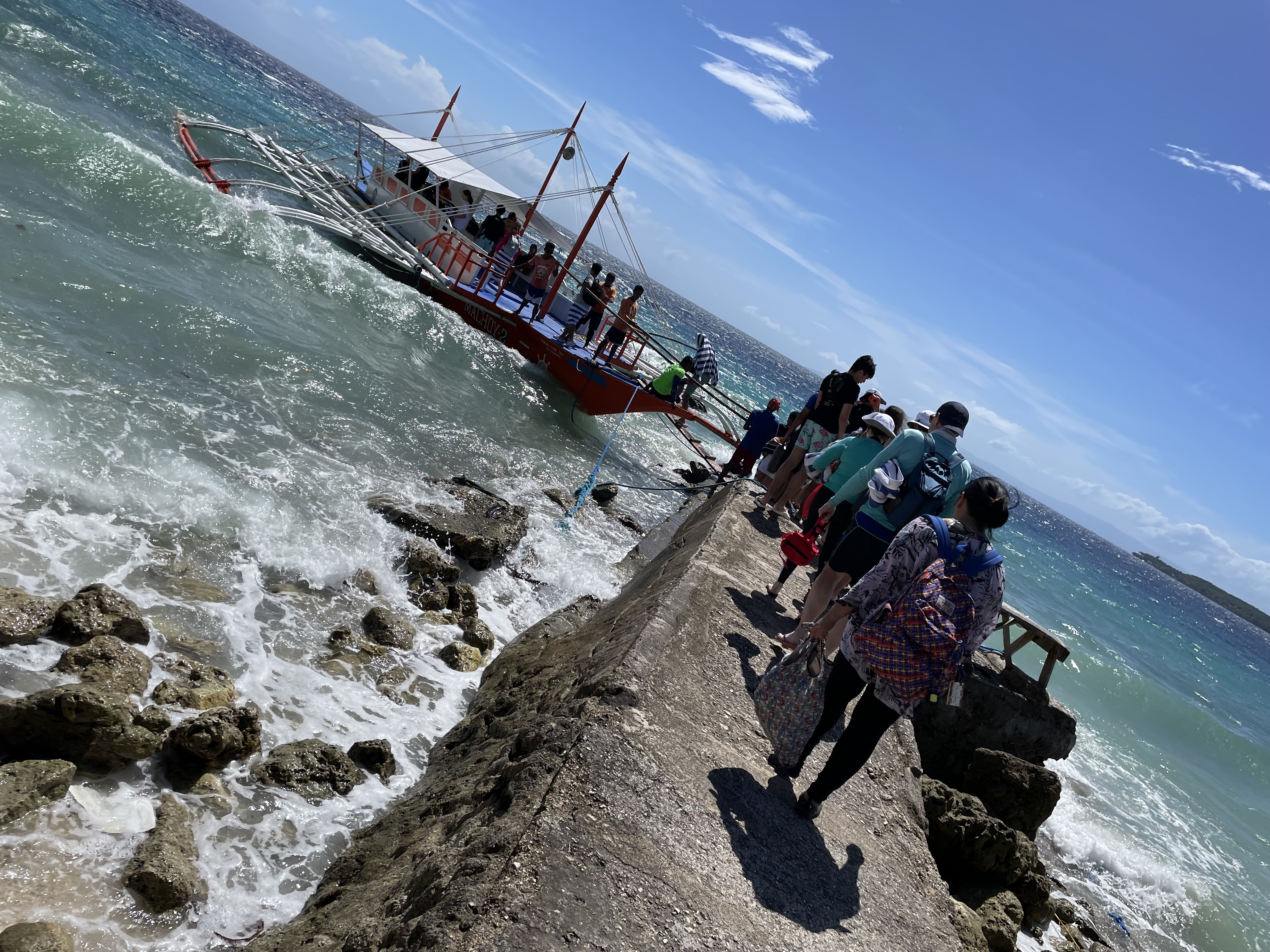
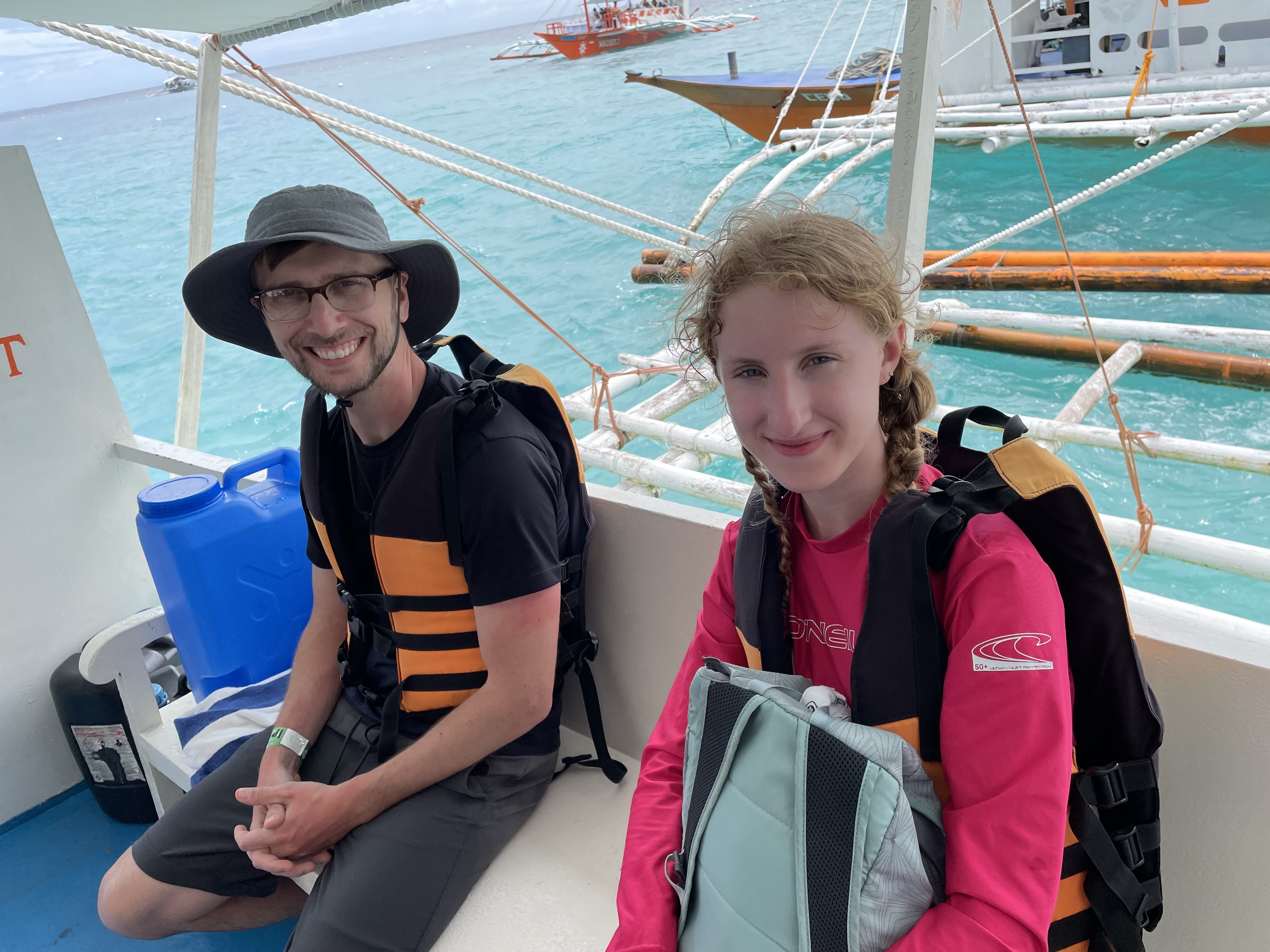
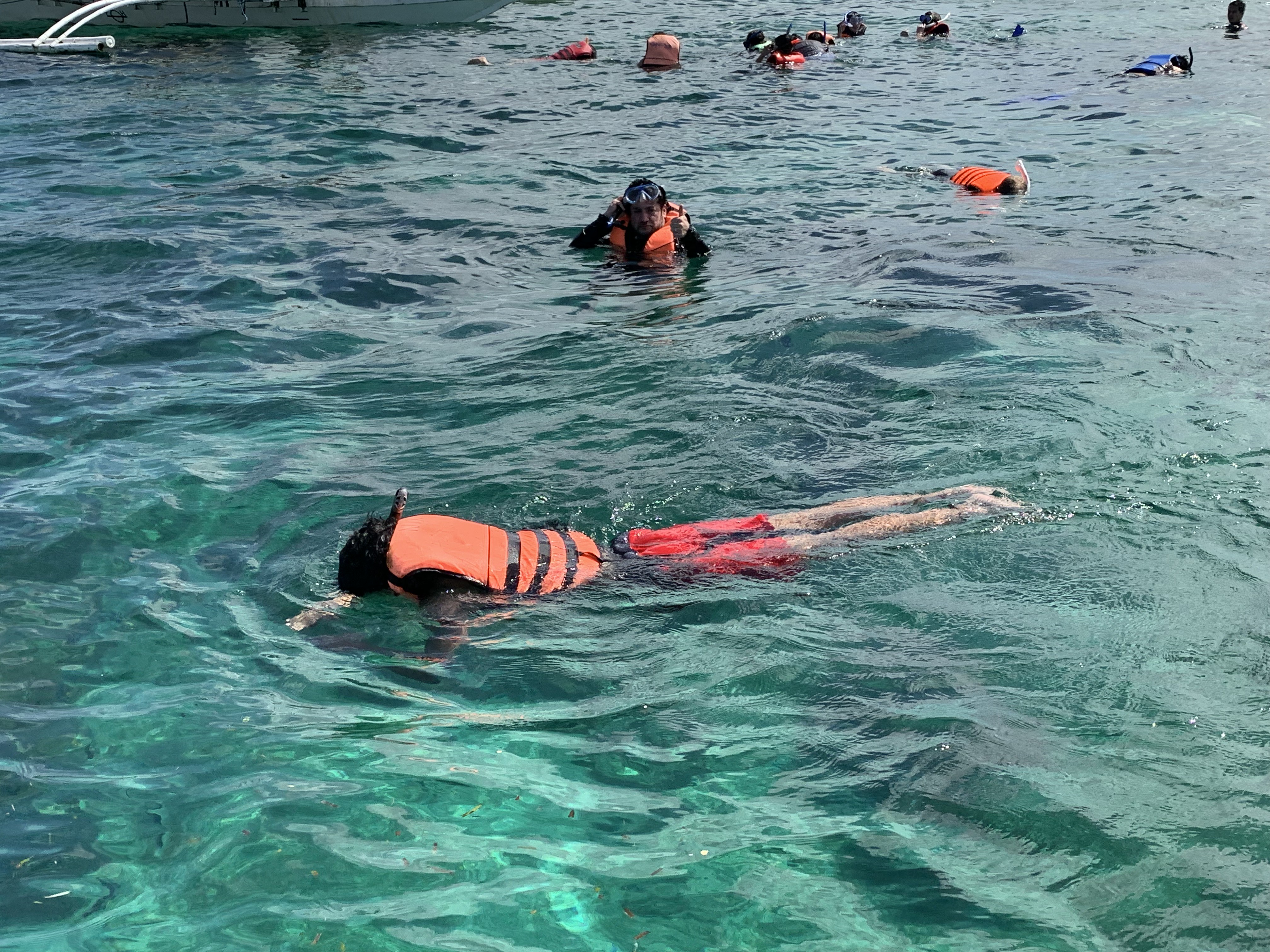
Today was an exhilarating day! We woke up at 3:30 am to beat the crowds and reach the whale shark location on time. The four-hour drive was tiring, but it was worth it. Unfortunately, even with our early start, we found ourselves surrounded by crowds of both locals and tourists. After a couple of hours of waiting, we grew restless and frustrated. However, as soon as our names were called and we got into the water with the whale sharks, all our irritations vanished. The whale sharks were breathtaking, swimming right beside us and even playfully slapping us with their fins. We were lucky enough to have ten or more up-close and personal encounters with these magnificent creatures. It was undoubtedly the highlight of our trip. 

Photos by Dr. Michael Campos, Religion, Theology & Spirituality, Faculty and Rena Franco, Accounts Payable Specialist

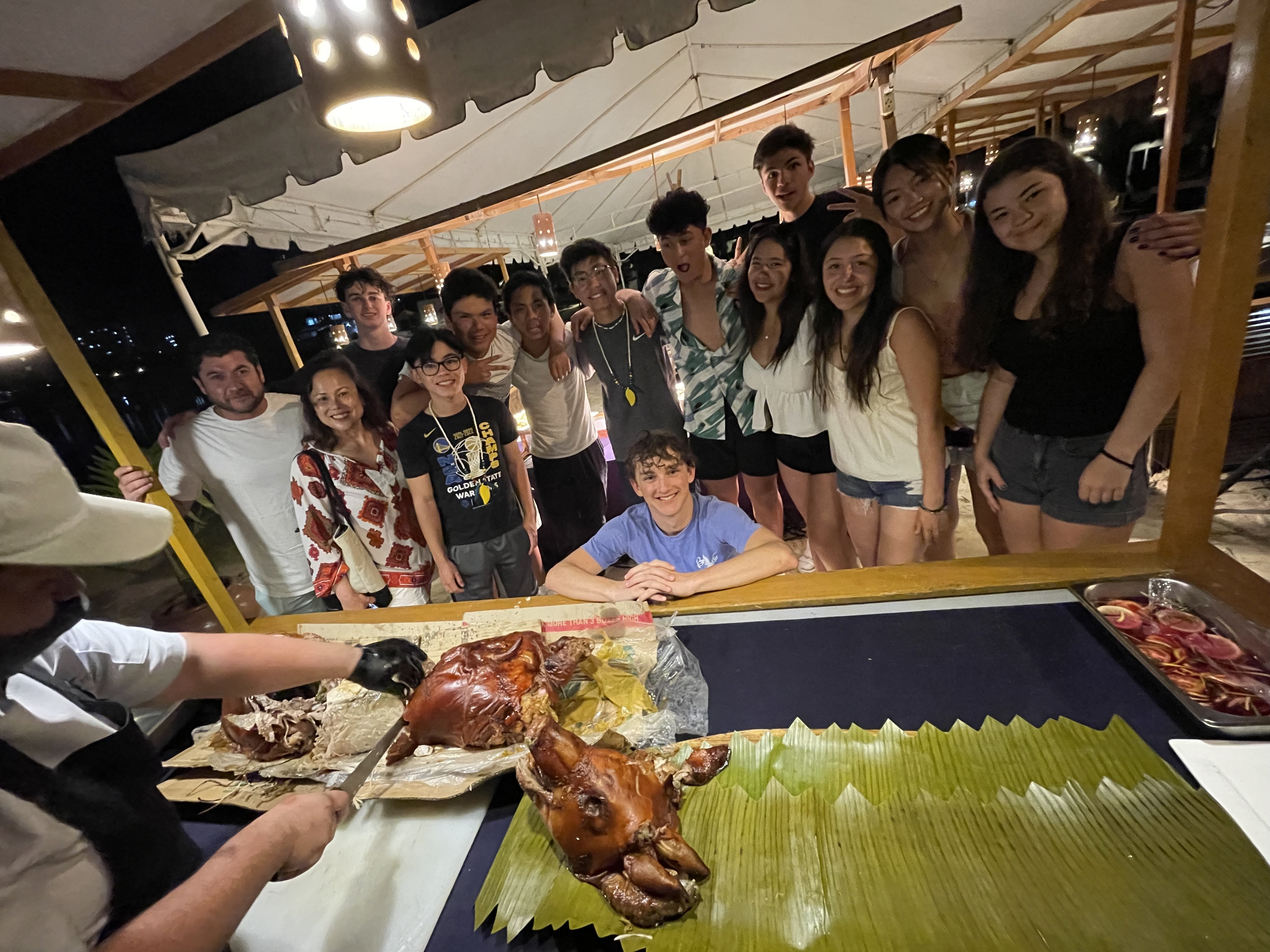
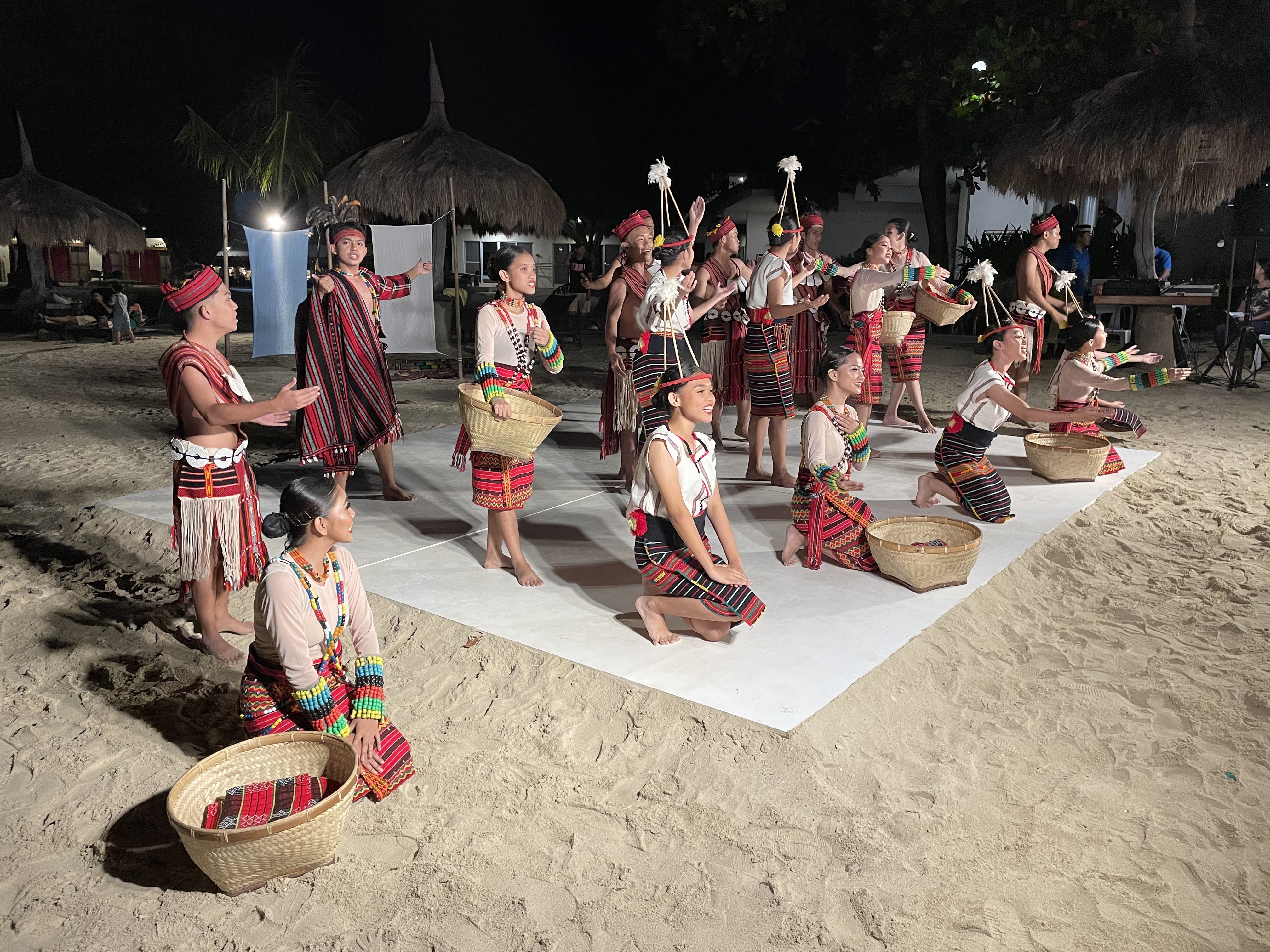
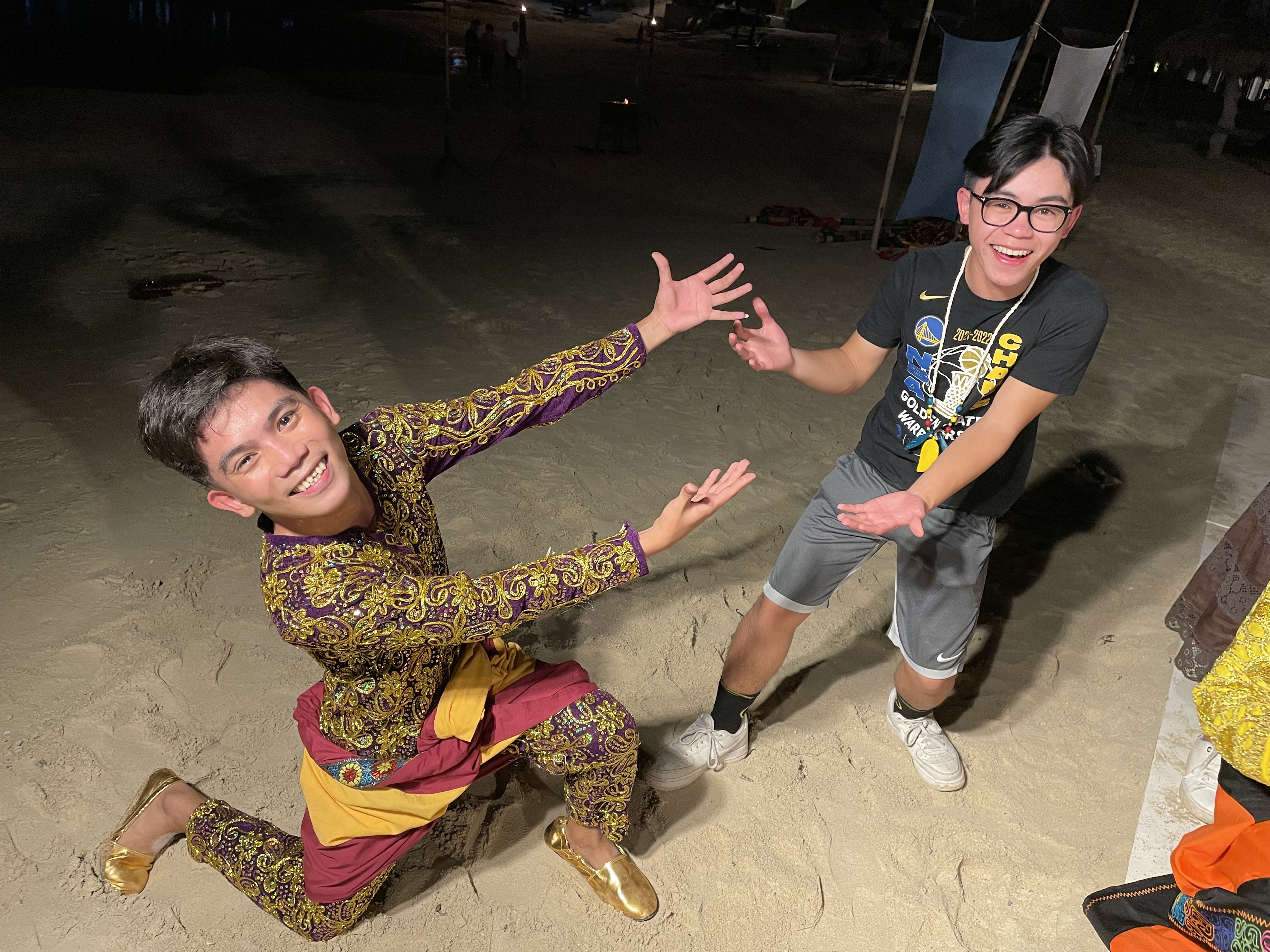
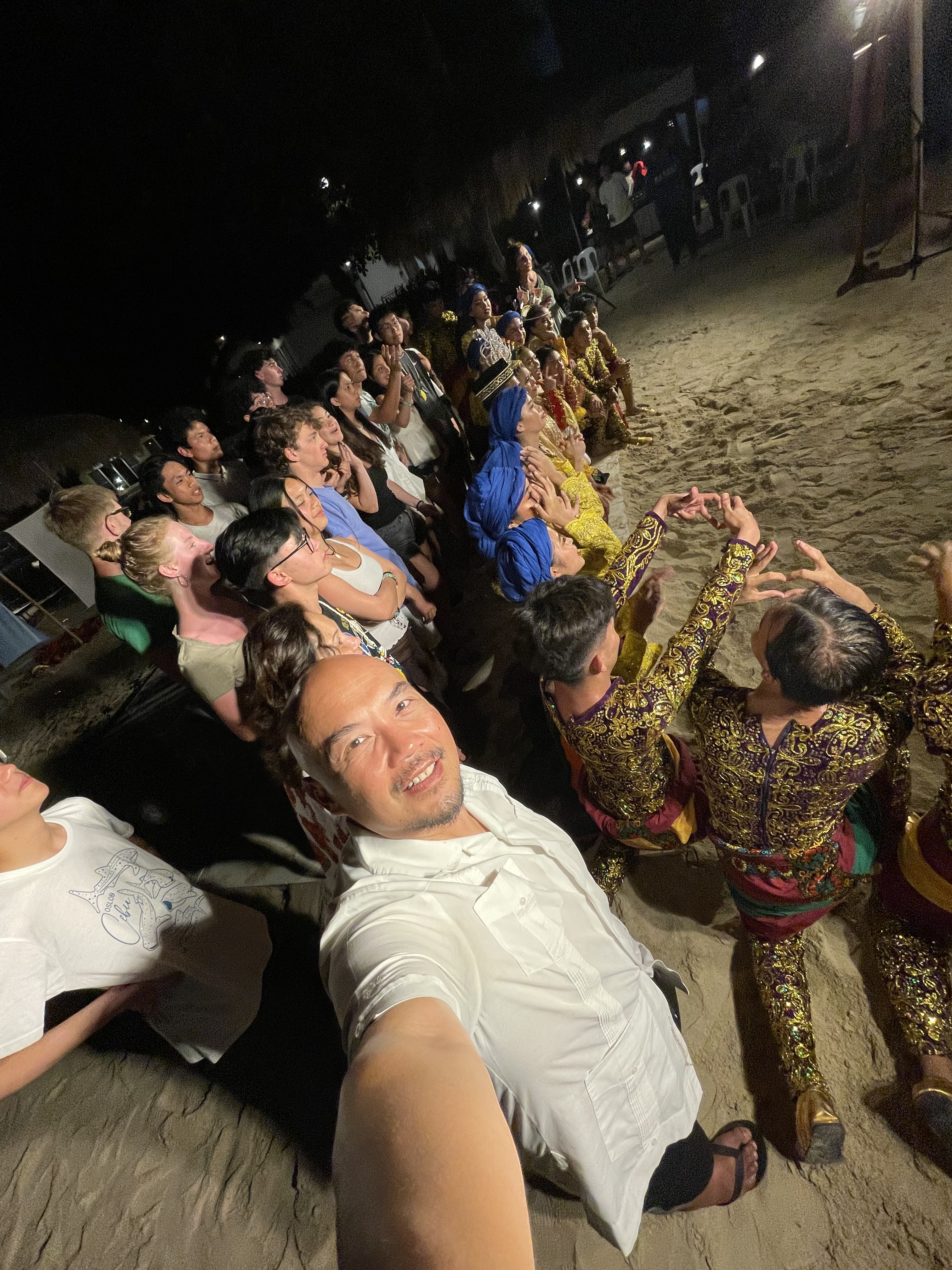
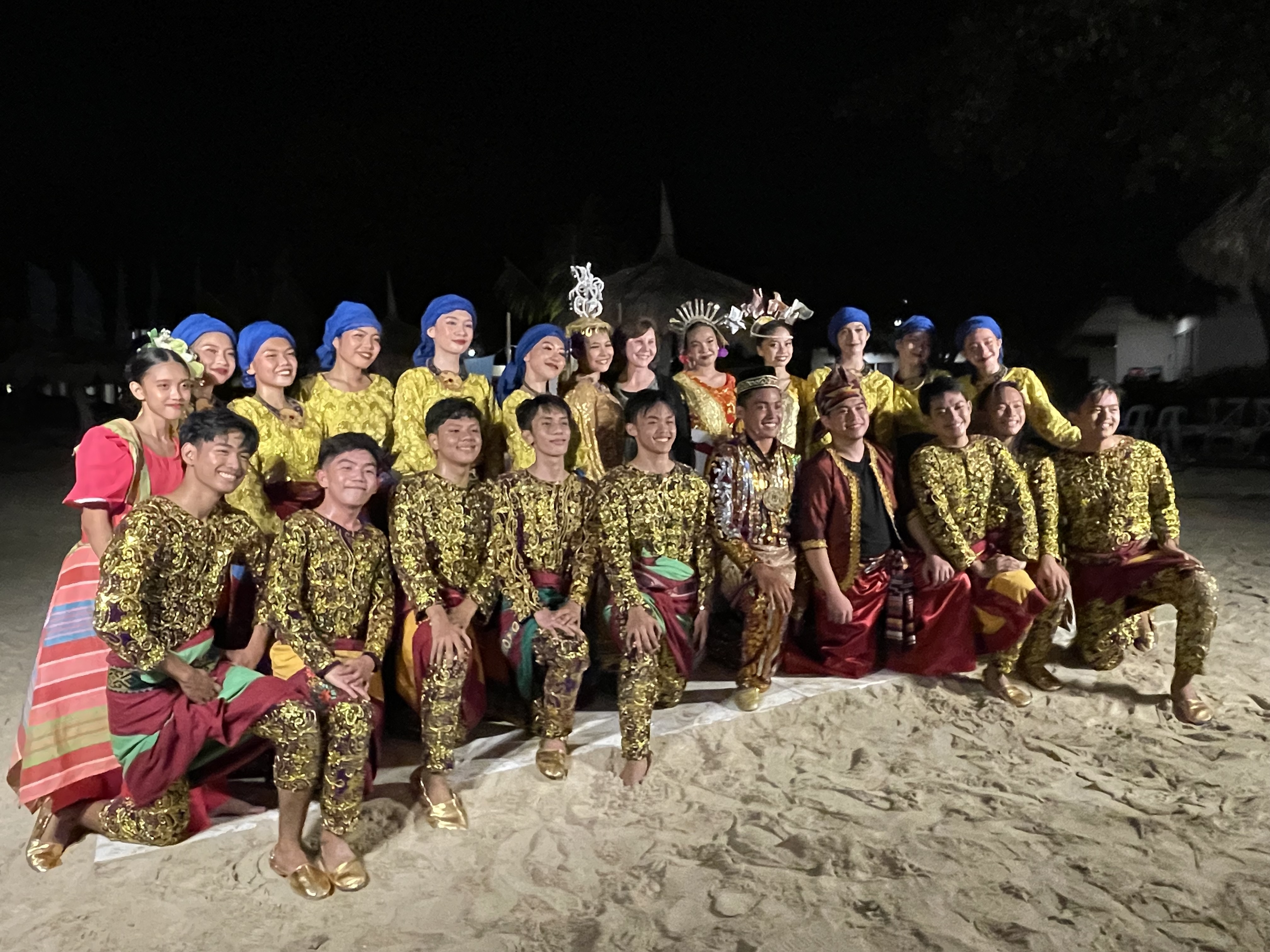
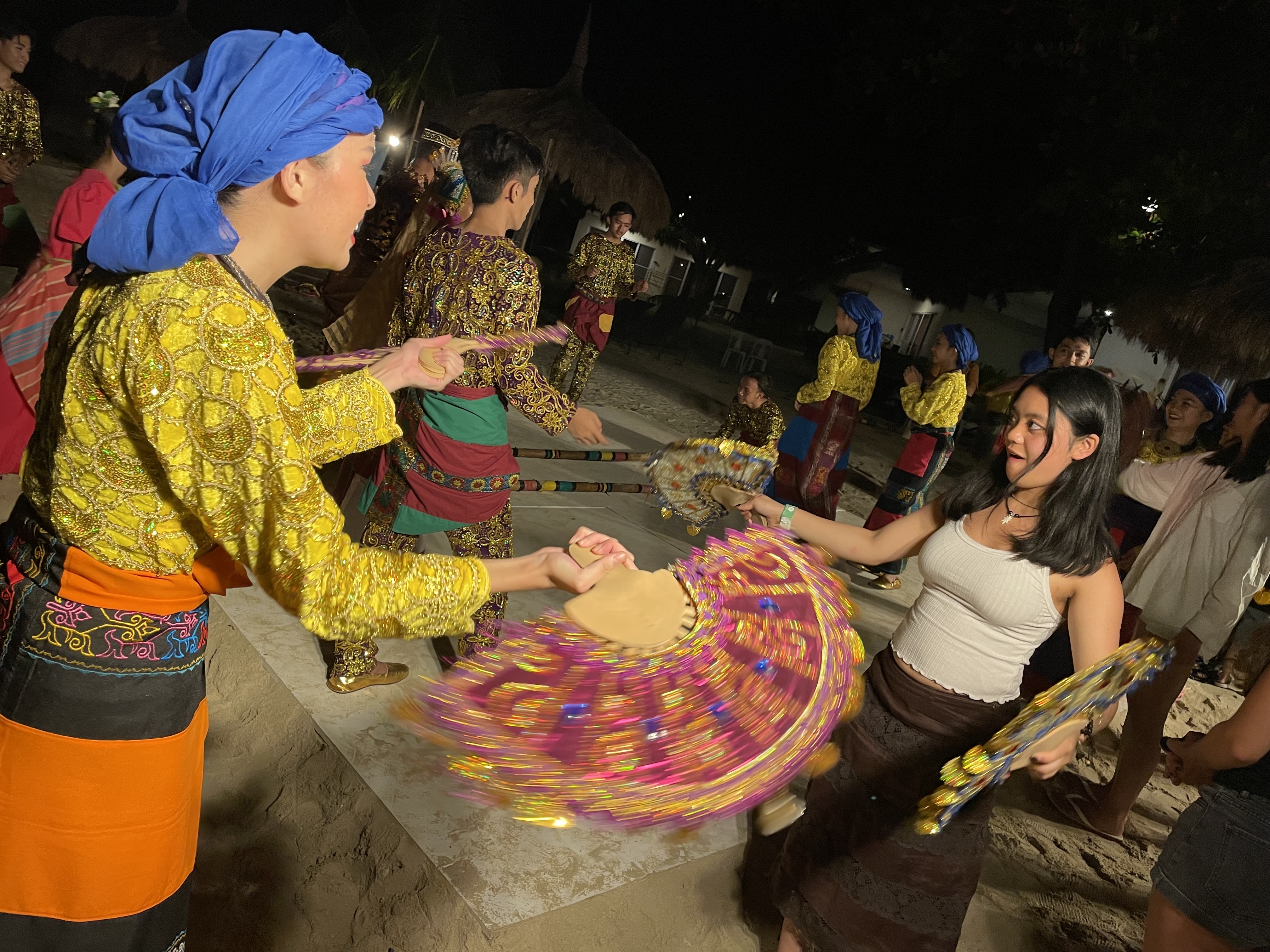
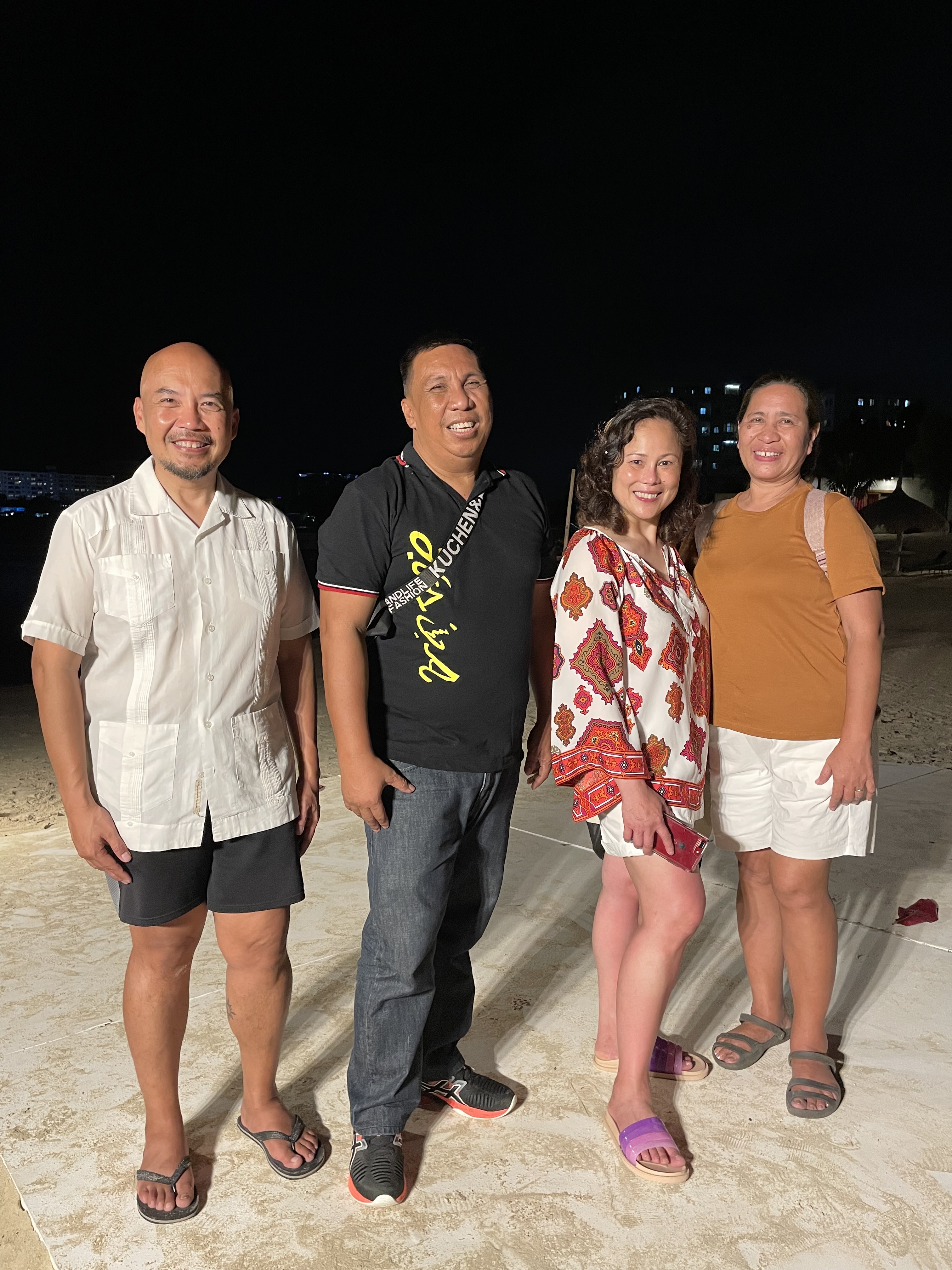
On our way back to the hotel, we got stuck in traffic, a common occurrence in the Philippines. However, we didn’t let it dampen our spirits. We made a few pit stops to check out some local CRs before finally arriving back at the hotel around 7 pm. We had dinner on the beach, and it was a feast! The variety of delicious food and desserts was overwhelming. Moreover, we had the pleasure of watching a performance of traditional Philippine dances. In the end, the performers invited us to join them in singing, dancing, and chatting the night away. It was a fantastic way to bring our trip to a close.
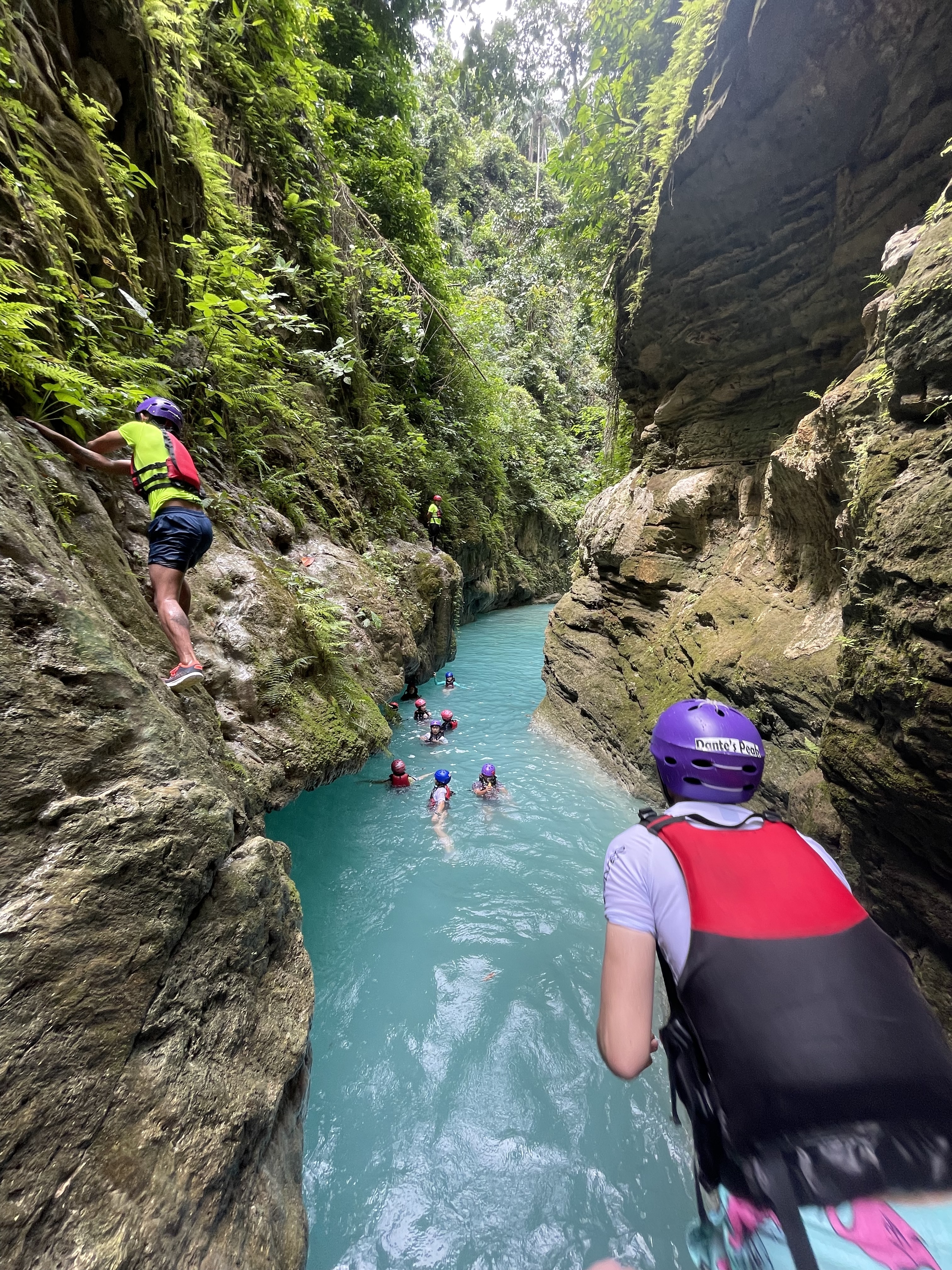
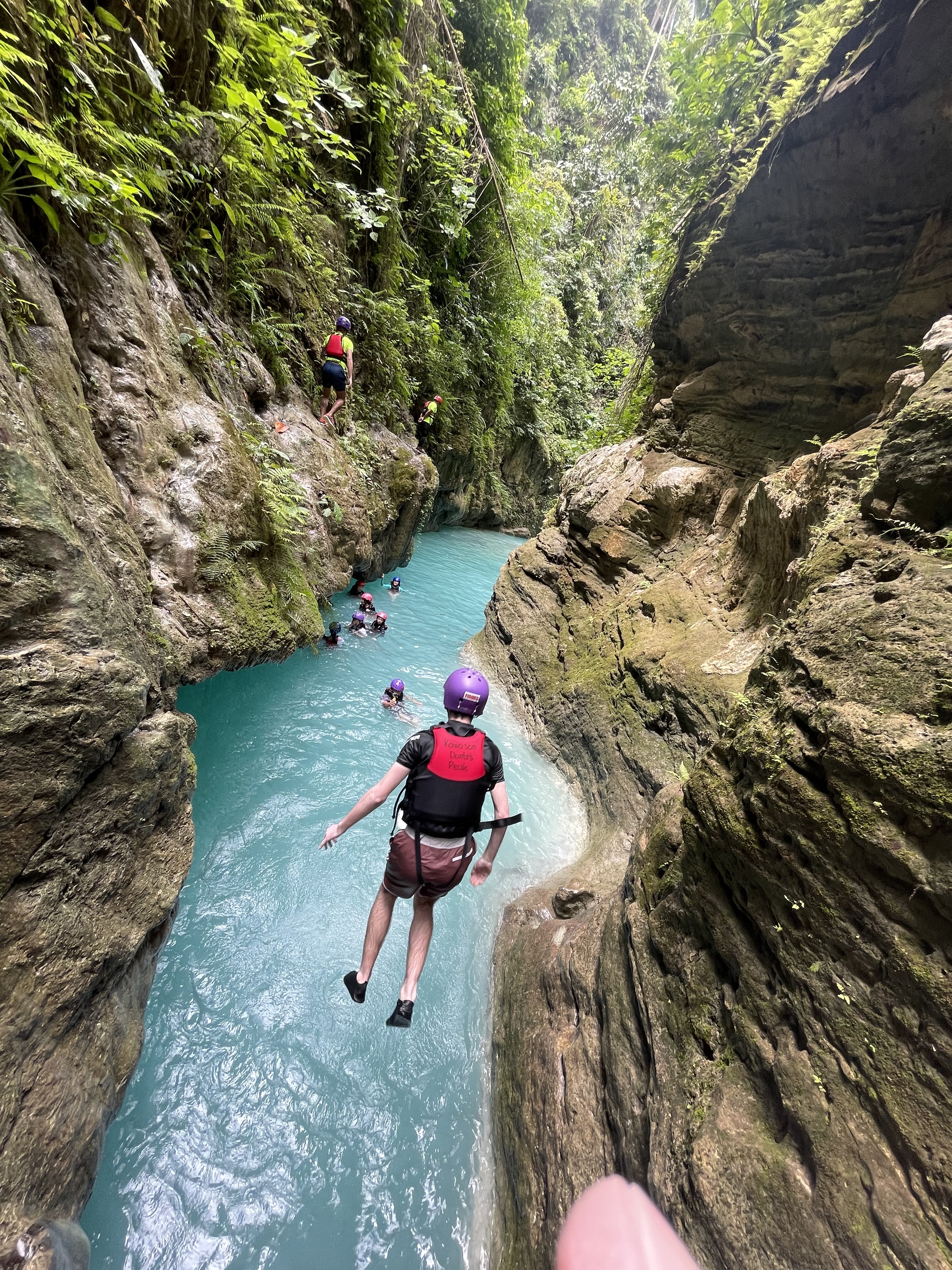
Photos by Dr. Michael Campos, Religion, Theology & Spirituality, Faculty and Rena Franco, Accounts Payable Specialist

The Philippines | Day 6

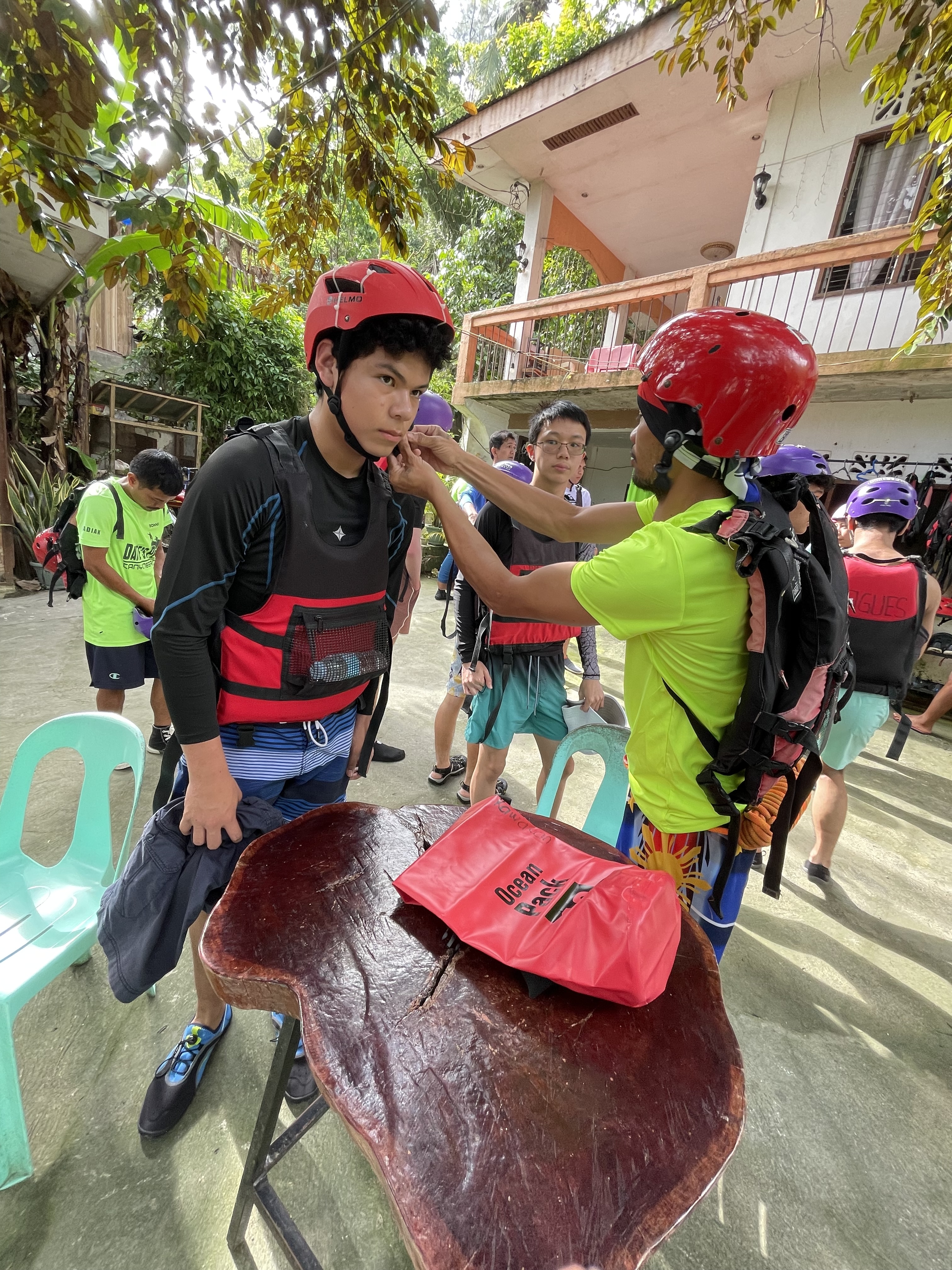
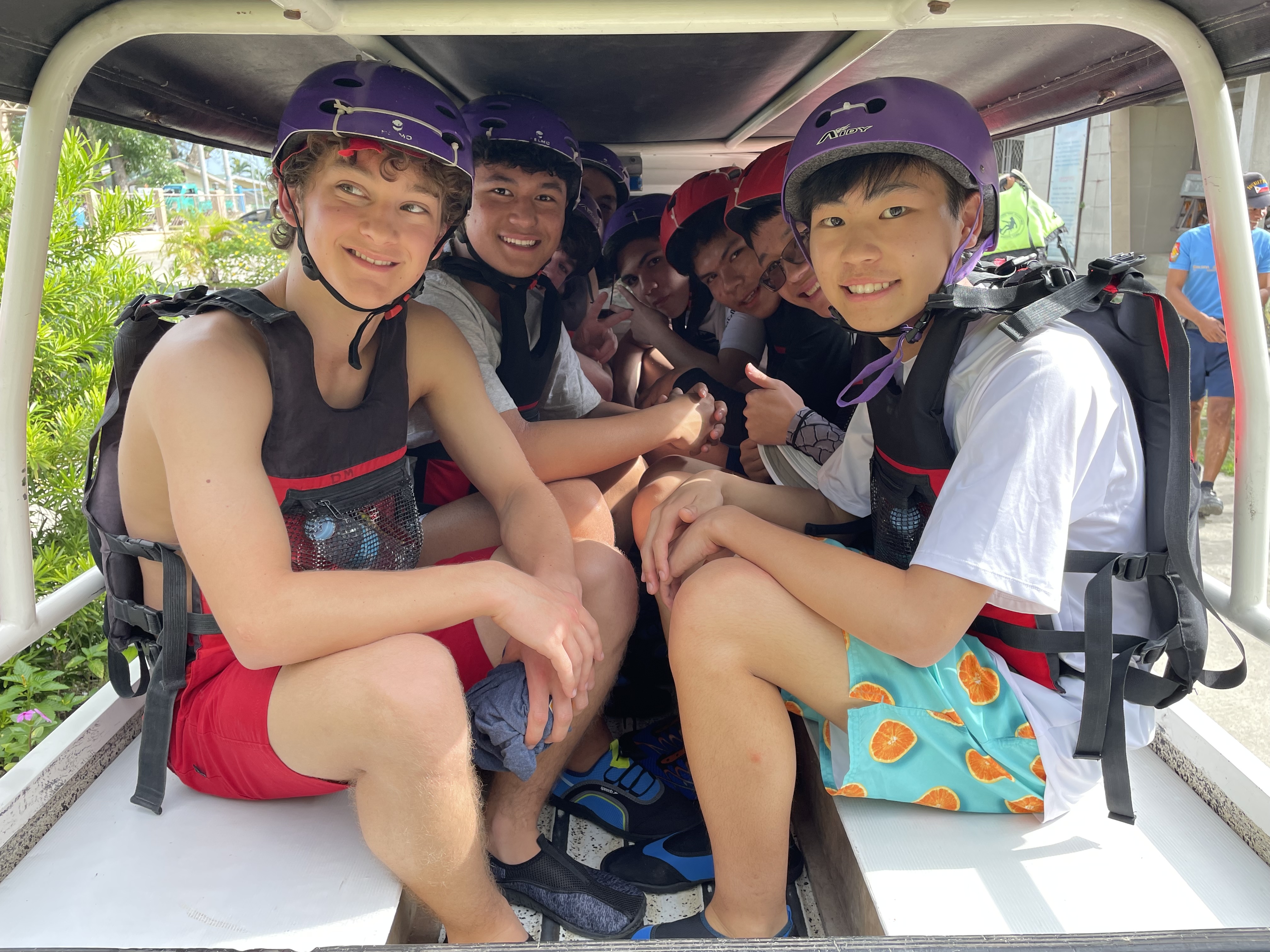
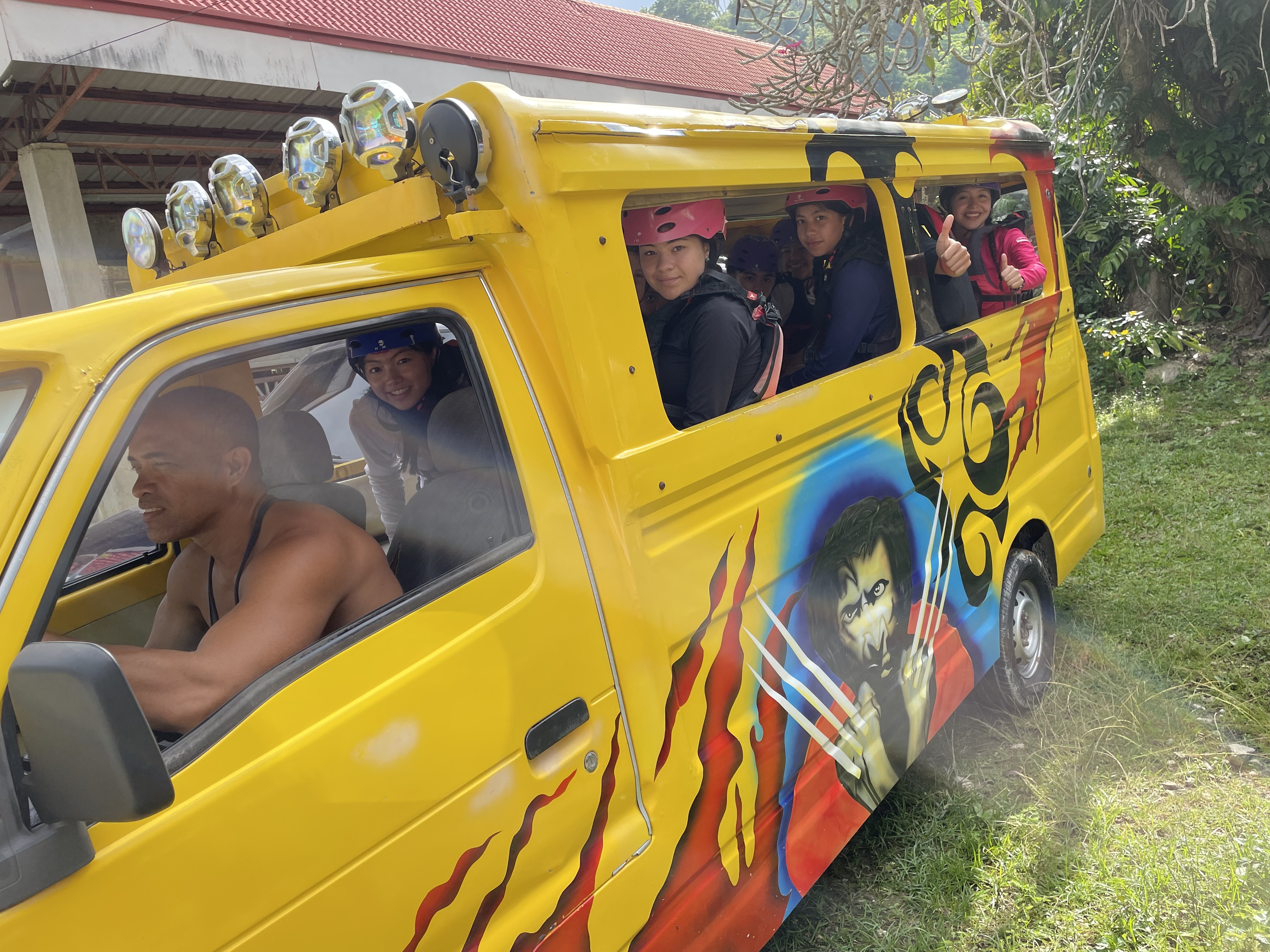
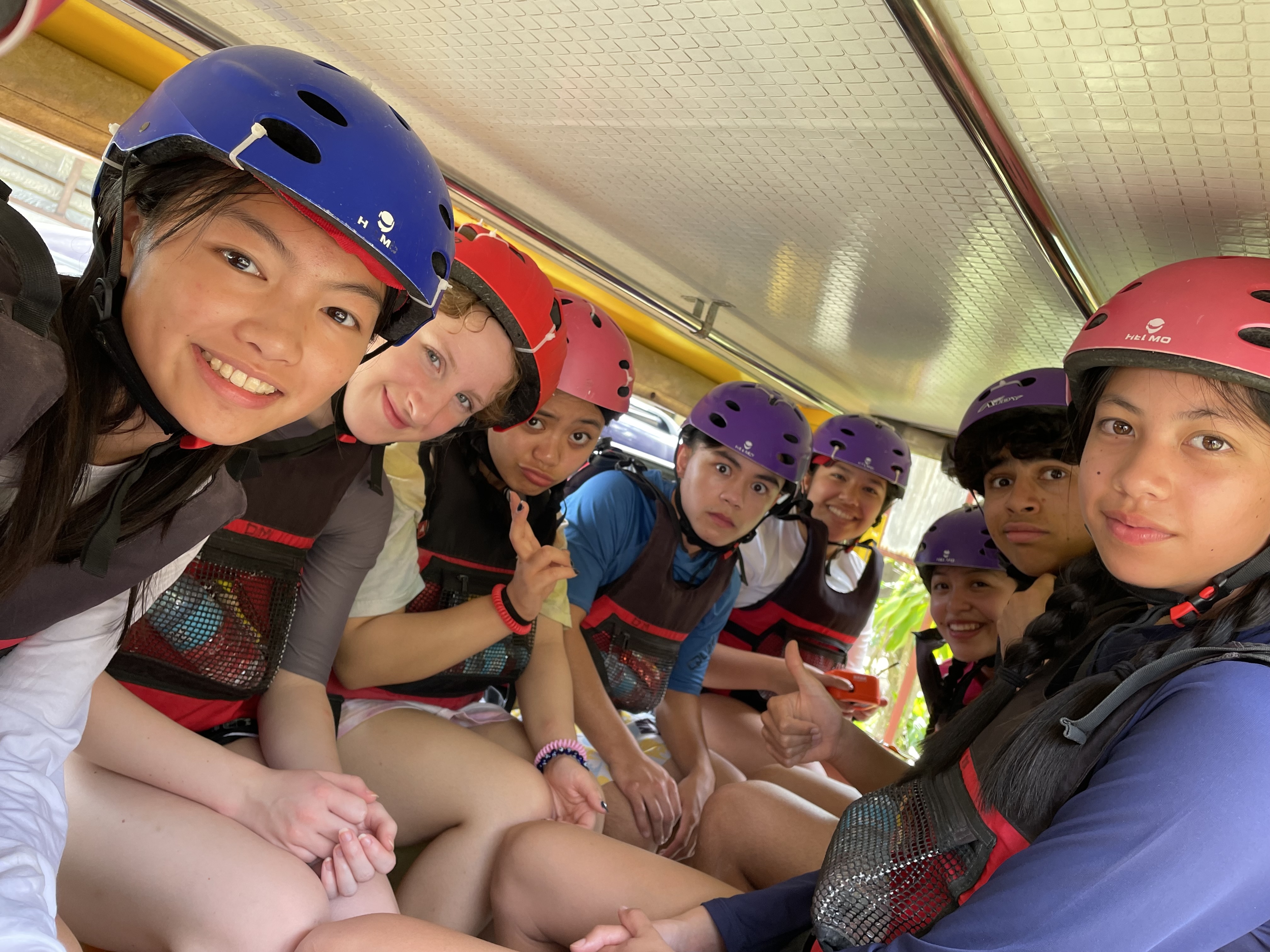
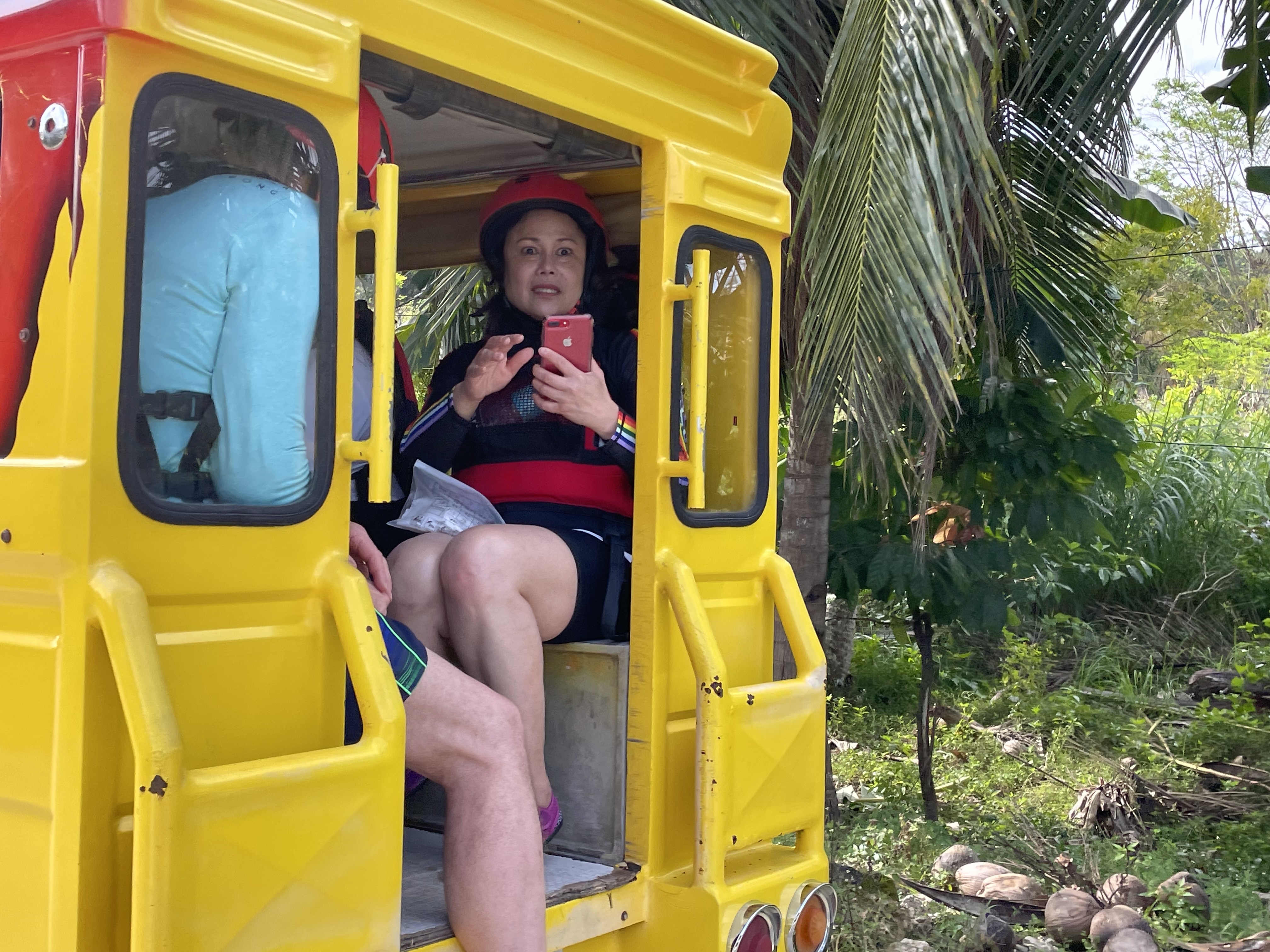
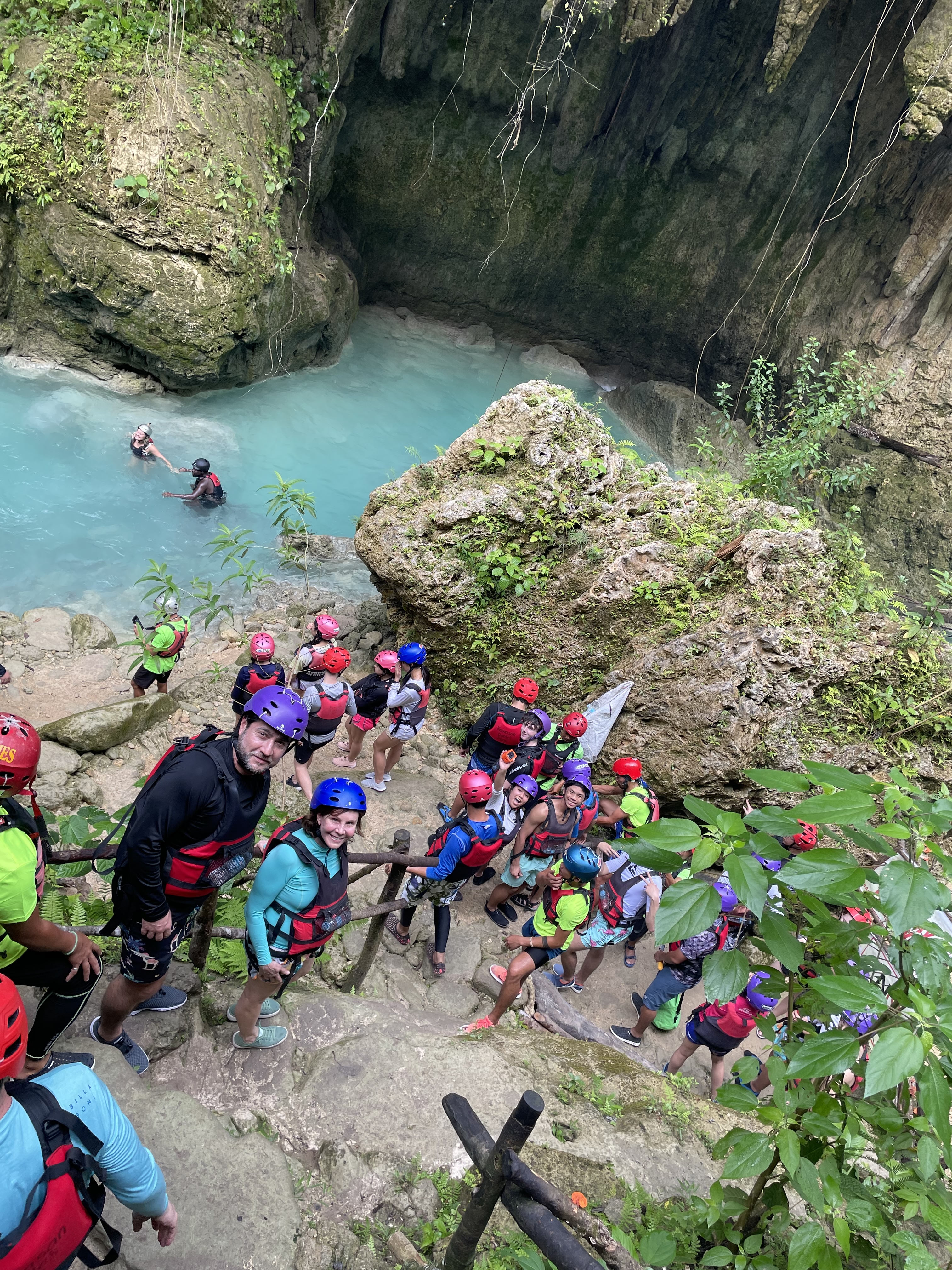
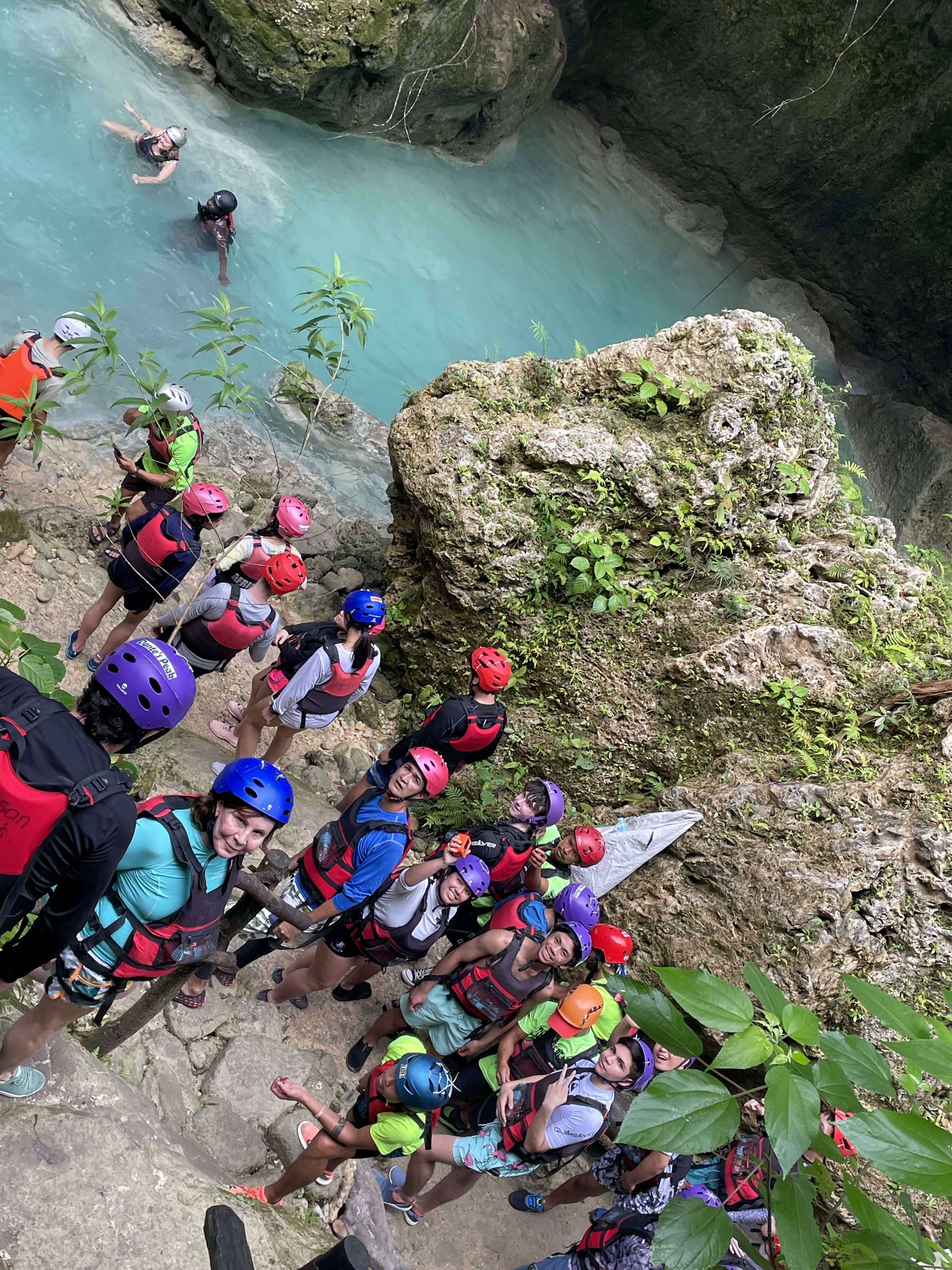
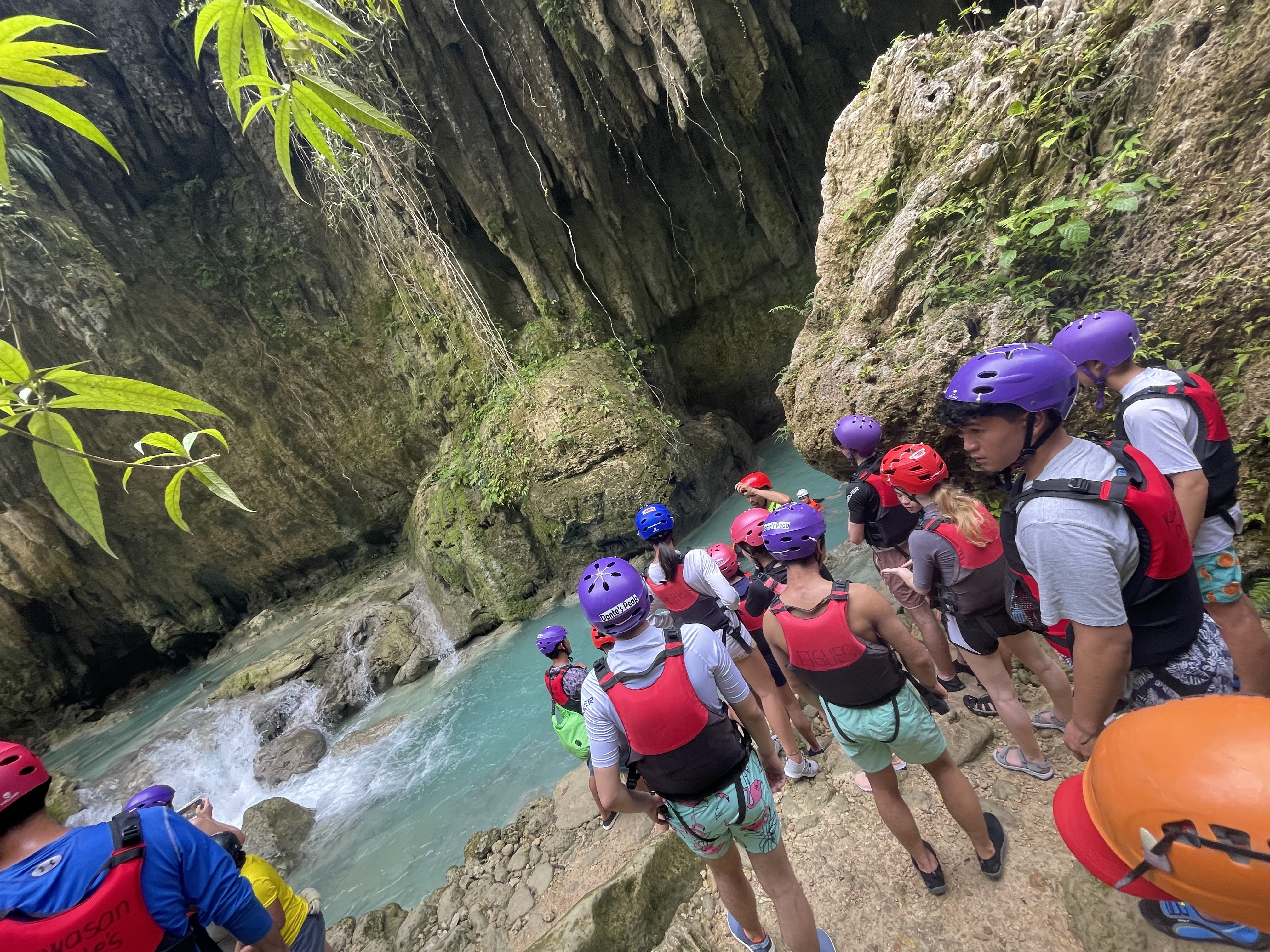
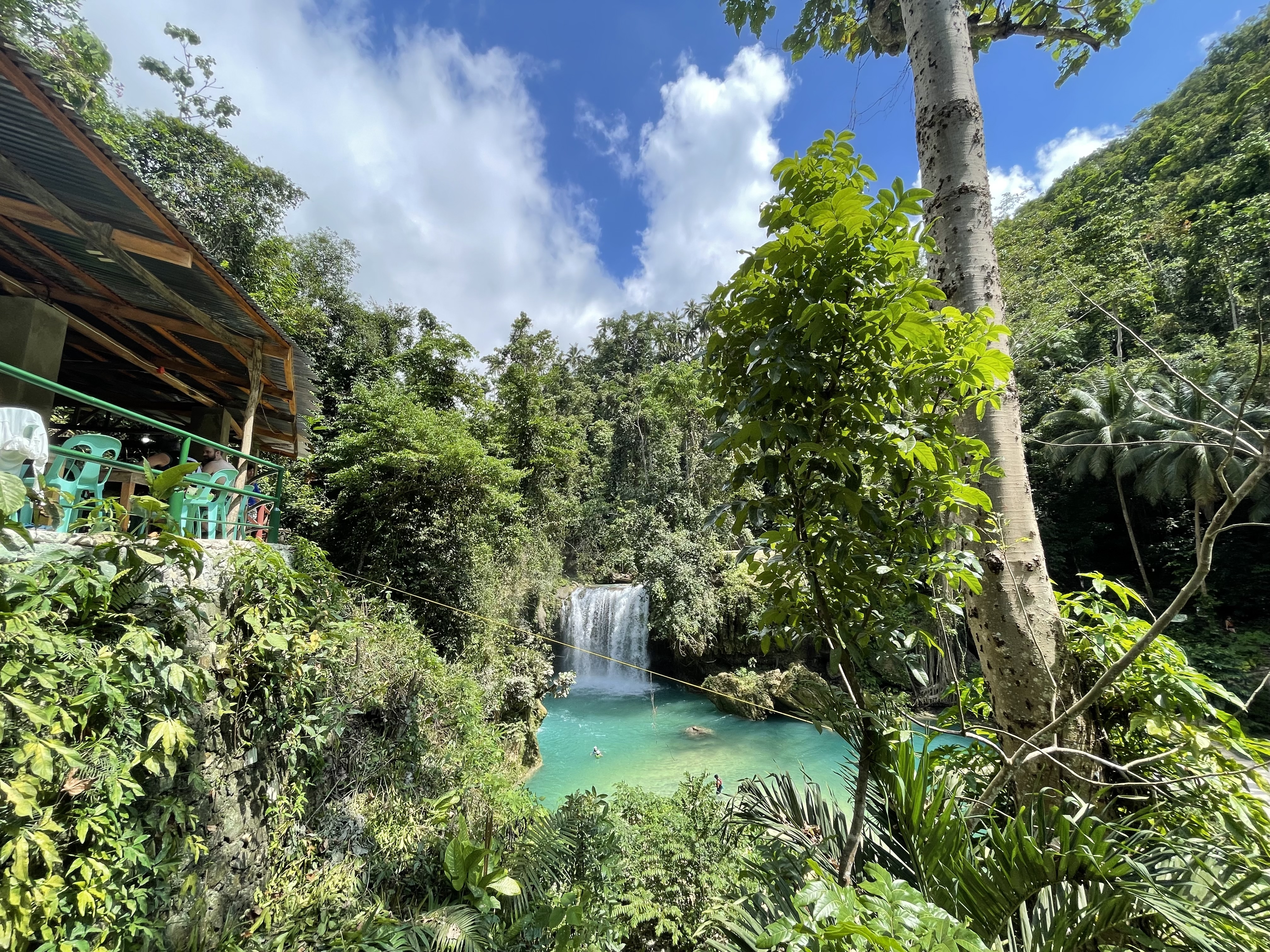
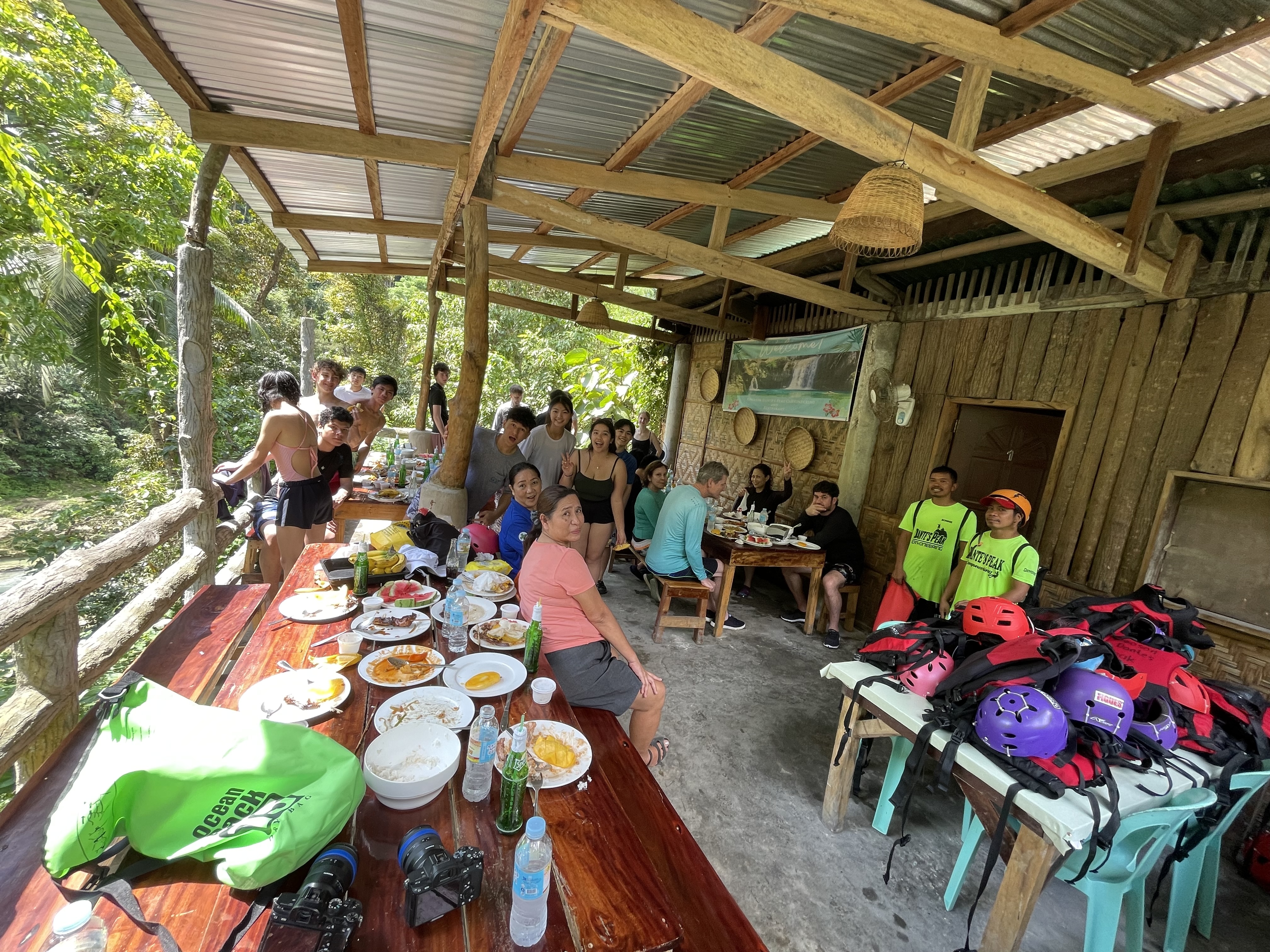
We woke up at 4:30 in the morning and left the Blue Water Hotel at 5:00. We had an assortment of breads for breakfast which we ate during our three hour long bus ride before we arrived at our first activity: canyoneering. Upon arrival, we were given life vests and helmets and then took a truck to the top of the mountain.

Photos by Dr. Michael Campos, Religion, Theology & Spirituality, Faculty

The Philippines | Day 5

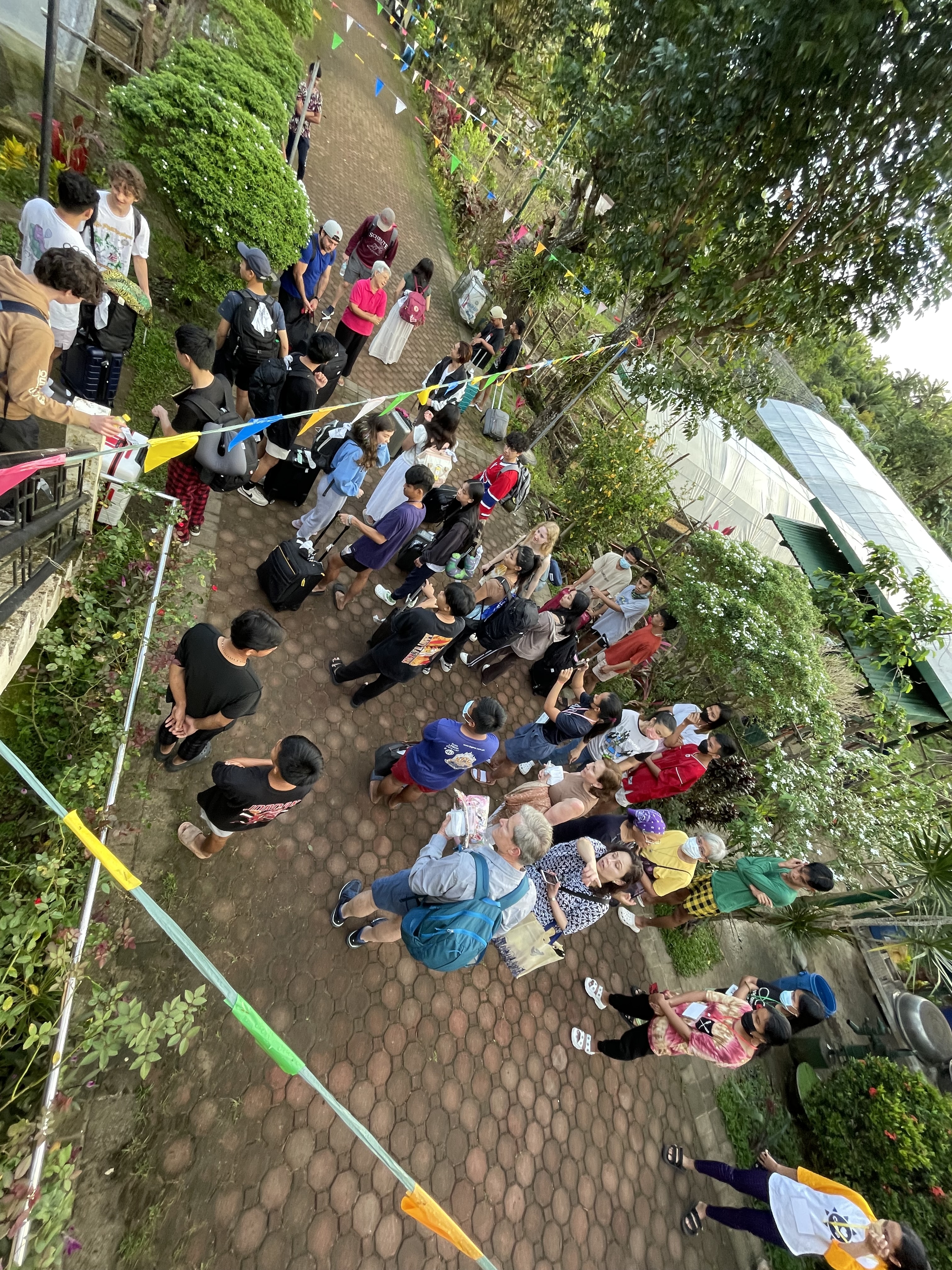
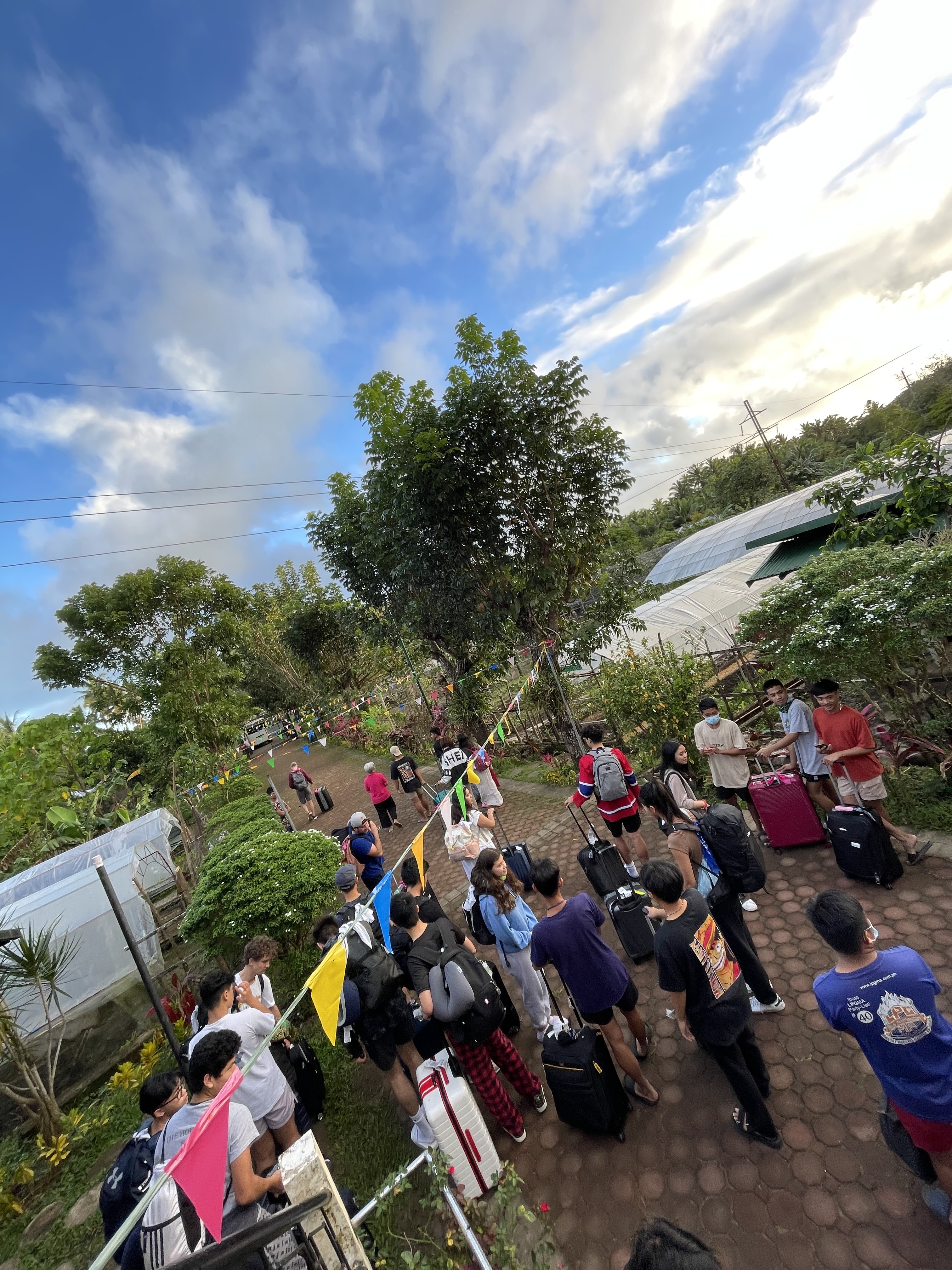
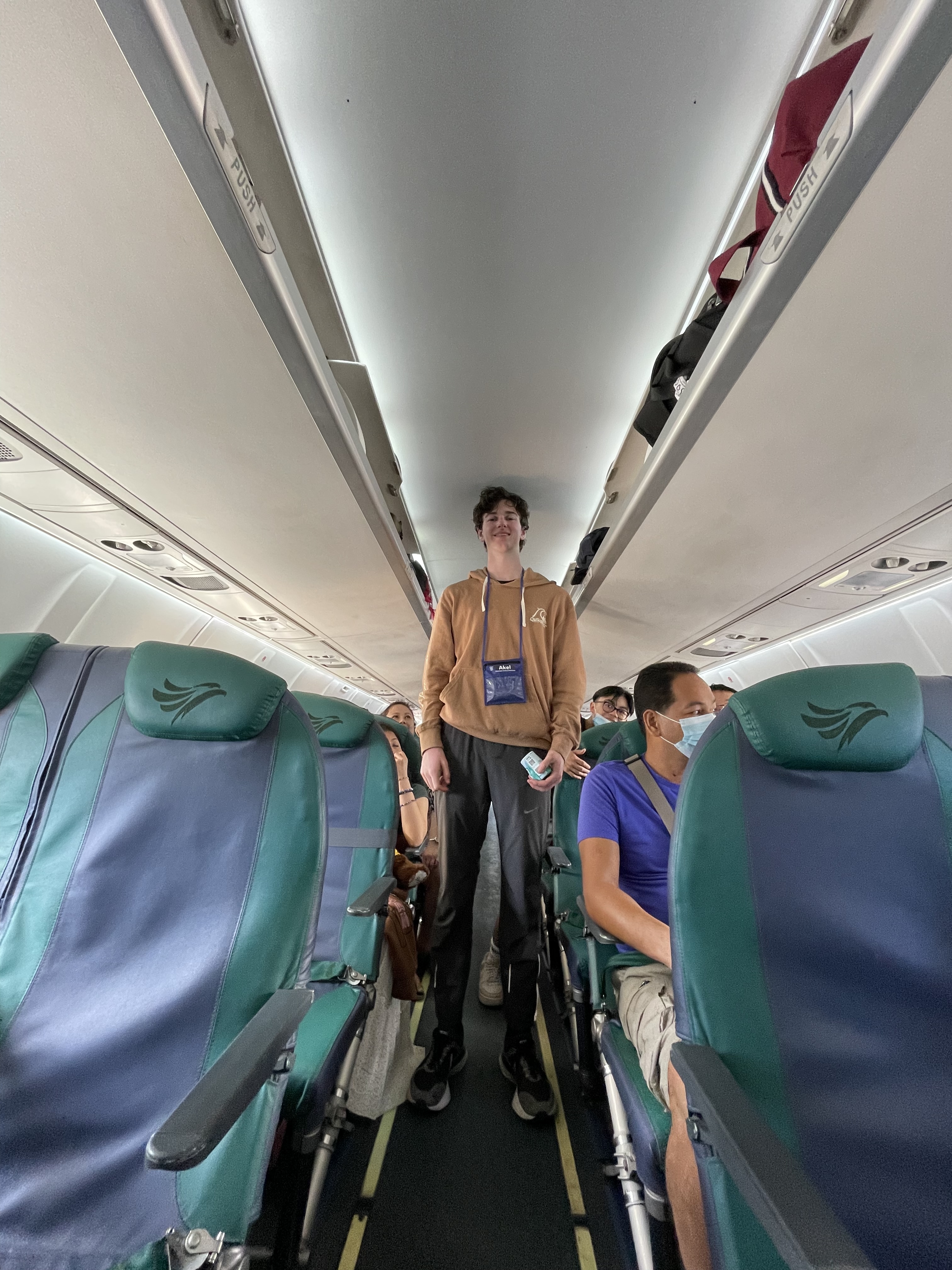
Today, we left Sophie’s Farm in Northern Samar and journeyed to Cebu. Our morning began at the crack of dawn, 5:30 a.m., and we packed before having breakfast, which was the usual at Sophie’s Farm: rice, pancakes, sausages, and more. After breakfast, we gathered our things and participated in a prayer session with the staff at Sophie’s Farm. Sister Lydia of the RSCJ prayed for the safety of our journey and the journey of the immersion farming students who were also preparing to leave. 

Photos by Dr. Michael Campos, Religion, Theology & Spirituality, Faculty

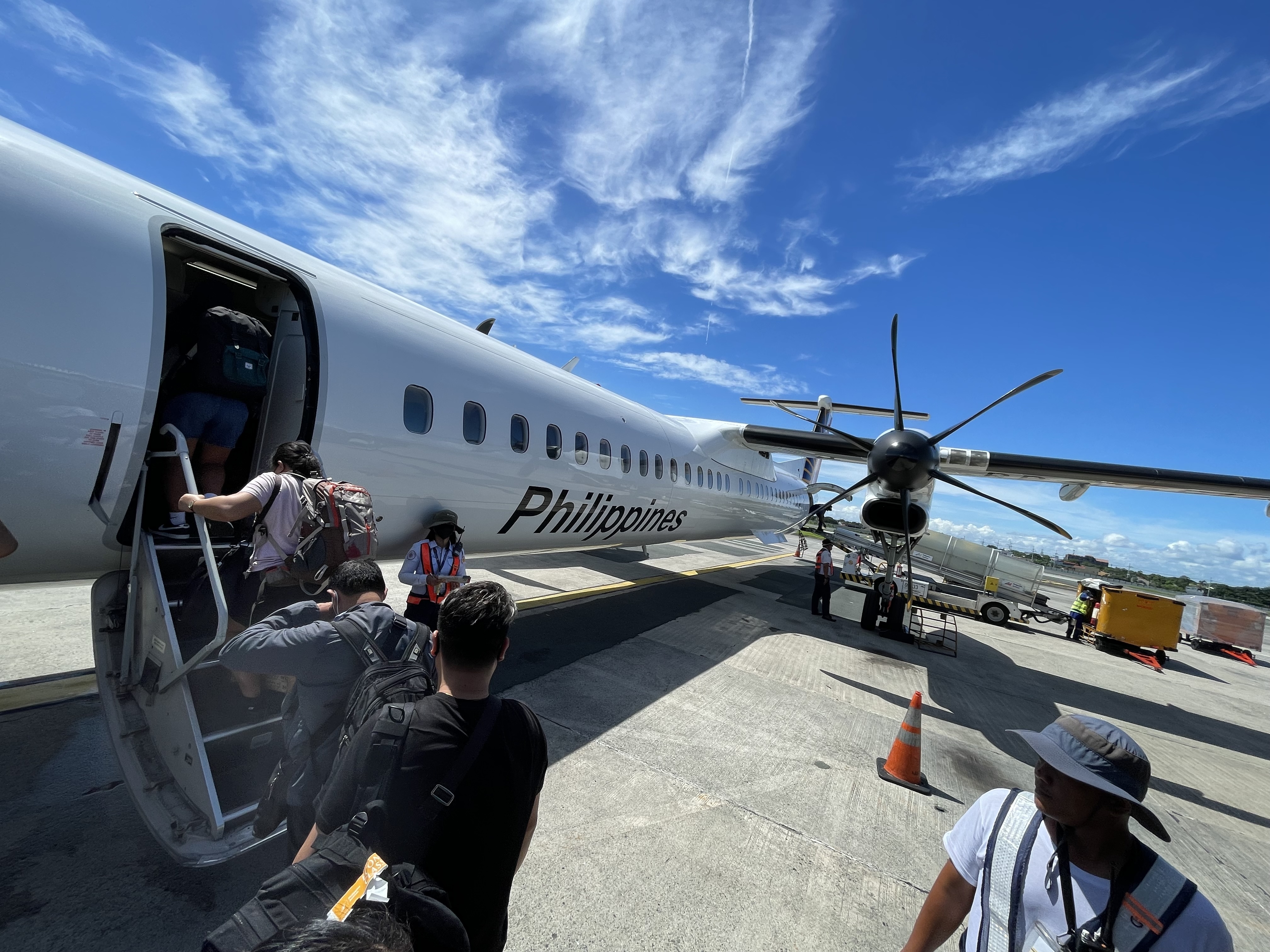
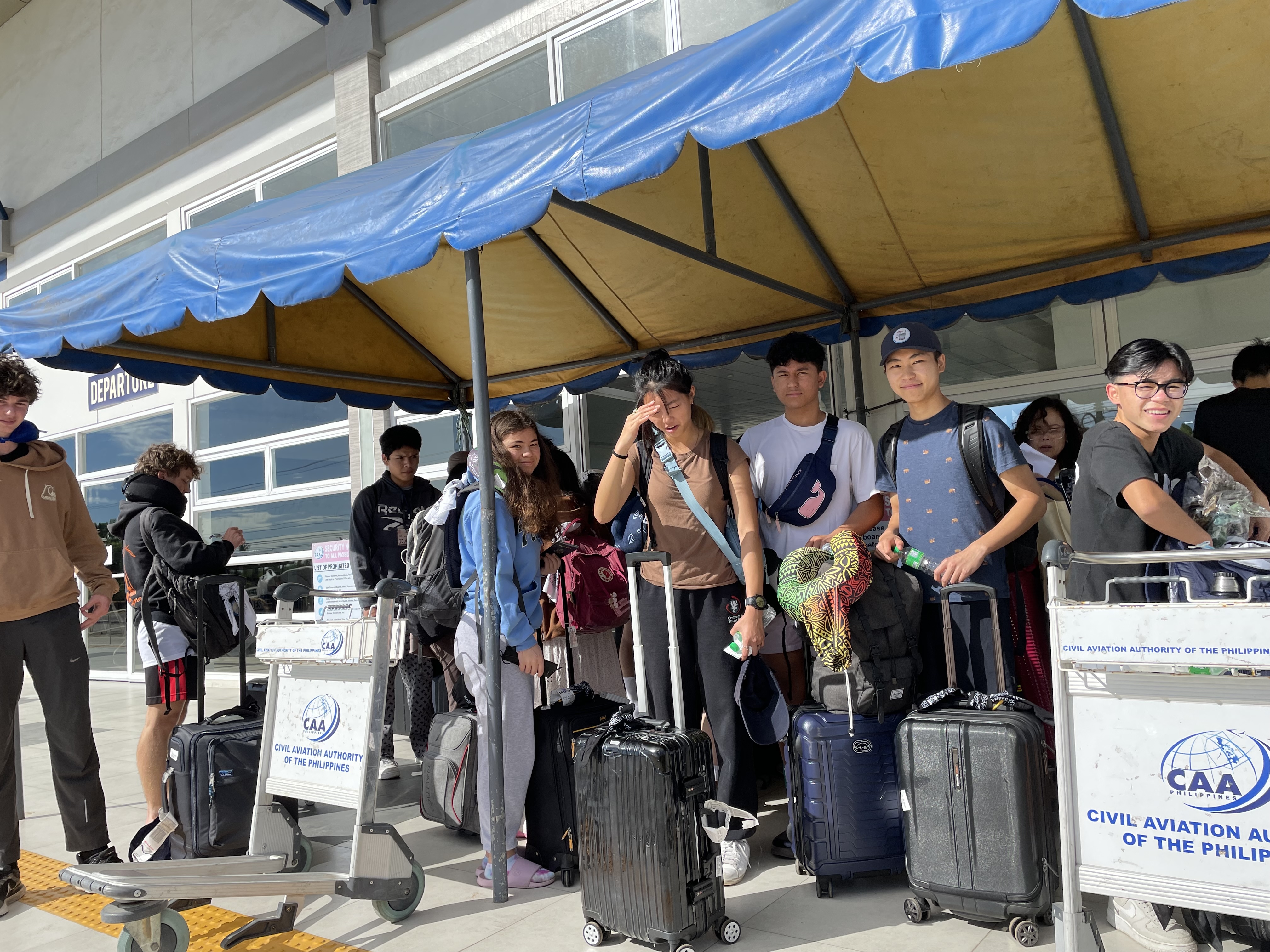
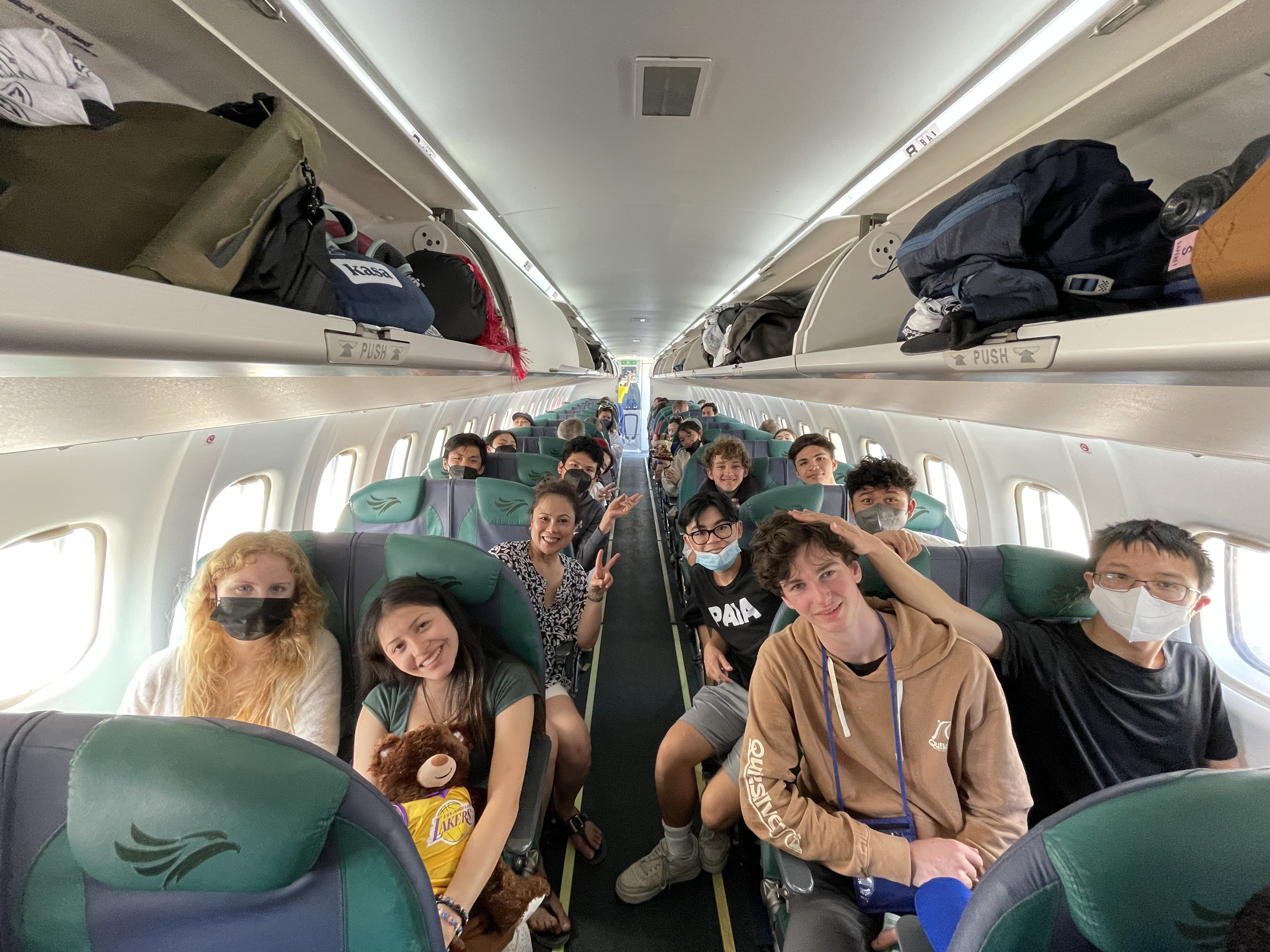
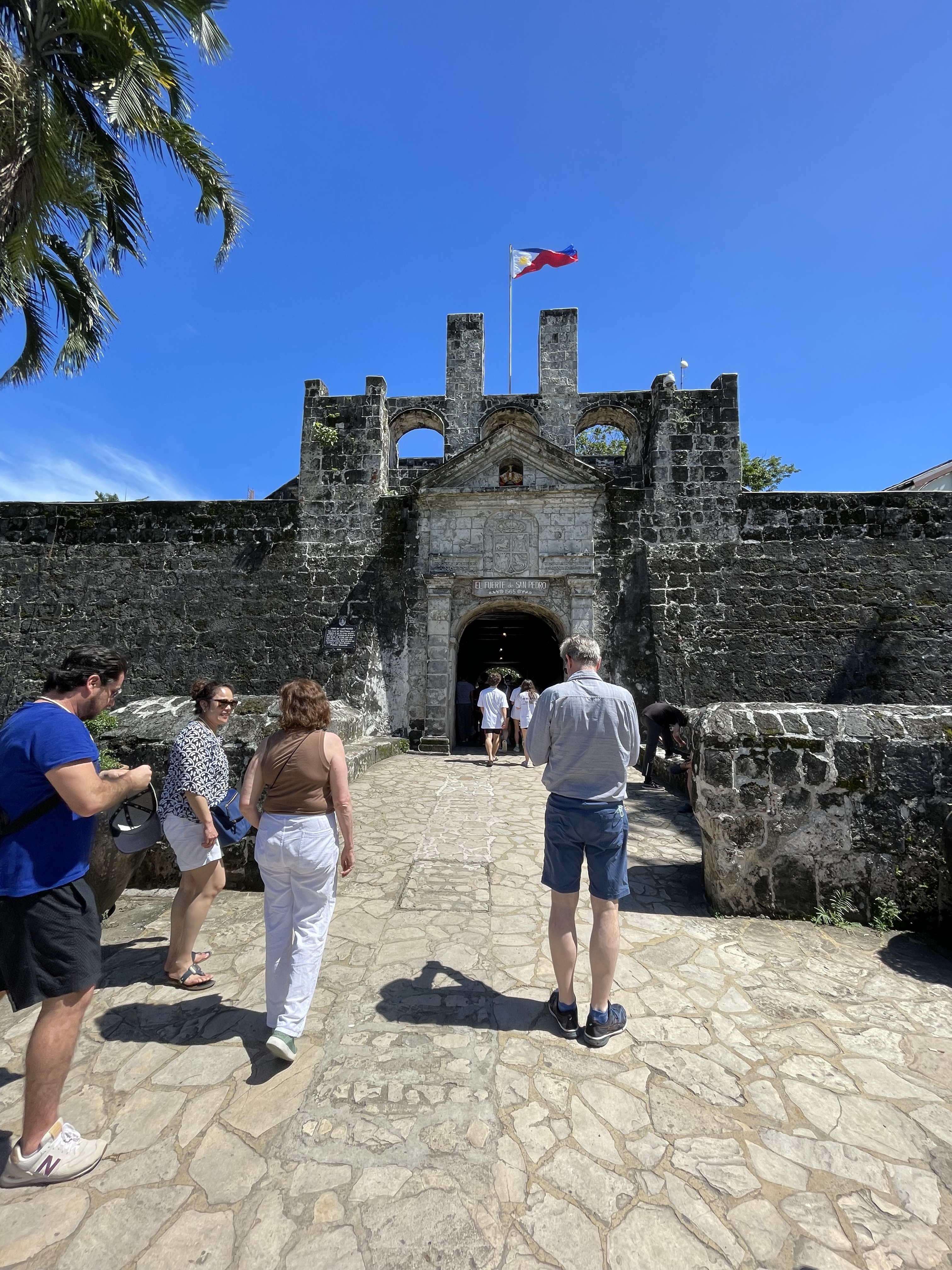
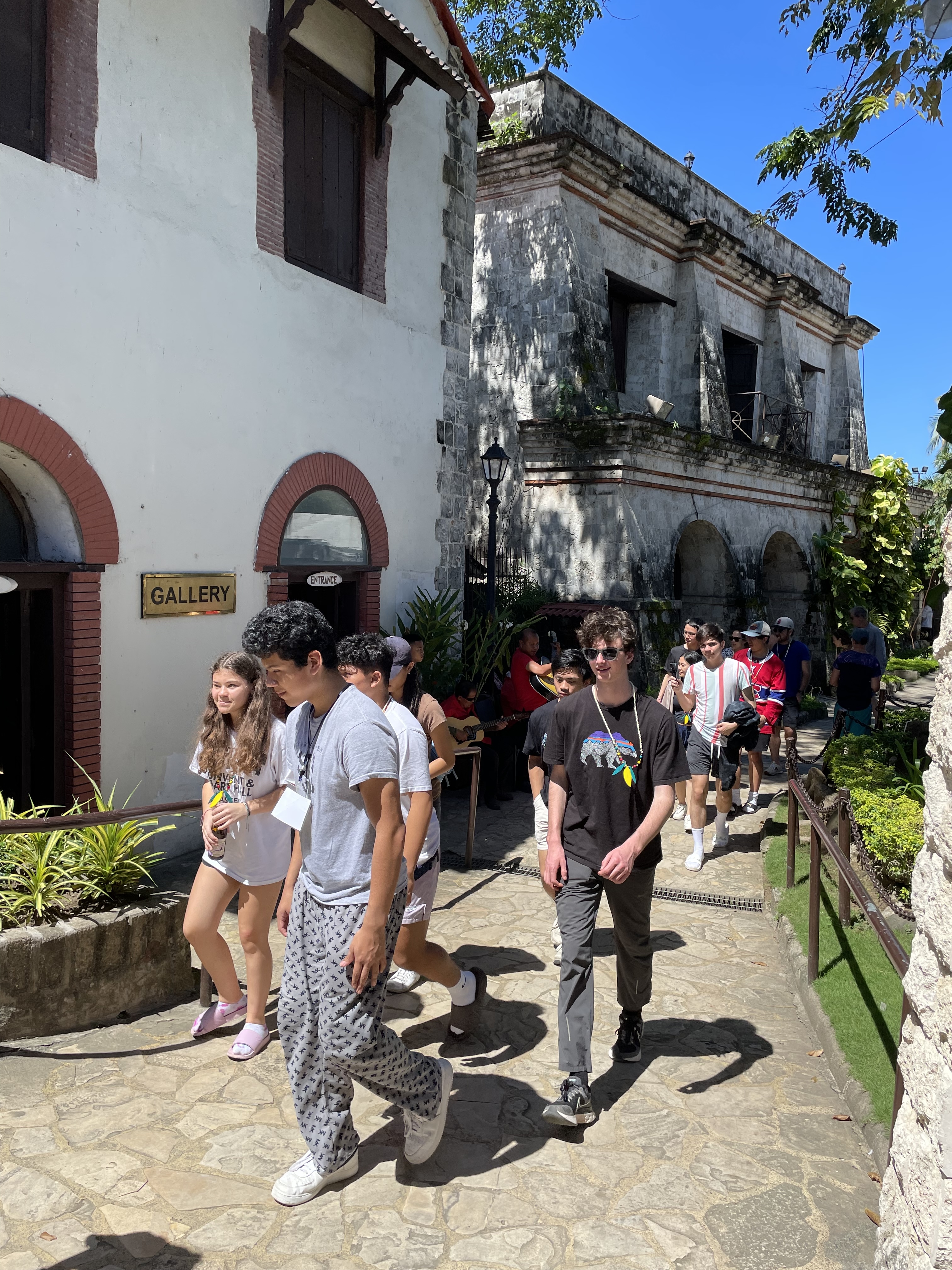
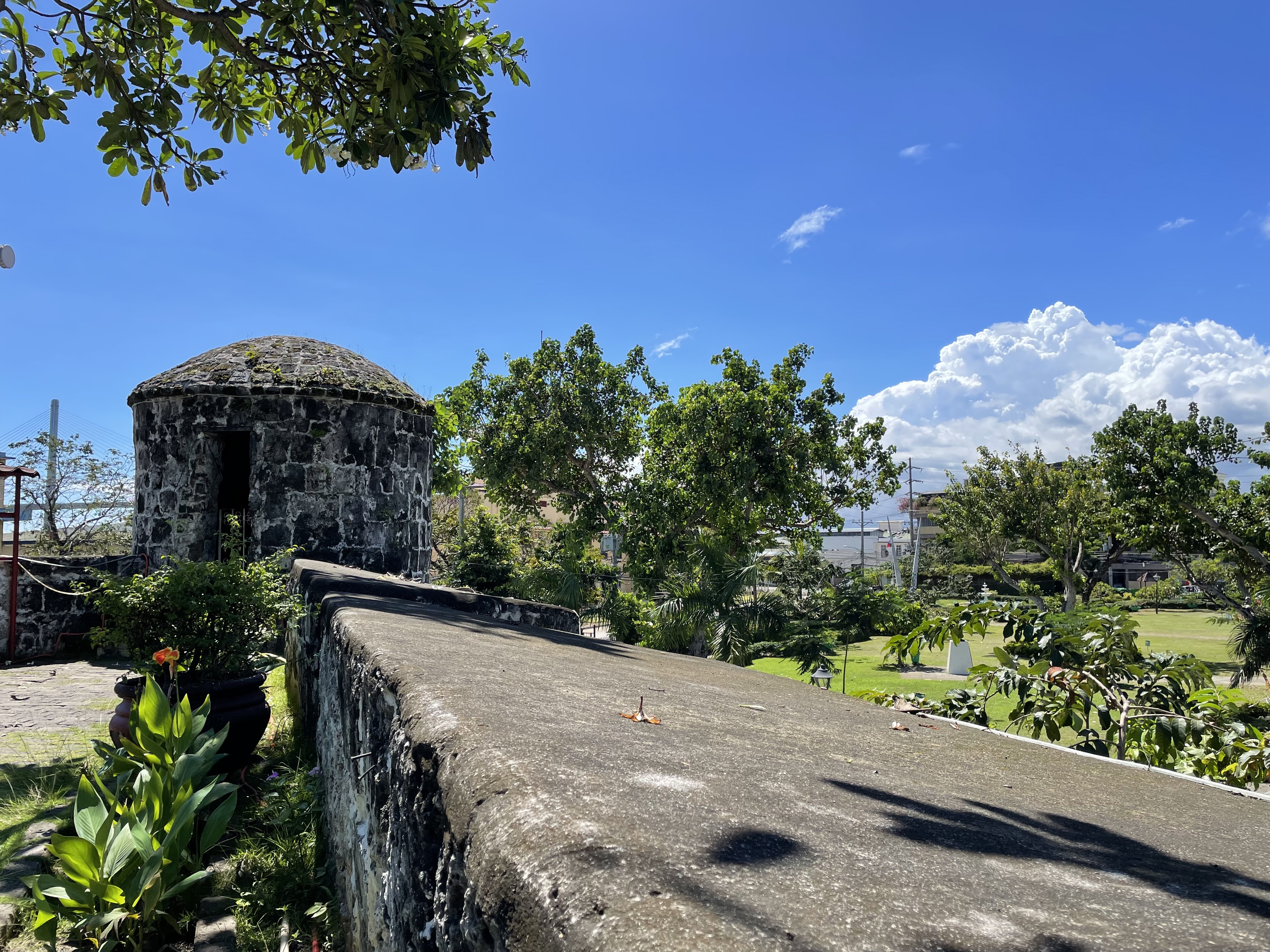
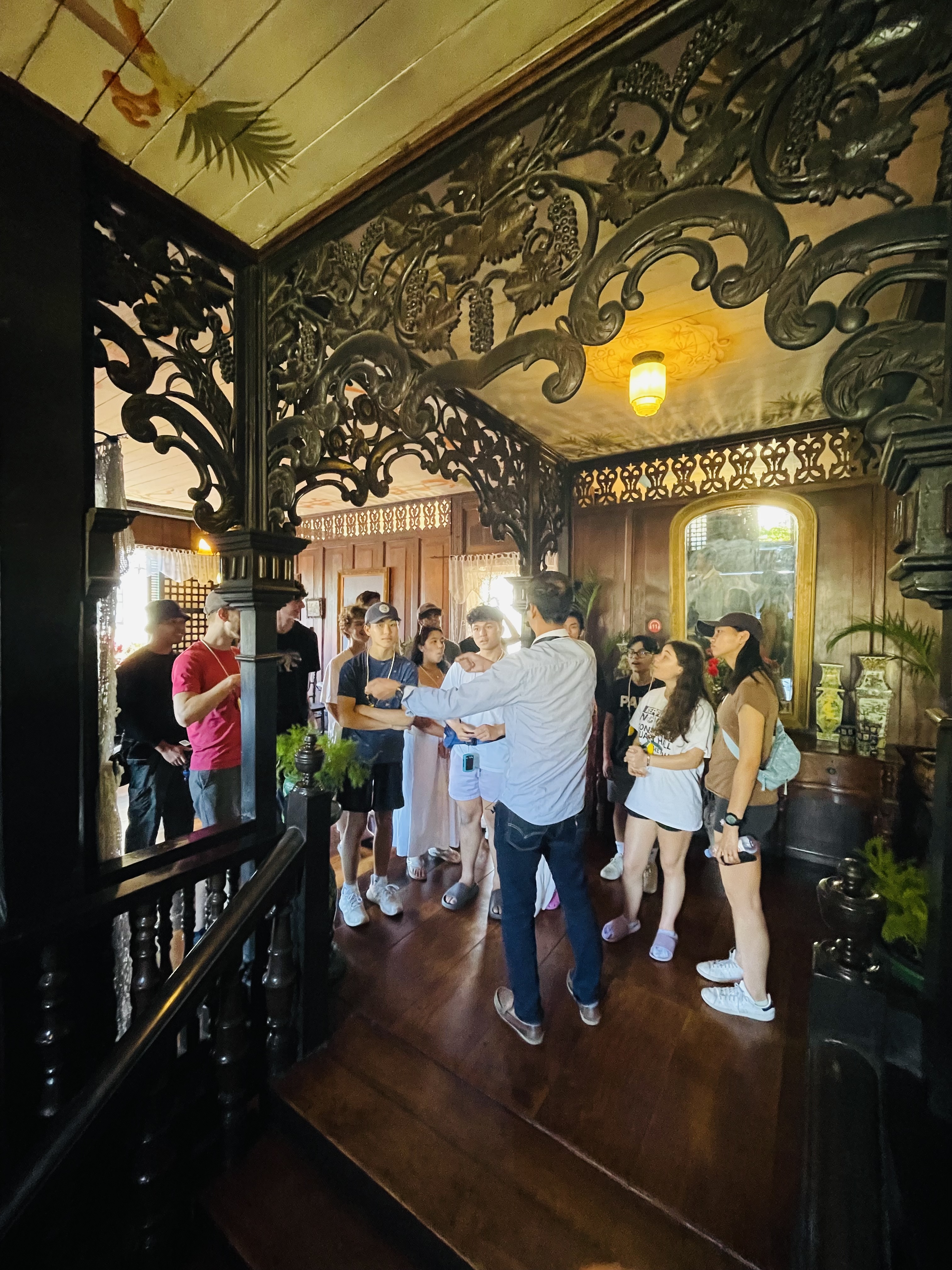
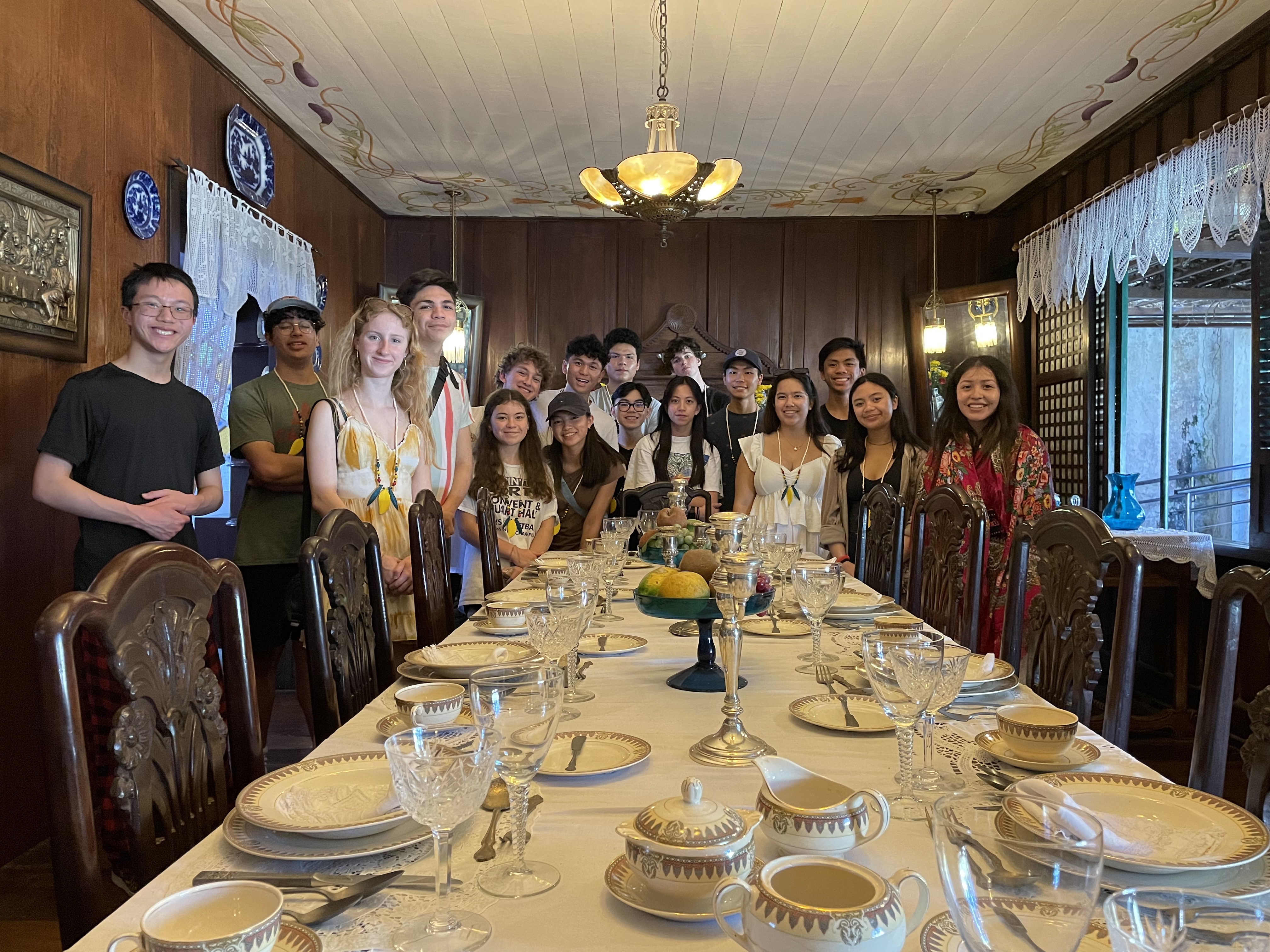
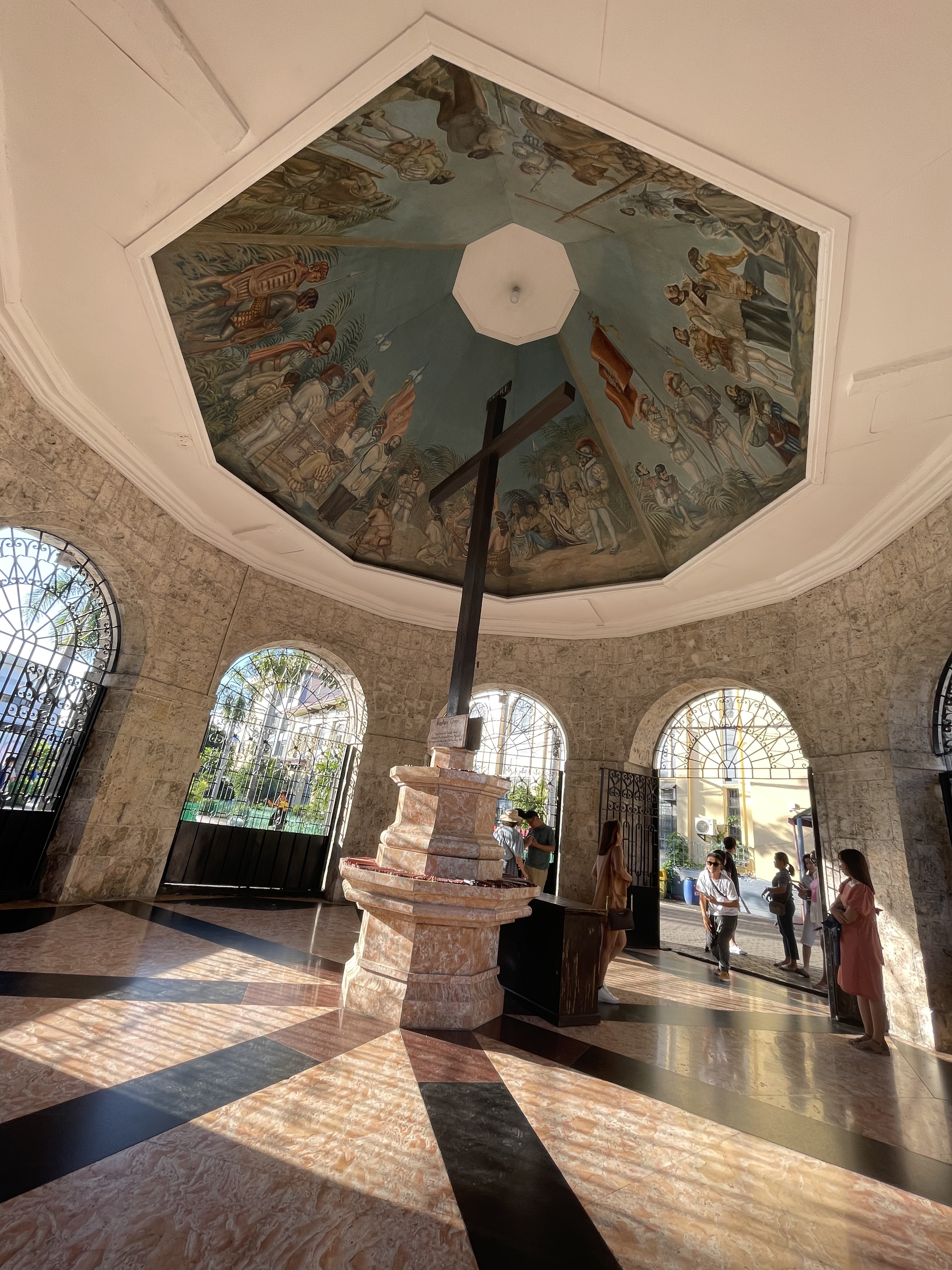
After saying goodbye to the nuns and students, we drove from Northern Samar to a small airport, where we flew to Cebu. Upon landing, we had lunch at TGI Fridays. They served food that we missed from back home, such as mac and cheese, fries, and steak. After finishing our meal, we took a tour of the largest mango factory in the Philippines, where we saw the process of making a variety of dried fruit treats. We got to try many snacks, including dried mango, guava, coconut, and more. Some students even tried dried durian. Following that, we toured Casa Gorordo, one of the oldest houses in Cebu, a Philippine, Spanish, and Chinese-style home from the 18th century. Many of the homes in Cebu were destroyed during WWII. We also visited Magellan’s Cross, which dates back to the early 16th century and is said to have been planted there by Magellan himself. 

Photos by Dr. Michael Campos, Religion, Theology & Spirituality, Faculty

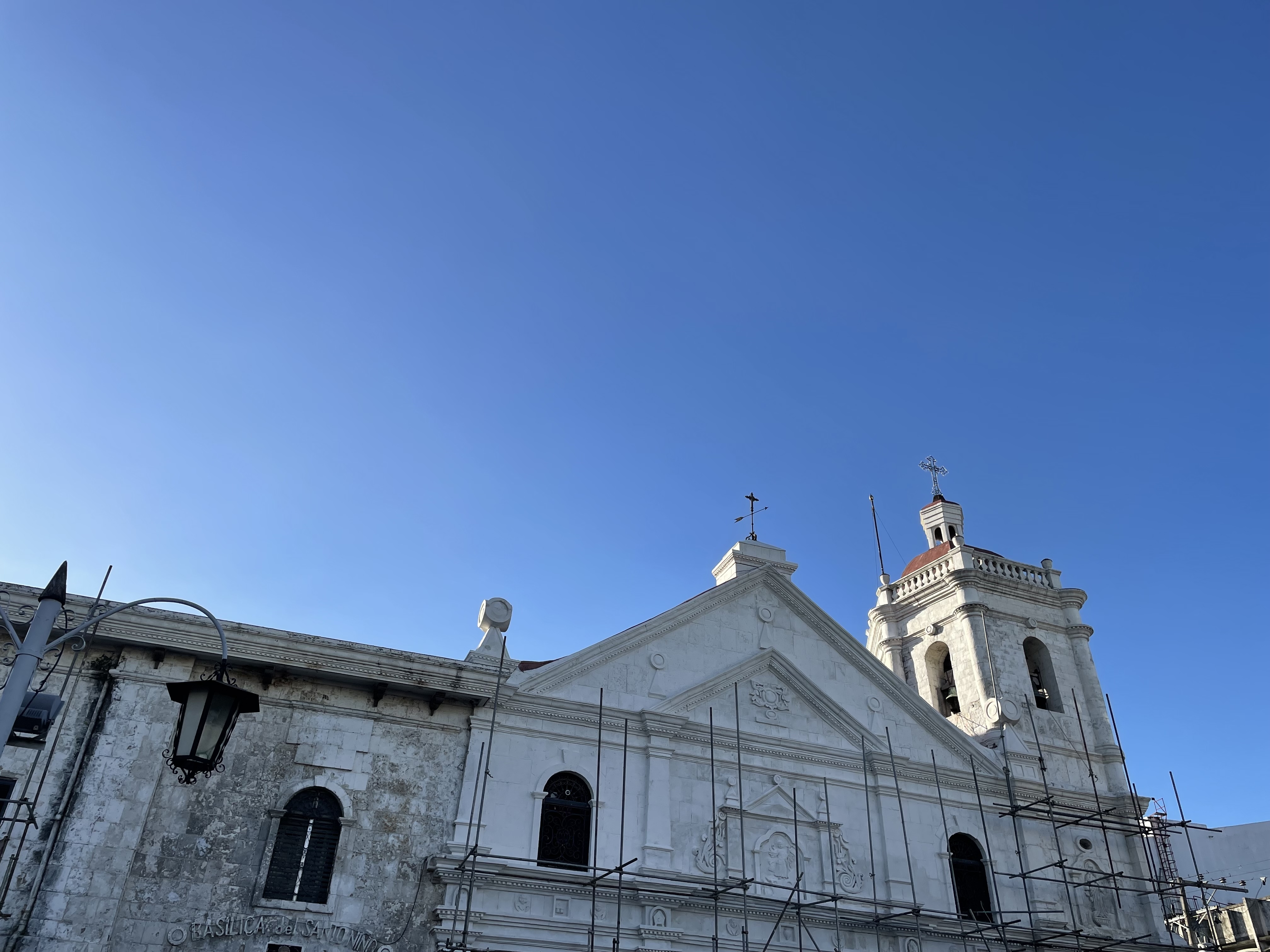
Before dinner, we toured the Church of Santo Nino, or the Church of the Baby Jesus. The church was huge and very detailed, both inside and outside. Being at the church was very relaxing and calming compared to our previous activities. During our visit, we learned about the dancing prayers that some Filipino women perform. Finally, we had dinner on the beach, and after dinner, we hung out near the beach before going to bed.

The Philippines | Day 4

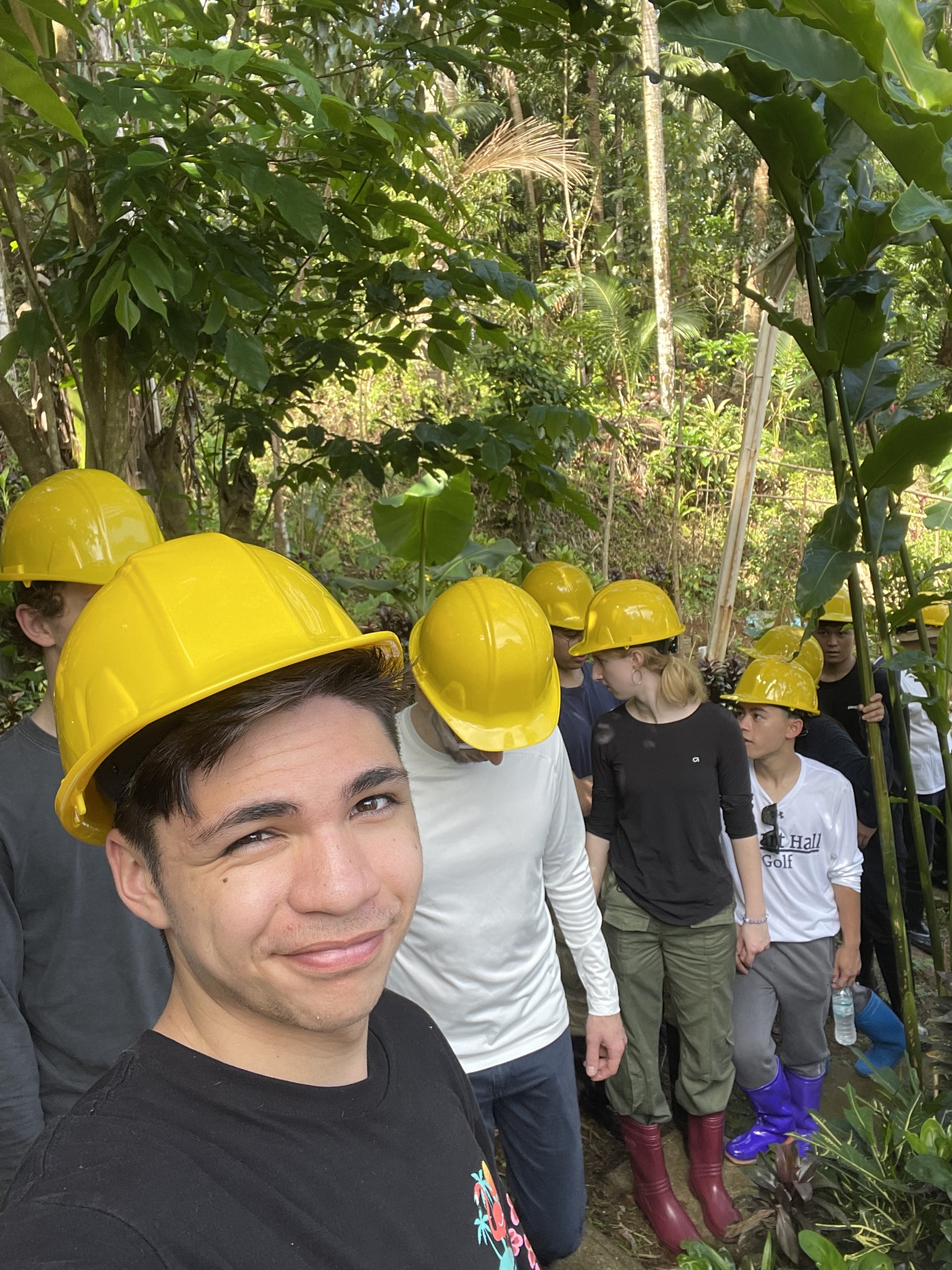
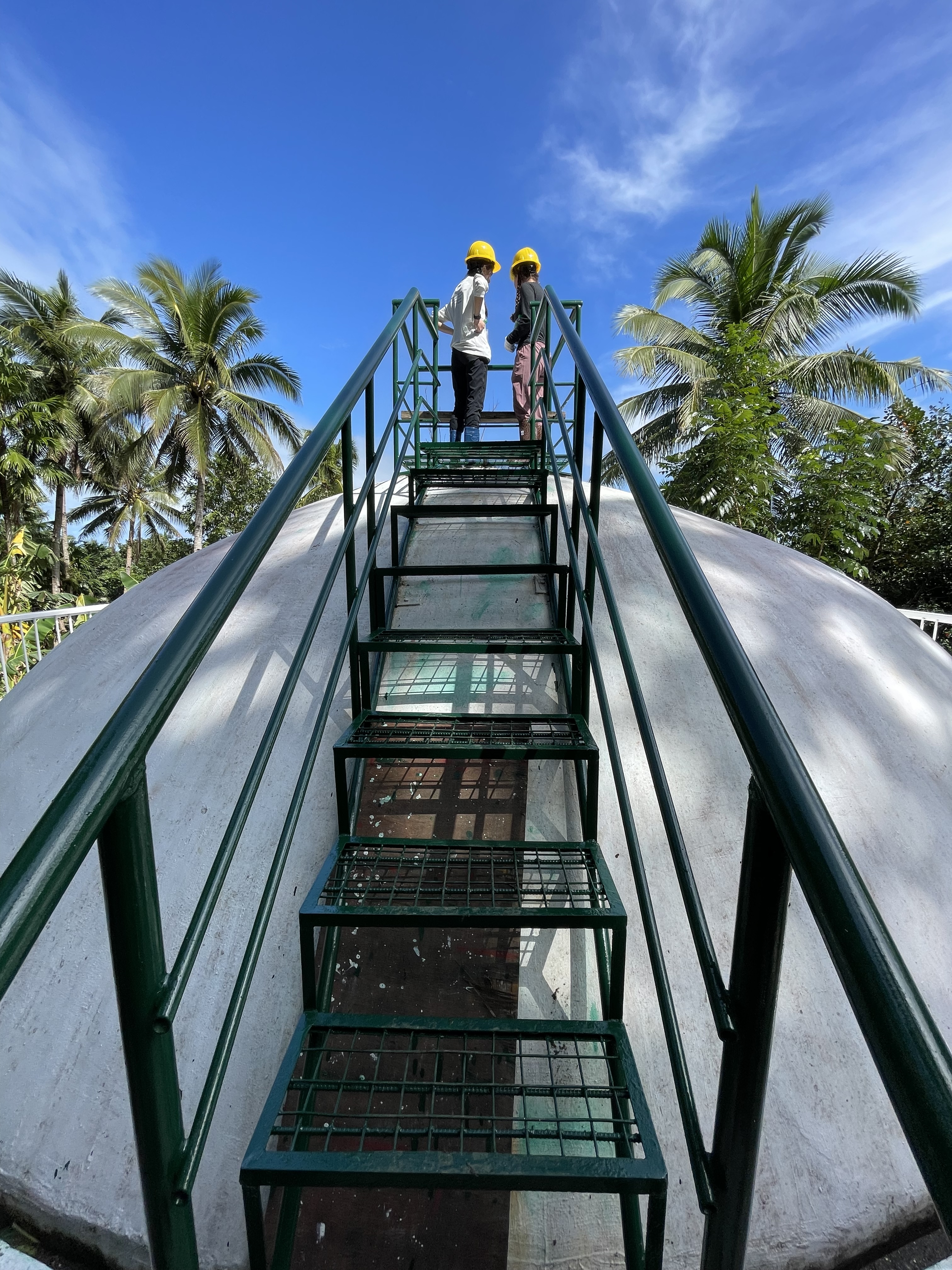
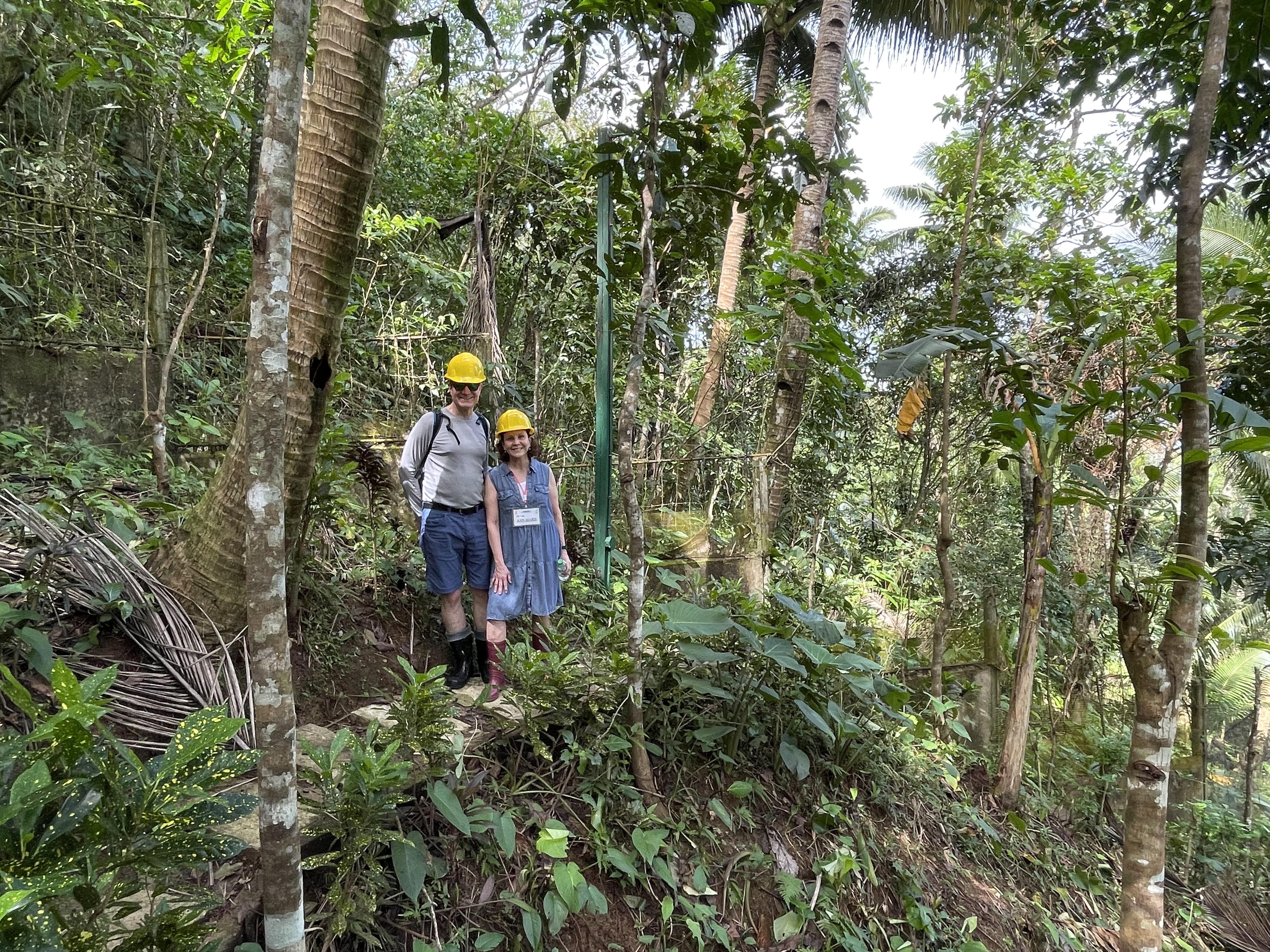
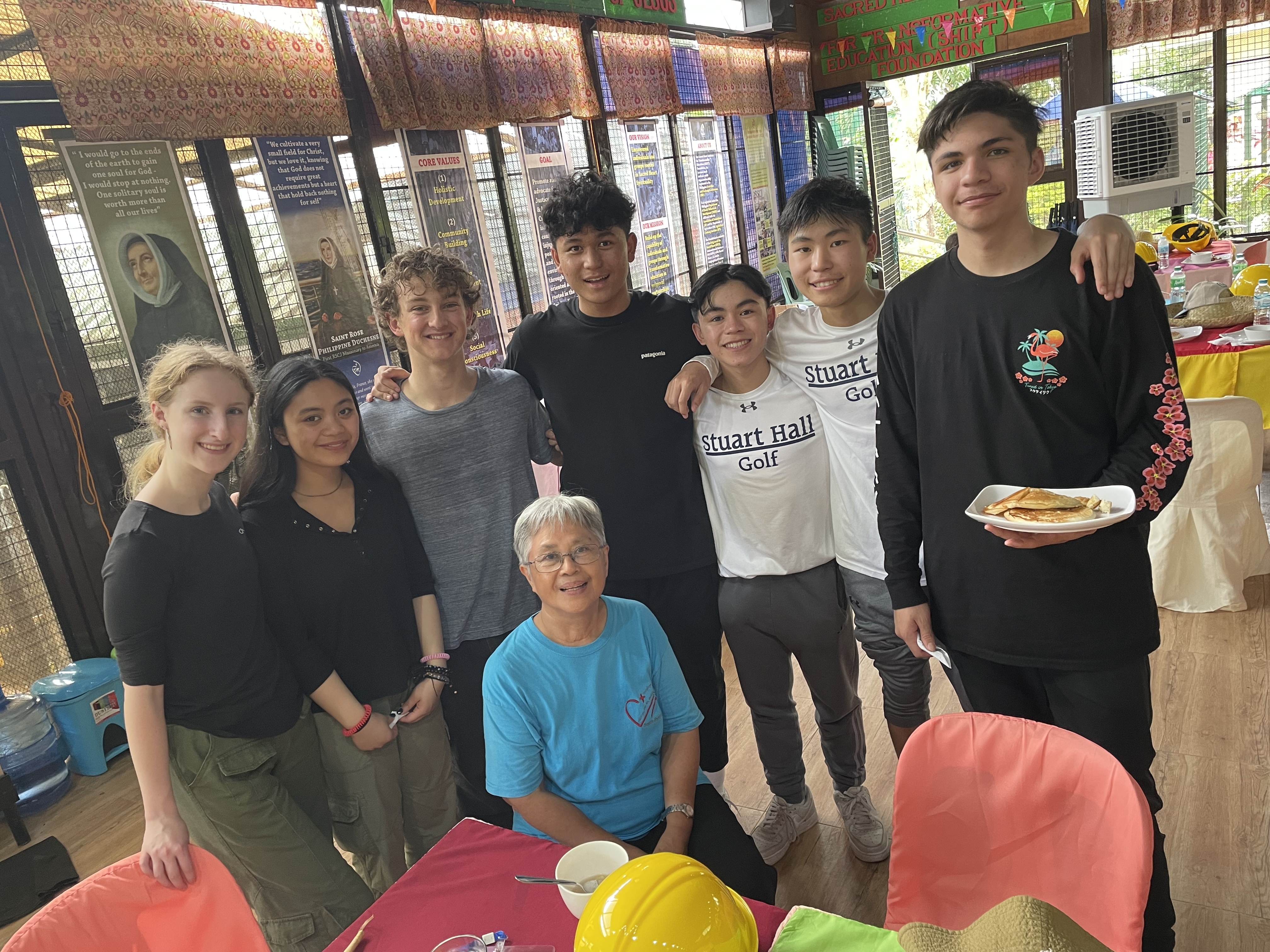
We woke up early today to the sounds of the farm dogs barking and the rooster crowing. For breakfast, we had traditional bangus and rice, as well as pancakes, cereal, and toast. After our hearty meal, we attended a presentation on the connections between Sophie’s Farm and the RSCJ. Then, we went on a tour of the farm grounds and prepared for the work we would be doing later. Upon returning to the center, we enjoyed a delicious meal of ginataang, a coconut milk soup with saba bananas and taros, and deep-fried ube on the side. 

Photos by Dr. Michael Campos, Religion, Theology & Spirituality, Faculty and Rena Franco, Accounts Payable Specialist

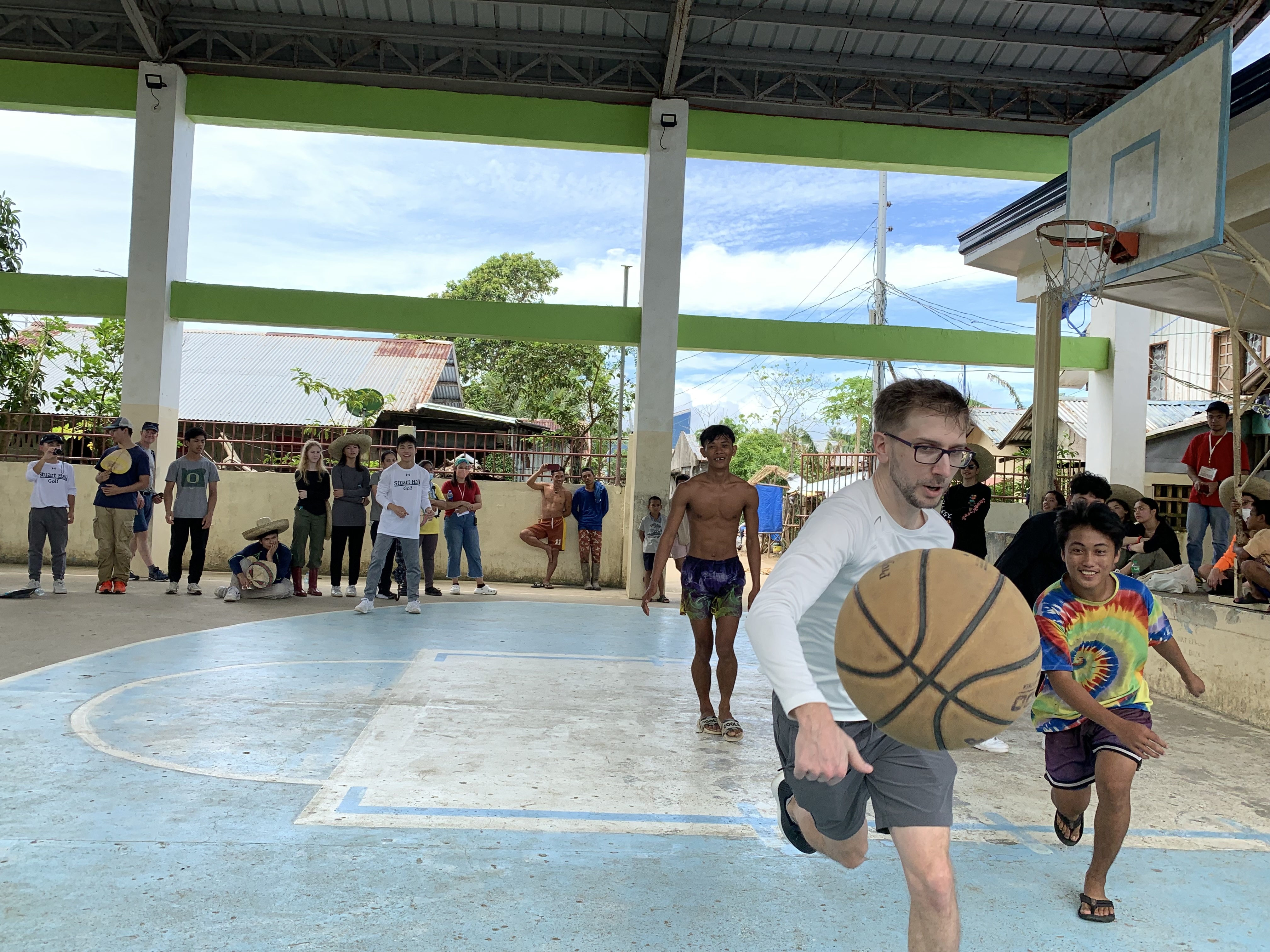
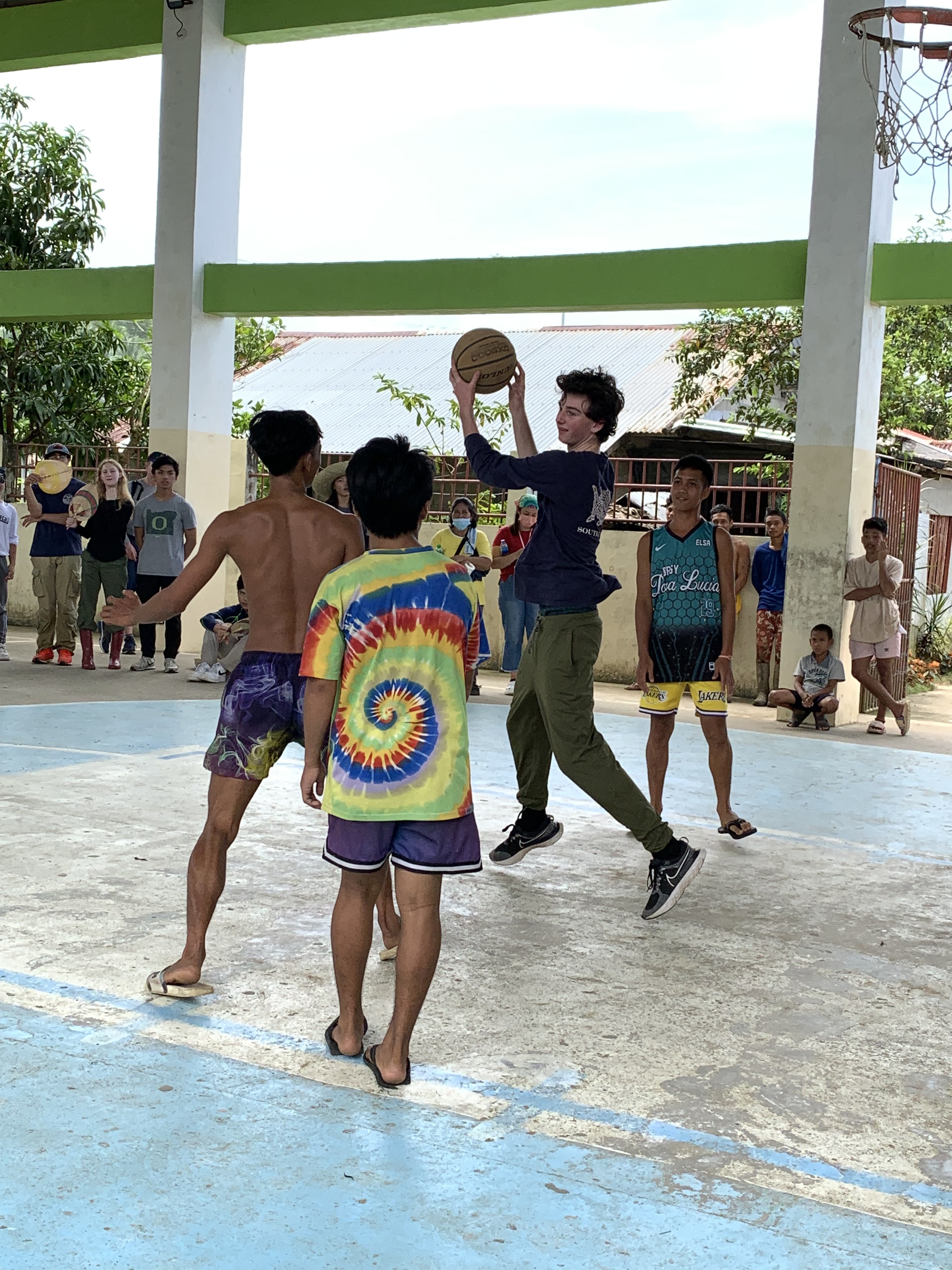
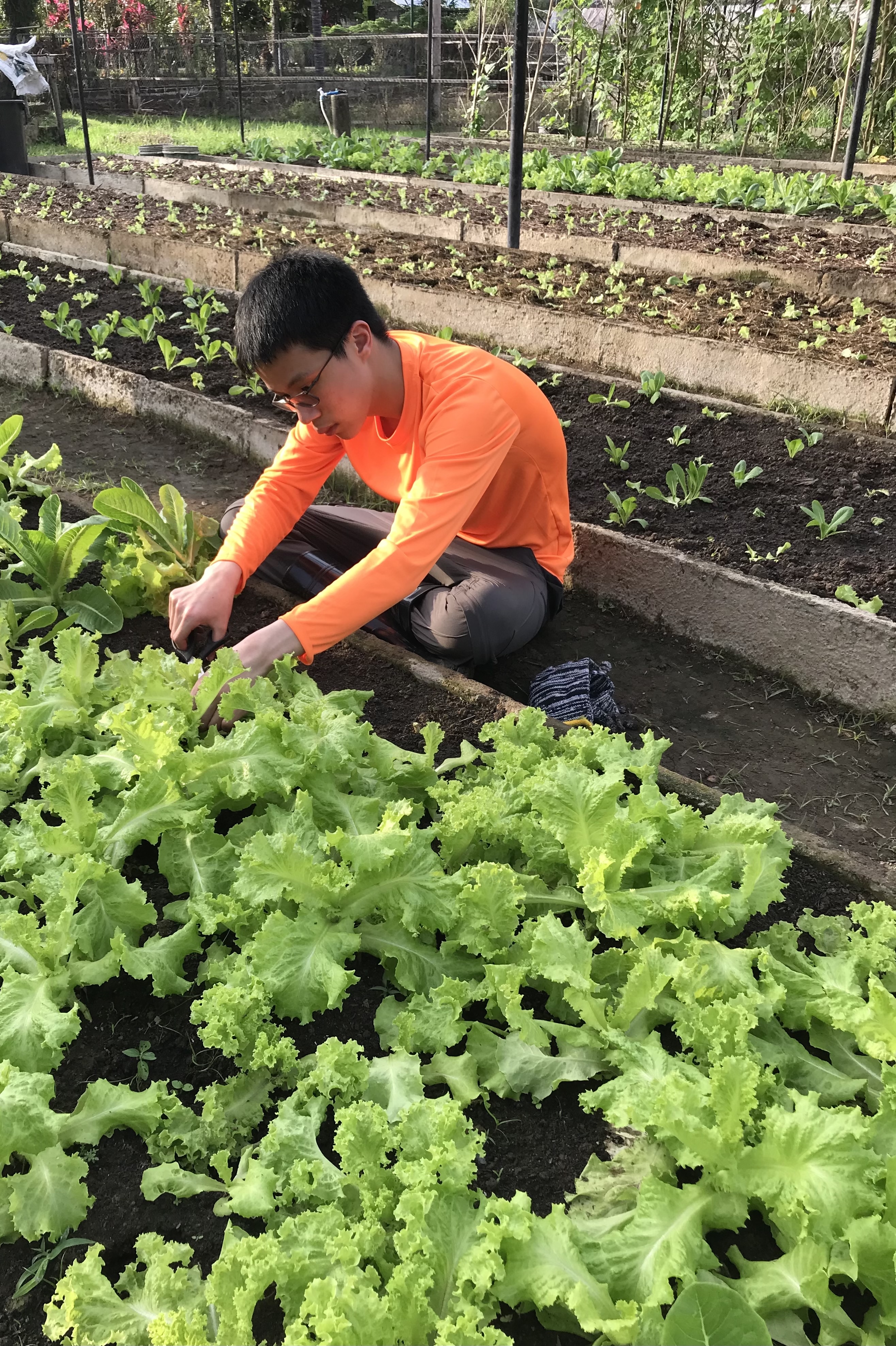
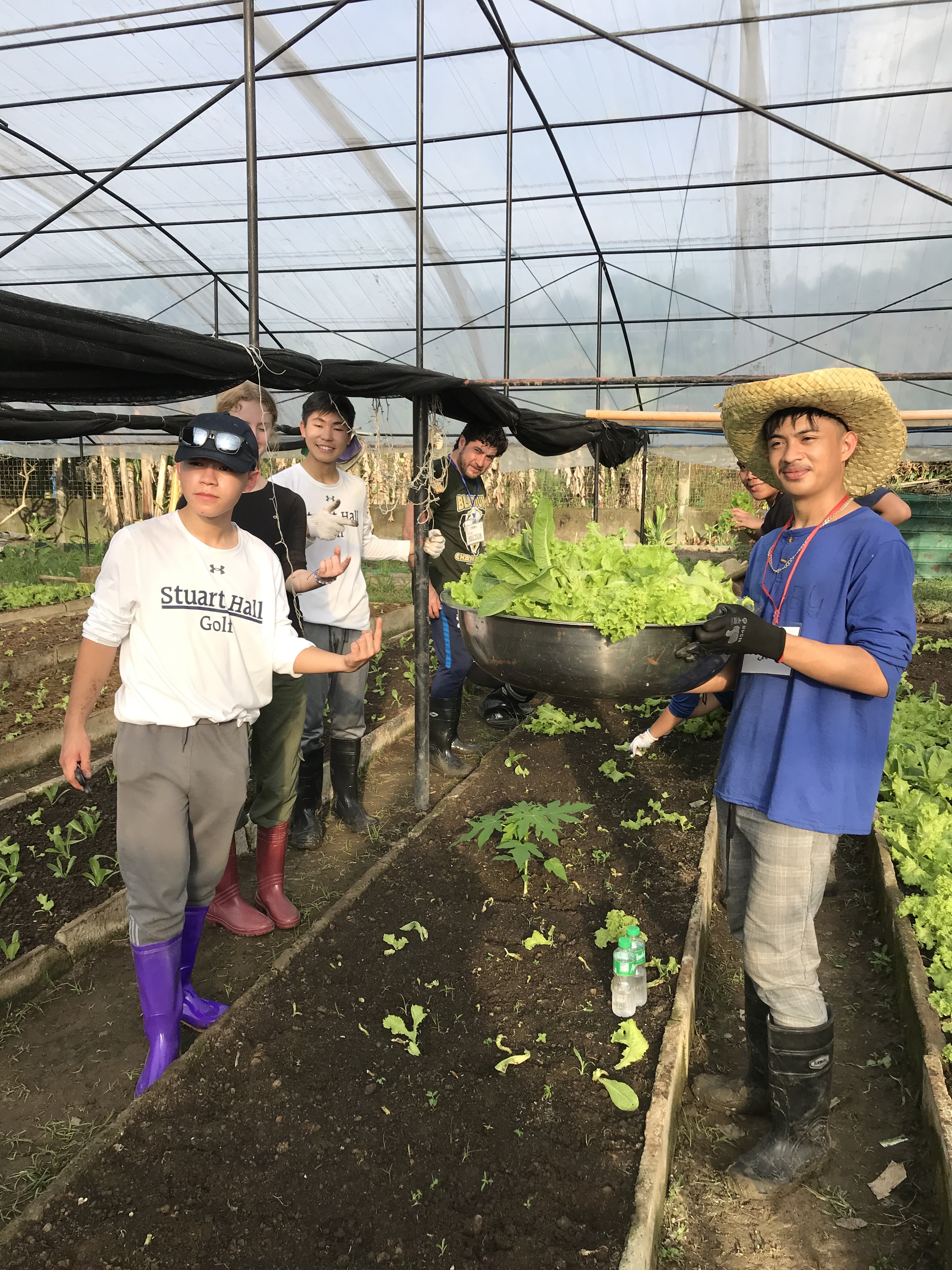
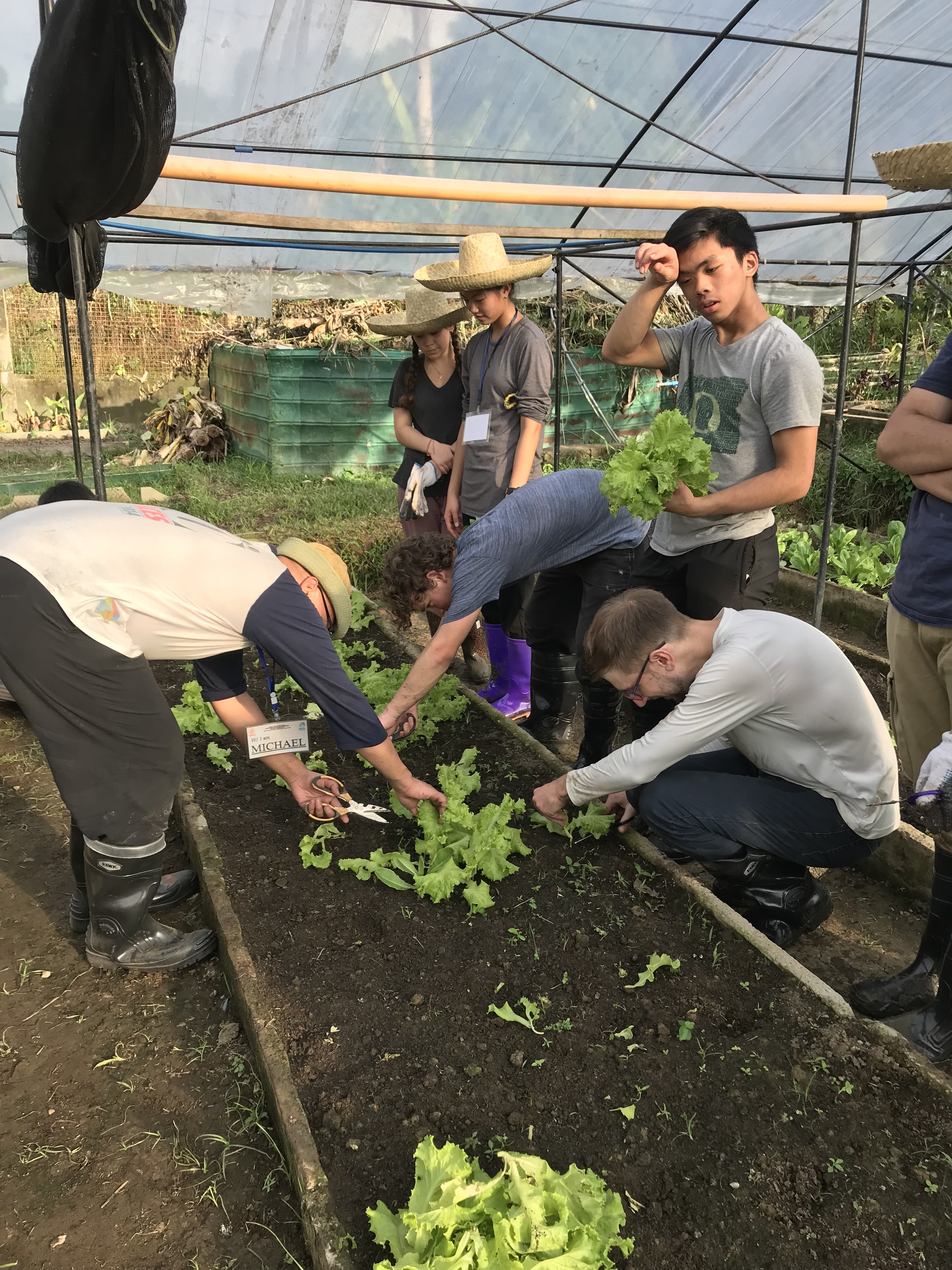
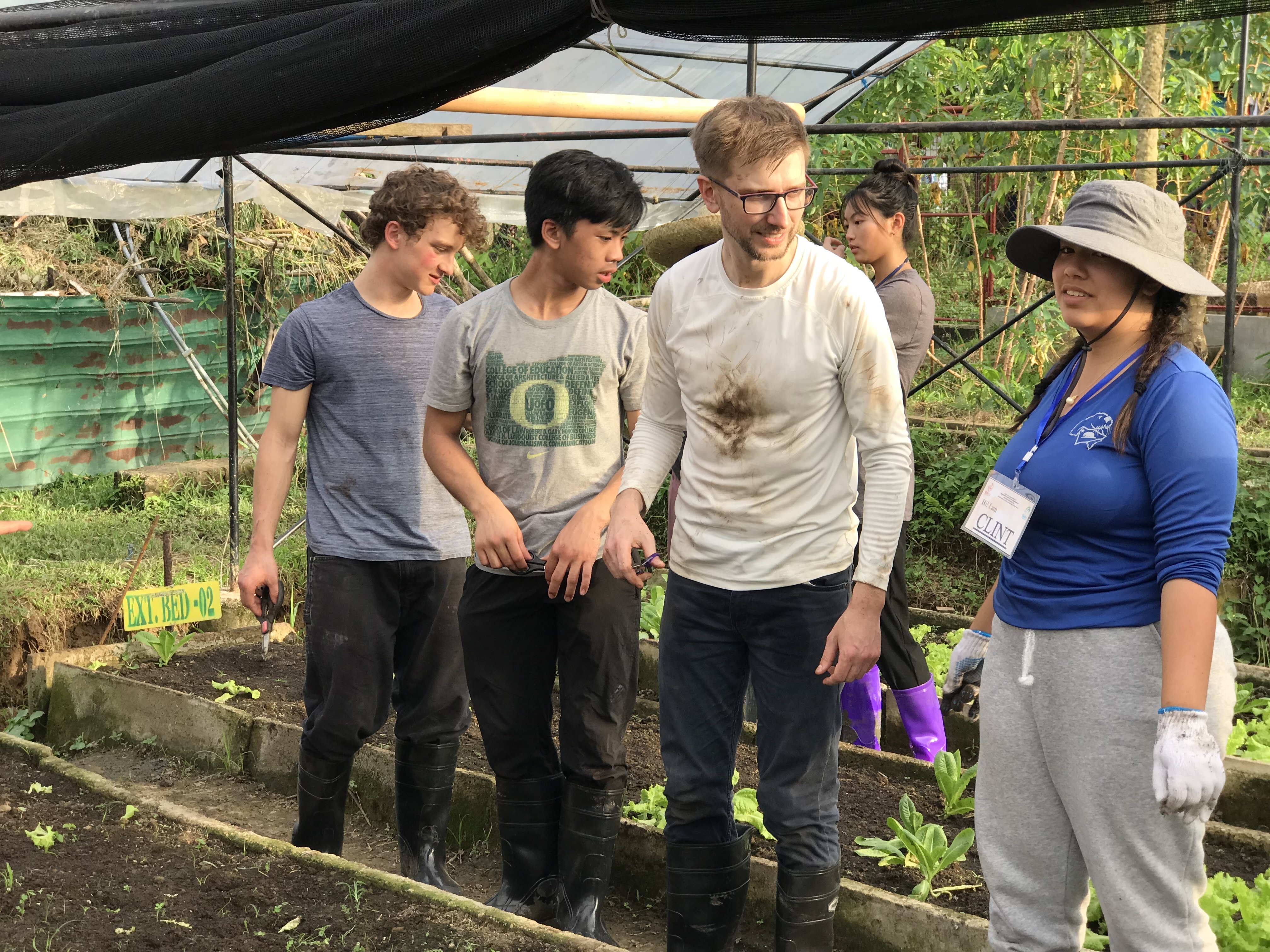
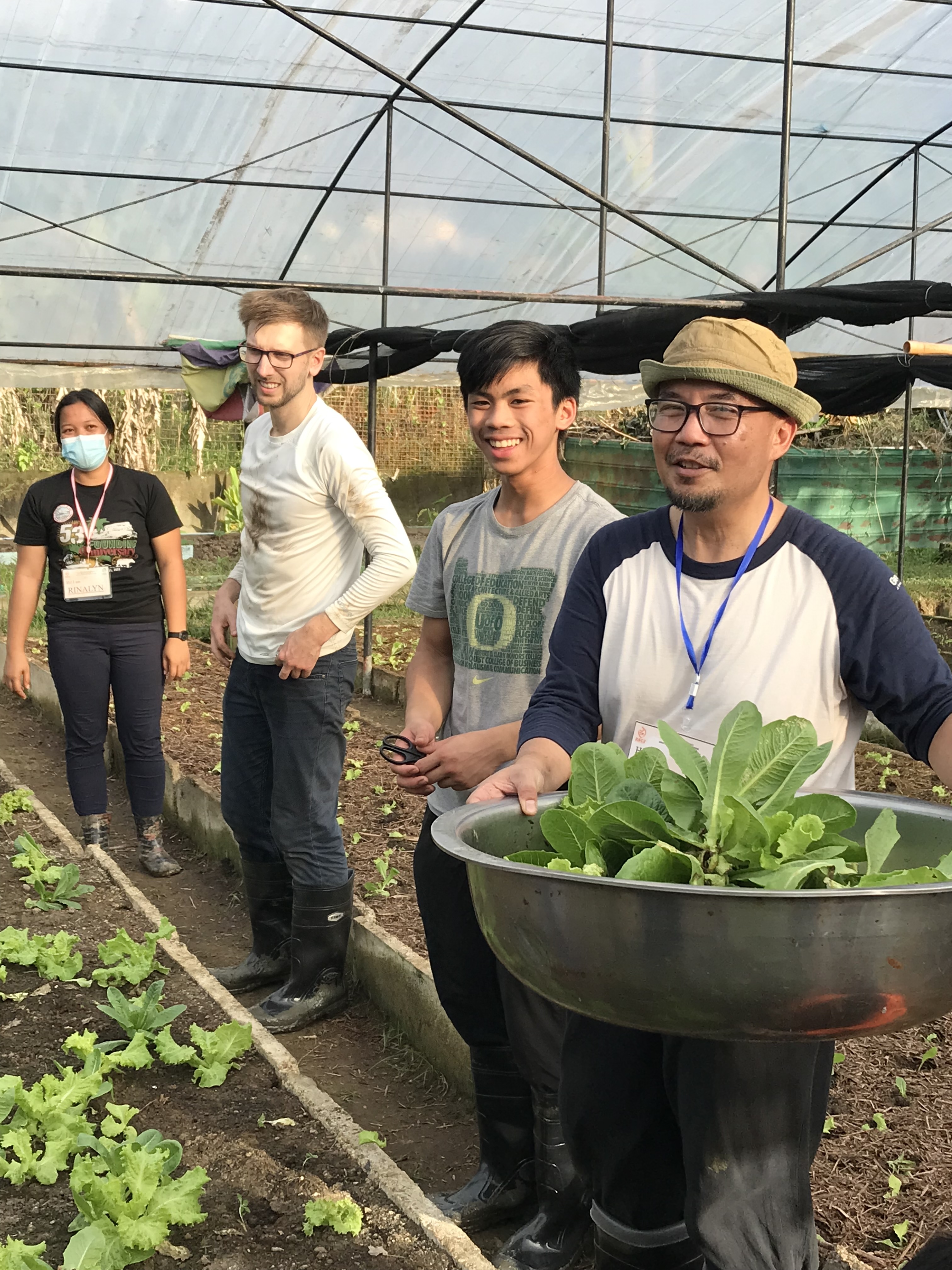
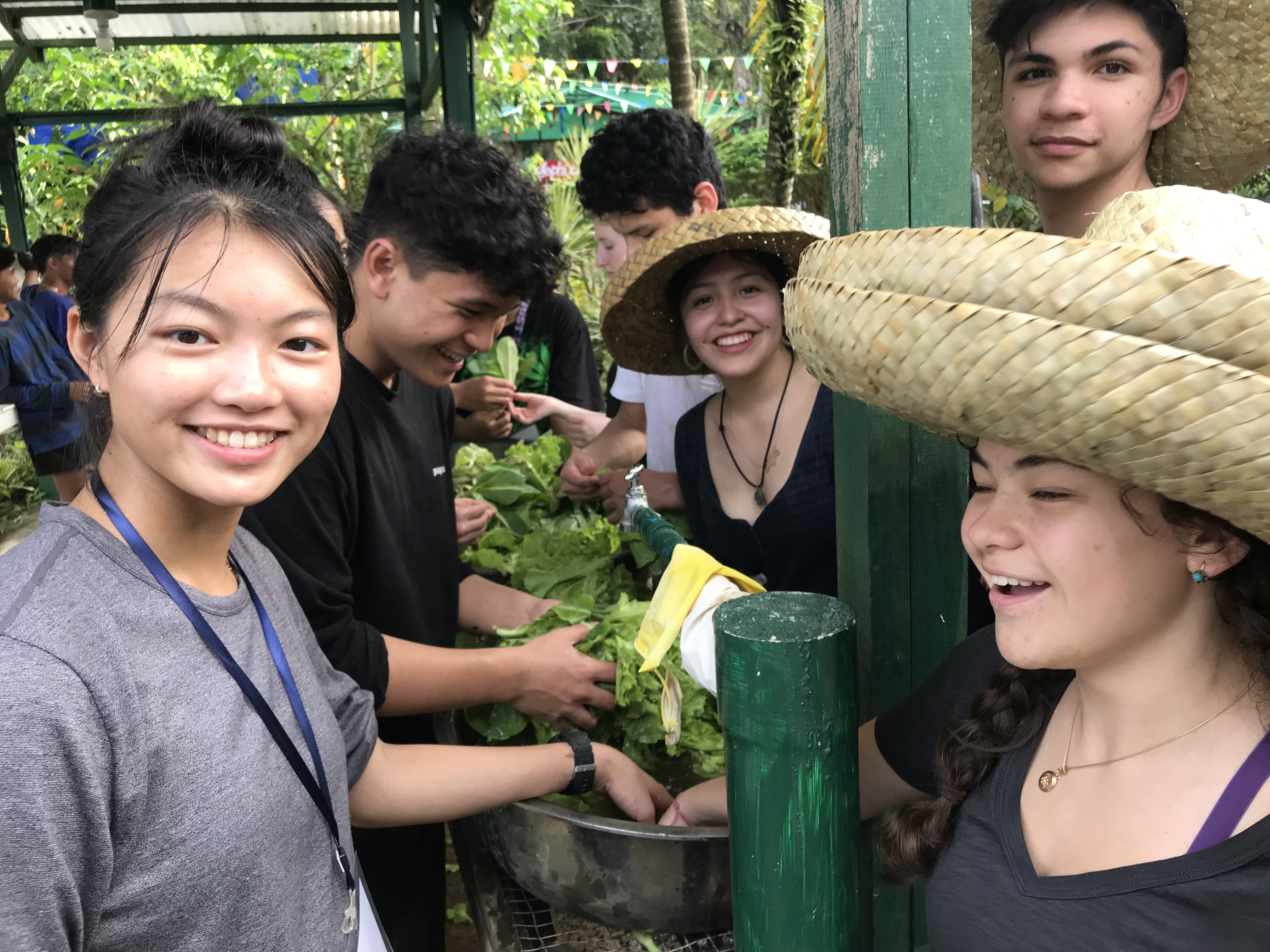
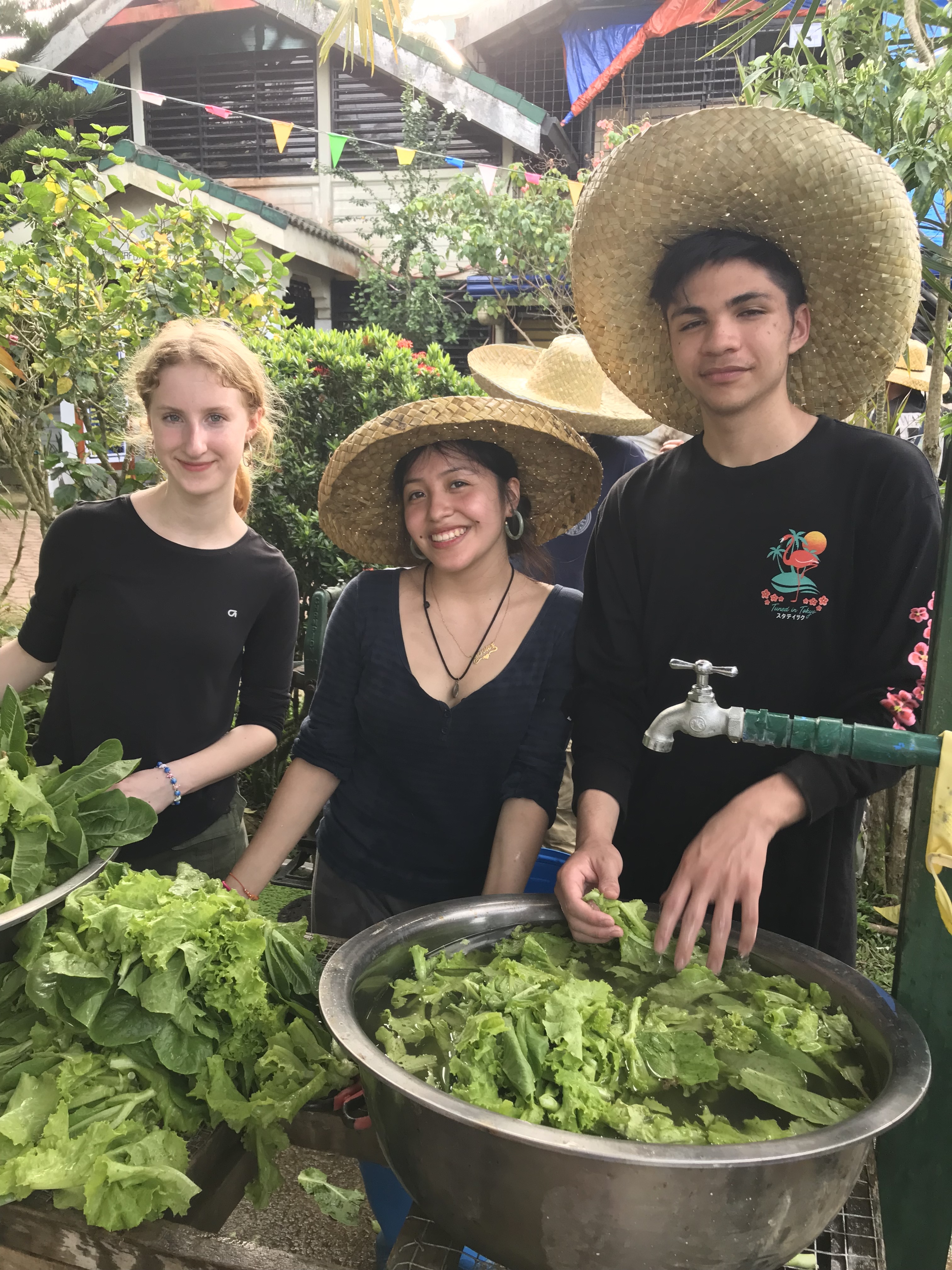
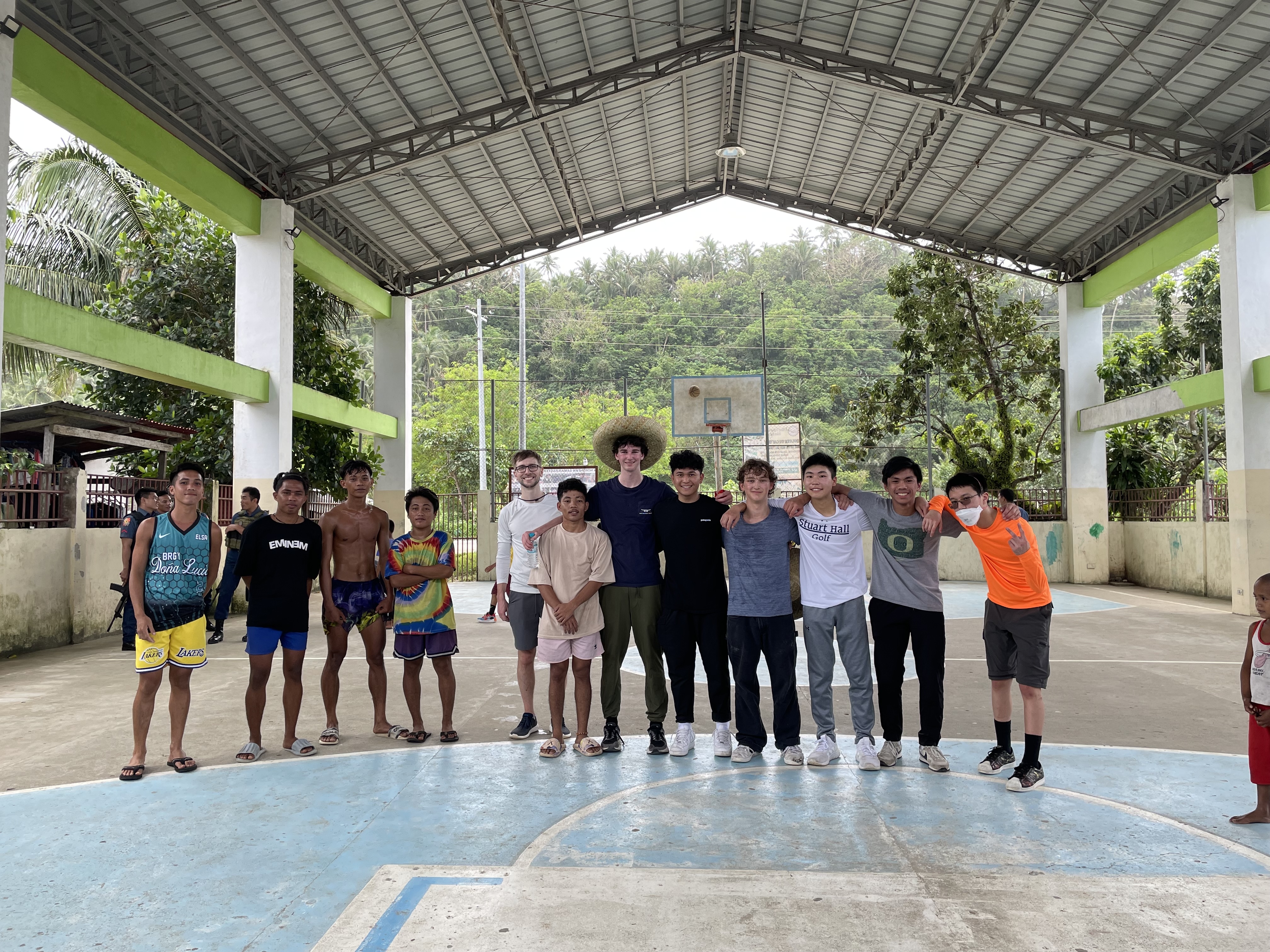
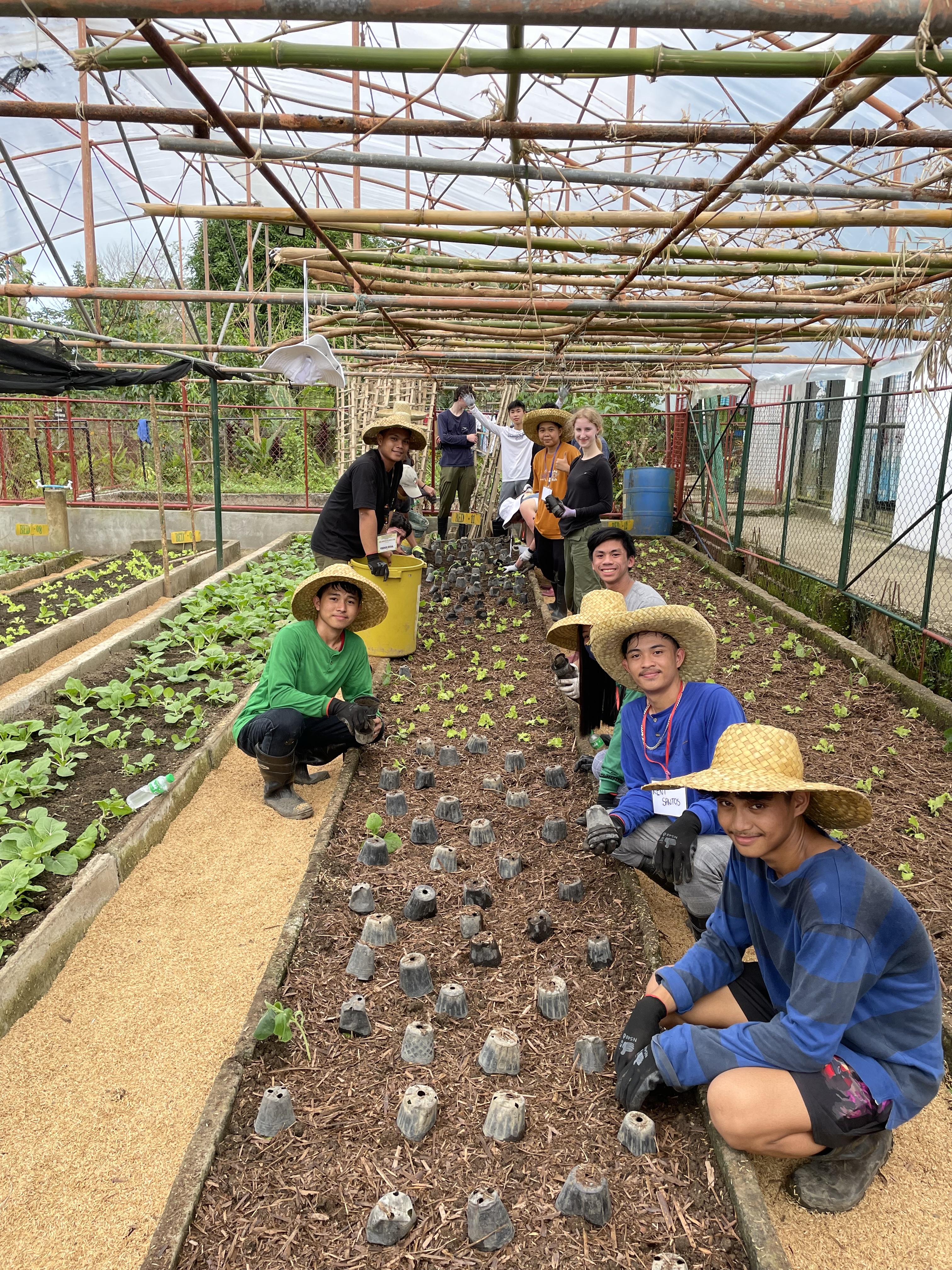
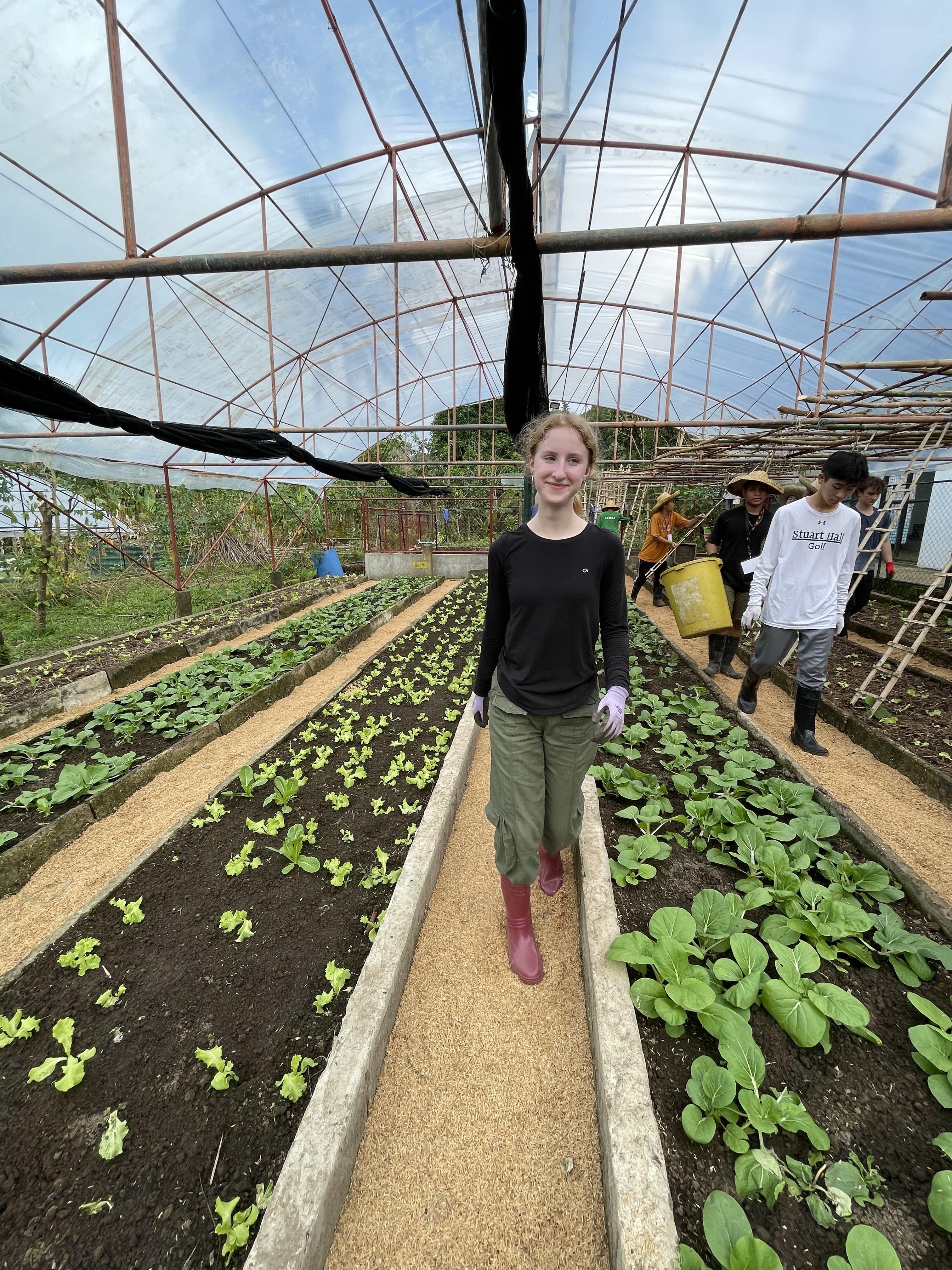
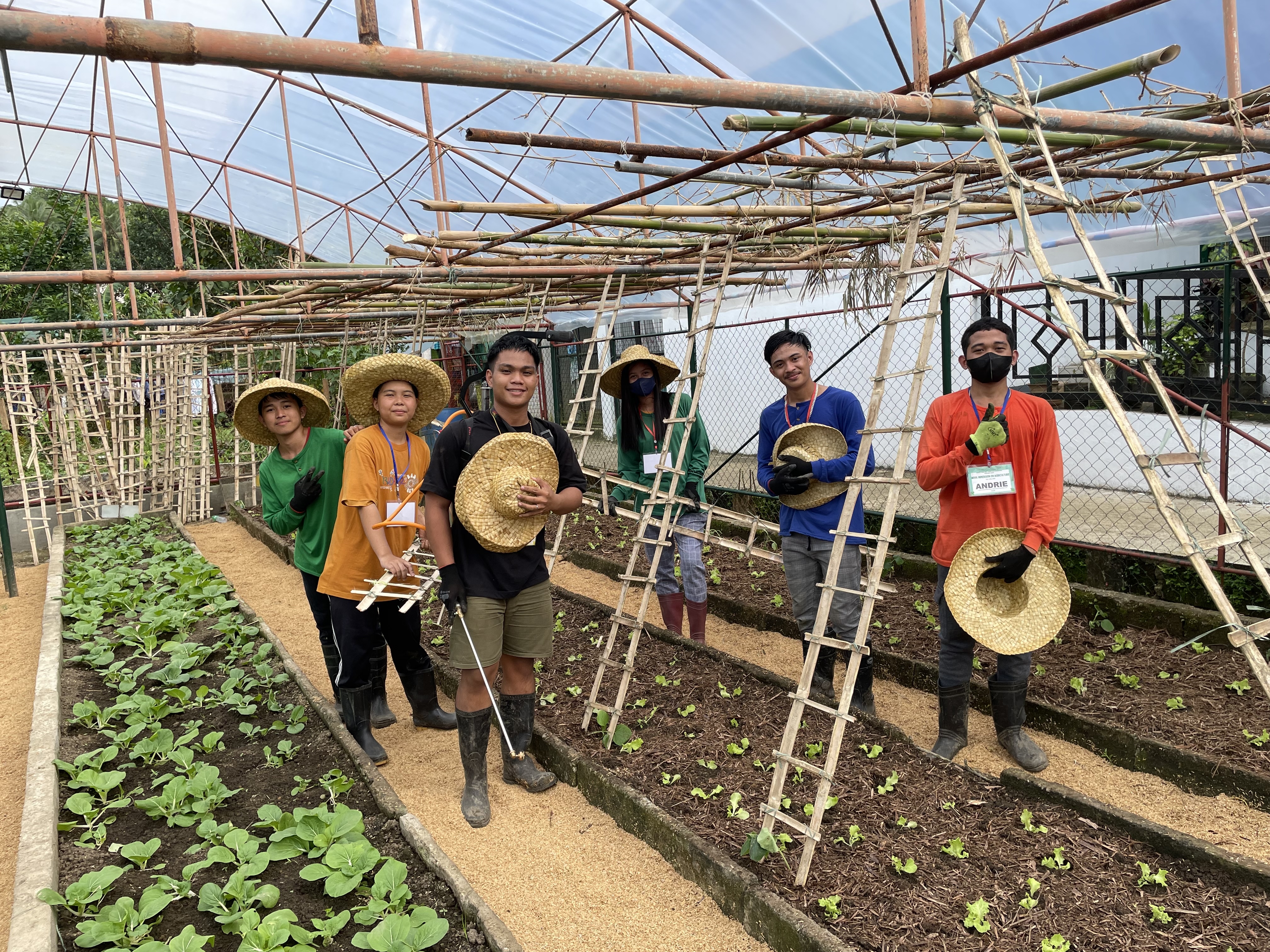
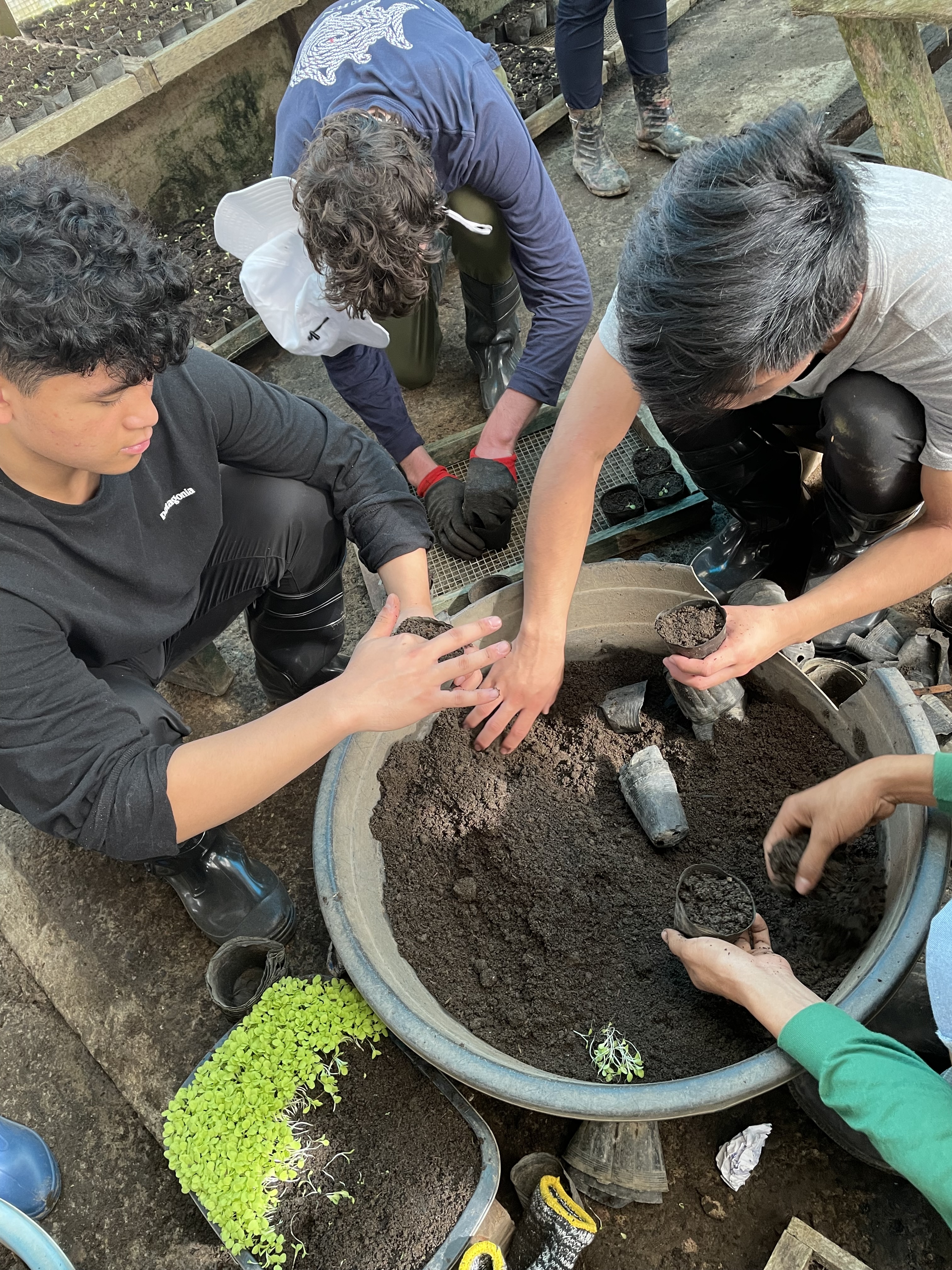
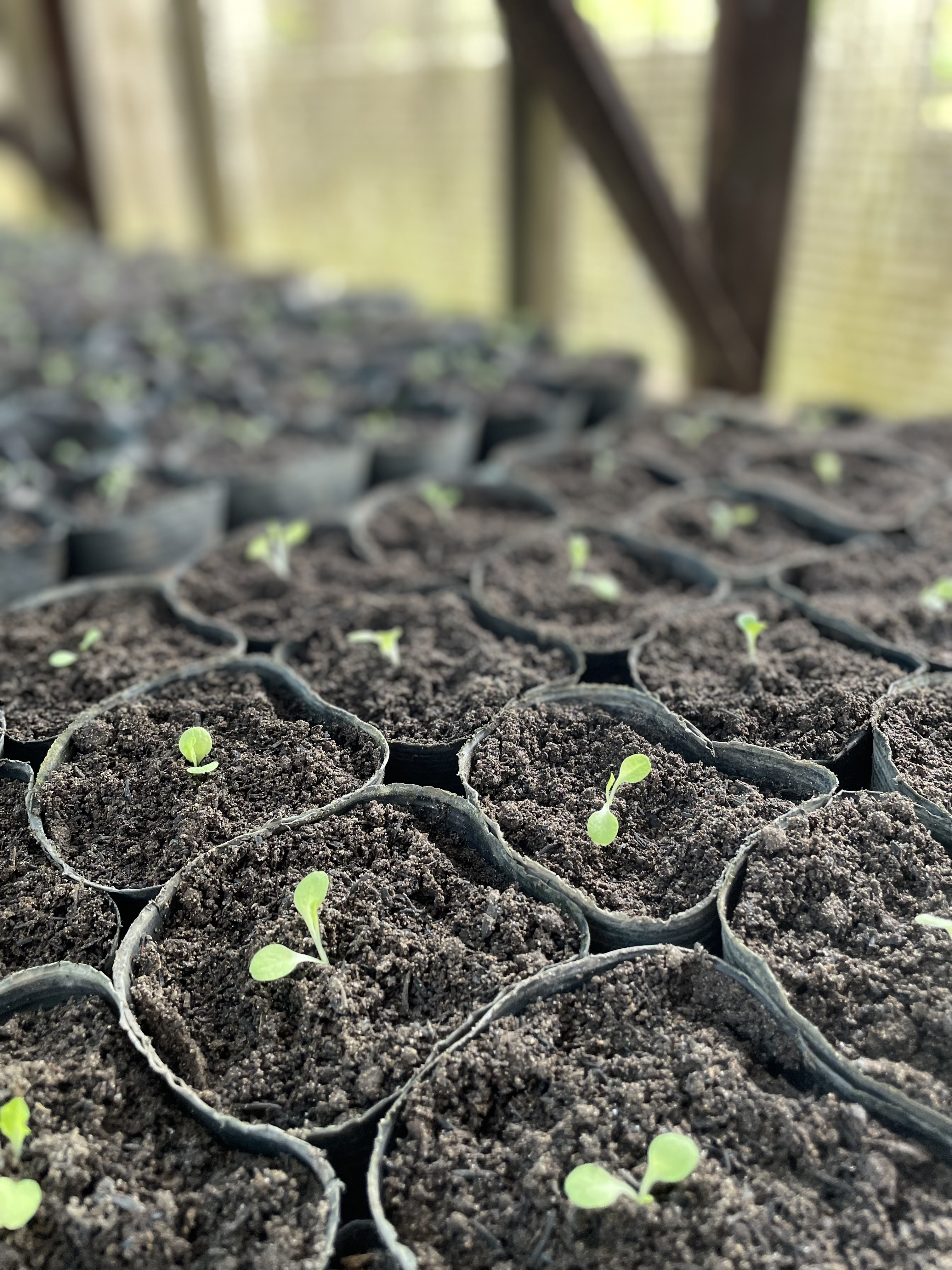
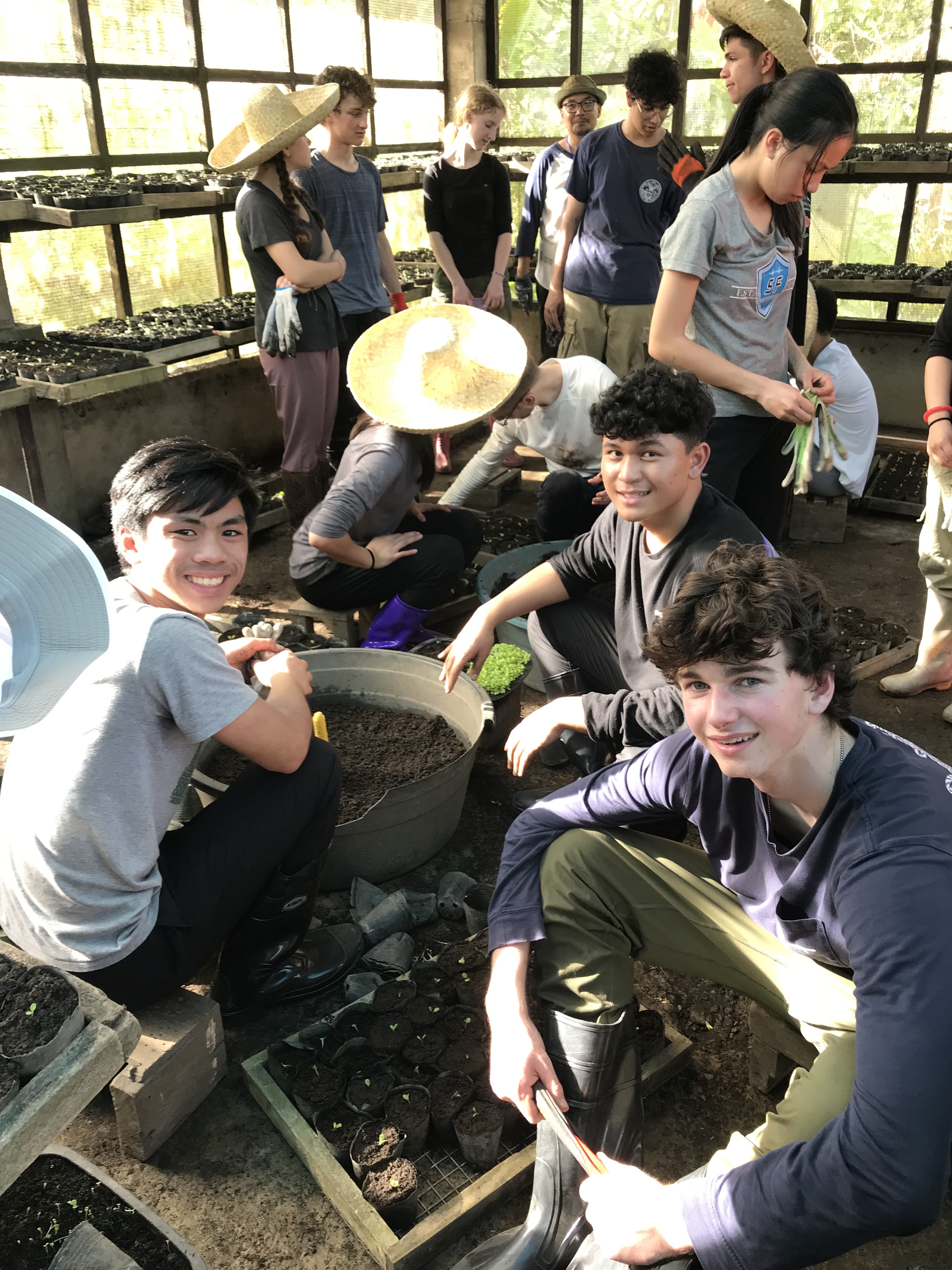
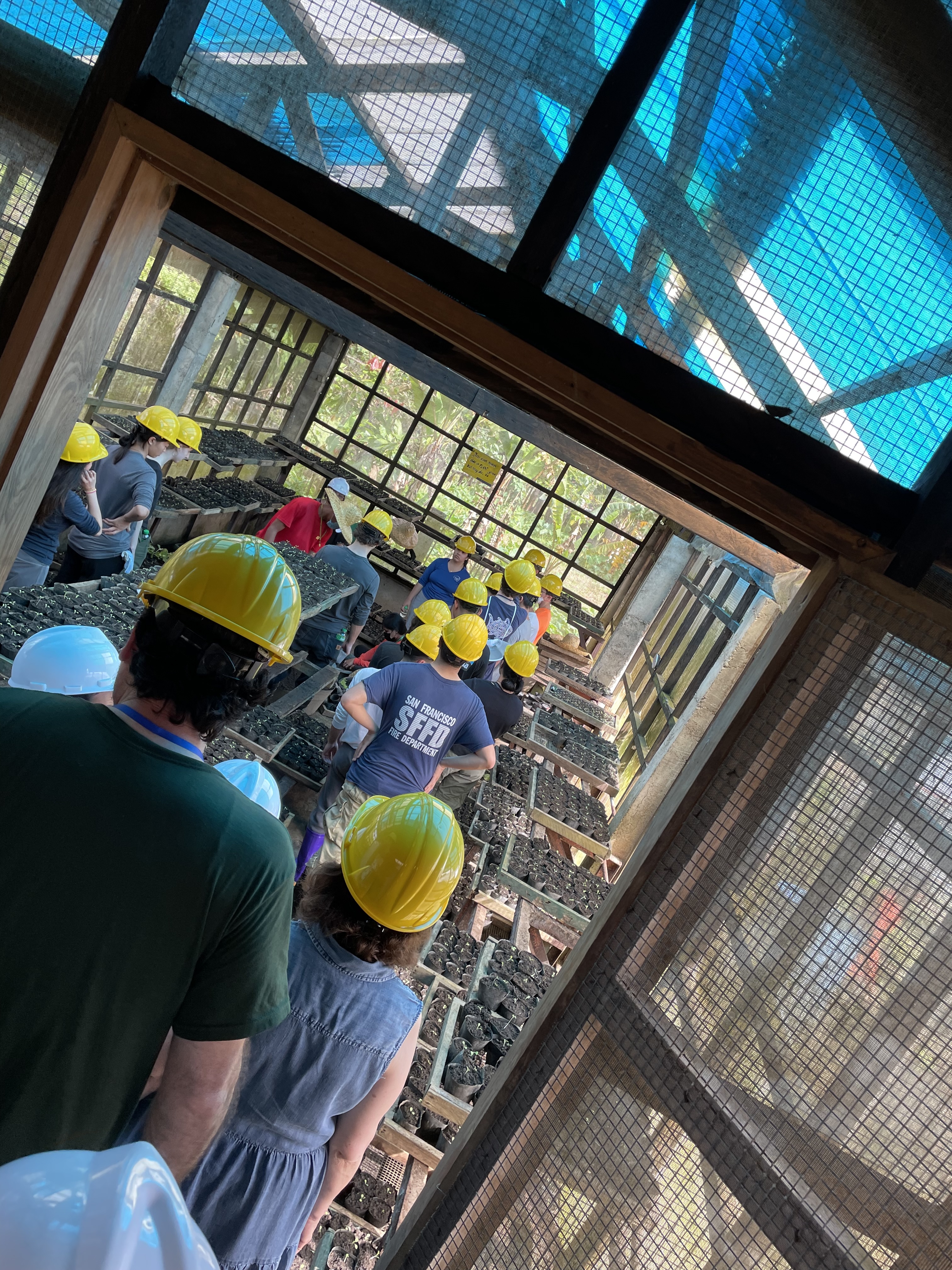
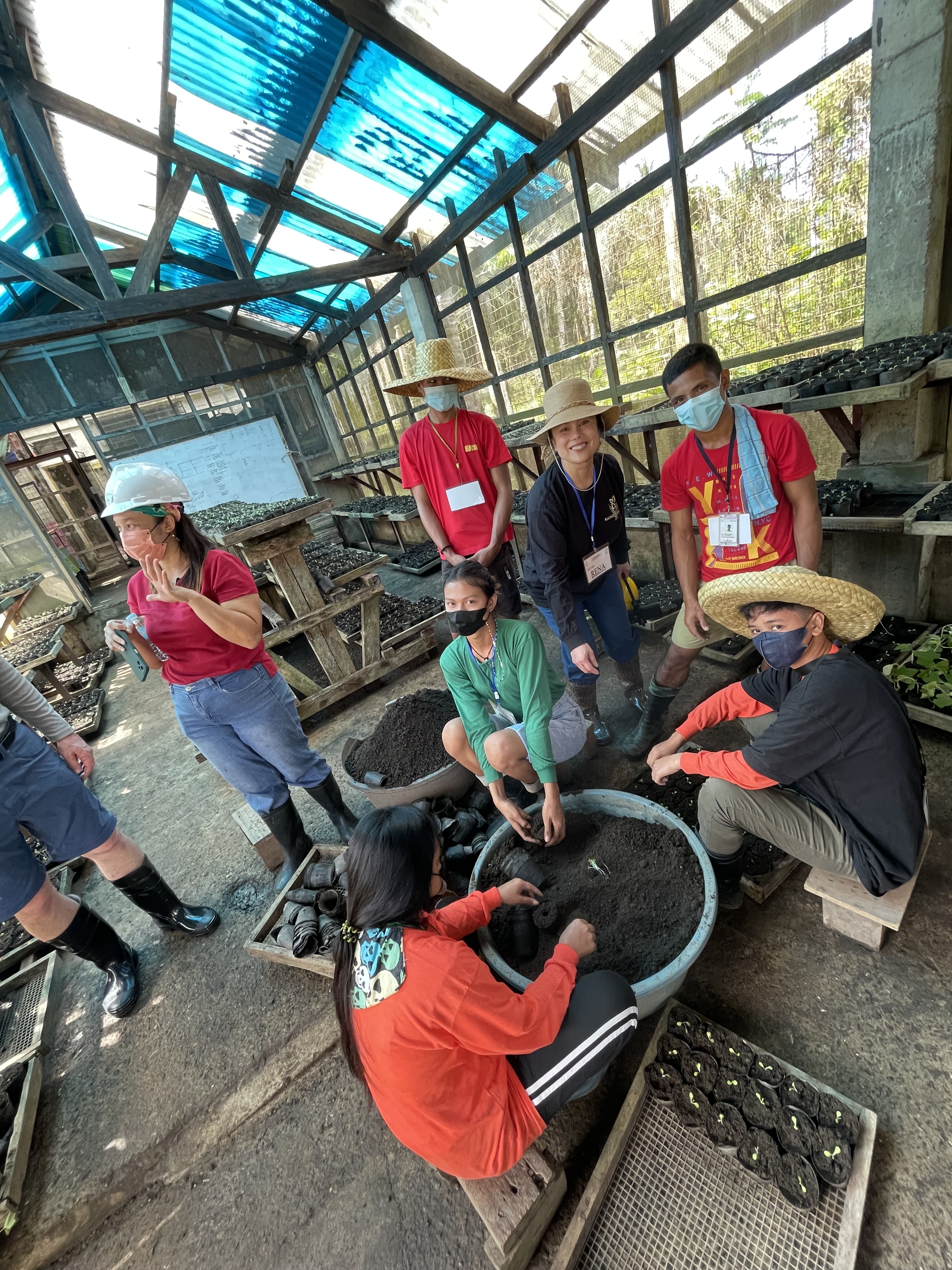
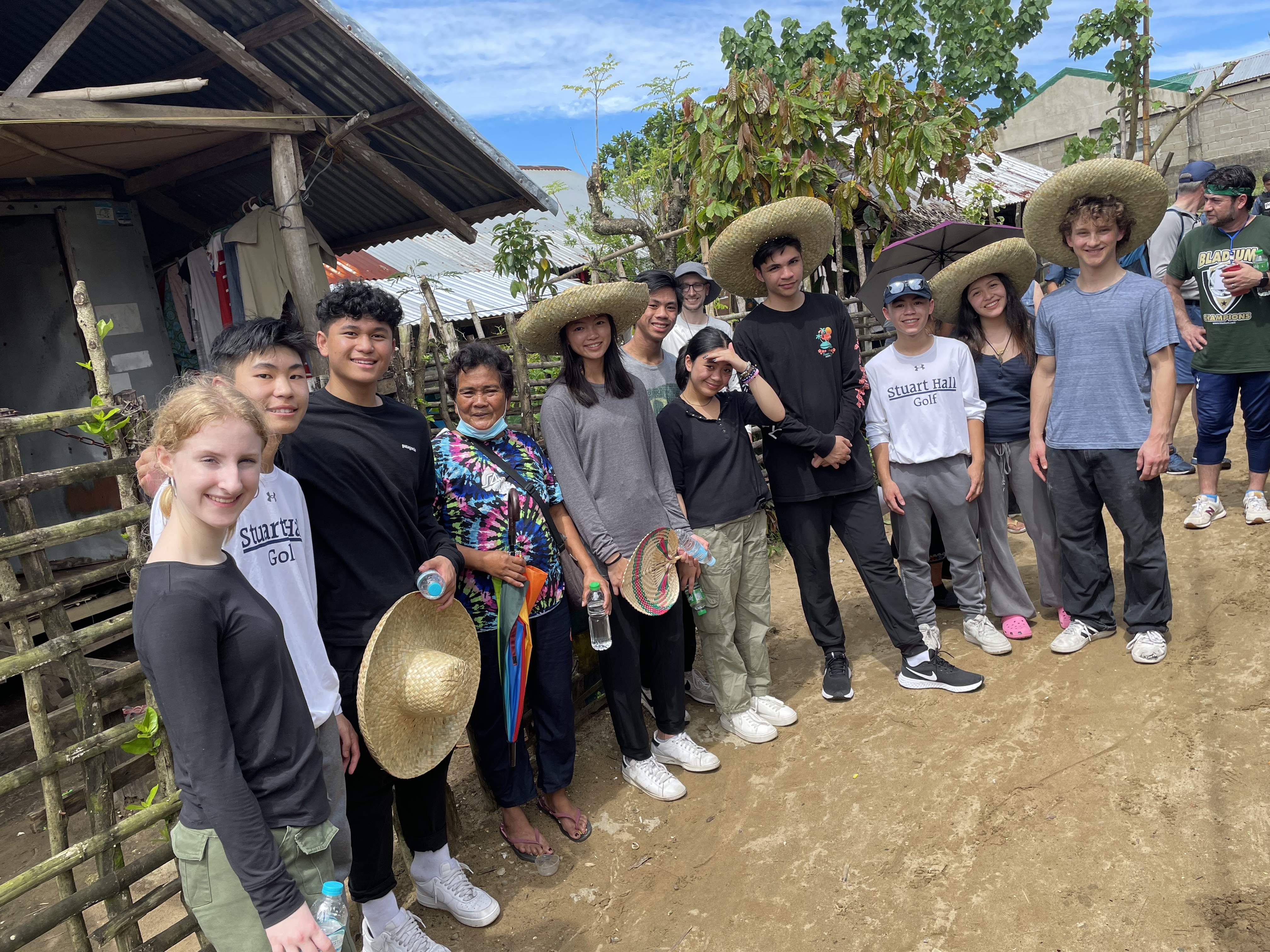
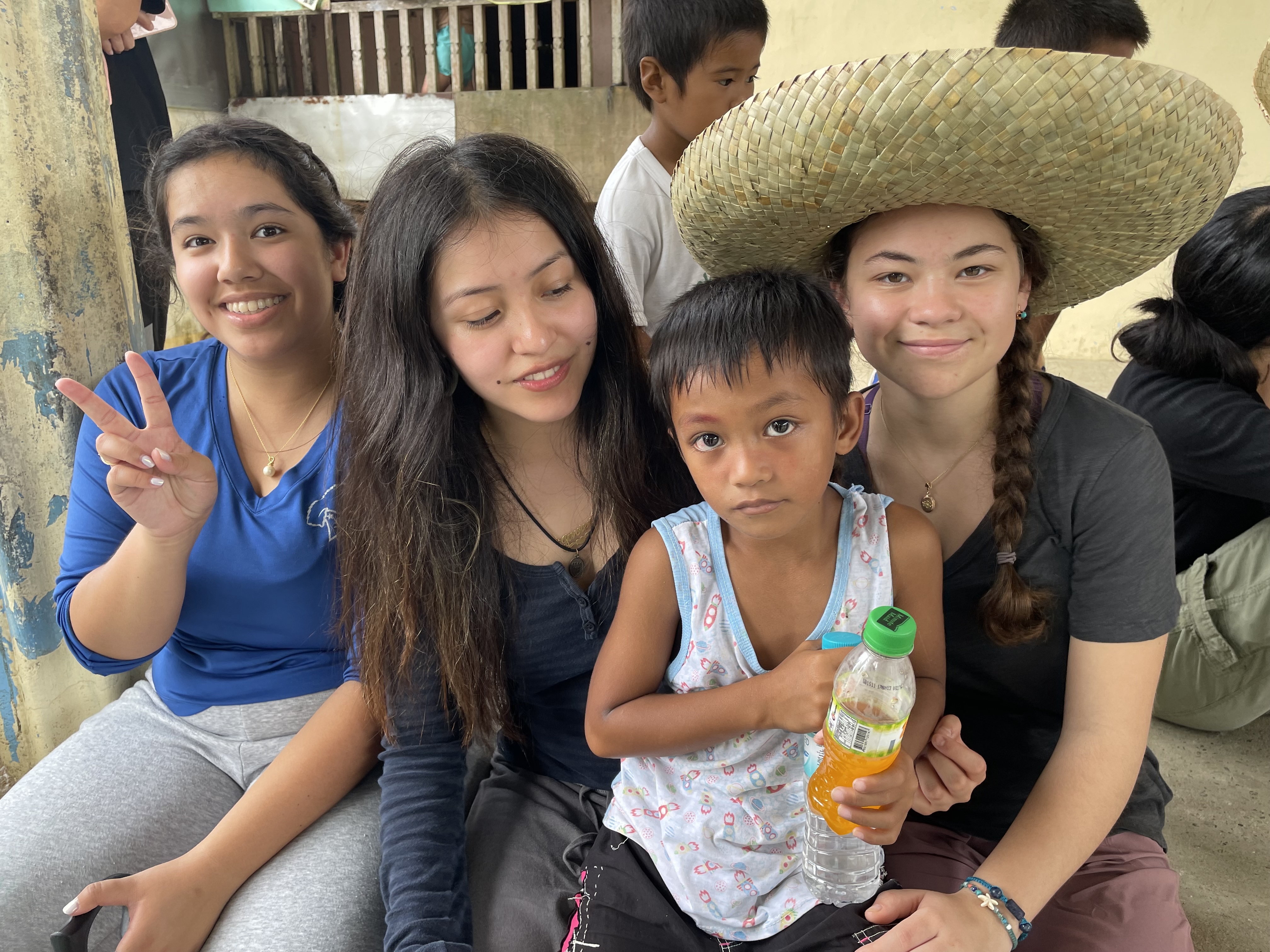
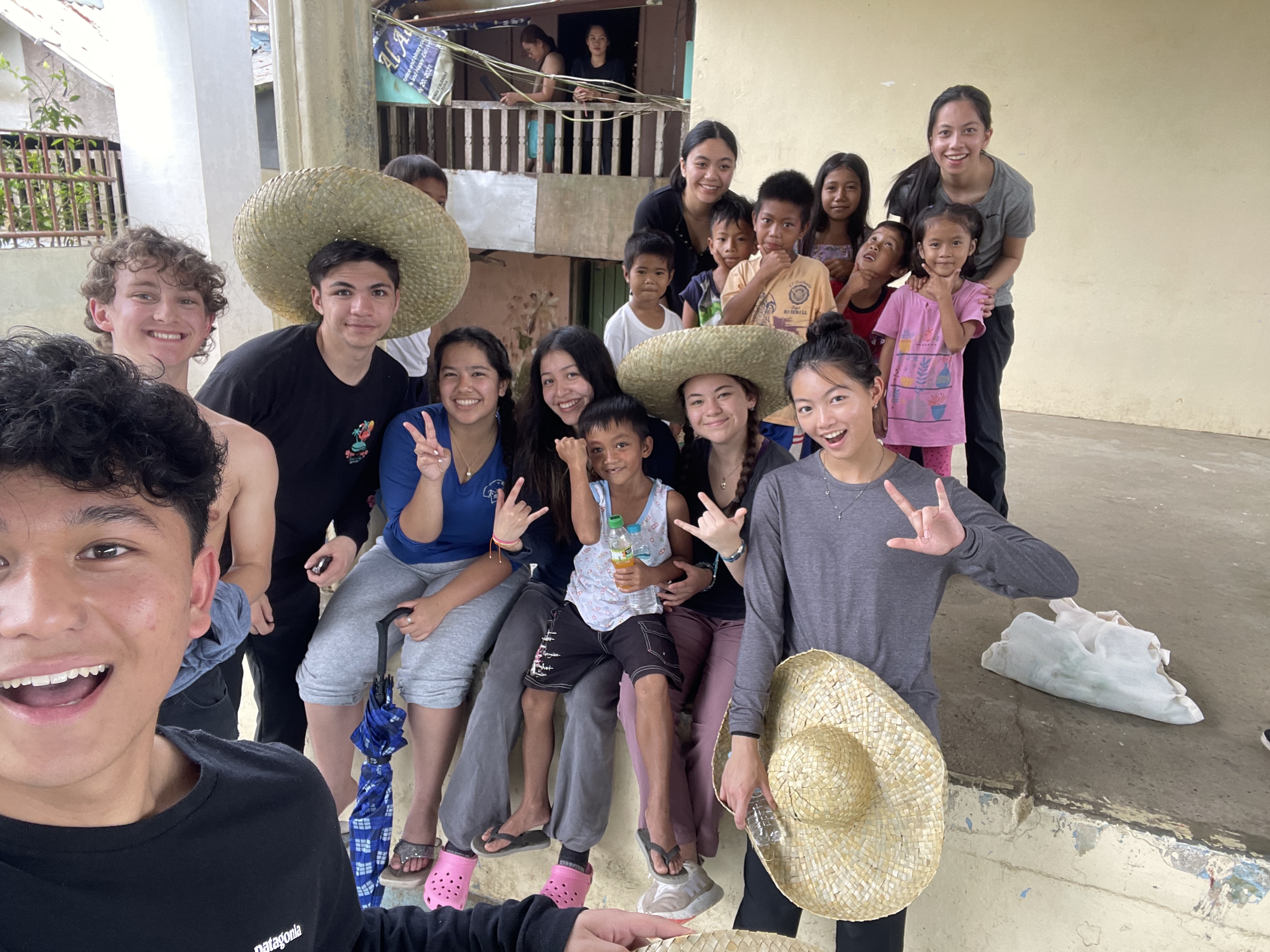
After our snack and break, we walked into the nearby village. There, we connected with local kids and observed the ways of life in Catarman. During our visit, we went to the sea, which we had seen earlier during the property tour. While in the village, some of the boys in our group caught a group of local boys playing basketball and eagerly joined in. This led to a spontaneous basketball game that demonstrated the universality of some experiences. After returning from the village, we observed Ash Wednesday by eating vegetable lumpia and other meatless dishes. Shortly after, we began our service work. We divided into multiple groups and went through each process of horticulture, specifically growing lettuce. It was hard, manual labor, something that most of us had not experienced before. Despite the uncomfortable heat and labor, we pushed ourselves to our limits and helped put food on the table for the community. It was a fulfilling experience to give back to a community that had already given us so much. 

Photos by Dr. Michael Campos, Religion, Theology & Spirituality, Faculty and Rena Franco, Accounts Payable Specialist

When we were all ready for a rest, we took some time to reflect. Everyone shared their experiences from the day and the transformations we had undergone throughout the trip so far. Finally, the Sisters at Sophie’s Farm hosted Ash Wednesday mass and confessions. There was lots of singing, and it was amazing to see this mass in comparison to the ones we had experienced back home. The night ended with a dinner, and we hit the hay after a long but rewarding day.

Photos by Dr. Michael Campos, Religion, Theology & Spirituality, Faculty and Rena Franco, Accounts Payable Specialist